Understanding the Beats by Dre Ownership Structure
Beats by Dre is a wholly owned subsidiary of Apple Inc., following its landmark $3 billion acquisition in 2014. Originally founded as Beats Electronics by Dr. Dre and Jimmy Iovine, the brand now functions as a specialized audio hardwar...
Beats by Dre is a wholly owned subsidiary of Apple Inc., following its landmark $3 billion acquisition in 2014. Originally founded as Beats Electronics by Dr. Dre and Jimmy Iovine, the brand now functions as a specialized audio hardware division integrated into Apple’s broader consumer electronics ecosystem, maintaining its distinct branding while utilizing Apple’s internal engineering and retail infrastructure.
Contents
The Origin and Evolution of Beats Electronics
To understand the current ownership structure of Beats by Dre, one must first look at its unconventional origins. Founded in 2006 by legendary hip-hop producer Dr. Dre (Andre Young) and veteran music executive Jimmy Iovine, the company was established to address the perceived decline in audio quality in the portable music era, particularly with the proliferation of low-quality, bundled earbuds.
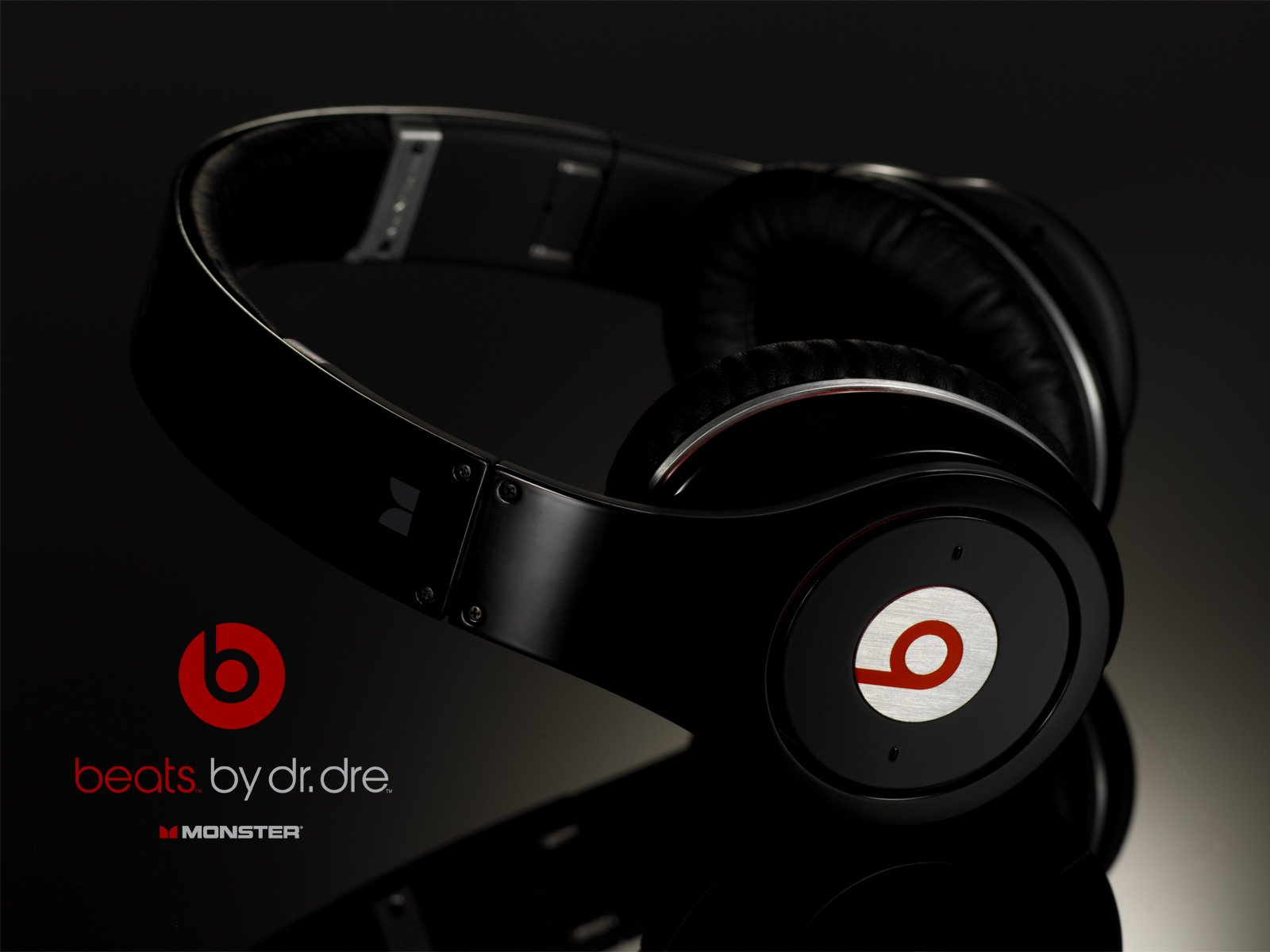
The company initially launched as a partnership with Monster Cable, a company specializing in audio accessories. This early arrangement provided the manufacturing and distribution expertise necessary for a nascent hardware firm. However, the partnership was contentious and relatively short-lived; the two companies severed ties in 2012. Following this split, Beats Electronics brought its research, design, and operations entirely in-house. This transition was a pivotal moment in the company’s history, as it allowed the founders to cultivate a singular brand identity centered on premium hardware, high-fashion aesthetics, and celebrity endorsements.
By 2013, the company had attracted significant outside investment. The Carlyle Group, a private equity firm, acquired a minority stake in Beats, valuing the business at approximately $1 billion. This external infusion of capital, combined with a highly successful marketing strategy, set the stage for the most significant corporate event in the brand's history: the acquisition by Apple.
The Apple Acquisition: A Strategic Shift
In May 2014, Apple Inc. announced its intention to acquire Beats Electronics and Beats Music for a total of $3 billion. The deal, which officially closed later that year, remains the largest acquisition in Apple’s history.
This transaction was not merely a purchase of hardware. While the headphones provided immediate revenue and a dominant market share in the premium over-ear segment, industry analysts widely agreed that the acquisition was driven by two core assets:
- Beats Music: The subscription streaming service formed the foundational architecture for what would eventually become Apple Music.
- Human Capital: The inclusion of Jimmy Iovine and Dr. Dre into the Apple executive leadership team was intended to provide Apple with an authentic bridge to the music industry and pop culture.
Following the acquisition, the ownership structure shifted from a private, founder-led enterprise to a subsidiary model. Beats Electronics became an integrated component of Apple’s hardware division. While the brand retains its own name, logo, and marketing campaigns, its internal operations—such as supply chain management, quality control, engineering, and legal compliance—are handled through Apple’s corporate structure.
Corporate Integration and Operational Dynamics
Under Apple’s ownership, the Beats brand has undergone a strategic transformation. Rather than being treated as a competitor to Apple’s own AirPods line, the two brands are managed as complementary assets.
The integration of Apple’s proprietary technology—specifically the W1 and H1/H2 wireless chips—into Beats products significantly enhanced the brand’s value proposition. By utilizing Apple’s custom silicon, Beats products achieved the same seamless pairing, long-range connectivity, and efficient battery management as Apple-branded devices. This transition moved Beats from being a "lifestyle" brand that functioned well with various devices to a "technical" brand that offers its best performance within the Apple ecosystem.
Comparison of Ownership and Operational Characteristics
| Attribute | Pre-Acquisition (2006–2014) | Post-Acquisition (2014–Present) |
|---|---|---|
| Primary Owner | Dr. Dre and Jimmy Iovine | Apple Inc. |
| Operational Control | Founder-managed / Private Board | Apple Hardware Division |
| Core Technology | Third-party / Proprietary Audio | Apple Custom Silicon (H-Series Chips) |
| Distribution | Independent Retail / Electronics Chains | Global Apple Store & Authorized Channels |
| Strategic Focus | Lifestyle Audio / Brand Positioning | Ecosystem Integration / Audio Quality |
Implications for Consumers and Stakeholders
The current ownership structure provides significant stability for consumers. Because Beats is part of Apple, the company operates under Apple’s global warranty, support, and retail policies. If a user purchases a pair of Beats headphones, they are entitled to the same customer support ecosystem as an iPhone user, including access to AppleCare+ and support at the Genius Bar.
From a product development perspective, the ownership structure dictates the release cycle. While Apple maintains the "Apple" brand for its premium AirPods Max, AirPods Pro, and standard AirPods, Beats occupies a specific market niche. Beats often targets a demographic that prioritizes aesthetic variety, specific fitness-focused features, and compatibility across both iOS and Android platforms. While AirPods are designed primarily for the Apple ecosystem, Beats products frequently feature enhanced Android compatibility—a strategic choice by Apple to capture market share outside of its own walled garden.
Legal and Regulatory Standing
As a wholly owned subsidiary of Apple, Beats Electronics does not maintain an independent board of directors or public stock. It is not subject to public reporting requirements on its own balance sheet, as its financial performance is consolidated into Apple’s quarterly earnings reports under the "Wearables, Home and Accessories" category.
This structure limits potential legal risk for the brand. Any legal disputes involving Beats are handled by Apple’s legal department, leveraging the scale and resources of one of the world's largest corporations. For suppliers and retail partners, contracts are typically drafted under the umbrella of Apple Inc., ensuring that the subsidiary operates with the full weight of the parent company’s legal and financial compliance standards.
Frequently Asked Questions
Does Dr. Dre still own Beats? No. When Apple acquired the company in 2014, it purchased 100% of the equity, including the stakes held by Dr. Dre, Jimmy Iovine, and other minority investors. Dr. Dre and Jimmy Iovine joined Apple in executive capacities following the acquisition, but they do not hold an ownership interest in the brand today.
Is Beats by Dre the same as Apple? They are the same corporate entity, but the brands remain distinct. Beats operates as a subsidiary of Apple. While they share internal engineering, supply chains, and technology, they maintain separate brand identities and different marketing strategies designed for different consumer segments.
Do Beats headphones work with non-Apple devices? Yes. Unlike many Apple-branded audio products, Beats headphones are specifically designed to be platform-agnostic. Apple maintains dedicated apps for Android users to ensure that features like firmware updates, battery status, and customization are available to those who do not use an iPhone or iPad.
Where is Beats by Dre manufactured? As a subsidiary of Apple, Beats follows Apple's global manufacturing guidelines. Production is primarily conducted by contract manufacturers in Asia, consistent with the production of other Apple hardware products. The specific facilities are governed by Apple's Supplier Code of Conduct.
What is the future of the Beats brand under Apple? Apple continues to treat Beats as a major brand pillar. The ownership structure allows Apple to capture consumers who prefer the Beats aesthetic or specific feature sets—such as the over-ear powerbeats line—while continuing to funnel users into the broader Apple ecosystem through iCloud integration and shared audio-sharing features.
Recommendation for Consumers
If you are evaluating a purchase of Beats products, treat them as high-quality audio equipment backed by Apple’s extensive support network. Whether you are using an iPhone or an Android device, ensure that you purchase through authorized retailers or the official Apple store to guarantee that your product is genuine and eligible for the standard Apple manufacturer’s warranty. If you are specifically looking for deep integration with the Apple ecosystem, the shared H-series chip technology ensures that Beats headphones will function with near-identical connectivity performance to official Apple AirPods.
Image Gallery