The Impact of Aubrey Plaza’s Loewe Dress at the Emmys: Redefining Surrealist Fashion on the Red Carpet
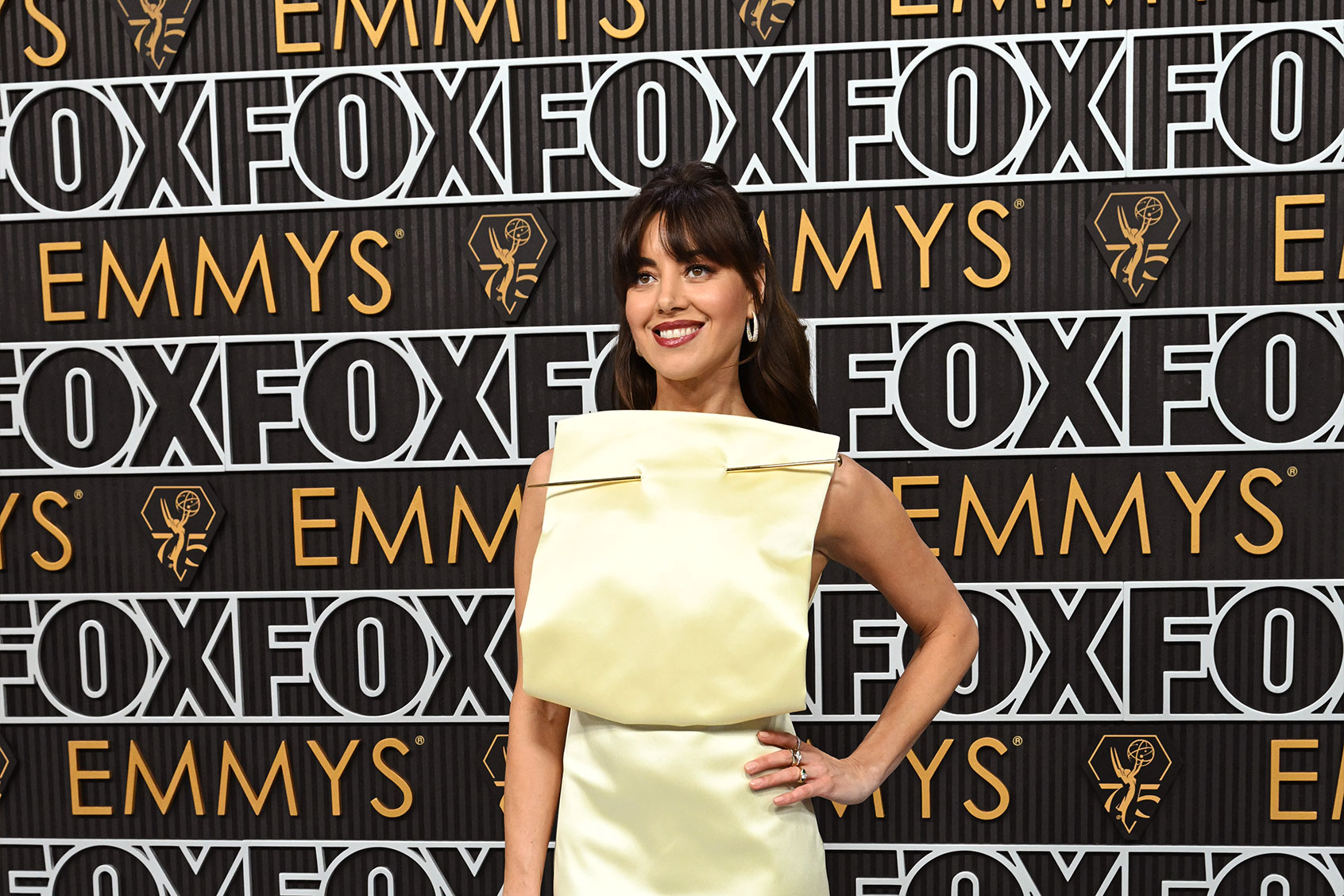
Aubrey Plaza’s pale yellow Loewe gown at the 75th Primetime Emmy Awards transformed red carpet fashion by bridging high-art surrealism with viral internet culture. Designed by Jonathan Anderson, the garment featured a structured rectan...
Aubrey Plaza’s pale yellow Loewe gown at the 75th Primetime Emmy Awards transformed red carpet fashion by bridging high-art surrealism with viral internet culture. Designed by Jonathan Anderson, the garment featured a structured rectangular bodice secured by a giant golden pin, sparking widespread media debate, internet memes, and a shift toward conceptual styling in Hollywood.
Contents
The 75th Primetime Emmy Awards, held in January 2024, provided a platform for standard Hollywood glamour, featuring classic silks, corsetry, and traditional floor-length silhouettes. However, actor Aubrey Plaza—nominated for her role as Harper Spiller in HBO's The White Lotus—turned heads by breaking away from conventional red carpet aesthetics. Her choice of a pale yellow, square-bodiced Loewe gown punctured by a massive stickpin challenged standard formalwear expectations, generating immediate cultural commentary and lasting influence on celebrity red carpet strategies.
The Anatomy of the Look: Design, Silhouette, and Construction
To understand the cultural wave caused by the garment, one must first examine its construction and conceptual origin. Created under the creative direction of Jonathan Anderson for the Spanish luxury house Loewe, the gown was derived from Anderson’s ongoing exploration of scale, texture, and surrealist forms.
Architectural Structure and Materials
The dress was crafted from a stiffened silk-satin in a delicate shade of butter yellow (often described by critics as champagne or muted pale yellow). Rather than flowing organically over the chest, the bodice was constructed as a rigid, flat-planed rectangle that extended well above the bustline. This boxy silhouette stood upright, creating a geometric apron effect that defied traditional tailoring aimed at accentuating natural body contours.
The Oversized Sewing Pin
The defining element of the gown was a gigantic, functional-looking metallic sewing needle or stickpin piercing the top left corner of the rectangular bodice. Made with a polished gold finish, the pin appeared to literally pin the oversized fabric rectangle onto the dress's delicate shoulder strap. This play on proportions—taking a tiny functional tailors' tool and scaling it up to an exaggerated focal point—is a signature motif of Jonathan Anderson’s surrealist language at Loewe.
Minimalist Accessories and Hair
Stylist Jessica Paster paired the statement garment with restrained accents to keep visual focus squarely on the dress. Plaza wore metallic gold Alexandre Birman sandals, subtle drop earrings, and minimal rings. Her hair was styled in a classic, soft Hollywood retro updo, creating an intentional contrast between traditional beauty standards and the avant-garde, sculptural nature of her garment.
Cultural and Internet Impact: From High Fashion to Viral Memes
The moment Aubrey Plaza stepped onto the red carpet, digital platforms ignited with immediate reactions. Unlike dresses that draw consensus admiration or straightforward criticism, the Loewe creation provoked curiosity, humor, and widespread participation from online audiences.
The Birth of the "Post-It Note" Meme
Social media users on platforms like X (formerly Twitter), TikTok, and Instagram instantly converted the image into a meme canvas. The flat, rectangular yellow bodice paired with the pin led to humorous visual comparisons, including:
- A Post-It Note: The yellow square held by a pin made the dress look like a giant office sticky note fastened to a shirt.
- A Slice of Cheese: Pop culture commentators dubbed the shade and shape "American cheese core" or a slice of Swiss cheese pinned to a frame.
- A Saltine Cracker or Recipe Card: The hard geometric edges inspired jokes about kitchen note cards and pantry staples.
Far from damaging the look's reputation, these memes amplified its media reach. In modern entertainment PR, a look that generates millions of impressions through humorous user-generated content often achieves far greater cultural longevity than a standard, uncontroversial gown.
Alignment with Aubrey Plaza’s Persona
The success of the dress relied heavily on who was wearing it. Plaza has long cultivated a public persona marked by deadpan humor, subversion, and dry delivery. Had the dress been worn by a celebrity known for traditional, pristine pageant-style glamour, the outfit might have felt dissonant or performative. On Plaza, the garment felt like a natural physical extension of her artistic brand—unapologetic, slightly bizarre, and intellect-driven.
Technical and Artistic Context: Surrealism in Red Carpet History
While the dress appeared revolutionary to casual viewers, it sits firmly within a rich lineage of art-historical fashion, specifically surrealism.
The Legacy of Surrealist Fashion
Surrealism in fashion traces back to the 1930s, when designer Elsa Schiaparelli collaborated with artist Salvador Dalí to create garments featuring everyday objects turned upside down—such as the famous Shoe Hat or the Lobster Dress. Schiaparelli’s philosophy centered on taking mundane items and recontextualizing them as fine art objects on the female body.
Jonathan Anderson revived this philosophy for 21st-century luxury. In recent seasons, his Loewe collections have featured garments constructed from molded leather, deflated balloons, giant Anthurium flowers, and oversized hardware. Plaza's Emmy dress translated these runway concepts into a wearable (yet uncompromising) evening gown.
Shifting from Glamour to Conceptual Sculpture
For decades, red carpet dressing adhered strictly to beauty standards meant to flatter the human figure through hourglass shaping, sweeping trains, and heavy embellishments. The impact of Plaza’s Loewe dress lies in its refusal to conform to these rules. By prioritizing shape, humor, and conceptual art over body-conforming tailoring, the gown signaled a broader shift in celebrity styling toward wearable sculpture.
Breakdown of the Emmy Look
The table below outlines the core components, design mechanics, and public reception metrics of Aubrey Plaza’s 2024 Emmy appearance.
| Component | Design & Technical Detail | Conceptual Purpose | Media & Public Reaction |
|---|---|---|---|
| Silhouette | Rigid rectangular apron bodice with straight floor-length column skirt | Breaks organic human lines in favor of flat geometric geometry | Compared to office supplies, cards, and cheese slices |
| Focal Hardware | Exaggerated golden stickpin / oversized sewing needle | Emphasizes fashion-in-progress, craftsmanship, and altered scale | Went viral as the central meme driver across social platforms |
| Color Palette | Soft butter yellow / pale champagne satin silk | Offsets the harsh geometry with a delicate, classic spring shade | Widely praised by fashion critics for its warm tone against her skin |
| Styling Choice | Minimalist gold heels, understated jewelry, retro hair | Prevents visual clutter and anchors the high-concept gown | Noted by stylists as a masterclass in balance and restraint |
| Designer / House | Loewe (Creative Director: Jonathan Anderson) | Runway-to-red-carpet translation of S/S 2024 conceptual themes | Cemented Loewe as a major player in modern celebrity award styling |
Shifting Red Carpet Norms: Industry Implications
The ripple effect of Aubrey Plaza’s Loewe dress extended beyond entertainment headlines into the business and strategy of celebrity fashion.
Earned Media Value (EMV) for Luxury Brands
In the luxury fashion sector, success at major award shows is measured by Earned Media Value (EMV)—a metric quantifying the monetary value of publicity generated through social mentions, news articles, and broadcast coverage. Plaza's look dominated fashion recaps in publications such as Vogue, Harper's Bazaar, and The New York Times. The viral engagement elevated Loewe’s visibility among non-fashion audiences, demonstrating that polarizing, conversation-starting gowns often yield higher financial and brand returns than safe choices.
The Role of Stylist-Actor Partnerships
The look highlighted the evolving role of celebrity stylists. Stylist Jessica Paster understood that high-profile red carpets are no longer just photo opportunities; they are narrative platforms. By securing an avant-garde Loewe piece for Plaza, Paster positioned her client as a fashion risk-taker capable of holding court alongside high-fashion muses like Zendaya, Hunter Schafer, and Florence Pugh.
Frequently Asked Questions
Who designed Aubrey Plaza’s dress for the 75th Emmy Awards?
The dress was designed by the luxury fashion house Loewe under the creative direction of Northern Irish designer Jonathan Anderson. It was part of Loewe's ongoing exploration of scale, hardware, and surrealist shapes.
Why did Aubrey Plaza’s Loewe dress have a giant pin on it?
The oversized golden pin was a central design motif intended to create a surrealist contrast in scale. By exaggerating a simple sewing tool—the stickpin—Jonathan Anderson transformed a functional item into an artistic focal point that held up the gown's rigid rectangular bodice.
What did critics and fans compare the dress to on social media?
Online fans and commentators famously compared the rectangular yellow bodice to a Post-It note, a slice of American or Swiss cheese, a saltine cracker, and a pinned index recipe card. These lighthearted comparisons helped the look become one of the most viral moments of the award show.
Who styled Aubrey Plaza for the 2024 Emmy Awards?
Aubrey Plaza was styled by veteran Hollywood fashion stylist Jessica Paster. Paster completed the look with understated gold Alexandre Birman heels and minimal fine jewelry to keep focus on the dress's architectural form.
Was Aubrey Plaza nominated for an award at the event?
Yes, Aubrey Plaza was nominated for Outstanding Supporting Actress in a Drama Series for her performance as Harper Spiller in the second season of HBO's hit series The White Lotus.
Recommended Takeaways for Fashion Observers
For students of fashion history, pop culture analysts, and red carpet enthusiasts, Aubrey Plaza’s Loewe dress offers key lessons on the evolving nature of public presentation:
- Embrace Artistic Risk: Standing out on modern red carpets often requires choosing conceptual storytelling over traditional, safe glamour.
- Context is Everything: The success of avant-garde clothing depends on alignment between the garment's identity and the wearer's public persona.
- Memes Drive Longevity: In contemporary digital culture, visual humor and viral memes serve as proof of cultural impact rather than aesthetic failure.
As red carpet events continue to adapt to internet culture, the collision of high-fashion surrealism and viral media will remain a dominant force in celebrity styling.
Image Gallery