Wallace Amos Net Worth Explained: How the Famous Amos Founder Built a Brand and Lost a Fortune
At the time of his passing in August 2024 at age 88, Wallace "Wally" Amos Jr. had an estimated net worth between $20,000 and $100,000. Despite founding Famous Amos—a brand that grew into a multi-million-dollar global enterprise—early e...
At the time of his passing in August 2024 at age 88, Wallace "Wally" Amos Jr. had an estimated net worth between $20,000 and $100,000. Despite founding Famous Amos—a brand that grew into a multi-million-dollar global enterprise—early equity dilution, operational missteps, and the loss of his trademark rights stripped him of long-term financial ownership.
Contents
Financial Overview: Wally Amos at a Glance
| Financial Metric / Milestone | Details & Historical Value |
|---|---|
| Estimated Net Worth at Death (2024) | $20,000 – $100,000 |
| Initial Seed Capital (1975) | $25,000 ($10k personal + $15k from investors) |
| Famous Amos Peak Revenue under Amos (1982) | Approximately $12 Million annually |
| First Equity Sale (1985) | 51% controlling stake sold to Bass Brothers for $1.1 Million |
| Final Company Sale Price to Shansby Group (1988) | $3 Million (Amos retained zero equity by 1989) |
| Current Brand Owner | Ferrero Group (acquired via Keebler/Kellogg's deal in 2019) |
| Key Trademark Restriction | Prohibited from using his own name ("Wally Amos") or image to sell baked goods |
The Origin of Famous Amos: From Talent Agent to Cookie Pioneer
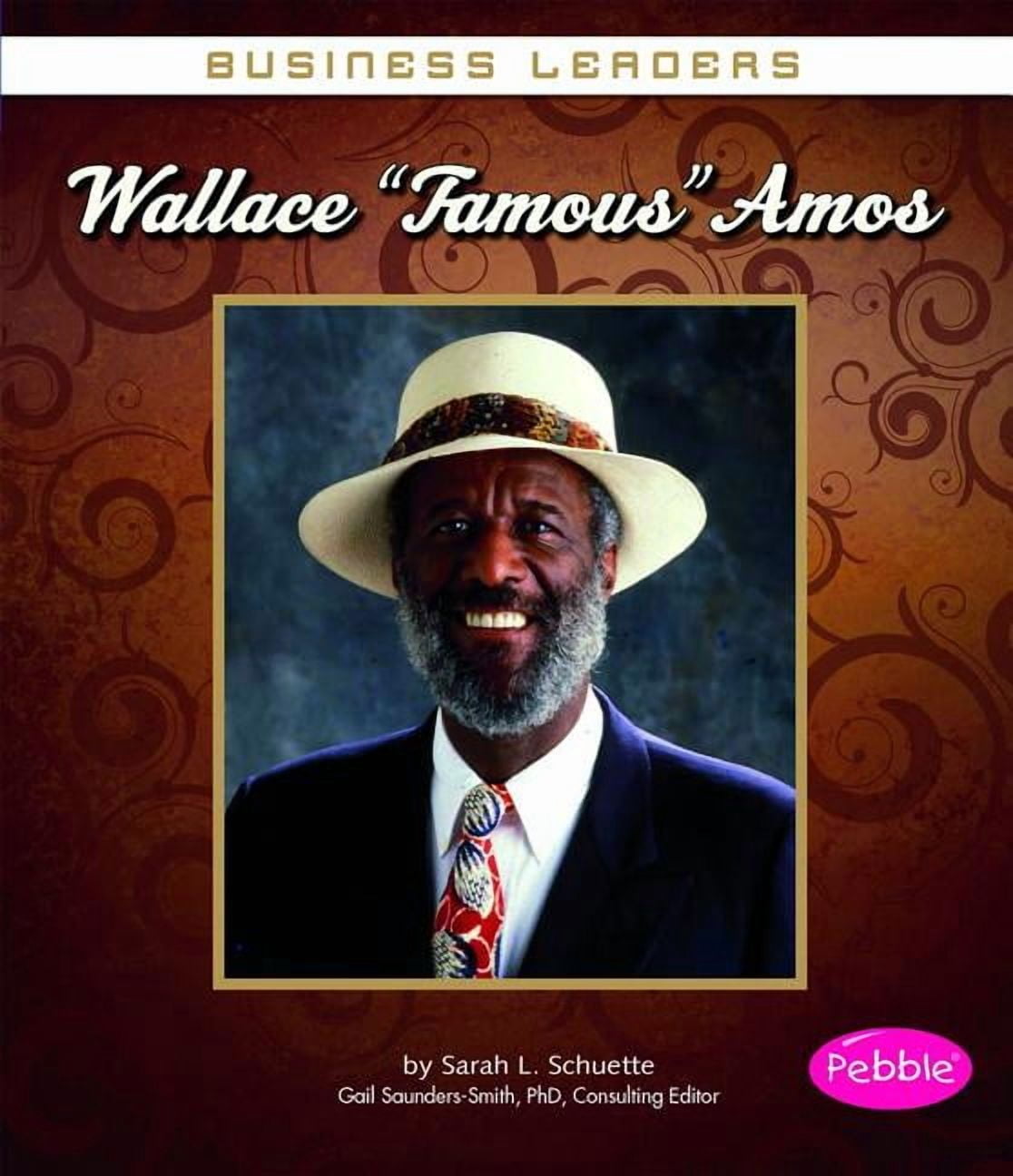
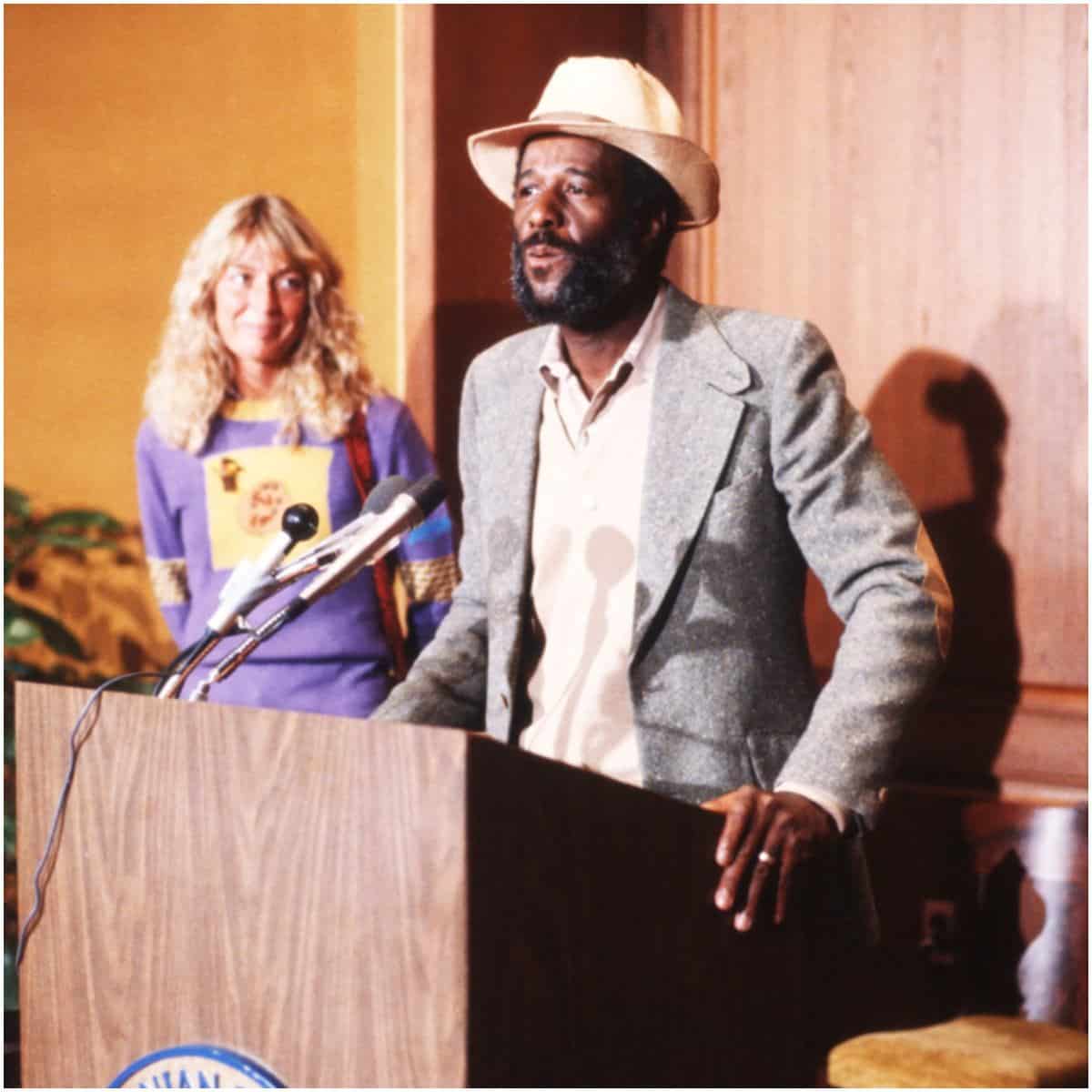
Before becoming an icon in the packaged food industry, Wally Amos built a successful career in the entertainment industry. In 1962, he became the first African American talent agent at the William Morris Agency. During his tenure, he signed famous musical acts such as Simon & Garfunkel and represented legendary talent like Diana Ross and Sam Cooke.
Amos often used homemade chocolate chip cookies—crafted using a modified family recipe from his Aunt Della—as promotional tokens to lure talent into meetings. As his career as an agent transitioned toward talent management, he pivoted full-time into commercial baking.
In 1975, Amos opened the world’s first store dedicated exclusively to chocolate chip cookies on Sunset Boulevard in Los Angeles, California. Funding for the storefront required $25,000 in startup capital. Amos invested $10,000 of his own funds and raised the remaining $15,000 from friends and celebrity contacts, including singer Helen Reddy and musician Marvin Gaye.
- 1975 Seed Capital: $25,000
- $10,000: Personal Savings
- $15,000: Celebrity Investors (Marvin Gaye, Helen Reddy)
The concept was an instant success. Famous Amos generated over $300,000 in revenue in its first year of operation. By 1982, the company had expanded into wholesale distribution, selling packaged cookies in department stores and supermarkets, driving annual revenues to roughly $12 million.
How Wally Amos Lost Control of Famous Amos
Despite rapid revenue growth throughout the late 1970s and early 1980s, the company struggled with severe structural cash flow issues. Amos was a gifted promoter and brand ambassador, but he lacked formal training in corporate finance, supply chain logistics, and institutional scaling.
- Rapid Revenue Growth
- Operational Inefficiencies & High Overhead
- Severe Cash Flow Crisis
- Equity Dilution & Loss of Control
1. High Overhead and Operational Inefficiencies
As demand exploded, the business expanded beyond its operational capacity. Manufacturing costs soared due to localized production limitations, high ingredient costs, and inefficient distribution channels. By 1984, despite strong consumer brand recognition, Famous Amos began reporting operating losses.
2. The 1985 Majority Equity Sale
Desperate for capital to cover mounting debts, Amos agreed to sell a 51% controlling stake in the company to Bass Brothers Enterprises, a private investment firm based in Fort Worth, Texas, for $1.1 million. This transaction stripped Amos of majority voting control, reducing his role from primary decision-maker to a paid promotional figurehead.
3. Corporate Turnover and Final Liquidation
Private equity ownership changed the direction of the business rapidly. Bass Brothers brought in outside management, but profitability continued to lag. In 1988, the company was sold to The Shansby Group, a San Francisco buyout firm, for $3 million.
During these successive corporate buyouts, Amos’s remaining minority equity was diluted to zero. By 1989, he had resigned from the company entirely, receiving no substantial capital payout from subsequent sales of the enterprise.
- 1975: Founded
- 1985: Bass Brothers (51% for $1.1M)
- 1988: Shansby Group ($3M)
- Subsequent Corporate Acquisitions
The Trademark Trap: Losing the Legal Right to His Own Name
The most financially devastating aspect of Wally Amos’s corporate exit was the transfer of intellectual property (IP).
When Amos sold his stake in Famous Amos, the terms of the transaction transferred all rights, titles, and trademarks associated with the name "Famous Amos", as well as the commercial rights to his legal name, "Wally Amos," and his recognizable likeness (his signature Panama hat and embroidered shirt) to the parent corporation.
- Corporate Equity Transfer
- Transfers Rights To:
- Trademark: "Famous Amos"
- Personal Name: "Wally Amos" (for commercial food products)
- Image/Likeness: Signature Panama Hat & Shirt
- Transfers Rights To:
Under U.S. trademark law (governed by the Lanham Act), a creator who registers their personal name as a corporate trademark and subsequently sells the business surrenders the legal right to use that name in commercial competition within the same product category.
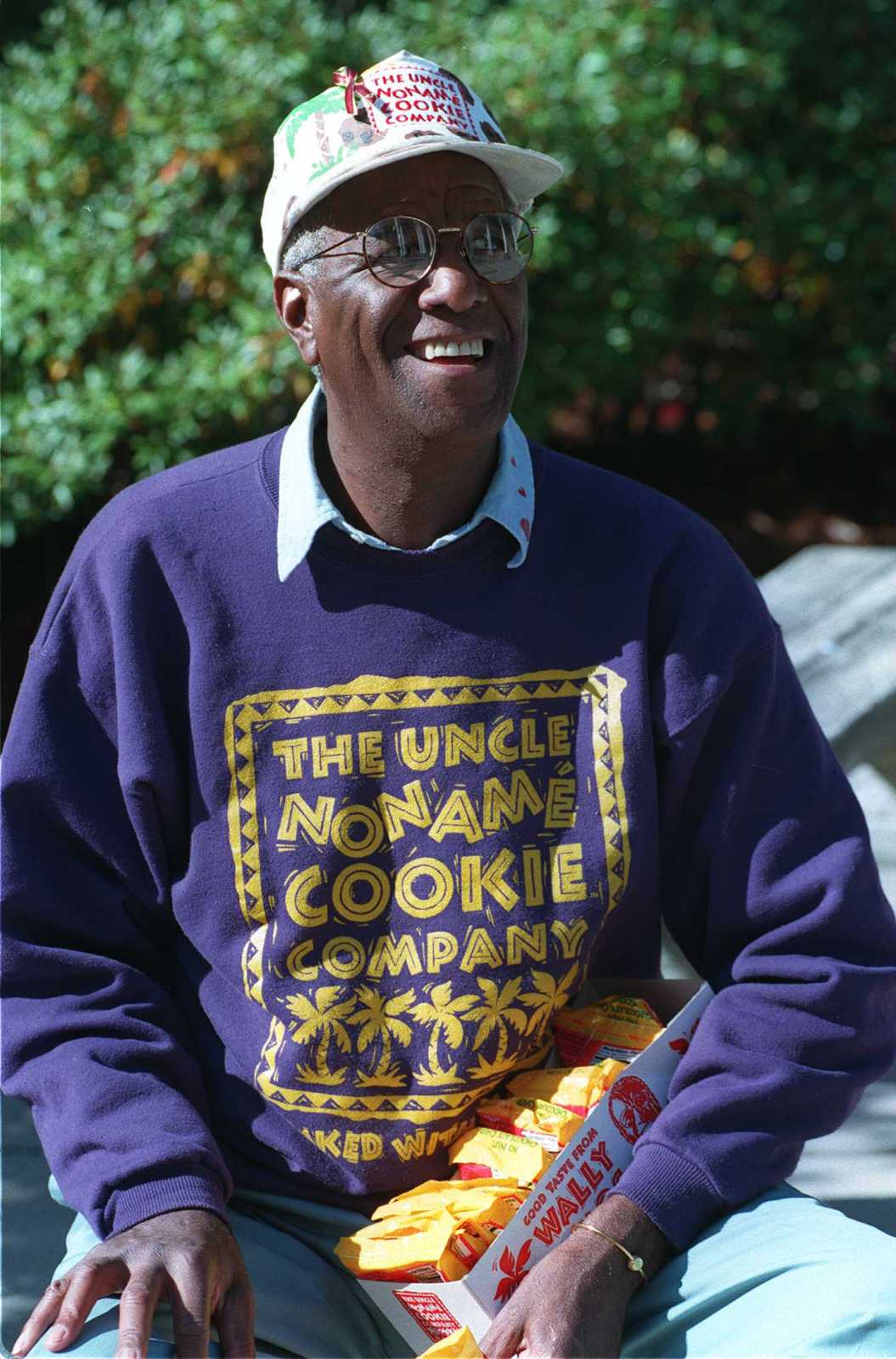
When Amos attempted to launch a new cookie enterprise in 1992 named Uncle Noname (later renamed Uncle Noname Gourmet Scones), the corporate owners of Famous Amos launched legal challenges to enforce their non-compete agreements and trademark exclusivity. Amos was legally enjoined from using his name, his voice, or his face to market or promote any baked goods.
This legal restriction severely hampered his ability to replicate his initial business success, as his chief marketing asset—his identity as the creator of Famous Amos—was legally owned by a third-party corporate entity.
Subsequent Business Ventures and Later Life Income
After leaving Famous Amos, Wally Amos attempted several business revivals, media projects, and public speaking engagements to generate income.
- Post-Famous Amos Income Streams:
- New Ventures (Uncle Noname, The Cookie Kahuna, Aunt Della's Delight)
- Paid Public Speaking & Literacy Seminars
- Published Books & Media Royalties
1. Uncle Noname Cookie Company & Aunt Della's Delight
Launched in 1992, Uncle Noname focused initially on gourmet cookies and later pivoted to packaged scones. The company faced chronic distribution challenges and filed for Chapter 11 bankruptcy protection in 1996. It was later reorganized as Uncle Noname Gourmet Scones, but failed to generate long-term profitability. Later, he attempted another launch called Aunt Della's Delight, which remained a small-scale regional operation.
2. The Cookie Kahuna and Shark Tank (2016)
In 2014, operating out of Kailua, Hawaii, Amos made a final attempt to return to the commercial cookie market by launching The Cookie Kahuna.
In October 2016, at age 80, Amos appeared on Season 8 of ABC's Shark Tank seeking a $50,000 investment for a 20% equity stake in the company.
During the pitch, the investors praised his history, but expressed grave concerns over the business's financial health:
- The business had generated $300,000 in gross sales over its first year, but recorded a net operating loss of over $90,000 due to exorbitant co-packing and production costs.
- Amos was buying finished product from a third-party manufacturer at high costs, leaving virtually no margin for wholesale profit.
- Every investor on the panel declined to invest.
By mid-2018, The Cookie Kahuna had collapsed, exhausting Amos’s personal savings.
3. Motivational Speaking, Books, and Advocacy
Throughout his later years, Amos relied primarily on speaking fees, royalties from motivational books, and personal appearances to cover living expenses. He authored several books, including The Famous Amos Story: The Creation of an American Icon and Watermelon Magic.
He also served as a dedicated spokesman for Read Aloud International, advocating for early childhood literacy across the United States.
Corporate Evolution of the Famous Amos Brand
While Wally Amos lived on a modest income in his later years, the brand bearing his name continued to trade hand for hundreds of millions of dollars across major food conglomerates:
- 1988: Shansby Group
- 1992: President Baking Co.
- 1998: Keebler Company ($63M)
- 2001: Kellogg's ($4.4B Deal)
- 2019: Ferrero Group ($1.3B Multi-Brand Acquisition)
- 1992: President Baking Company acquired Famous Amos from The Shansby Group for approximately $61 million.
- 1998: Keebler Company acquired President Baking Company, taking ownership of Famous Amos.
- 2001: Kellogg's acquired Keebler in a multi-billion-dollar deal ($4.4 billion), gaining control of the Famous Amos cookie brand.
- 2019: Ferrero Group acquired Kellogg’s select cookie and fruit-flavored snack brands (including Famous Amos and Keebler) for $1.3 billion.
At no point in these massive transactions did Wally Amos receive secondary royalties or stock proceeds, as his ownership rights had been extinguished in the late 1980s.
4 Critical Financial Lessons for Entrepreneurs
The financial trajectory of Wally Amos offers critical lessons for startup founders, creators, and business leaders regarding equity management, intellectual property, and venture capitalization.
Lesson 1: Personal Name Trademarks Carry High Structural Risk
Assigning your legal personal name as the primary registered trademark of a corporate entity creates severe personal liquidity risks. If you lose control of the company, you also lose the legal right to leverage your personal identity in that commercial market sector.
- Best Practice: Separate your personal identity from corporate trademarks, or structure licensing agreements where the brand licenses your name from a personal holding company rather than selling the trademark outright.
Lesson 2: Revenue Growth Is Not Cash Flow Profitability
Famous Amos scaled rapidly to $12 million in annual revenue, but gross sales obscured negative operational margins. Expanding wholesale distribution without controlling production overhead rapidly leads to technical insolvency.
- Best Practice: Prioritize unit economics and net cash margins over top-line growth before scaling wholesale distribution networks.
Lesson 3: Early Equity Dilution Erases Long-Term Wealth
Selling a controlling 51% stake for a short-term cash infusion ($1.1 million in 1985) permanently stripped Amos of long-term upside potential. When the brand was resold decades later as part of institutional portfolio deals worth hundreds of millions, the original founder retained zero financial benefit.
- Best Practice: Prefer non-dilutive debt financing, strategic joint ventures, or structured royalty-bearing licenses over relinquishing voting control of company stock.
Lesson 4: Non-Compete Clauses and IP Buyouts Must Include Ongoing Royalties
Amos sold his business via equity buyouts rather than negotiating a perpetual licensing fee or lifetime royalty model based on net brand sales.
- Best Practice: If selling trademark rights or exiting a founding entity, founders should negotiate a perpetual royalty on net brand revenues alongside any cash purchase price.
Frequently Asked Questions (FAQs)
What was Wally Amos’s net worth at the time of his death?
When Wally Amos passed away on August 13, 2024, at the age of 88, his net worth was estimated between $20,000 and $100,000. He did not retain financial equity or royalties from the multi-million-dollar cookie brand he launched in 1975.
Did Wally Amos make money when Famous Amos was sold to Kellogg's or Ferrero?
No. Wally Amos lost his minority equity stake in the late 1980s after selling majority control to private equity investors in 1985. Subsequent sales of the brand to President Baking, Keebler, Kellogg's, and Ferrero Group generated no financial proceeds for him.
Why was Wally Amos legally barred from using his own name to sell cookies?
When Amos sold his stake in Famous Amos, the buyers acquired all associated trademarks, including the commercial rights to the name "Wally Amos" and his personal likeness for food products. Under U.S. trademark law, using his own name to sell competing baked goods constituted trademark infringement.
What happened to Wally Amos's company on Shark Tank?
In 2016, Wally Amos appeared on Season 8 of Shark Tank pitching his Hawaii-based brand, The Cookie Kahuna. The investor panel declined to invest due to high manufacturing expenses and negative profit margins. The enterprise ceased operations in 2018.
How much money did Famous Amos start with in 1975?
The original Famous Amos store on Sunset Boulevard was funded with $25,000 in startup capital. Amos provided $10,000 from his own savings and secured $15,000 from celebrity investors, including Helen Reddy and Marvin Gaye.
Actionable Strategy for Founders: Protecting Corporate IP and Equity
For entrepreneurs launching personal brand businesses, protecting your intellectual property while raising equity capital requires deliberate legal architecture:
- Retain Personal Ownership of Name Trademarks: Register your personal name under an independent intellectual property holding entity (an IP LLC). License the name to your operating business via a revokable commercial license agreement rather than assigning the trademark directly to the corporate balance sheet.
- Cap Equity Sales to Avoid Control Triggers: Never sell majority equity (over 49%) in early-stage seed funding rounds to resolve temporary cash flow shortfalls. Use equipment financing, inventory lines of credit, or non-dilutive grant capital to stabilize operations.
- Include Royalty Provisions in Exits: If selling a consumer packaged goods brand, negotiate a minimum perpetual gross-revenue royalty (e.g., 1% to 2% of gross wholesale revenues) in addition to upfront cash payments. This ensures ongoing income regardless of future ownership changes.
Image Gallery