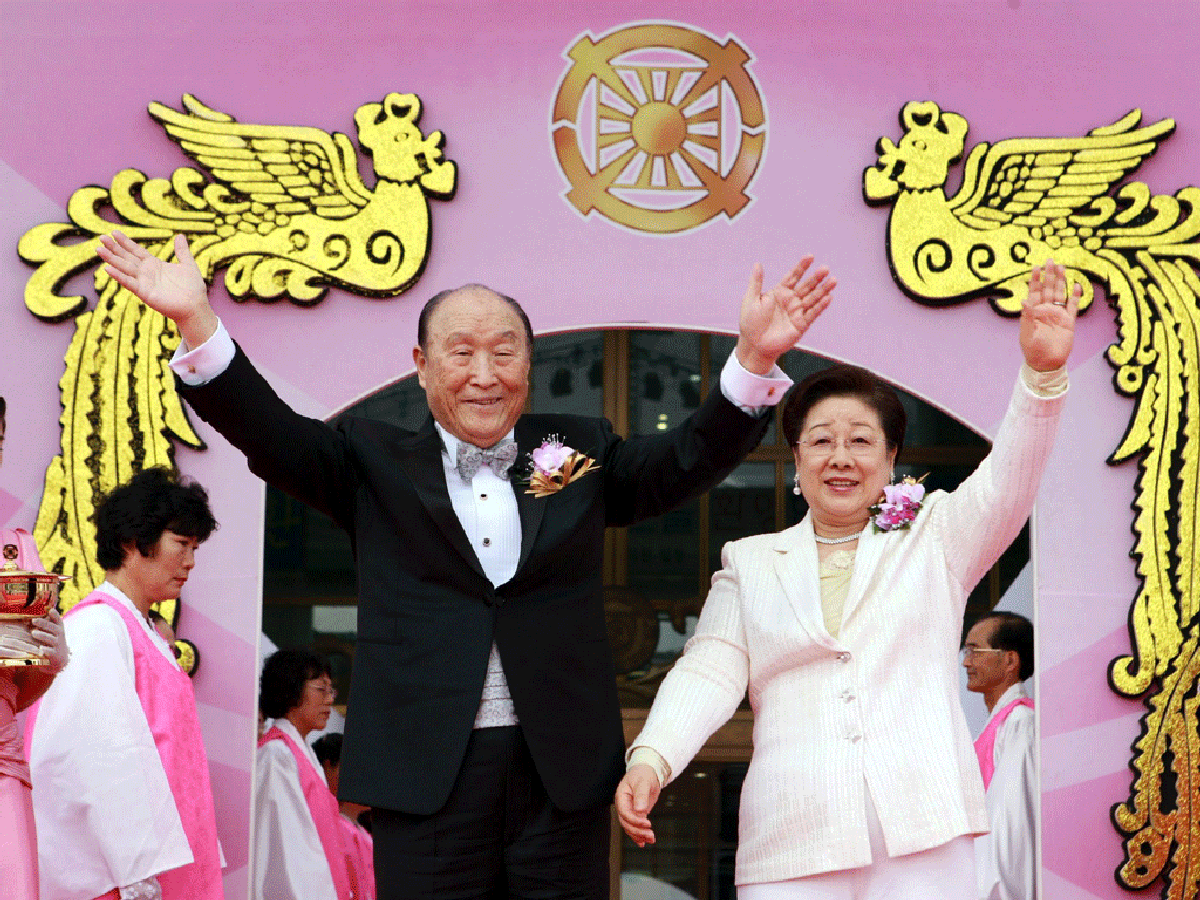
The Reverend Sun Myung Moon’s Net Worth Explained
The net worth of the Reverend Sun Myung Moon—the founder of the Unification Church—was never a traditional figure of personal wealth, as his assets were inextricably linked to a vast, complex, and global network of organizations, busin...
The net worth of the Reverend Sun Myung Moon—the founder of the Unification Church—was never a traditional figure of personal wealth, as his assets were inextricably linked to a vast, complex, and global network of organizations, businesses, and religious holdings. Estimating his net worth is problematic because the wealth he controlled was held by the Unification movement rather than in his personal name, making any singular valuation more a measure of the influence of the Unification Church than of individual private savings.
Contents
The Nature of Organizational Wealth
When discussing the net worth of a religious leader who founded a global movement, it is essential to distinguish between personal ownership and organizational control. Throughout his life, Sun Myung Moon exerted influence over a diverse array of enterprises, ranging from media outlets and education institutions to heavy industry and international real estate.
These entities, collectively referred to as the Unification movement or the Unification Church (the Holy Spirit Association for the Unification of World Christianity), were structured to support the movement’s proselytizing mission. Consequently, these businesses were not managed as typical corporate entities focused solely on shareholder dividends or individual capital accumulation. Instead, they functioned as instruments of the church’s financial engine. Assessing his "net worth" is therefore not an exercise in calculating a bank balance, but rather an appraisal of the total market value of the assets over which he exercised ultimate decision-making authority.
The Financial Scope of the Unification Movement
The business ventures associated with the Unification movement represent some of the most visible indicators of the scale of the organization’s financial footprint. These businesses spanned multiple sectors across several continents, notably in South Korea, Japan, and the United States.
- Media and Publishing: Perhaps the most famous asset is The Washington Times, established by Moon in 1982. The movement also maintained interests in various media outlets in South Korea, such as the Segye Ilbo.
- Manufacturing and Technology: Through the Tongil Group, the movement held significant stakes in manufacturers like Pyeonghwa Automotive, which supplies parts to major global automakers.
- Hospitality and Real Estate: The movement acquired extensive real estate holdings, including hotels, resorts, and conference centers globally. In the United States, their property portfolio included significant land acquisitions in New York and other states, often used for church retreats or as investments.
- Fisheries and Food: Companies like True World Foods became prominent players in the global seafood supply chain, demonstrating the movement's focus on self-sufficiency and industrial scale.
Challenges in Valuation
Calculating a definitive net worth for Sun Myung Moon remains impossible for several reasons, primarily due to the lack of transparent, audited reporting of the movement's consolidated assets.
- Asset Commingling: Many assets are held through private foundations or corporations where ownership is obscured. Disentangling the movement's capital from "personal" assets is often a legal and forensic impossibility.
- Non-Profit Exemptions: As religious organizations, many of the core bodies of the Unification Church operate under non-profit or tax-exempt statuses in various jurisdictions. This structure generally exempts these entities from public financial disclosures that would otherwise be required of publicly traded corporations.
- Valuation Volatility: The assets held—particularly large real estate developments and industrial manufacturing plants—are subject to market fluctuations. A valuation performed in 2005 would differ significantly from one conducted in 2026, especially considering the depreciation of specific manufacturing assets or the appreciation of land.
Comparative Perspective on Religious Leadership Wealth
To understand the context of the controversy surrounding the movement's wealth, it is helpful to contrast it with other organizational structures. Unlike typical high-net-worth individuals, such as CEOs of private equity firms, the control exercised by a founder like Moon is philanthropic or ecclesiastical in nature.
| Entity Type | Control Mechanism | Transparency Level |
|---|---|---|
| Public Corporations | Shareholder Board | High (SEC/Regulated) |
| Religious Foundations | Board of Trustees | Low (Internal) |
| Private Family Offices | Family Members | Very Low (Private) |
| Unification Movement | Founder/Central Committee | Variable/Complex |
The table above illustrates why "net worth" is a misleading metric for religious organizations. While a CEO's net worth is measured by equity in a company that can be sold, a religious leader's influence is measured by the total asset base, which is largely illiquid and tied to the organization's mission.
Legal and Regulatory Scrutiny
Over the decades, the business dealings of the Unification Church and Reverend Moon faced legal scrutiny, most notably the 1982 tax evasion trial in the United States. Moon was convicted of filing false federal income tax returns. The case centered on his failure to report interest income from accounts held in his name, despite his assertion that the funds were held for the church.
This legal battle highlighted the difficulty in separating the founder’s personal finances from the organization’s assets. The conviction served as a turning point in how the movement approached financial transparency and organizational structure, leading to more rigorous legal vetting of how assets are held and reported to government tax agencies.
Impact of Leadership Succession
Since the passing of Sun Myung Moon in 2012, the management of the assets has transitioned to his widow, Hak Ja Han, and the movement’s executive leadership. The "net worth" of the movement has continued to evolve as the organization adapts to new leadership and changing global markets. Under current administration, the movement remains a substantial entity with significant global real estate and business interests, but it operates with different strategic priorities than those set during the founder's active years.
Frequently Asked Questions
Was Reverend Moon personally a billionaire? There is no verified evidence to categorize him as a billionaire in terms of personal, liquid wealth. While the collective assets of the organizations he led were valued in the hundreds of millions, if not billions, those assets did not belong to him as an individual.
Why are there such varying estimates of his net worth? Estimates vary because they depend on what is included in the calculation. Some analysts include all industrial, media, and real estate assets of the Unification Church, while others focus only on personal property. There is no official "net worth" figure because such records do not exist in the private, non-profit, and religious sectors.
Did the Unification Church lose money on its business investments? Yes, like any large conglomerate, the movement experienced both successes and failures. Some investments, such as specific manufacturing ventures or media outlets, have required significant subsidies from the church to maintain operations, whereas others have generated consistent revenue.
Is it possible to track the current value of the Unification Church's assets? It is not possible to obtain an accurate, current valuation. Because these organizations are private and religious, they are not required to disclose their full balance sheets to the public. Any figure cited in media reports is an estimate based on observable property and business holdings.
What is the legal status of the movement’s finances in 2026? The movement operates through a series of legally distinct corporations and foundations, each subject to the laws of its respective jurisdiction. In 2026, these entities are managed according to corporate governance standards, but they remain private, limiting the public's access to their financial health.
Conclusion and Next Actions
The question of Reverend Sun Myung Moon's net worth is effectively a question about the scale of the Unification Church's global business empire. Those seeking a concrete number will find that no official figure exists, as the movement’s assets are decentralized, non-profit-oriented, and largely shielded from public disclosure. If you are conducting research for academic or journalistic purposes, prioritize reviewing historical court records from the 1980s and public property tax filings in regions where the movement maintains its largest holdings, as these provide the most reliable, though incomplete, windows into the organization's financial footprint.
Image Gallery