Can You Redeem Your Own Life Insurance? Understanding Access to Policy Value
Whether you can redeem your own life insurance depends entirely on the type of policy you hold and the specific terms outlined in your contract. Generally, term life insurance policies hold no cash value and cannot be redeemed for anyt...
Whether you can redeem your own life insurance depends entirely on the type of policy you hold and the specific terms outlined in your contract. Generally, term life insurance policies hold no cash value and cannot be redeemed for anything other than a death benefit payable to your beneficiaries. Conversely, permanent life insurance policies—such as whole life or universal life—often accumulate cash value over time, which the policyholder may access during their lifetime through specific financial mechanisms.
Contents
Distinguishing Between Policy Types
To understand if you can access funds from your insurance, you must first identify the structural category of your policy.
Term Life Insurance is designed strictly as a temporary safety net. It provides a death benefit for a specified period, such as 10, 20, or 30 years. Because these policies do not include an investment component or savings element, they have no surrender value. If you stop paying premiums, the coverage simply lapses, and any premiums paid are retained by the insurance company to cover the cost of insurance and administrative overhead. There is nothing to "redeem" in a term policy.
Permanent Life Insurance (including Whole, Universal, and Variable life) is designed to provide coverage for your entire lifetime, provided premiums are paid. A portion of each premium payment is directed into a cash value account that grows according to the insurer's interest rates or investment performance. This cash value represents an asset that can be accessed while the policyholder is still living.
Methods for Accessing Cash Value
If you own a permanent life insurance policy, there are several ways to "redeem" or extract the value accumulated within the account. It is important to note that these actions may affect the death benefit or the policy’s overall longevity.
1. Policy Loans
One of the most common ways to access your own money without technically "surrendering" the policy is by taking a loan against the cash value.
- How it works: You borrow money from the insurance company, using your policy’s cash value as collateral.
- Benefits: These loans are generally not considered taxable income, and the interest rates are often competitive compared to commercial bank loans.
- Risks: If you do not repay the loan, the amount borrowed, plus accrued interest, will be deducted from the death benefit paid to your beneficiaries upon your passing. If the loan balance exceeds the cash value, the policy may lapse, leading to significant tax consequences.
2. Partial Withdrawals
Some permanent policies allow you to withdraw a portion of your accumulated cash value directly.
- How it works: You request a disbursement from the insurer. This money is yours to keep, but it reduces the cash value and, in many cases, permanently reduces the death benefit.
- Tax Considerations: Withdrawals are typically treated as "basis first," meaning you do not pay taxes until you withdraw an amount exceeding the total premiums you have paid into the policy. Any gains withdrawn beyond the basis are usually subject to income tax.
3. Surrendering the Policy
Surrendering is the act of canceling your permanent life insurance policy in exchange for the "Cash Surrender Value."
- How it works: You officially terminate the contract. The insurer pays you the cash value accumulated, minus any applicable surrender charges or outstanding policy loans.
- Consequences: Once you surrender the policy, you are no longer insured. You forfeit the death benefit entirely. Furthermore, if the amount you receive exceeds the total premiums you paid over the life of the policy, the gain is considered taxable income by the IRS.
Factors That Impact Your Ability to Access Funds
| Feature | Term Life Insurance | Permanent Life Insurance |
|---|---|---|
| Cash Value Growth | None | Yes |
| Access to Funds | No | Yes (Loans/Withdrawals) |
| Tax Impact | N/A | Variable (Taxable if over basis) |
| Impact on Coverage | Lapses on non-payment | Reduces benefit or cancels policy |
| Surrender Charges | N/A | Usually applicable in early years |
The Role of Surrender Charges
If you choose to surrender a permanent policy, be aware of the "surrender charge period." Insurance companies invest heavily in administrative and commission costs when setting up a policy. To recoup these costs, many policies include a sliding scale of fees that decrease over time—often over the first 10 to 15 years. If you attempt to surrender your policy during this window, the amount you receive may be significantly lower than the stated cash value due to these penalties.
Strategic Considerations Before Redeeming
Before you take action, consult with a financial advisor or tax professional. Accessing cash value can have unintended consequences:
- Death Benefit Reduction: If your primary goal is to provide for dependents, withdrawing funds or taking a loan will diminish the safety net you originally intended to leave behind.
- Tax Liability: Surrendering a policy that has grown significantly in value can trigger a large tax bill.
- Loss of Future Growth: By removing money from the policy, you stop the compound interest or market returns that would have otherwise accrued on that capital.
- Policy Lapse: If you borrow against the policy and the policy subsequently lapses due to missed payments or excessive loans, the outstanding loan balance may be taxed as income, potentially leading to a "tax bomb."
Frequently Asked Questions
Can I get my premiums back if I never use my term life insurance? Generally, no. However, some term policies offer a "Return of Premium" (ROP) rider. If you add this to your policy at inception, you may be eligible to receive a refund of your premiums if you outlive the policy term. This typically requires higher initial premiums.
Is the cash value in my life insurance considered a liquid asset? While it is an asset, it is not as liquid as a savings account. Processing a loan or withdrawal request can take several business days to a few weeks, depending on the insurance carrier’s administrative procedures.
Do I have to pay back a loan taken against my life insurance? You are not legally required to pay it back like a bank loan. However, failing to do so will result in a permanent reduction of the death benefit and, if the balance grows too large relative to the cash value, could cause the entire policy to terminate.
What happens to my cash value if I die? In most standard permanent life insurance policies, the insurer pays the stated death benefit to your beneficiaries. The accumulated cash value is typically absorbed by the insurer; it does not usually pay out both the death benefit and the cash value unless the policy specifically includes an "increasing death benefit" option.
Can I use my life insurance to pay for long-term care? Some policies include an "Accelerated Death Benefit" rider, which allows you to access a portion of your death benefit while you are alive if you are diagnosed with a terminal illness or require specific long-term care services. This is a specific contractual feature that must be present in your policy documents.
Next Steps
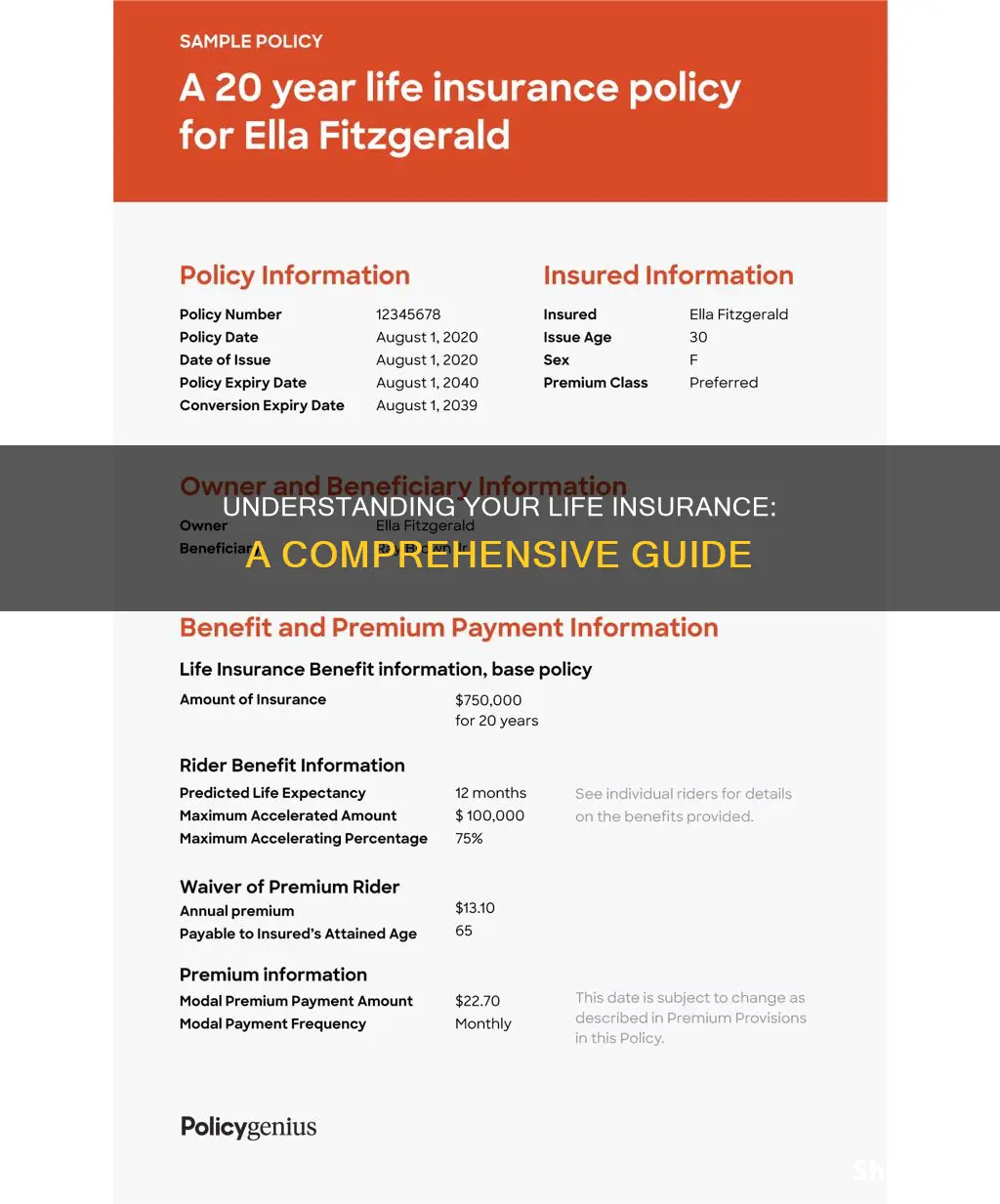
If you are looking to access your life insurance funds, the most reliable first step is to request an "in-force illustration" from your insurance provider. This document will show you the exact current cash value, the available loan amount, the surrender charges, and the projected impact on your death benefit for any proposed transaction. Always review your original policy contract, as terms vary significantly between insurers and specific product versions issued in different years. If your financial situation is distressed, discuss these options with a licensed professional to ensure you are not sacrificing a necessary financial shield for short-term liquidity.
Image Gallery