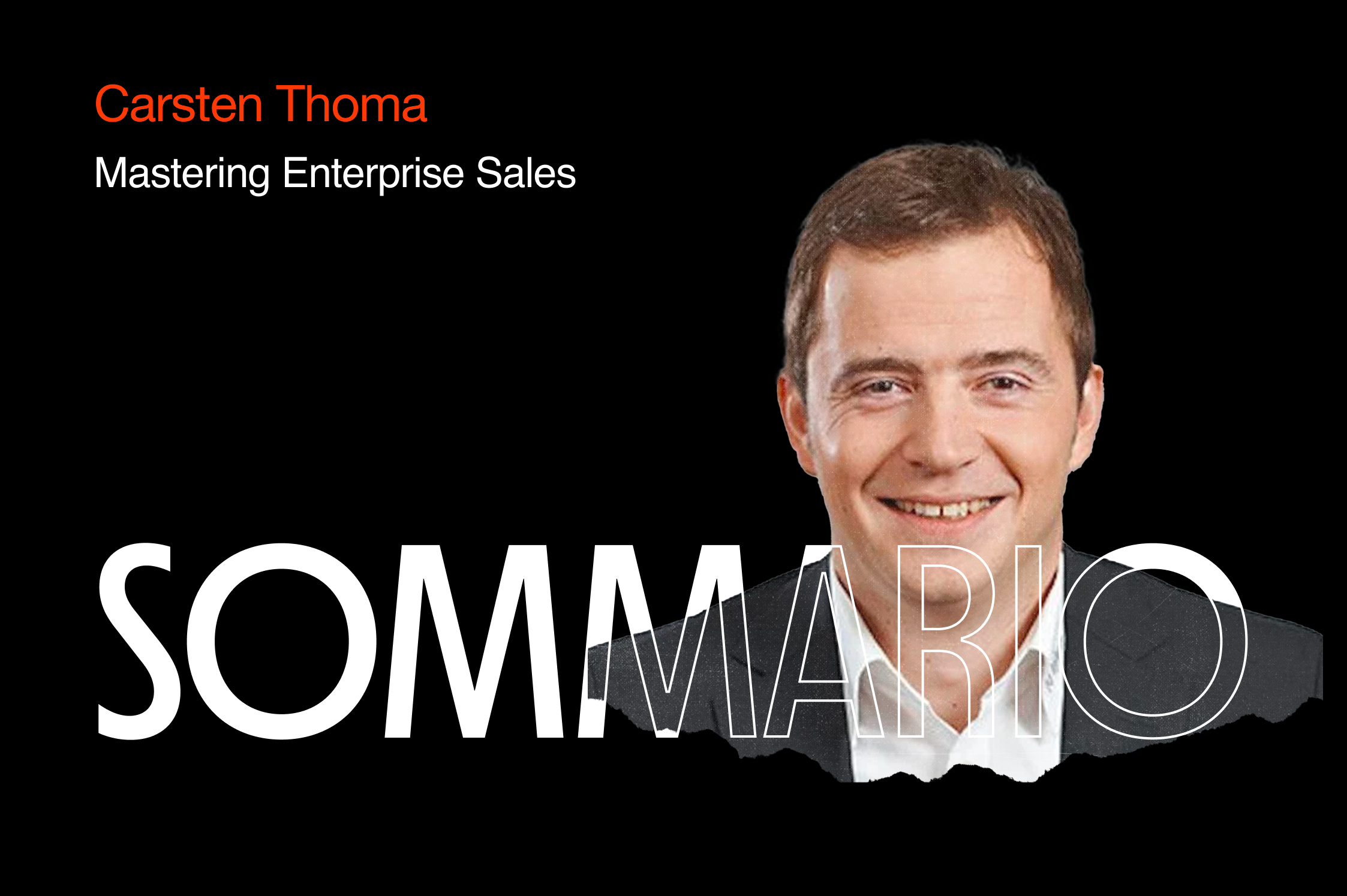
Carsten Thoma Net Worth: How the Hybris Co-Founder Built His Tech Fortune
Carsten Thoma's estimated net worth ranges between $200 million and $500 million. The majority of his wealth originates from co-founding the e-commerce software pioneer Hybris, which was acquired by SAP in 2013 for approximately $1.5 b...
Carsten Thoma's estimated net worth ranges between $200 million and $500 million. The majority of his wealth originates from co-founding the e-commerce software pioneer Hybris, which was acquired by SAP in 2013 for approximately $1.5 billion, alongside extensive angel investments in high-growth enterprise software companies like Celonis.
Contents
Early Career and the Genesis of Hybris
Carsten Thoma is widely recognized as one of Europe’s most successful enterprise software entrepreneurs. Long before the European startup ecosystem achieved global prominence, Thoma recognized the transformative potential of institutional e-commerce for global enterprise clients. In 1997, alongside co-founders in Germany, he established Hybris, an omni-channel e-commerce and customer data platform.
During the late 1990s and early 2000s, building B2B software in Europe posed distinct challenges compared to Silicon Valley. Venture capital availability was scarce, requiring the founding team to maintain relentless operational discipline. Thoma served in key executive leadership roles, including President and Chief Operating Officer, shaping the company’s product strategy, international expansion, and enterprise sales organization.
Under his operational direction, Hybris evolved from a regional software provider into a global enterprise standard. The platform enabled complex multinational corporations to manage unified commerce operations across web, mobile, and physical touchpoints. Key milestones during this growth phase included:
- Global Expansion: Establishing headquarters in both Munich, Germany, and Switzerland, followed by aggressive expansion into North American and Asian markets.
- Architectural Innovation: Shifting early on toward modular, highly scalable software architecture capable of handling high-volume transaction processing for Fortune 500 clients.
- Strategic Capital: Securing strategic institutional investments, including growth capital from Huntsman Gay Global Capital (HGGC) in 2011, which valued the company prior to its final sale.
The Landmark SAP Acquisition of Hybris
The defining transaction in Carsten Thoma’s core wealth creation occurred in June 2013, when German enterprise software giant SAP SE announced its acquisition of Hybris. The transaction closed at a valuation of approximately $1.5 billion (€1.1 billion to €1.2 billion at contemporary exchange rates).
- Hybris Founding (1997)
- HGGC Private Equity Investment (2011)
- SAP Acquisition ($1.5B, 2013)
- SAP Hybris Leadership (2013-2018)
At the time of the buyout, the $1.5 billion acquisition represented one of the largest private tech acquisitions in European software history. As a primary founder and major equity holder, Thoma realized a substantial liquid payout upon closing.
Following the acquisition, Thoma remained with SAP to integrate the platform, assuming the role of President of SAP Hybris (later rebranded under SAP Customer Experience). Over his five-year tenure post-acquisition, he expanded the business unit significantly, growing annual revenues and integrating Hybris into SAP's broader core enterprise application ecosystem. He officially stepped down from his executive role at SAP in early 2018 to focus on private investments and venture mentorship.
Post-SAP Career: Angel Investing and Portfolio Building
Following his departure from SAP, Carsten Thoma transitioned into an active angel investor, venture advisor, and board member across the technology ecosystem. Rather than launching a generic venture firm, he focused his capital and advisory efforts on high-margin, enterprise software-as-a-service (SaaS) platforms, infrastructure technologies, and operational automation.
Thoma’s investment strategy relies heavily on operational domain expertise. Having scaled a complex software platform from scratch to a billion-dollar exit, he provides portfolio founders with strategic go-to-market execution, enterprise sales structure, and internationalization guidance.
Major Investment Focus Areas
- Process Mining and Execution Management: Early strategic investments in platforms designed to analyze, automate, and optimize enterprise operational workflows.
- Next-Generation B2B SaaS: Backing business software startups across Europe and North America operating in supply chain, customer intelligence, and developer tooling.
- Venture Capital Funds: Acting as a Limited Partner (LP) and strategic advisor across multiple tier-one European and global venture funds.
Executive Leadership at Celonis
In May 2023, Carsten Thoma stepped back into an active operational leadership role by accepting the appointment of President at Celonis. Celonis, founded in Munich, is the global market leader in process mining and execution management software, backed by top-tier global venture firms and financial institutions.
Before taking on the presidency, Thoma had been involved with Celonis as one of its earliest angel investors and board advisors, helping guide the founders through critical scaling phases. Celonis achieved a valuation exceeding $13 billion during its major funding rounds, making it one of Europe’s most valuable private software unicorns.
His dual role as an early equity holder and key executive at Celonis represents a significant secondary driver of his total net worth. As President, Thoma oversees global operations, strategic expansion, and ecosystem development, positioning the company for its eventual public market debut or long-term market dominance.
Financial Profile & Wealth Drivers
Carsten Thoma's financial assets are distributed across private liquidity, equity stakes in high-valuation technology companies, real estate, and venture capital allocations. Because Thoma is a private investor and executive rather than a director of a public firm reporting daily SEC disclosures, total net worth figures are derived from transaction data, historic acquisition payouts, and private funding valuations.
| Career Milestone / Entity | Role | Financial Significance & Impact | Primary Asset Type |
|---|---|---|---|
| Hybris Software | Co-Founder & President | Acquired by SAP in 2013 for ~$1.5 Billion | Liquid Proceeds / Realized Exit |
| SAP SE | President, SAP Hybris | Senior Executive compensation, stock grants (2013–2018) | Public Equity & Executive Salary |
| Celonis | Early Investor, Board Member, President | Valued at over $13 Billion in private capital rounds | Private Equity / Early-Stage Venture |
| Venture & Angel Portfolio | Strategic Angel Investor | Multi-asset portfolio in global enterprise SaaS companies | Early-Stage Private Equity |
Valuation Factors: Understanding Private vs. Public Net Worth Estimates
Determining the precise financial standing of tech leaders like Carsten Thoma requires analyzing the structural differences between public stock holdings and private venture capital holdings.
Realized Liquidity vs. Unrealized Paper Wealth
The $1.5 billion sale of Hybris provided direct, realized capital. Unlike founders whose net worth fluctuates daily based on public stock market movements, a substantial portion of Thoma’s initial wealth was locked in through a cash and stock enterprise acquisition by SAP.
Conversely, his equity holdings in private unicorns such as Celonis are subject to private market valuation adjustments. Private equity valuations depend on liquidity preference structures, prevailing market multiples for software companies, and secondary market pricing.
Tax Structures and Fund Commitments
Gross transaction payouts do not directly equate to personal bank balances. Founder payouts from major acquisitions are subject to jurisdictional corporate taxes, advisory fees, investor preferred share distributions, and capital reinvestment allocations. Furthermore, active tech investors distribute significant capital into illiquid fund structures that yield capital returns over 7-to-10-year horizons.
Disclaimer: Financial figures and net worth estimates presented in this analysis are based on public transaction filings, company press releases, venture funding reports, and standard industry valuation metrics. They represent financial estimates for analytical purposes and should not be considered official legal tax or financial audits.
Strategic Takeaways from Carsten Thoma’s Wealth Building Strategy
Thoma’s accumulation of wealth provides clear operational lessons for enterprise founders and technology investors seeking to build scalable enterprise value.
- Focus on Deep Enterprise Infrastructure: Rather than chasing volatile consumer application trends, Thoma built and invested in critical B2B software infrastructure that generates high recurring revenue and deep customer retention.
- Patience in Capital Efficiency: Hybris operated for over a decade before its major liquidity event, prioritizing sustainable revenue growth and market positioning over short-term public listings.
- Reinvesting Domain Expertise: Following his primary liquidity event, Thoma recycled capital into companies where he possessed distinct operational domain knowledge, maximizing risk-adjusted investment returns.
- Active Operator-Investor Hybrid Model: Combining passive venture capital investment with active leadership roles—as demonstrated by his return to operational management at Celonis—allows experienced founders to protect and expand their equity stakes significantly.
Frequently Asked Questions
How did Carsten Thoma make his money?
Carsten Thoma accumulated his wealth primarily through co-founding Hybris, an enterprise e-commerce software company that was acquired by SAP in 2013 for approximately $1.5 billion. He subsequently expanded his wealth through early-stage angel investments in tech unicorns like Celonis and high-level executive compensation.
What is Carsten Thoma's current role at Celonis?
Carsten Thoma serves as the President of Celonis, having been appointed in May 2023. He previously served as an early investor and long-time strategic advisor to the process mining platform's founding team.
How much was Hybris sold for to SAP?
SAP acquired Hybris in June 2013 for approximately $1.5 billion (roughly €1.1 billion to €1.2 billion). It became the cornerstone of SAP's customer experience and commerce suite.
Is Carsten Thoma listed on the Forbes Billionaires Index?
Carsten Thoma is not currently listed on the official Forbes World's Billionaires list, as much of his current holdings remain in private companies and equity investments. However, business publications estimate his net worth in the multi-hundred-million-dollar range.
What types of companies does Carsten Thoma invest in?
Thoma primarily invests in B2B enterprise software, software-as-a-service (SaaS) platforms, process mining, execution management, and industrial digital transformation technologies.
Recommended Next Steps
For tech entrepreneurs, venture investors, and software executives looking to apply the enterprise scaling strategies demonstrated by Carsten Thoma:
- Study Enterprise Go-To-Market Execution: Analyze how Hybris structured its international sales expansion prior to the 2013 SAP buyout to understand B2B market penetration.
- Evaluate Process Mining Technologies: Review whitepapers and platform documentation from Celonis to understand modern process mining, operational transparency, and workflow execution management.
- Track Private SaaS Valuations: Monitor quarterly venture capital reports from institutions like PitchBook or Crunchbase to stay informed on enterprise software multiples and exit dynamics.
Image Gallery