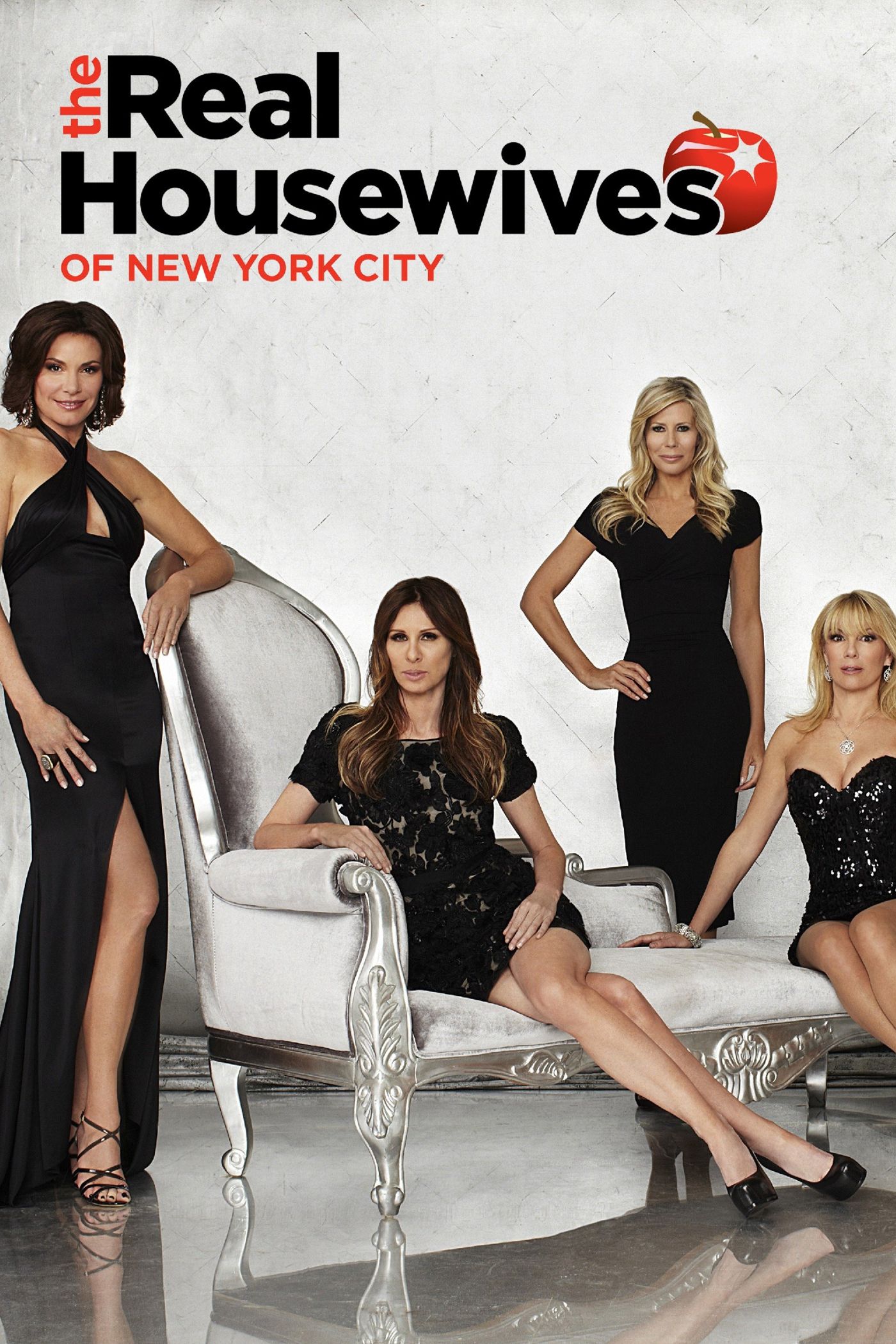
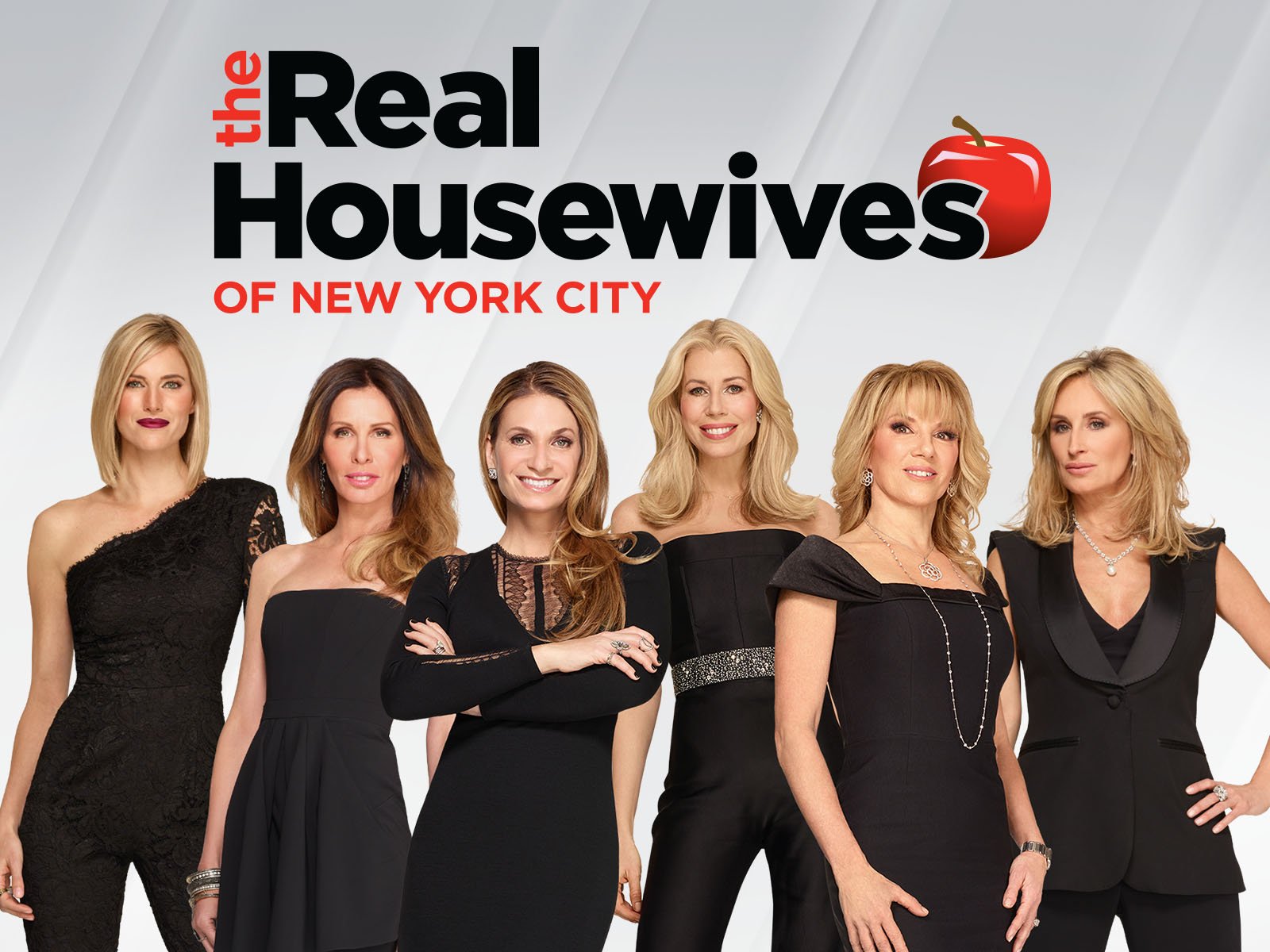
Why the Worst Housewives Still Dominate Reality TV
Antagonistic, controversial, and deeply flawed cast members continue to dominate The Real Housewives franchise and reality television because they drive the emotional friction and narrative momentum essential for unscripted drama. Thei...
Antagonistic, controversial, and deeply flawed cast members continue to dominate The Real Housewives franchise and reality television because they drive the emotional friction and narrative momentum essential for unscripted drama. Their presence sparks psychological phenomena like schadenfreude, fuels viral social media algorithms, and generates high viewer engagement through outrage, debate, and parasocial fascination.
Contents
The Psychology of Hate-Watching and High-Arousal Engagement
At the core of why polarizing reality figures retain their dominance is human media psychology. Audiences often assume that television success relies on affection—that viewers tune in primarily to support characters they like. In unscripted ensemble television, however, negative emotional arousal frequently yields higher viewer retention and stronger brand engagement than passive admiration.
Media researchers categorize this dynamic through the framework of schadenfreude—the psychological pleasure derived from observing the misfortunes, flaws, or moral lapses of others, particularly those of high social or economic status. When cast members display extreme vanity, lack of self-awareness, or unethical behavior, viewers experience a subtle form of moral superiority. Watching privileged individuals navigate self-inflicted interpersonal crises offers audiences emotional catharsis without real-world consequences.
Furthermore, high-arousal emotions such as indignation, shock, and moral outrage activate neurological responses that make content sticky. A polite dinner party in Beverly Hills or Atlanta makes for pleasant background viewing, but a confrontational argument featuring elevated voices, personal betrayals, or absurd claims demands full visual and auditory attention. Network executives and casting directors recognize that love and intense dislike are two sides of the same economic coin: both compel viewers to set DVRs, stream episodes on launch day, and join live digital conversations.
Narrative Architecture: The Villain as the Unscripted Story Engine
From a structural standpoint, unscripted television relies on conflict to move its plot forward. In a scripted drama, writers craft antagonists to test the heroes, force difficult choices, and escalate dramatic tension. In reality television, where there are no formal scripts, the cast members themselves must generate those stakes.
Polite, empathetic, and highly self-conscious cast members rarely make effective narrative catalysts. They seek compromise, apologize quickly, and attempt to resolve misunderstandings quietly off-camera. While these traits make for pleasant real-life friends, they create flat television. Conversely, the so-called "worst" housewives operate as narrative disruptors:
- Boundary Dissolution: They cross unspoken social norms by bringing up personal secrets, financial rumors, or legal troubles on camera.
- Refusal to Concede: They escalate minor disagreements into multi-episode feuds by refusing to accept standard apologies.
- Ensemble Polarization: They force neutral cast members to take sides, turning isolated arguments into house-wide or group-wide rivalries.
Without an active disruptor, an unscripted series quickly devolves into a series of sponsored trips, promotional product launches, and rehearsed small talk. The antagonist provides the friction required for the rest of the ensemble to react, bond, or reveal their own true characters. In essence, the "villain" performs the heavy narrative lifting that allows fan-favorite cast members to look reasonable and relatable by comparison.
Archetypes of Controversial Housewives and Their Screen Impact
To understand why network producers consistently renew controversial figures season after season, it helps to examine the specific behavioral patterns that define them. Not all antagonisms operate the same way on screen; distinct archetypes trigger unique audience reactions and structural dynamics.
| Archetype | Primary Behavioral Trait | Psychological Function for Audience | Operational Value for Production | Notable Examples |
|---|---|---|---|---|
| The Unapologetic Agitator | Direct confrontation, public calling-out, zero filter. | Validation of audience suspicions; direct conflict catharsis. | Forces hidden feuds into the open; creates instant episode climaxes. | Lisa Rinna, Kenya Moore |
| The Delusional Narcissist | Grandiose self-perception, complete lack of self-awareness. | Humorous moral superiority and comedy of manners. | Provides unintentional comic relief alongside dramatic friction. | Luann de Lesseps, Ramona Singer |
| The Legal / Financial Maverick | Entangled in real-world lawsuits, indictments, or debt. | Morbid curiosity and true-crime fascination. | Merges tabloid news with unscripted reality television. | Teresa Giudice, Jen Shah, Erika Jayne |
| The Pot-Stirring Tactician | Subtle manipulation, proxy conflicts, strategic gossip. | Intellectual engagement in analyzing ensemble politics. | Sustains multi-season storylines and complex group alliances. | Ashley Darby, LVP (Lisa Vanderpump era) |
The Social Media Feedback Loop and Algorithmic Virality
The shift from linear television to multi-platform digital consumption has amplified the value of controversial cast members. Today, a reality show's footprint extends far beyond its initial 42-minute broadcast window. Clips, soundbites, screen grabs, and meme templates circulate constantly across TikTok, X (formerly Twitter), Instagram Reels, and Reddit.
The algorithms governing modern social media platforms prioritize engagement metrics, specifically shares, comments, quote-tweets, and watch time. Content that evokes strong moral disagreement or comedic disbelief generates far more user activity than neutral content:
- Meme Culture and Reaction Assets: Extreme expressions, dramatic gasps, or unhinged statements are quickly converted into reaction GIFs and viral audio tracks. A 5-second clip of an aggressive argument can rack up tens of millions of views on TikTok, serving as free promotional material for the franchise.
- Community Discourse and Debates: Controversial cast members split the fandom into opposing factions. Live-tweeting during episodes creates trending topics, while podcast recaps and YouTube commentary channels thrive on dissecting toxic behaviors.
- Algorithmic Preference for Friction: Platforms reward polarizing figures because their posts naturally become debate forums. When a divisive housewife posts on social media, the comment section becomes a battlefield between defenders and critics, signaling to platform algorithms that the content deserves broader distribution.
This algorithmic amplification creates a feedback loop: producers notice which cast members generate the highest digital footprint and subsequently grant them more screen time, bigger storylines, and higher compensation during contract renegotiations.
The Real-World Stakes Paradox: Scandals, Indictments, and Ratings
One of the most compelling reasons controversial figures dominate reality television is the unpredictable intersection of unscripted entertainment and real-world consequences. Over the past decade, The Real Housewives franchise transformed from a study in suburban wealth into an unexpected chronicle of federal indictments, white-collar financial crimes, high-profile divorces, and legal battles.
When a cast member faces authentic legal trouble—such as federal fraud charges or bankruptcy filings—the stakes of the show dramatically escalate. The artificial friction of dinner-table etiquette gives way to raw human crises. Viewers tune in to watch several distinct dynamics play out:
- The Mask Slipping: Audiences want to see how individuals who projected immense wealth and perfection handle public exposure and legal accountability.
- Authentic Interpersonal Strain: Real-world legal issues force genuine reactions from fellow cast members, who must decide whether to offer public support, distance themselves for brand safety, or actively question the accused on camera.
- The In-Real-Time Mystery: Because production often coincides with ongoing legal proceedings, viewers experience the unfolding legal drama concurrently with news headlines, creating a hybrid format between documentary and docuseries.
Shows that feature cast members under intense real-world scrutiny consistently achieve peak ratings and sustained social media discussion. The voyeuristic thrill of witnessing real systemic and legal consequences within a luxury environment remains one of reality TV's most powerful draws.
Production Mechanics: Balancing Entertainment with Toxicity
While controversial figures are essential to the reality TV economy, networks face a constant challenge in managing them. There is a precise operational line between entertaining conflict and unwatchable toxicity. When a cast member shifts from an amusing agitator to a genuinely abusive, discriminatory, or destabilizing presence, the show risks alienating both its core audience and corporate advertisers.
Production teams manage this delicate balance through specific structural interventions:
- Audience Fatigue / Toxic Behavior
- Production Assessment
- Targeted Editing (Rebalance screen time, add counter-narratives)
- Format Intervention (Cast additions, pause, or cast reboot)
Producers utilize several techniques to manage polarizing talent:
- Counter-Balancing Ensemble Casts: Casting directors intentionally pair extreme personalities with grounded, relatable "voice of reason" figures. This structure gives the audience an onscreen proxy through which to process the antagonist's absurd behavior.
- The Edit as a Reality Check: Frame-by-frame editing choices, such as inserting instant flashbacks that contradict a liar's claims or featuring satirical lower-third graphics, allow production to poke fun at cast members while signaling to the audience that the network does not condone their delusions.
- Strategic Pauses and Reboots: When group dynamics become so fractured that the ensemble refuses to film together naturally, networks will put a franchise on pause or execute a complete cast reboot. This resets the social dynamic and prevents the show from becoming unwatchable due to entrenched malice.
Frequently Asked Questions
Why do networks keep casting people who are universally disliked by viewers?
Networks prioritize overall viewer engagement, retention, and social media activity over universal approval. Polarizing figures provoke strong emotional reactions—including anger, moral outrage, and debate—which drive higher live ratings, digital streaming, and social sharing than agreeable cast members who generate little friction.
Is the bad behavior on The Real Housewives genuine or staged for the cameras?
While production teams create scenarios, seatings, and event themes designed to maximize potential conflict, the underlying personalities, emotional reactions, and personal feuds are generally unscripted. Experienced cast members often amplify their natural personality traits or bring up dormant gossip specifically to secure their screen time and contract renewals.
What causes a controversial housewife to finally get fired or paused?
Cast members are typically let go or put on pause when their behavior crosses specific boundaries: violating network standards regarding discrimination or hate speech, refusing to interact or film with co-stars, becoming too litigious with the network, or causing significant advertiser boycotts that hurt the show's financial viability.
How has social media changed the way villains operate on reality TV?
Social media has turned reality TV antagonism into a full-time, multi-platform performance. Modern cast members continue feuds on podcasts, Instagram live streams, and X between seasons. This constant digital presence keeps their storylines active year-round, increasing their leverage during production contract negotiations.
Do reality TV villains usually benefit financially from their bad reputations?
Yes, in many cases. High visibility—even when driven by negative press—often leads to lucrative opportunities including podcast network deals, sponsored brand partnerships, paid public appearances, tell-all book deals, and invitations to join spin-off shows or competitive reality series like The Ultimate Girls Trip or The Traitors.
Strategic Viewing: Analyzing Reality Television as Cultural Media
For viewers, media critics, and pop-culture analysts, understanding the mechanics of reality TV villains transforms the viewing experience from simple consumption into active media literacy. Rather than absorbing conflict at face value, seasoned viewers can track how production narratives are constructed and operationalized.
To gain a clearer perspective on the genre's mechanics, consider these analytical steps while watching:
- Identify the Catalyst: In any given scene, observe who introduces controversial topics, asks uncomfortable questions, or breaches social etiquette. Recognize that this individual is often carrying out production goals to ensure the scene delivers dramatic value.
- Analyze the Frame: Pay attention to music cues, editing cuts, and confessional placement. Notice how production uses irony, silence, and reaction shots to signal whether a cast member's behavior should be viewed as dramatic, heroic, or absurd.
- Separate Online Persona from On-Screen Edit: Differentiate between a cast member's behavior during a structured 42-minute episode and their self-directed behavior across social media platforms. Observe how digital outrage is leveraged for commercial opportunities outside the network.
By recognizing the psychological, structural, and economic incentives behind reality TV antagonism, audiences can appreciate the complex entertainment machinery that keeps these polarizing figures at the center of modern popular culture.
Image Gallery