Me and 23andMe DNA: How One Test Can Shape Your Health, Ancestry, and Future
A single 23andMe direct-to-consumer (DTC) DNA test can provide transformative insights into your heritage, wellness traits, carrier status, and genetic health predispositions. By analyzing single nucleotide polymorphisms (SNPs) from a...
A single 23andMe direct-to-consumer (DTC) DNA test can provide transformative insights into your heritage, wellness traits, carrier status, and genetic health predispositions. By analyzing single nucleotide polymorphisms (SNPs) from a simple saliva sample, this test empowers individuals to make informed lifestyle modifications, explore biological origins, and initiate proactive conversations with clinical healthcare providers.
Contents
What a 23andMe DNA Test Can—and Cannot—Reveal
Direct-to-consumer genetic testing has evolved from a novelty item into a component of personal health management and genealogical research. Understanding what a 23andMe test examines is essential for setting realistic expectations and utilizing the results effectively.
The Underlying Technology: Targeted Genotyping vs. Sequencing
23andMe utilizes targeted single nucleotide polymorphism (SNP) microarray genotyping rather than Whole Genome Sequencing (WGS) or Whole Exome Sequencing (WES). The test reads specific points of variation across your DNA to identify known genetic markers associated with particular traits, ancestry populations, and health conditions.
Because genotyping reads predefined spots rather than every base pair in your genome, it acts as a focused screening tool. It does not scan every single nucleotide of every gene for rare, custom variants.
| Method | Scope | Primary Purpose |
|---|---|---|
| SNP Genotyping | Targeted spots (~1M) | Screening/Ancestry |
| Whole Exome (WES) | Protein coding genes | Rare disease dx |
| Whole Genome (WGS) | Entire DNA sequence | Comprehensive research |
Key Analytical Domains
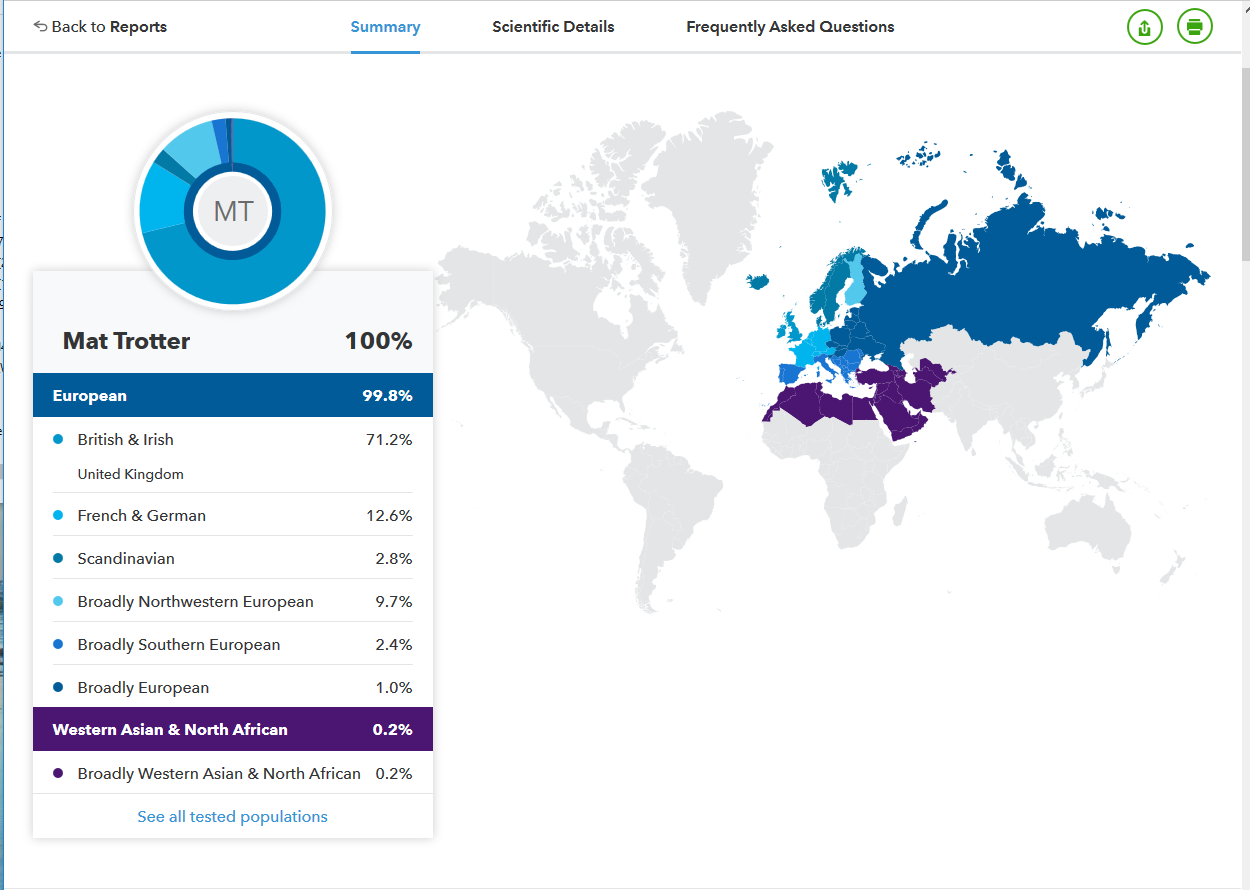
- Ancestry & Ethnicity Composition: Maps your DNA to global reference populations across hundreds of regions, helping trace historical biogeographical origins and maternal/paternal haplogroups.
- Genetic Health Risks: Identifies FDA-cleared variants linked to elevated risks for conditions such as Late-Onset Alzheimer's disease, Parkinson's disease, hereditary breast and ovarian cancer (BRCA1/BRCA2), and hereditary hemochromatosis.
- Carrier Status: Determines whether you carry a single copy of a genetic variant for autosomal recessive conditions (e.g., Cystic Fibrosis, Sickle Cell Anemia, Tay-Sachs disease) that could be passed to offspring.
- Wellness and Physical Traits: Analyzes genetic factors influencing caffeine metabolism, lactose tolerance, deep sleep quality, muscle fiber composition, and physical features.
Clinical Distinctions: Direct-to-Consumer Screening vs. Diagnostic Testing
A 23andMe test is an informational screening tool, not a diagnostic medical report. A "variant detected" result indicates an increased risk or carrier status, not an absolute diagnosis of disease. Conversely, a "variant not detected" result does not guarantee the complete absence of disease risk, as the test screens only for specific selected variants rather than all possible mutations in a given gene.
The Four Primary Ways a Single DNA Test Shapes Your Life
Taking a personal genetic test can yield insights that impact personal wellness, medical planning, identity, and family dynamics.
1. Proactive Personal Health Management
Discovering genetic predispositions allows individuals to take preventive measures years before symptoms appear. For instance, learning of an elevated risk for Type 2 Diabetes or hereditary high cholesterol (Familial Hypercholesterolemia) enables early intervention through personalized dietary strategies, regular clinical monitoring, and routine biometric screenings.
Disclaimer: Consumers should never alter prescribed medical regimens or initiate treatment based on direct-to-consumer test results without consulting a licensed physician.
2. Informed Family Planning and Inherited Risk Awareness
For couples planning a family, carrier status screening offers critical information. If both partners carry a variant for the same autosomal recessive disorder, their children have a 25% chance of inheriting the condition. Identifying these risks early provides opportunities to consult genetic counselors, explore pre-implantation genetic testing (PGT) alongside in vitro fertilization (IVF), or arrange specialized pediatric care prior to delivery.
3. Identity, Biological Heritage, and Relative Connections
The DNA Relatives feature provides access to an opt-in database of biological relatives. This functionality can reshape life paths by:
- Identifying unknown biological parents, siblings, or extended family members.
- Resolving adoption records or donor-conception origins.
- Uncovering migration histories and ancestral lineages across centuries.
4. Pharmacogenetics and Lifestyle Optimization
Certain versions of DTC genetic reports offer insights into pharmacogenetics—how specific genes influence your liver's metabolic processing of common medications. Knowledge of variants affecting enzymes like CYP2C19 can help clinicians tailor medication dosing and selection for cardiovascular drugs, antidepressants, and pain relievers, minimizing adverse drug reactions.
Service Comparison: Ancestry + Traits vs. Health + Ancestry
Choosing the right testing package depends on whether your goal is centered purely on genealogy or includes personal medical screening.
| Feature / Capability | Ancestry + Traits Service | Health + Ancestry Service | 23andMe+ Premium Membership |
|---|---|---|---|
| Ancestry Composition & Haplogroups | Included | Included | Included |
| DNA Relative Finder | Included | Included | Included |
| Physical Traits & Wellness Reports | Included (30+ traits) | Included (30+ traits) | Included (30+ traits) |
| Genetic Health Risk Reports | Excluded | Included (FDA-cleared) | Expanded access to new reports |
| Carrier Status Reports | Excluded | Included (40+ conditions) | Included |
| Pharmacogenetic Reports | Excluded | Included (Select variants) | Enhanced processing insights |
| Polygenic Risk Scores | Excluded | Excluded | Included (Heart disease, anxiety, etc.) |
| Best Suited For | Adoptees, genealogists, identity searchers | Individuals seeking general health awareness | Proactive health managers wanting ongoing insights |
Legal and Financial Implications: Privacy, GINA, and Insurance
Before submitting a DNA sample, consumers must consider the legal and privacy framework governing genetic data.
The Genetic Information Nondiscrimination Act (GINA)
In the United States, federal law provides baseline protection for genetic privacy under GINA.
- What GINA Protects: Employers (with 15 or more employees) and health insurance providers are prohibited from using genetic test results to deny employment, fire workers, or establish health insurance eligibility and premium rates.
- What GINA Does Not Cover: Life insurance, disability insurance, and long-term care insurance providers are exempt from GINA. These insurers can legally request access to your genetic test results or medical records when you apply for coverage and may alter rates or deny coverage based on flagged genetic risks.
| Insurance / Context | Protected by Federal GINA Law? |
|---|---|
| Health Insurance | YES (Cannot deny or raise rates) |
| Employment (15+ staff) | YES (Cannot discriminate/fire) |
| Life Insurance | NO (May evaluate genetic risk) |
| Disability Insurance | NO (May evaluate genetic risk) |
| Long-Term Care Insurance | NO (May evaluate genetic risk) |
Data Security, Ownership, and Third-Party Research
When registering a kit, consumers decide how their biological samples and digitized data are managed:
- Opt-In Research: You choose whether to allow anonymized genetic data to be used in aggregate scientific research and drug discovery initiatives.
- Sample Storage: You can opt to have your physical saliva sample destroyed after laboratory analysis or stored in a biobank for future processing.
- Account Deletion: Platforms permit users to delete their account and request data purging at any time, though data already processed into completed, anonymized research studies cannot be recalled.
From Raw Data to Actionable Insights: Step-by-Step Guidance
To maximize the practical value of your test while safeguarding your emotional and physical health, follow a structured workflow.
- Kit Collection & Online Registration
- Result Review & Variant Identification
- Clinical Confirmation via Diagnostic Lab (CLIA/CAP)
- Consult Board-Certified Genetic Counselor
- Actionable Preventative Health Plan with Primary Care Phys.
Step 1: Collection and Registration
Follow all saliva collection protocols carefully. Avoid eating, drinking, smoking, or chewing gum for 30 minutes prior to spitting into the tube. Ensure your kit code is registered to your secure online profile before mailing the package; unlinked samples cannot be processed by the lab.
Step 2: Interpreting the Result Dashboard
Distinguish clearly between Health Risk reports and Carrier Status reports:
- A positive Health Risk result means you carry a marker associated with increased personal odds of developing a condition.
- A positive Carrier Status result means you carry a gene copy for a recessive condition. It typically does not affect your own health, but carries implications for your prospective biological children.
Step 3: Clinical Validation and Medical Confirmation
Direct-to-consumer genotyping must not be used as the sole basis for clinical decisions. If a high-risk variant (such as a BRCA mutation or APOE e4 allele) is reported:
- Schedule a consultation with your primary care physician or a certified genetic counselor.
- Request a confirmatory diagnostic test performed via a Clinical Laboratory Improvement Amendments (CLIA)-certified and College of American Pathologists (CAP)-accredited clinical diagnostic laboratory.
- Use whole-gene sequencing or targeted diagnostic panels to verify raw data flags before making surgical, prophylactic, or diagnostic choices.
Step 4: Sharing Results with Biological Family
Genetic findings often carry implications for blood relatives. If a actionable mutation (e.g., Lynch Syndrome or BRCA) is confirmed diagnostically:
- Frame communication with relatives around shared health awareness.
- Encourage family members to share the specific variant findings with their own physicians to determine if targeted testing is indicated.
Common Pitfalls and Misconceptions
Navigating genomic data requires avoiding critical interpretation errors that can lead to unnecessary distress or a false sense of security.
False Sense of Security from "Negative" Screenings
A report showing "no variants detected" does not guarantee zero genetic risk. For instance, standard consumer tests screen for specific founder mutations in the BRCA1 and BRCA2 genes common in Ashkenazi Jewish populations. However, thousands of other mutations within the BRCA genes can cause hereditary breast and ovarian cancer. A negative result on a consumer screen leaves those other variants unexamined.
Unnecessary Panic Over Low-Penetrance Variants
Receiving a "variant detected" notification does not guarantee you will develop the associated disease. Genetic expression is mediated by penetrance (the probability that a gene variant will express its clinical phenotype), polygenic background factors, environmental exposures, diet, and lifestyle choices. Many high-prevalence markers carry low overall penetrance.
Hazards of Uploading Raw Data to Unregulated Third-Party Tools
Extracting raw genetic data files to upload into third-party analysis sites (such as Promethease or open-source health portals) carries risks:
- High False-Positive Rates: Clinical studies have demonstrated that raw data interpretations from third-party consumer tools exhibit high false-positive rates due to miscalled SNPs in raw files.
- Lack of Regulatory Oversight: Third-party interpretation utilities are not regulated by the FDA, lacking standardized clinical validation processes.
Frequently Asked Questions
How accurate are direct-to-consumer DNA health risk tests?
Analytical accuracy for detecting specified single nucleotide polymorphisms (SNPs) in high-quality consumer labs is very high (often exceeding 99%). However, clinical utility depends on coverage limits: because consumer screens test only a select sub-set of known variants rather than sequencing whole genes, a negative result cannot completely rule out genetic risk.
Can taking a 23andMe test affect my ability to get insurance?
Under GINA, federal law prevents health insurers and employers from using your genetic results against you. However, life insurance, disability insurance, and long-term care insurance providers are exempt from GINA regulations. If you apply for a new life or disability policy, insurers can ask about known genetic risks or request medical records that document consumer DNA test findings.
What is the difference between direct-to-consumer testing and clinical genetic testing?
Direct-to-consumer (DTC) tests are initiated by the consumer without a doctor's prescription, primarily for screening and educational purposes. Clinical genetic tests are ordered by healthcare providers, processed in accredited diagnostic facilities (CLIA/CAP), cover complete target gene sequences, and serve as valid foundations for medical diagnoses and treatments.
Will I be surprised by unexpected family discoveries?
It is common for users of the DNA Relatives feature to uncover unexpected biological relationships. These can include discovering non-paternity events, half-siblings, adoption history, or unknown extended family. Users have full administrative control to keep the DNA Relatives matching feature toggled off if privacy is preferred.
How does 23andMe protect my personal genetic data?
Genetic data is separated from personally identifiable information (such as your name and contact info) in internal databases. Data transmission uses encryption protocols, and biological samples are either destroyed or anonymized for biobank storage based on your explicit consent settings. Users retain rights to delete their accounts and request data destruction.
Next Steps for Testing Candidates
If you are considering a direct-to-consumer DNA test to explore your health, traits, and ancestry, follow this logical progression:
- Define Your Primary Objective: Select the basic Ancestry + Traits service if you are interested purely in genealogy, or the Health + Ancestry package if you want proactive screening for genetic health risks and carrier status.
- Review Life Insurance Needs: If you anticipate applying for new life, long-term care, or disability insurance policies, consider securing those policies prior to submitting genetic samples to avoid underwriting complications stemming from exempt policy rules.
- Manage Privacy Settings: When registering your kit online, carefully choose your preferences regarding the DNA Relatives database and third-party scientific research participation.
- Prepare for Clinical Follow-up: If your health reports return a flagged risk variant, download your official report and schedule a consultation with a certified genetic counselor or primary care physician to pursue confirmatory clinical testing before taking medical action.
Image Gallery