Navigating Foundation Repair Companies in Farmers Branch: A Homeowner’s Guide
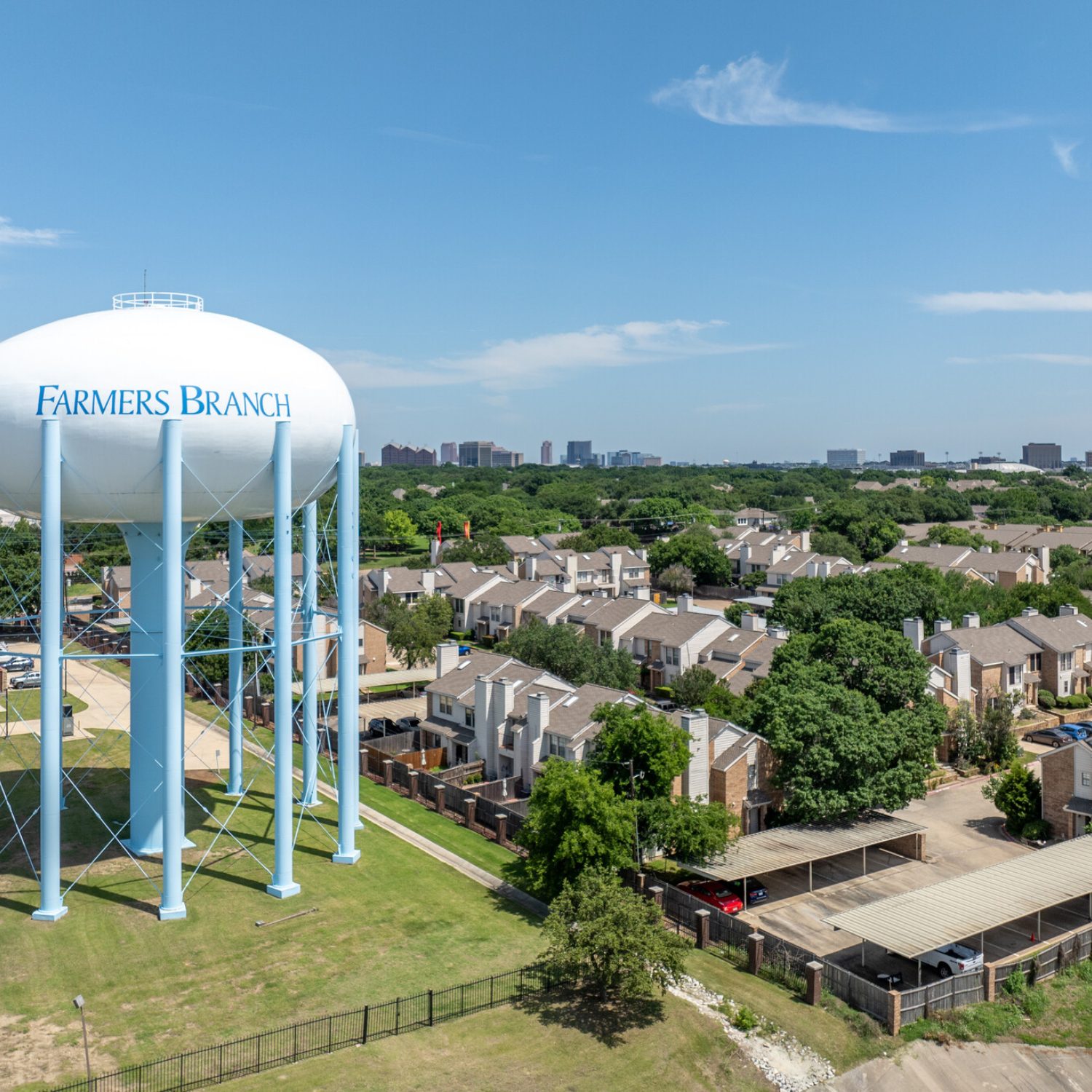
Homeowners in Farmers Branch, Texas, often face foundation challenges driven by the region's expansive clay-rich soil, which shifts significantly with fluctuating moisture levels. Choosing the right foundation repair company requires v...
Homeowners in Farmers Branch, Texas, often face foundation challenges driven by the region's expansive clay-rich soil, which shifts significantly with fluctuating moisture levels. Choosing the right foundation repair company requires verifying a firm’s engineering credentials, understanding the specific repair methods suitable for local geology—such as pressed pilings or steel piers—and ensuring the contractor provides long-term, transferable warranties backed by verifiable structural assessments.
Contents
Understanding the Geological Context of Farmers Branch
The foundation issues prevalent in Farmers Branch are largely a result of the North Texas environment. The area is characterized by heavy clay soils, known as "black gumbo" soil, which possesses high shrink-swell potential. During dry, hot summers, this soil loses moisture and shrinks, causing the foundation to settle downward. Conversely, during periods of heavy rain, the soil expands, exerting significant pressure upward against the slab.
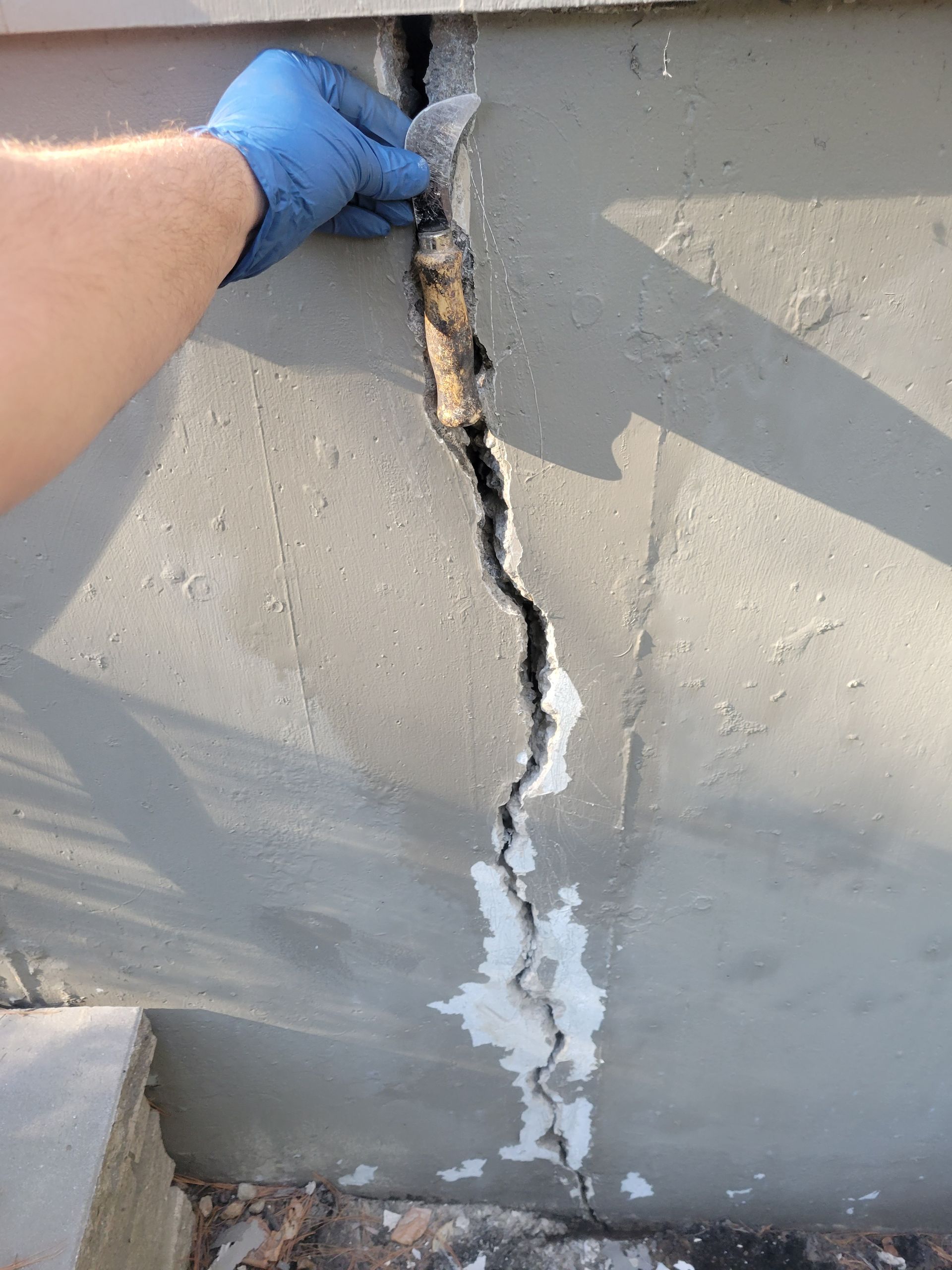
This constant cyclical movement creates stress that can result in cracks in brick veneer, windows that stick or fail to close, uneven flooring, and gaps between walls and ceilings. Because these conditions are systemic to the region, finding a reputable foundation repair company involves more than just selecting a service provider; it requires working with professionals who understand how to stabilize a structure against these specific soil dynamics.
Common Foundation Repair Methods
When interviewing companies in Farmers Branch, you will encounter several primary methodologies. Understanding the distinction between these methods is essential to determining which solution fits your home’s structural needs and your budget.
- Pressed Concrete Pilings: This is a common, cost-effective method used for slab-on-grade foundations. Concrete cylinders are driven into the ground until they reach a point of refusal or stable soil. While quick to install, they may be less effective in extremely deep-seated soil shifts compared to more invasive methods.
- Steel Piers: Considered the gold standard for long-term stability, steel piers are driven significantly deeper into the ground than concrete alternatives, reaching deep load-bearing strata. They are often recommended for homes with severe settling or those located in areas where soil moisture levels fluctuate wildly.
- Helical Piers: These are steel shafts with "helices" or screw-like plates that are torqued into the ground. These are particularly effective for lighter structures or areas where the soil conditions are inconsistent, as they provide both tension and compression resistance.
- Mudjacking or Polyurethane Injection: These methods involve injecting material under the foundation to fill voids. While these are useful for leveling slightly sunken concrete—such as a driveway or a specific section of a patio—they are generally not considered a permanent solution for major structural foundation failure.
Evaluating Potential Contractors
Before hiring a foundation repair company, perform due diligence to minimize the risk of recurring problems. A professional foundation contractor should provide a detailed assessment that is often—though not always—reviewed or signed by a structural engineer.
Verification Checklist
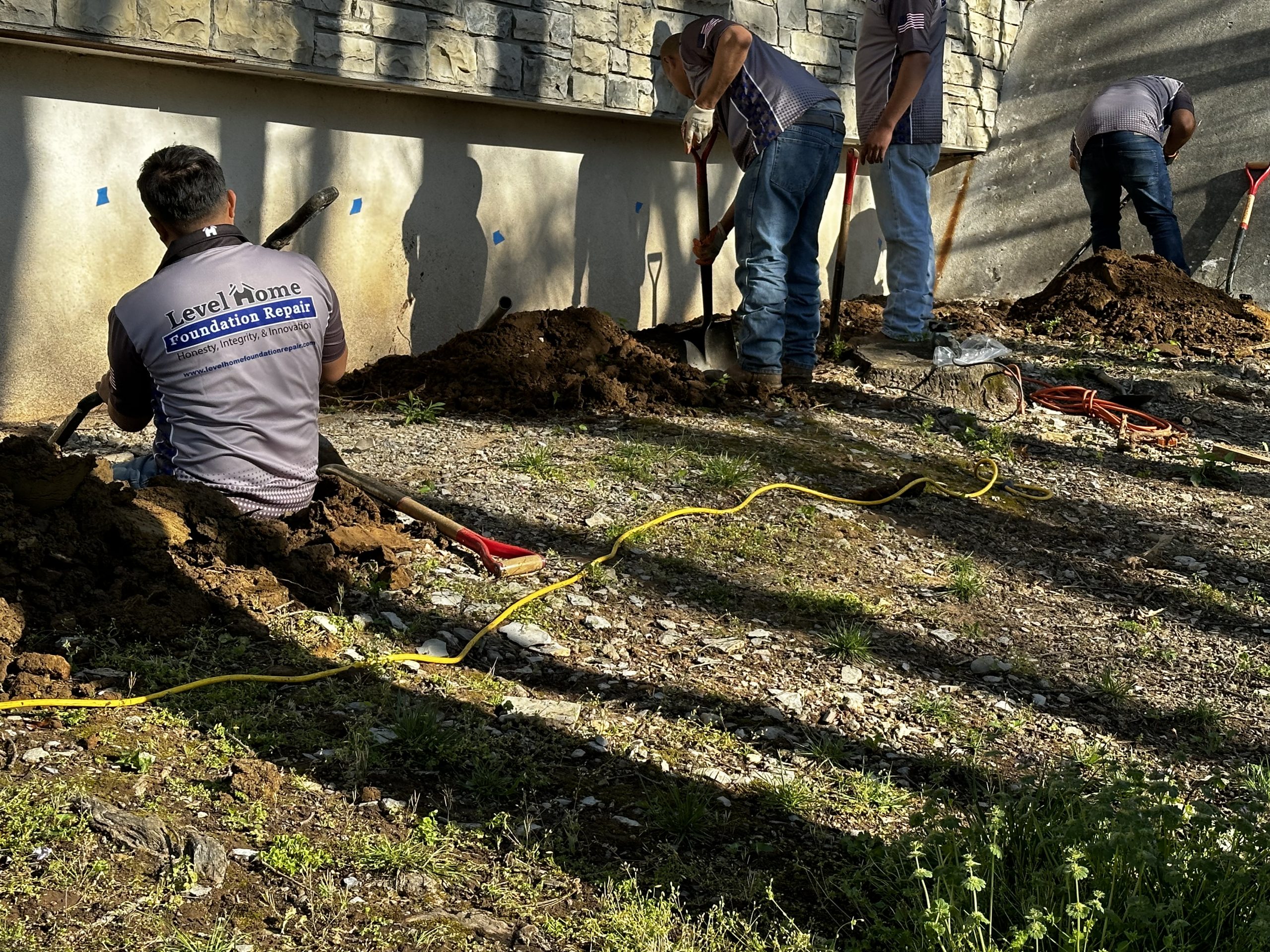
- Engineering Reports: Always prioritize companies that either employ a licensed structural engineer or work in close partnership with an independent third-party engineer. An independent engineer has no incentive to "sell" a repair and will provide an objective assessment of whether your foundation actually requires mechanical intervention.
- Licensing and Insurance: Verify that the company holds current general liability insurance. In Texas, while specific "foundation contractor" licenses are not issued by the state, you should confirm the business is registered with the Secretary of State and check for any complaints through the Better Business Bureau.
- Warranty Transparency: A reputable company should offer a warranty that covers the specific piers installed. Crucially, ask if the warranty is "transferable." If you intend to sell your home in the future, a transferable warranty is a significant selling point that can alleviate buyer concerns during the inspection phase.
- Local References: Request references specifically from neighborhoods within or near Farmers Branch. Soil conditions can vary slightly even within a few miles, and seeing a past project that has held up over several years provides evidence of the company’s workmanship.
Comparing Repair Approaches
| Method | Best For | Typical Durability | Cost Level |
|---|---|---|---|
| Pressed Piling | Minor to moderate settlement | Moderate | Lower |
| Steel Piers | Significant settlement, heavy structures | High | High |
| Helical Piers | Challenging soil, lighter loads | High | Moderate-High |
| Poly-Injection | Void filling, minor slab leveling | Low (Corrective) | Low |
Identifying When to Seek Repair
Not every crack in your drywall signifies a foundation failure. It is important to distinguish between "cosmetic settlement" and "structural movement."
Monitor your home for signs that indicate a professional evaluation is necessary:
- Diagonal Cracks: Cracks that run diagonally from the corners of windows or doors suggest structural shifting.
- Operational Issues: Doors or windows that suddenly become difficult to open or shut indicate that the frame has moved out of square.
- Floor Slope: If you can roll a marble across the floor and it consistently travels in the same direction, your foundation may be unlevel.
- Exterior Gaps: Observe the interface between your chimney and the house or the brick facade and the window frames. Visible gaps indicate that sections of the house are separating.
Working with Structural Engineers
One of the most effective ways to avoid being oversold on unnecessary repairs is to engage an independent structural engineer first. For a set fee, an engineer will visit your property, perform a floor level survey (often using a zip-level), and provide a written report outlining whether or not your foundation is experiencing movement beyond industry-standard tolerances. If they determine that repairs are needed, they can provide a scope of work that you can then present to contractors to obtain competitive, "apples-to-apples" bids.
Frequently Asked Questions
How much does foundation repair typically cost in Farmers Branch? Costs vary widely based on the number of piers required and the depth of the soil. While minor adjustments might cost a few thousand dollars, a full-perimeter stabilization can range from $10,000 to over $25,000. Always obtain at least three estimates based on a specific scope of work.
Does a cracked slab always mean the house is falling down? No. Concrete shrinks as it cures, leading to hairline cracks that are purely cosmetic. However, if the cracks are wider than an eighth of an inch, or if they show vertical displacement (one side is higher than the other), it warrants a professional inspection.
Can foundation repair be done during any season? Yes, but the best time for a professional assessment is often during a period of relative consistency in soil moisture. Repairs can be performed year-round, but be aware that extreme wet conditions can occasionally delay excavation work for safety reasons.
What is the difference between a contractor's warranty and an engineer's assessment? A contractor’s warranty guarantees their work (e.g., that the piers will not sink further), while an engineer's assessment serves as an objective diagnosis of the home’s health. They fulfill different, yet complementary, roles in the repair process.
Are there preventative measures to stop foundation movement? Yes. Moisture management is key. Maintaining a consistent soil moisture level around the perimeter of your home—using soaker hoses or improved drainage—can significantly reduce the severity of soil shrinking and swelling, which may prevent the need for future repairs.
Recommendation
Before committing to any contractor, start by monitoring your home’s symptoms over 30 days. If the signs persist, hire an independent structural engineer to provide a baseline report. Once you have a professional, objective diagnosis, contact three established foundation repair companies to bid specifically on the engineer's recommended plan. This process ensures you are paying for the work your home actually needs, rather than what a salesperson might suggest.
Image Gallery