What is Bulk Transport? A Comprehensive Guide to Industrial Logistics
Bulk transport is the specialized logistics process of moving large quantities of unpackaged, homogeneous goods from one location to another. Unlike containerized shipping or parcel delivery, where items are individually boxed or palle...
Bulk transport is the specialized logistics process of moving large quantities of unpackaged, homogeneous goods from one location to another. Unlike containerized shipping or parcel delivery, where items are individually boxed or palletized, bulk transport involves loading raw materials directly into the hold of a ship, a railcar, or a tanker trailer. This method is the backbone of global trade, enabling the efficient movement of essential commodities such as grain, crude oil, coal, and chemicals.
Contents
By eliminating the need for individual packaging, bulk transport significantly reduces costs and maximizes the volume of cargo moved in a single journey. As of 2026, the industry has shifted toward highly automated, data-driven systems that prioritize sustainability and precise weight management to meet global supply chain demands.
Understanding the Fundamentals of Bulk Transport
At its core, bulk transport is defined by the absence of secondary packaging. The cargo itself forms the mass that fills the transport vessel. This industry is generally divided into two major categories: dry bulk and liquid bulk.
The primary motivation for choosing bulk transport is economies of scale. When dealing with raw materials—where the value per unit of weight is relatively low—the cost of individual packaging would be prohibitive. For example, transporting 50,000 tons of iron ore in individual sacks would not only be labor-intensive but would also introduce unnecessary weight and waste. Bulk transport solves this by treating the entire vessel as the package.
In 2026, the efficiency of these operations is measured by "turnaround time"—the speed at which a vessel can be loaded, transported, and unloaded. Modern terminals utilize advanced sensors and automated conveyor systems to ensure that the "stowage factor" (the ratio of weight to volume) is optimized, preventing damage to the vessel and maximizing profitability.
Dry Bulk vs. Liquid Bulk: The Two Primary Classifications
To understand how bulk transport works, one must distinguish between the physical states of the commodities being moved. The equipment, safety protocols, and handling procedures differ drastically between dry and liquid goods.
Dry Bulk Cargo
Dry bulk refers to solid materials that are granular, particulate, or in lump form. These are usually dropped or poured into the holds of bulk carriers or hopper railcars.
- Major Bulks: This category includes the most high-volume commodities, such as iron ore, coal, and grain. These materials are fundamental to the global construction, energy, and food industries.
- Minor Bulks: This includes products like bauxite, fertilizers, cement, and forest products. While moved in smaller total volumes than major bulks, they require specialized handling to prevent contamination or moisture damage.
- Handling Requirements: Dry bulk requires protection from the elements. Moisture can cause grain to rot or ores to become unstable (liquefaction), which can dangerously shift the weight of a ship during transit.
Liquid Bulk Cargo
Liquid bulk involves the transportation of fluids in large tanks. This sector requires high levels of precision regarding temperature control and pressure management.
- Petroleum Products: This is the largest segment of liquid bulk, encompassing crude oil, gasoline, and diesel.
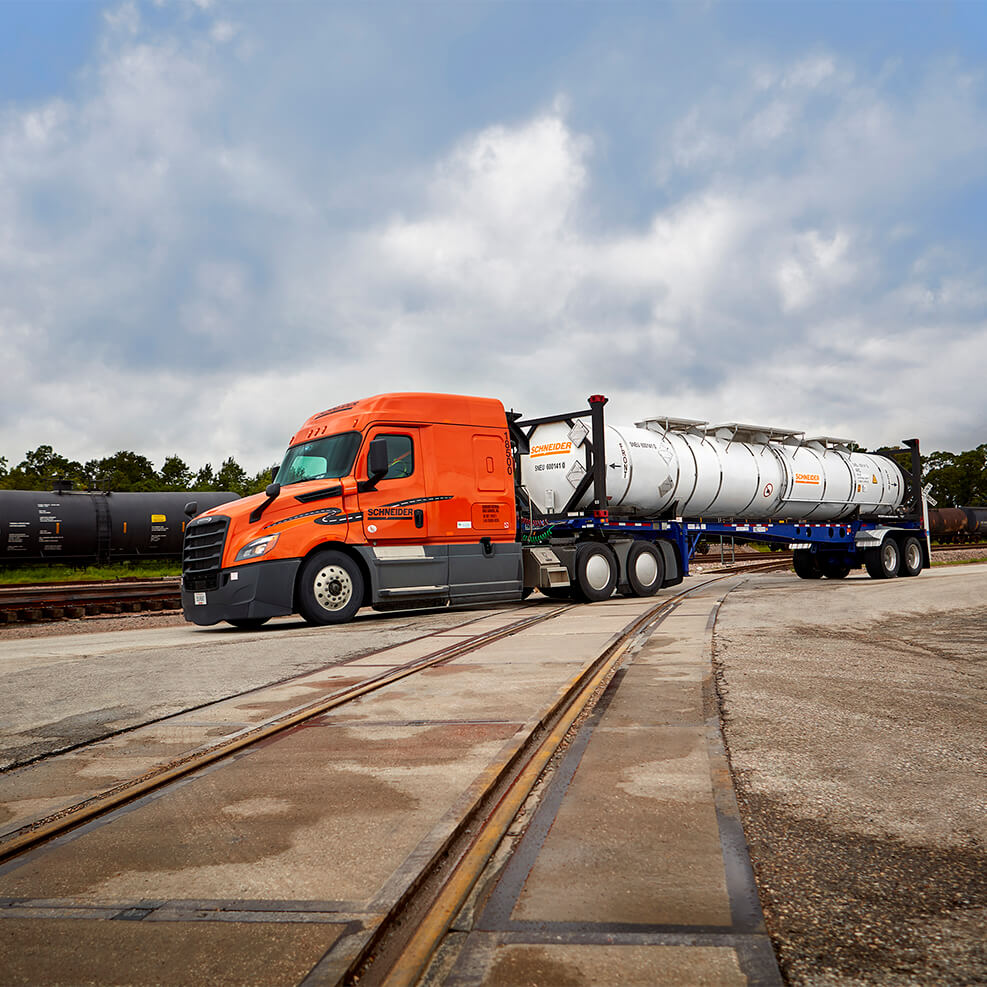
- Chemicals and Hazardous Materials: Transporting industrial chemicals requires specialized "ISO tanks" or lined tankers that resist corrosion and prevent leaks.
- Edible Liquids: Products like vegetable oil, wine, and milk are transported in food-grade stainless steel tanks that undergo rigorous cleaning (Type 3 cleaning) between loads to ensure hygiene.
Modes of Bulk Transportation
The choice of transport mode depends on the distance, the volume of the cargo, and the existing infrastructure at the points of origin and destination.
Maritime Bulk Transport
The vast majority of international bulk trade occurs via the ocean. Bulk carriers are massive ships designed with single-deck hulls and large hatches.
- Capesize Vessels: The largest ships, often too big for the Panama Canal, used primarily for iron ore and coal.
- Panamax and Handymax: Medium-sized vessels that offer more flexibility in terms of the ports they can enter.
- Specialized Tankers: Including Very Large Crude Carriers (VLCC) and Liquefied Natural Gas (LNG) carriers, which utilize cryogenic cooling to keep gas in a liquid state.
Rail Transport
Rail is the most efficient overland method for bulk goods. Unit trains—trains where every car carries the same commodity to the same destination—are commonly used for coal and grain. Railcars like "covered hoppers" protect dry goods from rain, while "tank cars" move everything from ethanol to sulfuric acid.
Road Transport (Trucking)
Trucks provide the "last-mile" solution or serve shorter regional routes.
- Pneumatic Trailers: Used for dry powders like cement or flour. They use compressed air to "blow" the product into a silo.
- Dump Trailers: Used for aggregates, soil, and scrap metal.
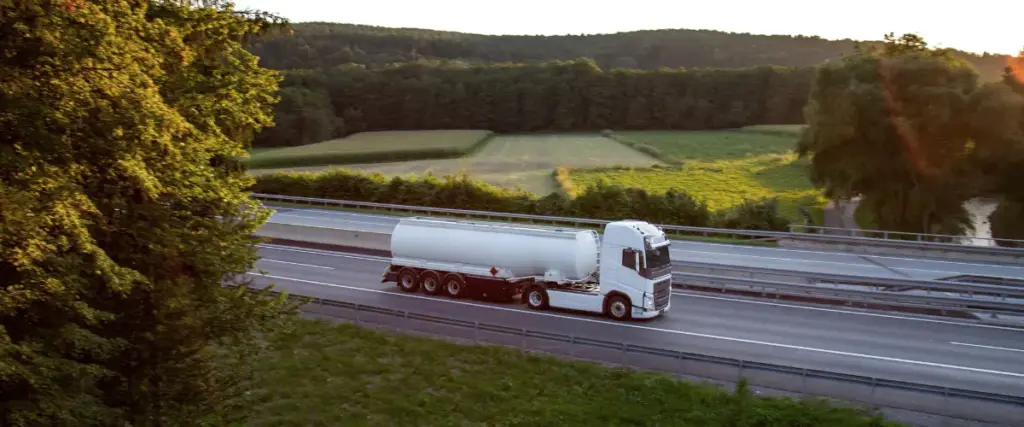
- Liquid Tankers: Heavy-duty trailers designed with internal baffles to prevent the "slosh effect," which can destabilize the vehicle during braking or turning.
Essential Equipment and Infrastructure
Bulk transport is an equipment-intensive industry. The efficiency of the movement is only as good as the infrastructure supporting it.
| Equipment Type | Primary Use | Key Feature (2026 Standards) |
|---|---|---|
| Conveyor Systems | Loading/Unloading Dry Bulk | Dust-suppression technology and automated sorting. |
| Pneumatic Blowers | Transferring Powders | High-efficiency air filtration to prevent product loss. |
| ISO Tank Containers | Multimodal Liquid Transport | Integrated IoT sensors for real-time temperature tracking. |
| Grab Cranes | Discharging Ores and Coal | AI-assisted positioning for faster cycle times. |
| Silos and Elevators | Storage and Staging | Controlled atmospheres to prevent grain spoilage. |
| Loading Arms | Liquid Transfer at Docks | Hydraulic articulation with emergency breakaway couplings. |
The Role of Storage Terminals
Bulk goods are rarely moved directly from the point of production to the consumer without a pause. Storage terminals act as buffers. For dry bulk, this involves massive silos or open-air stockpiles. For liquid bulk, "tank farms" provide millions of gallons of capacity. In 2026, these facilities are increasingly using digital twin technology to monitor inventory levels and structural integrity in real-time.
The Logistics Process: From Loading to Delivery
The bulk transport chain is a sequence of highly coordinated events. Because the volumes are so large, a mistake at any stage can result in massive financial losses or environmental disasters.
- Pre-Loading Inspection: Tanks and holds must be certified clean. For example, a tanker that previously carried crude oil cannot carry refined gasoline without a multi-stage cleaning process.
- Loading and Weight Verification: Accuracy is critical. Overloading a vehicle is illegal and dangerous, while underloading reduces profit margins. In 2026, weigh-in-motion (WIM) sensors and laser hull scanners provide millimetric accuracy.
- Transit and Monitoring: During the journey, the cargo must be monitored. For dry bulk, this means checking for "shifting." For liquids, it means maintaining specific temperatures (e.g., keeping bitumen hot so it remains fluid).
- Discharge (Unloading): This is often the most technical phase. Dry bulk may be vacuumed out, scooped by cranes, or dropped through bottom-discharge hoppers. Liquids are pumped out using high-capacity industrial pumps.
Regulatory Framework and Safety Standards
Bulk transport is strictly regulated due to the potential for environmental impact and the hazardous nature of many commodities.
- International Maritime Organization (IMO): Sets the global standards for ship safety and pollution prevention (MARPOL). The 2026 regulations place a heavy emphasis on reducing the carbon intensity of bulk carriers.
- Department of Transportation (DOT): In the United States, the DOT governs the specifications for tank trucks and railcars, particularly those carrying hazardous materials (HAZMAT).
- Safety Data Sheets (SDS): Every bulk shipment must be accompanied by an SDS that outlines the chemical properties of the cargo and the necessary emergency response procedures.
- Stability Requirements: For maritime transport, the "Grain Code" and the "International Maritime Solid Bulk Cargoes (IMSBC) Code" provide strict rules on how cargo must be leveled to prevent the ship from capsizing.
Challenges and Innovations in 2026
The bulk transport industry is currently navigating a period of significant transformation.
Sustainability and the Energy Transition
The industry is a major consumer of fossil fuels. As of 2026, there is a massive push toward "green corridors"—shipping routes where vessels use alternative fuels like green ammonia or hydrogen. In road transport, electric pneumatic trucks have become standard for short-haul construction routes, significantly reducing the carbon footprint of urban infrastructure projects.
Automation and Digitalization
The "Internet of Bulk" has arrived. Sensors now monitor the moisture content of grain in real-time during transit, automatically triggering ventilation systems if levels rise. Autonomous loading arms in liquid terminals reduce the risk of human exposure to toxic fumes, while blockchain technology has replaced the traditional paper "Bill of Lading," ensuring that ownership transfers are secure and instantaneous.
Labor Shortages and Training
Despite automation, the industry faces a shortage of skilled operators for specialized equipment. This has led to the rise of remote-controlled port cranes, where operators work from an office environment rather than a cab 100 feet in the air, improving both safety and recruitment.
Frequently Asked Questions
What is the difference between break-bulk and bulk transport?
Break-bulk refers to goods that are stowed individually in crates, barrels, or bags, but not in shipping containers. Bulk transport, however, involves cargo that is poured or pumped directly into the vessel’s hold without any packaging at all. Break-bulk is typically used for oversized machinery or timber, while bulk is used for raw materials like coal or oil.
Why is moisture such a big concern in dry bulk transport?
Moisture can lead to "liquefaction," a phenomenon where solid granular material begins to behave like a liquid. If this happens during a sea voyage, the cargo can shift rapidly to one side of the ship, causing it to capsize. Additionally, moisture can cause organic bulk (like grain) to ferment or grow mold, ruining the entire shipment.
How are hazardous liquids safely transported in bulk?
Hazardous liquids are moved in specialized tanks with "double-hull" construction or high-grade stainless steel linings. They are equipped with pressure relief valves, emergency shut-off systems, and often GPS tracking that monitors for sudden impacts or temperature deviations. Drivers and crew must have specialized certifications to handle these materials.
Is bulk transport more environmentally friendly than container shipping?
In terms of CO2 emissions per ton of cargo, bulk transport is often more efficient because of the sheer volume moved. However, the nature of the cargo (like coal or oil) and the potential for spills make it a high-risk industry for environmental impact. Modern 2026 standards focus on minimizing "dust emissions" during loading and ensuring zero-leakage pumping systems.
What determines the cost of bulk transport?
Costs are primarily driven by fuel prices, the distance of the route, and "demurrage"—a fee charged when a vessel takes longer to load or unload than agreed. Market demand for the specific commodity also plays a role; if there is a global shortage of grain, the demand for bulk carriers increases, driving up freight rates.
Practical Recommendations for Businesses
For organizations looking to integrate or optimize bulk transport within their supply chain, the following steps are recommended:
- Conduct a Multi-Modal Analysis: Don't assume one mode is best. In 2026, the integration of rail and short-sea shipping often provides a better balance of cost and carbon efficiency than long-haul trucking.
- Invest in Real-Time Tracking: Utilize IoT-enabled sensors for all liquid bulk shipments. The ability to prove that a food-grade liquid stayed within temperature parameters throughout transit is essential for regulatory compliance and quality assurance.
- Prioritize Terminal Efficiency: Choose terminals that utilize automated loading and discharging. The reduced "dwell time" (the time a vehicle sits idle) can save thousands of dollars in operational costs over a single year.
- Audit Cleaning Protocols: If you are moving high-purity chemicals or food products, perform regular third-party audits of the tank cleaning facilities you use to prevent cross-contamination.
Image Gallery