Do Insurance Companies Use Social Media to Set Auto Insurance Rates?
Insurance companies generally do not use your personal social media posts, photos, or friend lists to directly set your auto insurance rates. While the insurance industry has increasingly turned to Big Data and predictive analytics to...
Insurance companies generally do not use your personal social media posts, photos, or friend lists to directly set your auto insurance rates. While the insurance industry has increasingly turned to Big Data and predictive analytics to refine risk assessment, regulatory frameworks in the United States and many other jurisdictions prevent insurers from using non-standardized, subjective, or publicly scraped personal data as a direct component of your actuarial risk profile.
Contents
The Regulatory Boundary of Underwriting
Underwriting is the process by which insurance companies determine whether to provide coverage and what premium to charge. To maintain market stability and protect consumers, state insurance departments strictly regulate the "rating factors" that companies are allowed to use. These factors must be filed with and approved by state regulators, such as the Department of Insurance in the U.S.
Regulatory bodies require that all rating factors be actuarially justified, meaning they must be supported by statistically significant evidence that a specific behavior or trait directly correlates with a higher or lower probability of filing a claim. Personal social media activity—such as photos of your travels, your political opinions, or your social network—fails the criteria for actuarial relevance. Using such subjective data would violate anti-discrimination laws and consumer protection statutes, which mandate that insurance premiums be based on objective, quantifiable metrics like driving history, vehicle type, credit-based insurance scores (where permitted), and geographical location.
How Insurers Actually Use Data
While your Facebook timeline or Instagram feed is typically off-limits, insurance companies do leverage advanced technology and massive datasets to calculate premiums. The shift toward "Usage-Based Insurance" (UBI) has fundamentally changed the landscape of risk assessment.
Telematics and Usage-Based Insurance
Telematics involves the use of devices installed in your vehicle or mobile applications that track real-time driving data. This is distinct from social media surveillance. When you opt into a telematics program, the insurer collects data points such as:
- Hard braking events: Indicates aggressive or inattentive driving.
- Rapid acceleration: Suggests high-risk maneuvers.
- Time of day: Driving during late-night hours is statistically correlated with a higher risk of accidents.
- Mileage: Total distance traveled is a primary indicator of exposure risk.
This data is proprietary, objective, and directly tied to your actual time behind the wheel. It is not scraped from your personal social presence, and the methods for calculating premiums based on this data are subject to rigorous regulatory oversight.
Credit-Based Insurance Scores
In most U.S. states, insurers use credit-based insurance scores to predict the likelihood of an accident. It is critical to distinguish this from your general financial status or social standing. A credit-based insurance score analyzes your credit report for patterns related to financial stability, such as payment history and length of credit. Insurers argue that this provides an objective measure of responsibility, which they correlate with a lower probability of filing a claim. Like telematics, this information is sourced from established credit bureaus and follows strict legal standards, far removed from the unstructured data found on social media.
The Misconception of "Digital Footprinting"
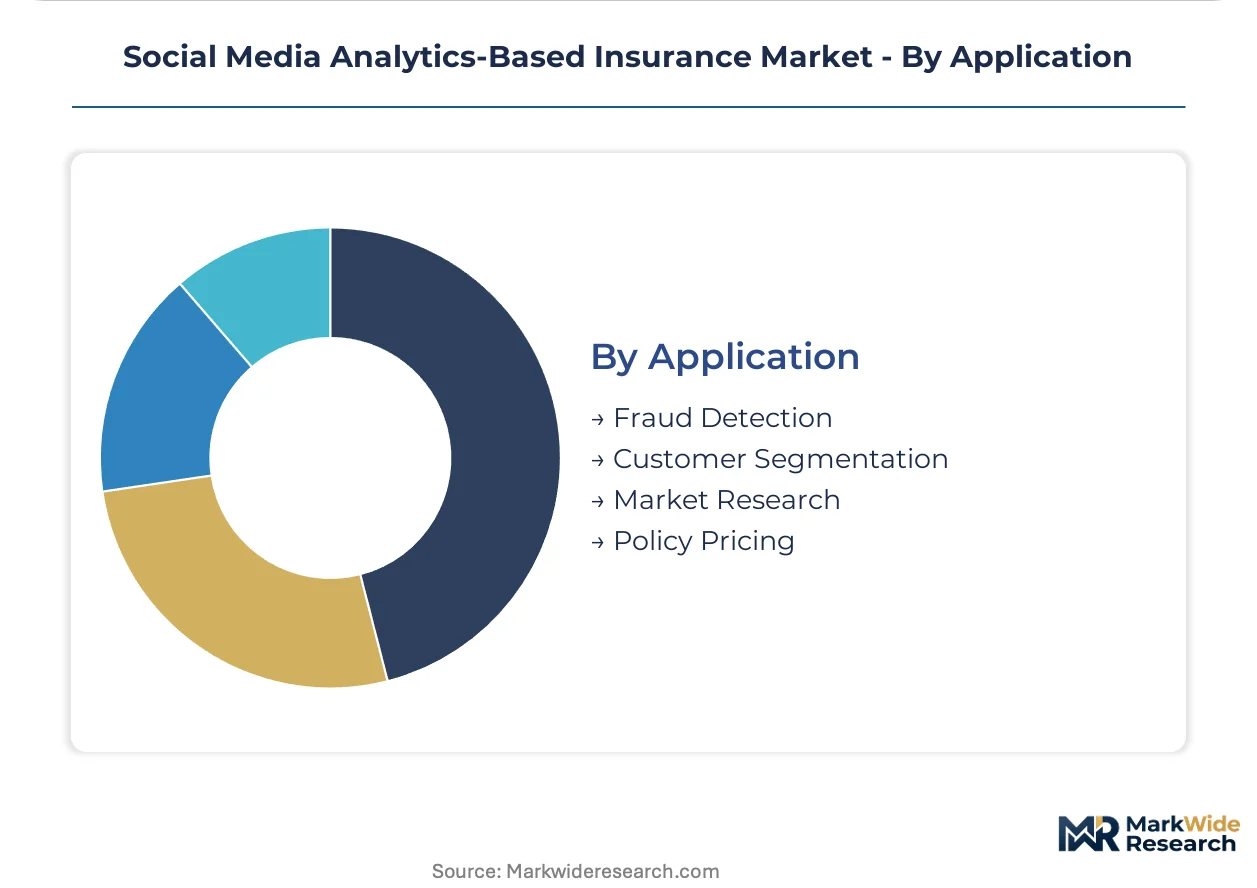
The concern that social media influences insurance rates often stems from a broader anxiety regarding the digital "footprint" consumers leave behind. While it is true that insurance companies use sophisticated AI and machine learning for fraud detection, this is fundamentally different from setting base premiums.
Fraud Detection vs. Rating
Fraud investigation is the area where social media is most relevant. If an insurance company receives a claim that appears suspicious—such as a claim involving a total loss where the vehicle owner claims they were incapacitated by an injury—specialized investigators may look at public social media records to identify inconsistencies. If a claimant says they are bedridden due to a car accident but posts photos of themselves hiking the same week, that information may be used to challenge or deny a specific claim. However, this is a reactive, investigative process, not a proactive, automated rating mechanism for your standard monthly premium.
Comparison of Permissible vs. Prohibited Data Sources
| Data Source | Use Case | Regulatory Status |
|---|---|---|
| Driving History | Setting premium rates | Standardized/Permitted |
| Telematics/UBI | Setting premium rates | Permitted (via opt-in) |
| Credit Information | Setting premium rates | Permitted (State-dependent) |
| Social Media Posts | Claims investigation only | Prohibited for rate setting |
| Public Browsing Habits | Marketing/Targeting | Prohibited for rate setting |
Privacy Protections and the Role of the FCRA
The Fair Credit Reporting Act (FCRA) and similar privacy legislation provide consumers with significant protections regarding the data used to make adverse decisions—such as raising your insurance premiums or denying coverage. If an insurance company uses third-party data to make a decision about your policy, you are entitled to know what information was used and the source of that information. Because social media platforms are not "consumer reporting agencies" under the definition of the FCRA, and because social media data is not used for underwriting, companies generally cannot hide the use of such data behind a standard policy filing.
Why Insurers Avoid Social Media for Pricing
Even if regulators allowed it, there are several structural reasons why insurance companies do not use social media for pricing:
- Lack of Predictive Value: Social media content is subjective and easily manipulated. An individual can post content that does not accurately reflect their lifestyle or risk profile, making it a poor tool for statistical modeling.
- Data Integrity: Extracting data from social media requires complex scraping technology that is prone to error. High-quality risk assessment relies on structured, accurate, and consistent data.
- Legal Liability: The reputational and legal risk of being accused of using discriminatory factors—such as age, gender, or social background derived from social media—far outweighs the marginal benefit of potentially identifying a few high-risk drivers.
What Should You Monitor?
While your personal social posts are not increasing your premiums, you should focus your attention on the factors that truly impact your wallet. Periodically review your Motor Vehicle Report (MVR) for inaccuracies, ensure your insurance carrier has the correct mileage estimates, and verify that all eligible discounts—such as safe driver or multi-policy discounts—are applied.
If you are concerned about your insurance costs, the most effective step is to request a quote from multiple providers. Insurance companies utilize different internal models and appetite levels for specific risks, meaning that two companies may charge significantly different rates for the exact same driver.
Frequently Asked Questions
Can an insurance company look at my Facebook photos after I file a claim?
Yes. If you file a claim, the insurance company acts as a detective. They may review publicly available information to verify the validity of your claim. However, they cannot use these findings to retrospectively change your past premiums, and they are bound by privacy laws regarding how they collect this information.
Do insurance apps track my location to change my rate?
Some usage-based insurance (UBI) apps do track location, but this is explicitly part of the agreement you sign when you opt into the program. This location data is used to verify miles driven and, in some cases, to understand the type of roads you frequent. It is not used to monitor your social life.
Is it legal for insurers to buy my data from social media brokers?
While brokers aggregate digital data for marketing purposes, using that data to set insurance rates is illegal in most jurisdictions. Insurance rating factors must be filed with and approved by the state, and purchasing third-party marketing profiles does not satisfy the legal requirement for actuarial justification.
How do I know what data my insurer is using?
You can request a copy of your "Consumer Disclosure Report" from your insurance provider. Under the FCRA and various state laws, they are required to inform you of the sources of the information used to underwrite your policy, particularly if they take an adverse action against you, such as increasing your rate.
If I am a safe driver, how can I lower my auto insurance premiums?
Focus on objective criteria: increase your deductibles if you have sufficient savings, bundle your auto and home policies, maintain a clean driving record, and consider participating in a telematics program if you are a low-mileage, safe driver. Avoid the temptation to worry about your digital presence, as it does not influence your premium tier.
Next Steps for Policyholders
If you are worried about your current premium, take a proactive approach rather than a reactive one. Contact your current agent to confirm that your profile is up-to-date. If your rates have increased, ask for a "re-underwriting" to see if changes in your vehicle usage or driving history can lower your costs. If you remain unsatisfied, comparing quotes from three or more reputable insurers will provide the most accurate assessment of your market value as a driver, ensuring you are paying a fair rate based on your actual driving performance rather than any speculative data.
Image Gallery