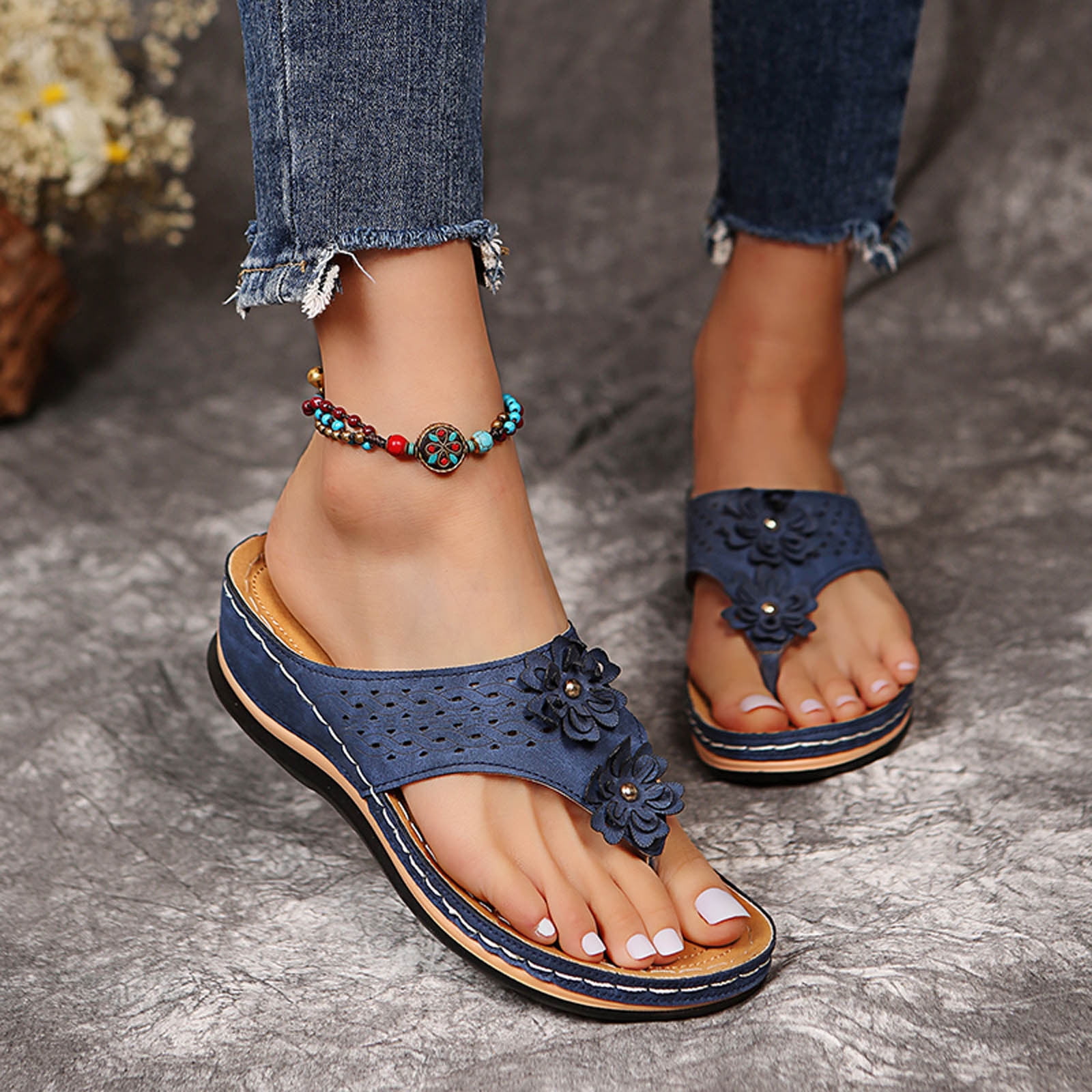
The Most Comfortable Flip Flops for Everyday Wear: A Complete Podiatry and Design Guide
The most comfortable flip flops for everyday wear combine anatomical arch support, high-density shock absorption, and soft, friction-free toe posts. Unlike flat, traditional thongs, ergonomic flip flops feature deep heel cups and conto...
The most comfortable flip flops for everyday wear combine anatomical arch support, high-density shock absorption, and soft, friction-free toe posts. Unlike flat, traditional thongs, ergonomic flip flops feature deep heel cups and contoured footbeds that realign the foot, mitigate plantar fascia strain, and distribute body weight evenly for all-day standing and walking.
Contents
The Biomechanics of Comfort: Why Traditional Flip Flops Cause Pain
For decades, basic flip flops were constructed from flat slabs of die-cut ethylene-vinyl acetate (EVA) foam attached to thin rubber straps. While inexpensive, these traditional designs force the foot to work harder with every step. Understanding the physics of walking highlights why flat sandals lead to lower-body fatigue, joint misalignment, and chronic conditions like plantar fasciitis.
[ Traditional Flat Flip Flop ] [ Ergonomic Everyday Flip Flop ] ------------------------------ -------------------------------- Heel: Flat, hard impact transfer Deep heel cup absorbs shock & stabilizes Arch: Zero support; overpronation risk Contoured arch maintains natural structure Toe Post: Rigid plastic causes friction/blisters Soft fabric/molded webbing cushions toes Toes: Claw/grip footbed to keep shoe on Ergonomic strap secures midfoot naturally
When you walk in a flat flip flop, your toes unconsciously flex and "claw" to hold the footbed against the bottom of your foot during the swing phase of your stride. This altered gait shortens your natural stride length, overworks the flexor tendons, and puts excessive stress on the Achilles tendon and calf muscles.
Furthermore, flat soles provide no resistance against overpronation—the inward rolling of the ankle upon heel strike. Uncorrected overpronation forces the tibia and femur to rotate inward, shifting stress upward into the knee, hip, and lumbar spine.
To make a flip flop comfortable for continuous, everyday wear, footwear engineers and podiatrists focus on four primary structural elements:
- Anatomical Arch Support: Preserves the natural medial longitudinal arch, preventing collapse during load-bearing steps.
- Deep Heel Cups: Cradle the calcaneus (heel bone), anchoring the foot's natural fat pad directly beneath the bone to maximize natural shock absorption.
- Ergonomic Toe Posts: Use woven webbing or rolled microfiber to eliminate skin abrasion between the first and second toes.
- Targeted Cushioning and Rebound: Combines impact-absorbing base layers with energy-returning top layers to dampen ground reaction forces.
Crucial Construction Materials in Ergonomic Footwear
The overall durability, support, and tactile comfort of daily sandals depend heavily on the materials used in the midsole, footbed, and upper straps.
Midsole and Footbed Foams
- Compression-Molded EVA (Ethylene-Vinyl Acetate): The standard workhorse of comfortable footwear. Compression molding densifies the foam, allowing it to maintain its shape over months of continuous compression rather than flattening out permanently.
- Proprietary Polyurethane (PU): Denser and heavier than EVA, polyurethane offers superior longevity and resilient support. It resists pack-out (the permanent loss of cushioning height) better than almost any other material, making it ideal for heavier wearers or long-distance walking.
- Closed-Cell Recovery Foams: Specialized materials (such as OOFOS's OOfoam) absorb significantly more impact shock per step than standard EVA. These proprietary compounds reduce pressure on sore joints and lower-leg muscles, though they sacrifice a small amount of lateral stability due to their extreme softness.
- Memory Foam Footbeds: High-density memory foam provides immediate step-in softness, but it should always be backed by a firm structural arch underneath. Memory foam alone compresses completely under body weight, offering zero long-term orthotic support.
Strap and Toe-Post Fabrics
- Tubular Nylon Webbing: Smooth, durable, and quick-drying, tubular webbing rolls along the edges so sharp textile borders never press against the sensitive skin between your toes.
- Synthetic Leather with Neoprene Lining: Popular in water-friendly comfort flip flops, synthetic leather provides structural integrity, while a soft neoprene backing cushions the top of the foot against rubbing.
- Full-Grain Leather: Naturally breathable and adaptive, high-quality full-grain leather conforms to the unique shape of the wearer's foot over time, creating a custom fit.
Top Comfort Flip Flop Categories and Structural Features
Selecting the ideal everyday flip flop requires matching the shoe's construction style to your daily activities, biomechanical needs, and environment.
[ ORTHOTIC-GRADE ] [ RECOVERY & IMPACT ] [ ALL-DAY CASUAL ] Rigid Arch & Deep Heel Cup Ultra-Soft Impact-Absorbing Contoured Leather/EVA Blend Best for: Plantar Fasciitis Best for: Post-Workout / Hard Best for: Everyday Walking & & Severe Overpronation Concrete Surfaces Versatile Style
1. Orthotic-Grade Support
Designed specifically to address clinical alignment issues, orthotic flip flops feature firm, sculpted arch structures and deep heel cups. Brands like Vionic and Archies Footwear design these sandals to mimic the support of a custom medical orthotic. They actively prevent overpronation, reduce strain on the plantar fascia ligament, and stabilize the foot during extended standing on hard surfaces like tile or concrete.
2. Maximum Cushioning and Recovery
Recovery flip flops prioritize active pressure relief and impact reduction over mechanical rigidity. Utilizing proprietary ultra-soft foam formulations, these models absorb up to 37% more impact force with every step compared to traditional foam footwear. They are exceptional for individuals recovering from high-impact sports, suffering from joint arthritis, or standing in one place for long hours.
3. All-Day Casual and Travel
Combining premium materials like oiled full-grain leather or quick-drying synthetic uppers with contoured EVA midsoles, casual lifestyle flip flops balance style with anatomical functionality. Brands like OluKai design these models with anatomical footbeds, non-marking rubber outsoles with specialized tread patterns, and stylish finishes suitable for walking around town, beach outings, and relaxed dining.
Comprehensive Comparison of Everyday Comfort Flip Flops
The table below outlines key technical characteristics, footbed materials, support levels, and practical performance factors across leading comfort flip flop designs.
| Model / Brand Category | Footbed / Midsole Material | Arch Support Level | Water Resistance | Outsole Traction | Primary Best-Use Case |
|---|---|---|---|---|---|
| Vionic Wave / Tide Series | High-Density Molded EVA | Extra Firm (Orthotic) | Moderate (Synthetic Upper) | High (Patterned Rubber) | Severe overpronation, plantar fasciitis, structured support |
| OOFOS OOriginal / OOahh | Proprietary OOfoam Recovery Technology | Soft / Adaptive High Arch | 100% Waterproof | Medium (Closed-Cell Foam) | Post-workout recovery, standing on concrete, joint relief |
| OluKai Ohana | Compression-Molded EVA with Drop-in ICEVA | Medium-Firm Anatomical | High (Water-Resistant Synthetic) | Very High (Siped Coral Reef Lug) | All-day walking, coastal wear, wet and dry versatility |
| Archies High Arch Thongs | Specialized Closed-Cell Foam Matrix | Firm / Integrated Orthotic | 100% Waterproof | High (Integrated Rubber Grid) | Minimalist look with orthotic support, casual wear |
| Birkenstock Gizeh EVA | Ultra-Lightweight Molded EVA | Firm Deep Contour | 100% Waterproof | Medium (Classic Bone Tread) | Lightweight casual walking, pool/beach use, easy cleaning |
| Rainbow Sandals Single Layer | Premium Full-Grain Leather & Sponge Rubber | Medium (Conforms over time) | Low (Leather absorbs water) | Medium (Non-Slip Crest Outsole) | Long-term durability, custom foot moulding, casual lifestyle |
Biomechanical Fitting Guide: Matching Flip Flops to Your Foot Type
Not every comfortable flip flop works for every foot. Buying the wrong structural profile for your arch shape can cause discomfort or even exacerbate underlying biomechanical issues.
FOOT PROFILE NEEDS / KEY FEATURES RECOMMENDED CATEGORY ----------------------------------------------------------------------------------------------------- Flat Feet / Overpronation --> Firm Medial Arch Support + Deep Calcaneal Cup --> Orthotic-Grade High Rigid Arches --> Flexible Cushioning + Shock Absorption --> Recovery / Cushioned Plantar Fasciitis --> Deep Heel Cup + Firm Midfoot Rigid Shank --> Structured Orthotic Wide / Heavy Footprint --> Wide Base + High-Density Compression Molded PU --> Extended-Width Casual
1. Low Arches and Flat Feet (Flexible Overpronation)
Individuals with flat feet lack rigid arch structural stability. When bearing weight, the foot flattens, pulling on lower-leg tendons and shifting knee alignment.
- What to Look For: Firm arch profiles that do not collapse under weight, coupled with rigid outsoles that resist twisting (torsional rigidity).
- What to Avoid: Ultra-soft, unstructured recovery foams that allow the foot to roll inward completely unchecked.
2. High Arches (Rigid Cavus Foot)
High-arched feet excel at rigidity but struggle with natural shock absorption. Because less surface area of the foot contacts the ground, impact forces concentrate on the heel and ball of the foot.
- What to Look For: Cushioned, flexible midsoles that fill the space beneath the high arch to distribute body weight across the entire footbed. High-impact recovery foams perform exceptionally well for this foot type.
- What to Avoid: Hard, unyielding orthotic posts that place pressure directly on the high arch without adequate force distribution.
3. Managing Plantar Fasciitis
Plantar fasciitis involves inflammation of the thick band of tissue running along the bottom of the foot. Modern conservative care guidelines emphasize minimizing un-supported bare-foot walking, especially first thing in the morning.
- Key Requirements: A deep calcaneal heel cup to cushion the plantar fascia insertion point, combined with a slightly elevated heel (a moderate drop from heel to toe). An elevated heel relieves tension on the Achilles tendon and plantar fascia ligament during heel strike.
Proper Sizing and the Break-In Process
Finding the right fit in open-toed footwear involves more than matching standard shoe sizes. Because flip flops lack back straps or laces, structural alignment depends entirely on proper sizing relative to your arch and heel placement.
How a Daily Flip Flop Should Fit
- Heel Placement: Your heel must sit completely inside the cupped perimeter of the heel bed. If your calcaneus rests on the raised outer rim, it can cause bruising and friction.
- Arch Alignment: The apex of the sandal’s built-in arch must line up precisely with the natural curve of your foot. If the arch support sits too far forward toward your toes or too far back near your heel, it can trigger cramping.
- Toebox Clearance: There should be approximately 1/4 inch (6–8 mm) of clearance between your longest toe and the front edge of the sandal to prevent toe stubbing while walking.
- Strap Tension: The straps should fit snug against the instep without digging into the skin or forcing your toes to claw to keep the shoe in place.
Navigating the Break-In Period
Firm, orthotic-grade flip flops and traditional leather models frequently require a short adjustment period:
- Orthotic Models: Podiatrists recommend wearing high-support orthotic flip flops for 1 to 2 hours a day initially, gradually increasing wear time over 7 to 10 days. This allows your lower leg muscles, plantar fascia, and intrinsic foot muscles to adapt to healthier biomechanical alignment.
- Leather Models: Premium leather flip flops need time and body heat to stretch and conform to your foot shape. Applying a small amount of leather conditioner to the underside of the straps can prevent hot spots and speed up softening during the first week of use.
Maintenance and Care for Long-Lasting Support
Everyday wear exposes flip flops to sweat, body oils, UV rays, dirt, and water. Proper maintenance extends the life of the supportive cushioning and keeps materials hygienic.
Cleaning Synthetic and EVA Models
- Rinse Frequently: Wash away salt water, sand, and dirt with cold, fresh water after beach or outdoor use.
- Scrub Gentle Surfaces: Use a soft-bristle brush, warm water, and a mild liquid detergent to clean textured footbeds where sweat and skin cells accumulate.
- Air Dry in Shade: Never leave EVA or recovery foam flip flops in direct midday sunlight or near high heat sources (like a car trunk or hot patio tiles). Direct heat can shrink, warp, and permanently deform closed-cell foams.
Caring for Leather Flip Flops
- Spot Clean Upper Leather: Use a slightly damp microfiber cloth to remove surface dirt.
- Condition Periodically: Treat full-grain leather straps and footbeds with a quality leather conditioner every few months to prevent drying, cracking, and water damage.
- Odor Control: Sprinkle a thin layer of baking soda over leather footbeds overnight to absorb moisture and eliminate odor, then gently brush it off in the morning.
Common Mistakes When Choosing Daily Flip Flops
Avoid these frequent buying errors to ensure your daily footwear supports long-term foot health:
- Prioritizing Cushion Over Structural Support: Ultra-plush, soft foam feels comfortable for the first 5 minutes of standing, but without underlying structural arch support, your feet will tire quickly during long walks.
- Choosing the Wrong Size in Half-Sizes: Most flip flops are produced only in whole sizes. If you wear a half size, fitting rules vary by brand design. Generally, choose the next size up if you have long toes or wide feet, or size down if the sandal features an aggressive orthotic arch that must align precisely with a shorter foot length.
- Wearing Degraded Footwear Past Its Lifespan: Midsole foam degrades over time due to repeated compression. Once the heel area becomes compressed, unevenly worn, or visibly flattened, the shoe loses its shock-absorbing capacity and orthotic benefits, increasing the risk of foot fatigue and pain.
Frequently Asked Questions
Can comfortable flip flops replace custom medical orthotics for everyday wear?
While orthotic-grade flip flops provide substantial biomechanical support, they do not entirely replace prescription custom orthotics for severe structural deformities or complex medical conditions. However, they serve as an excellent home or warm-weather alternative for people who usually rely on orthotic insoles, keeping feet aligned without requiring closed shoes.
How long should a good pair of everyday flip flops last?
With regular daily wear, high-quality EVA or polyurethane comfort flip flops typically retain their supportive shape and impact-absorbing capabilities for 12 to 18 months, or approximately 500 miles of walking. Premium leather sandals with dense rubber outsoles can last several years, provided the footbed foam maintains its rebound energy.
Are recovery flip flops safe for walking on wet or slippery surfaces?
Recovery flip flops made with smooth closed-cell foam prioritize cushion over wet-weather traction. While excellent for pool decks or dry indoor floors, they can be slippery on wet smooth tile or mud. For wet environments, look for sandals with specialized siped rubber outsoles designed specifically to channel water away from the tread.
Why do my feet ache after switching to supportive flip flops for the first time?
Experiencing mild muscle soreness during the first few days of wearing supportive footwear is common. Flat flip flops allow muscles and tendons to work inefficiently. When structured arch support realigns your foot, your lower leg muscles and intrinsic foot structures must adapt to correct posture and gait patterns.
Final Recommendation
For optimal daily comfort, select a flip flop that matches your specific foot structure and activity level. If you struggle with plantar fasciitis, severe overpronation, or heel pain, choose a rigid orthotic design like the Vionic Wave or Archies High Arch Thongs. If your primary goal is post-workout muscle recovery, joint relief, or standing on hard indoor floors, choose a maximum-cushion recovery sandal like the OOFOS OOriginal. For an all-around blend of daily style, high traction, water resistance, and anatomical support, an option like the OluKai Ohana delivers reliable durability and balanced, long-term comfort.
Image Gallery