Understanding the Height of King Abdullah II of Jordan
King Abdullah II of Jordan, who has served as the head of state of the Hashemite Kingdom of Jordan since 1999, stands approximately 168 centimeters tall, which is equivalent to 5 feet 6 inches. His stature is a subject of occasional pu...
King Abdullah II of Jordan, who has served as the head of state of the Hashemite Kingdom of Jordan since 1999, stands approximately 168 centimeters tall, which is equivalent to 5 feet 6 inches. His stature is a subject of occasional public interest, common among world leaders, and is often observed through photographic records and official state appearances alongside other international heads of state.
Contents
Contextualizing Sovereign Stature in Diplomacy
In the realm of international relations and statecraft, the physical appearance of a monarch or head of state is frequently subject to public scrutiny. While height is a static physical characteristic, it often intersects with the public perception of leadership. King Abdullah II, a trained military officer who attended the Royal Military Academy Sandhurst and served in the Jordanian Armed Forces, has cultivated an image defined more by his professional military background and diplomatic initiatives than by physical attributes.
Understanding the stature of a global figure often requires looking at how they appear in the context of state visits and international summits. Because world leaders vary significantly in height, visual media can sometimes create illusions based on camera angles, footwear, and the height of the individuals standing nearby. For King Abdullah II, his professional presentation is characterized by his choice of military uniform or formal business attire, which remains consistent with his role as a constitutional monarch and a prominent mediator in Middle Eastern geopolitics.
Historical and Professional Background
To understand the public persona of King Abdullah II, one must look beyond physical statistics to his long-standing career. Born in 1962, he assumed the throne on February 7, 1999, following the passing of his father, King Hussein. His reign has been marked by a focus on modernization, economic reform, and the maintenance of stability within the Hashemite Kingdom.
His training at the Royal Military Academy Sandhurst in the United Kingdom, followed by service in the Jordanian Armed Forces as a Major General, provided him with a disciplined background that informs his public conduct. In formal military settings, stature is often secondary to bearing, discipline, and the command presence that is essential for a Commander-in-Chief. This military background explains why he is frequently photographed in uniform, which projects an image of authority that is independent of physical height.
Comparisons and Visual Perception
Public figures are rarely seen in isolation. When the King of Jordan meets with other heads of state—such as the President of the United States or the Prime Minister of the United Kingdom—the inevitable difference in height between individuals becomes a point of discussion for casual observers. It is important to note that global averages for height vary by region, and stature does not correlate with the efficacy of a leader or their influence on the global stage.
The following table provides a reference point for understanding how physical stature is contextualized in formal diplomatic settings:
| Metric | Detail |
|---|---|
| Height (Metric) | Approx. 168 cm |
| Height (Imperial) | Approx. 5' 6" |
| Primary Role | Constitutional Monarch |
| Military Background | Royal Military Academy Sandhurst |
| Public Presentation | Uniform or Formal Business Attire |
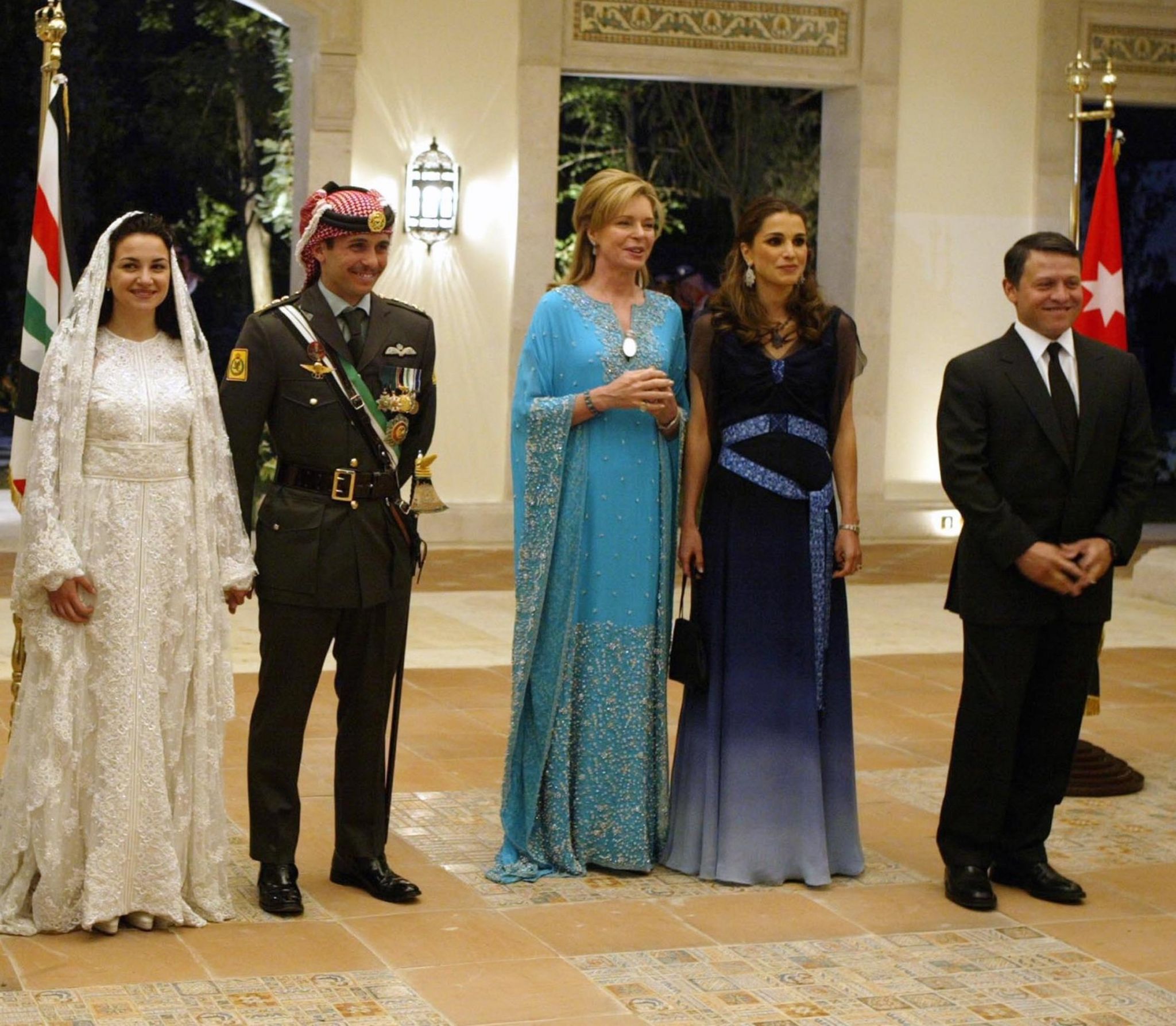
When analyzing images from summits or official state visits, it is common for the public to compare the heights of leaders. These visual comparisons, however, are influenced by footwear, posture, and the relative height of the ground or platforms. King Abdullah II is consistently presented in a manner that reflects the gravity of his office, maintaining a standard of dignity that transcends minor physical measurements.
The Role of Media in Shaping Public Perception
In the digital age, high-resolution imagery and video provide the public with an unprecedented level of access to the daily lives of world leaders. With the advent of global social media platforms, even minor details regarding a leader's appearance can be amplified or misinterpreted. For many, the interest in the height of the King of Jordan is a reflection of the "celebrity" status often attributed to heads of state in the 21st century.
However, from a technical perspective, photography is an imprecise tool for measuring height. Photographers often use specific angles to frame leaders in ways that emphasize strength or approachability. It is advisable for observers to view these media representations with the understanding that they are curated outputs of public relations departments rather than objective clinical data.
Why Stature Matters Less Than Stability
The focus on the physical stature of a monarch is often a byproduct of the human tendency to associate height with leadership dominance, a psychological concept sometimes referred to as the "height premium." In academic studies of political science, this has been a topic of debate for decades. However, in the context of the Hashemite Kingdom of Jordan, King Abdullah II’s influence is derived from his lineage, his constitutional authority, and his role in regional diplomacy.
His ability to navigate the complex geopolitical landscape of the Middle East—serving as a key interlocutor between various regional powers and Western governments—demonstrates that the substance of a leader's policy is the true metric of their effectiveness. His height, like that of any other individual, is merely a biological fact that does not interfere with or enhance his capacity to govern or his role as a global statesman.
Frequently Asked Questions
Is there an official record of the King of Jordan's height?
Official government biographies typically focus on a leader's education, military service, and diplomatic achievements rather than physical metrics. The height of 168 cm (5' 6") is a widely accepted figure based on photographic analysis and observational reports from public events.
How does King Abdullah II compare to other world leaders?
Like any group of people, world leaders vary significantly in height. King Abdullah II’s height is within the range of many global leaders, though he is shorter than some Western counterparts. Comparisons in media are generally considered trivial, as they do not affect political or diplomatic standing.
Does the King of Jordan use height-enhancing footwear?
There is no verified evidence to suggest that the King alters his footwear for the purpose of changing his perceived height. His official appearances consistently feature standard military or formal footwear appropriate for his attire and duties.
Why do people search for the height of world leaders?
Public interest in the physical traits of heads of state is generally attributed to human curiosity and the desire to humanize powerful figures. In the context of global media, the "celebrity" aspect of leadership often leads to an interest in details that would be considered private for the average citizen.
Has the King’s height been a factor in his leadership?
No. There is no historical or political evidence to suggest that his height has influenced his domestic or international policies. His leadership is defined by his military training, his diplomatic acumen, and his role as a stabilizing force in his region.
Where can I find more accurate information about the King of Jordan?
For reliable, non-physical information regarding the King’s activities, policies, and official schedule, the official website of the Royal Hashemite Court is the primary and most authoritative source. It provides verified updates on the monarch’s diplomatic engagements and domestic initiatives.
Recommendation for Further Inquiry
If your interest in King Abdullah II is focused on his leadership or the political landscape of Jordan, it is recommended that you consult the official Royal Hashemite Court portal. For historical or geopolitical analysis, peer-reviewed journals on Middle Eastern studies or official bulletins from the Jordanian Ministry of Foreign Affairs provide a deeper understanding of the kingdom's role in global affairs than anecdotal physical observations.
Image Gallery