Why Mold Remediation Did Not Work: Causes, Verification, and Next Steps
If your recent mold remediation efforts failed, it is typically due to an unaddressed moisture source, inadequate containment during the cleaning process, or a failure to physically remove mold spores rather than simply "killing" them...
If your recent mold remediation efforts failed, it is typically due to an unaddressed moisture source, inadequate containment during the cleaning process, or a failure to physically remove mold spores rather than simply "killing" them with chemicals. Successful remediation requires total moisture control and the verifiable removal of all contaminated materials and settled spores.
Contents
Realizing that mold has returned—or never truly left—after spending significant time and money on professional remediation is a frustrating and potentially hazardous situation. In the 2026 property market, indoor air quality has become a critical factor in home valuations and health standards. When mold remediation does not work, it usually points to a fundamental breakdown in the "Source, Containment, and Removal" triad.
This guide explores why remediation projects fail, how to identify the signs of a compromised project, and the technical steps required to rectify the situation permanently.
The Primary Reason for Failure: Unresolved Moisture Sources
The most common reason mold remediation fails is that the underlying cause of the mold—excessive moisture—was never fully resolved. Mold is a biological indicator of a water problem; if the environment remains damp, mold will return within 24 to 48 hours, regardless of how much antimicrobial solution was applied.
Incomplete Moisture Mapping
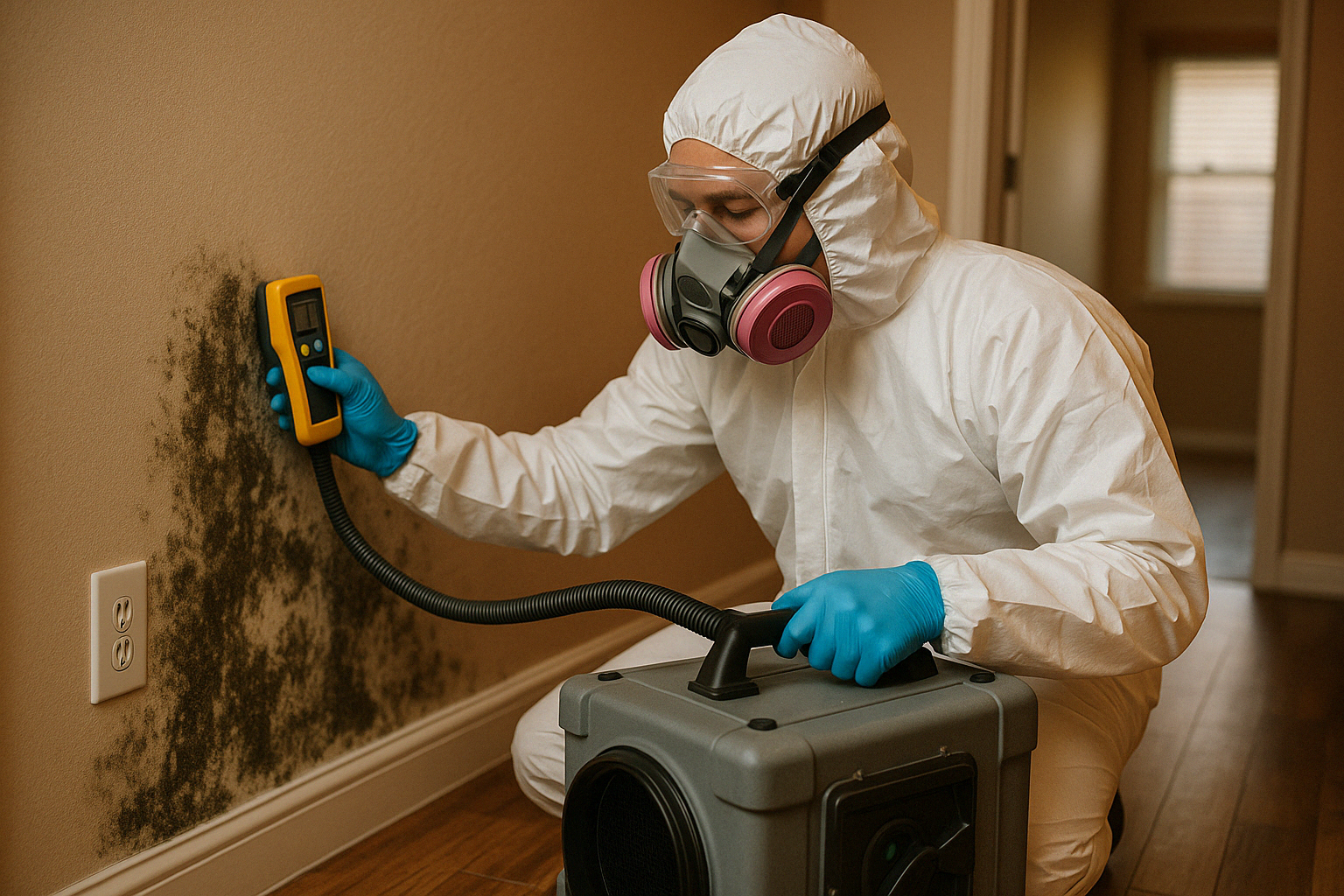
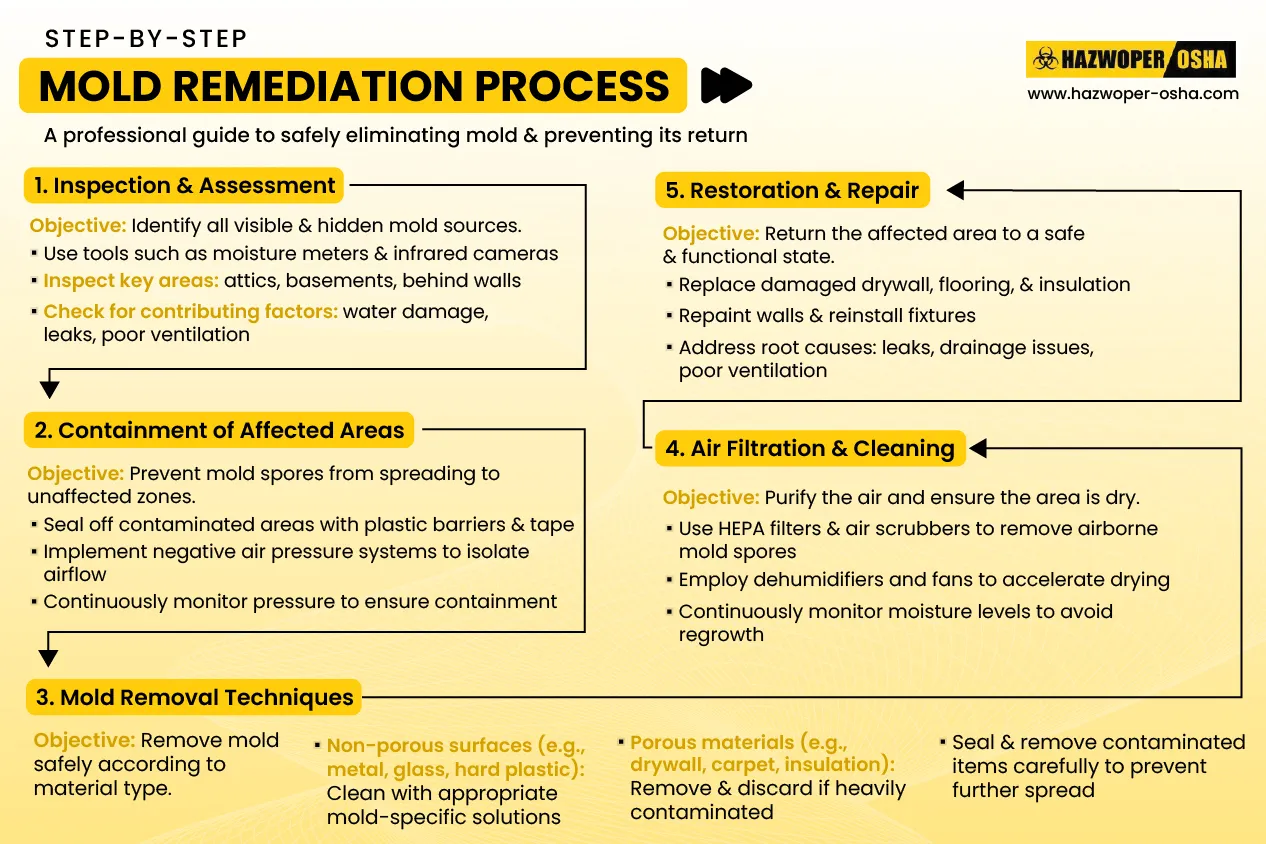
Professional remediators should use infrared cameras and moisture meters to perform "moisture mapping." This process identifies hidden leaks behind drywall or under flooring. If a contractor only cleans the visible mold on a wall but misses a slow-dripping pipe in the cavity behind it, the remediation is doomed to fail. By 2026, standards for moisture assessment have become more stringent, yet many budget-tier contractors still skip this essential diagnostic step.
Humidity and Ventilation Issues
In many cases, the moisture doesn't come from a leak but from high relative humidity (above 60%). If a remediation plan did not include the installation of a high-capacity dehumidification system or the improvement of attic/crawlspace ventilation, the ambient environment remains a breeding ground. Remediation is a two-part process: structural drying and biological removal. You cannot have the latter without the former.
Technical Failures in the Remediation Process
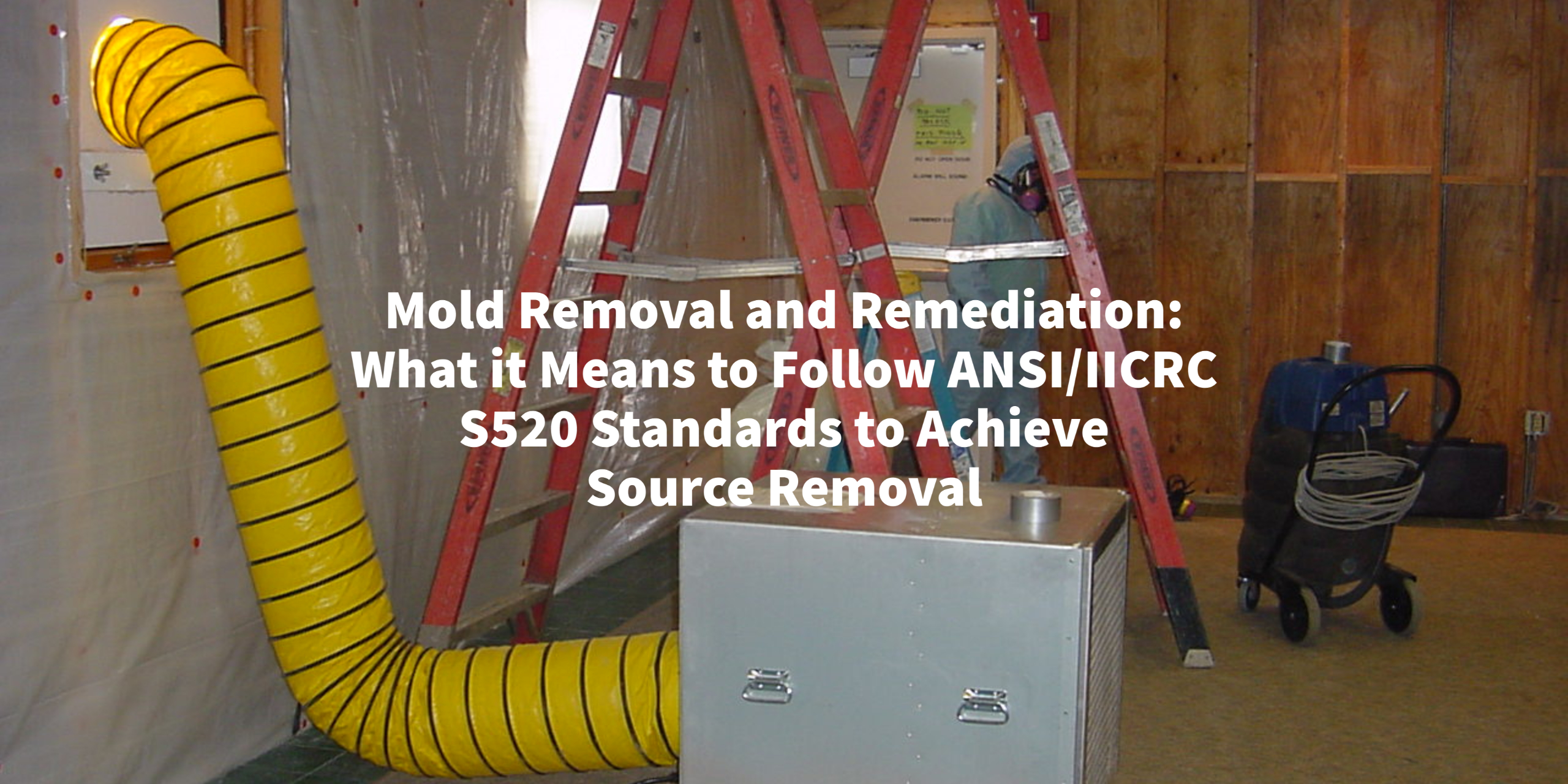
Even if the water source is fixed, the technical execution of the cleanup may be flawed. Mold spores are microscopic and easily aerosolized. If the contractor did not follow the IICRC S520 Standard for Professional Mold Remediation, the project likely failed due to one of the following technical lapses.
Inadequate Containment and Negative Air
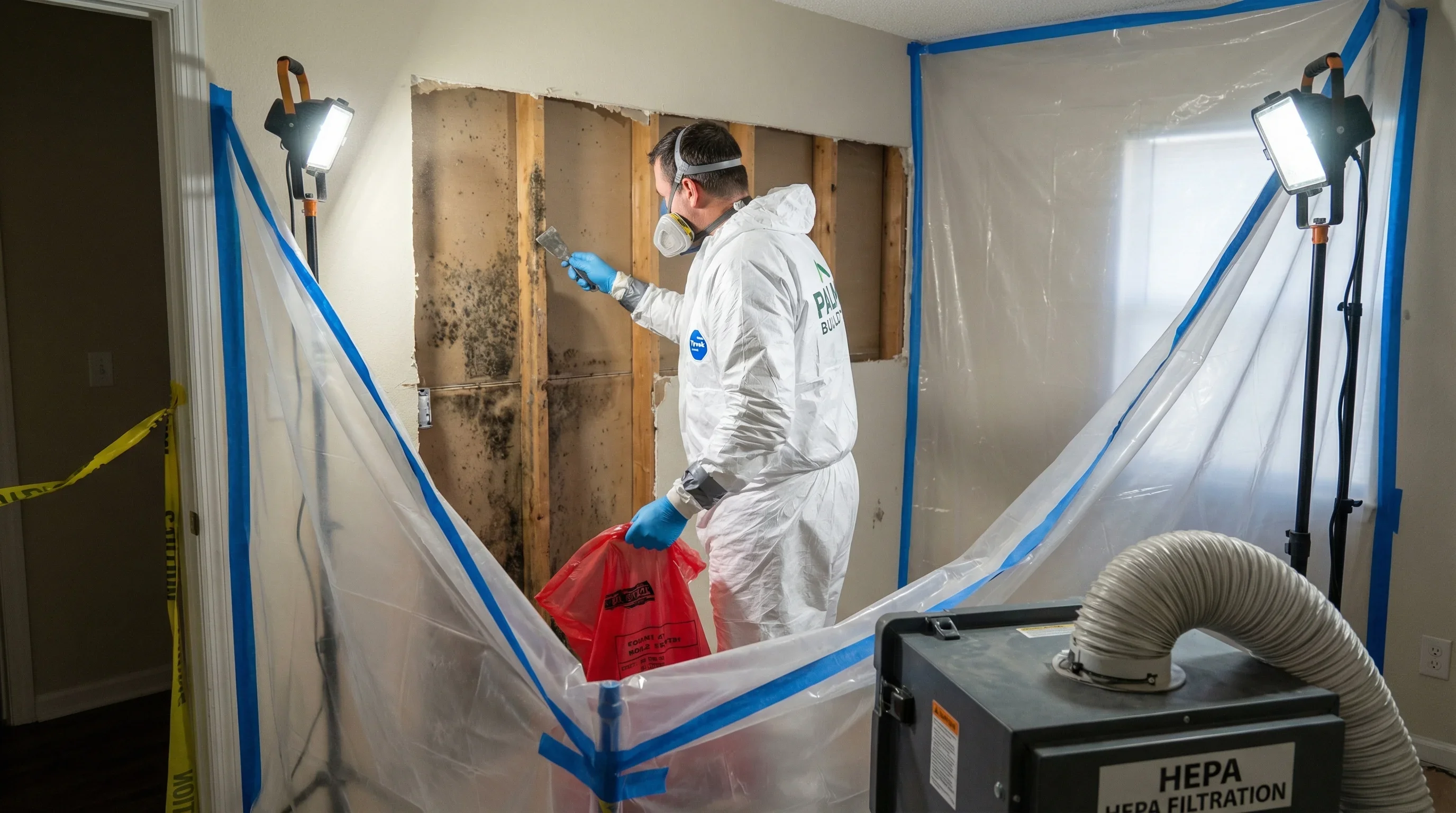
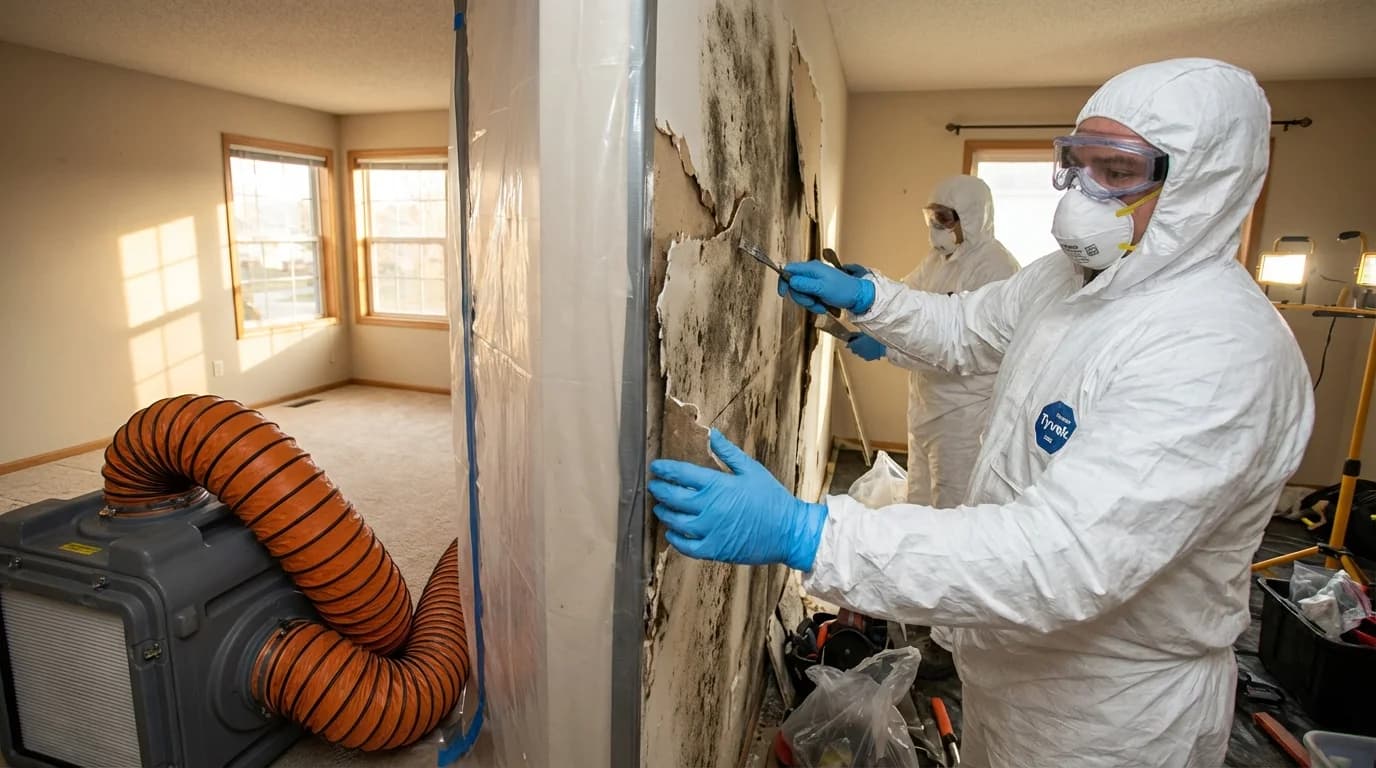
During the demolition of moldy drywall or the scrubbing of contaminated studs, millions of spores are released into the air. Without proper containment—consisting of 6-mil polyethylene plastic barriers and HEPA-filtered negative air machines—those spores will migrate to "clean" areas of the home. This is known as cross-contamination. If you find mold appearing in rooms that were previously unaffected, your contractor likely failed to maintain a negative pressure environment during the work.
The "Spray and Pray" Fallacy
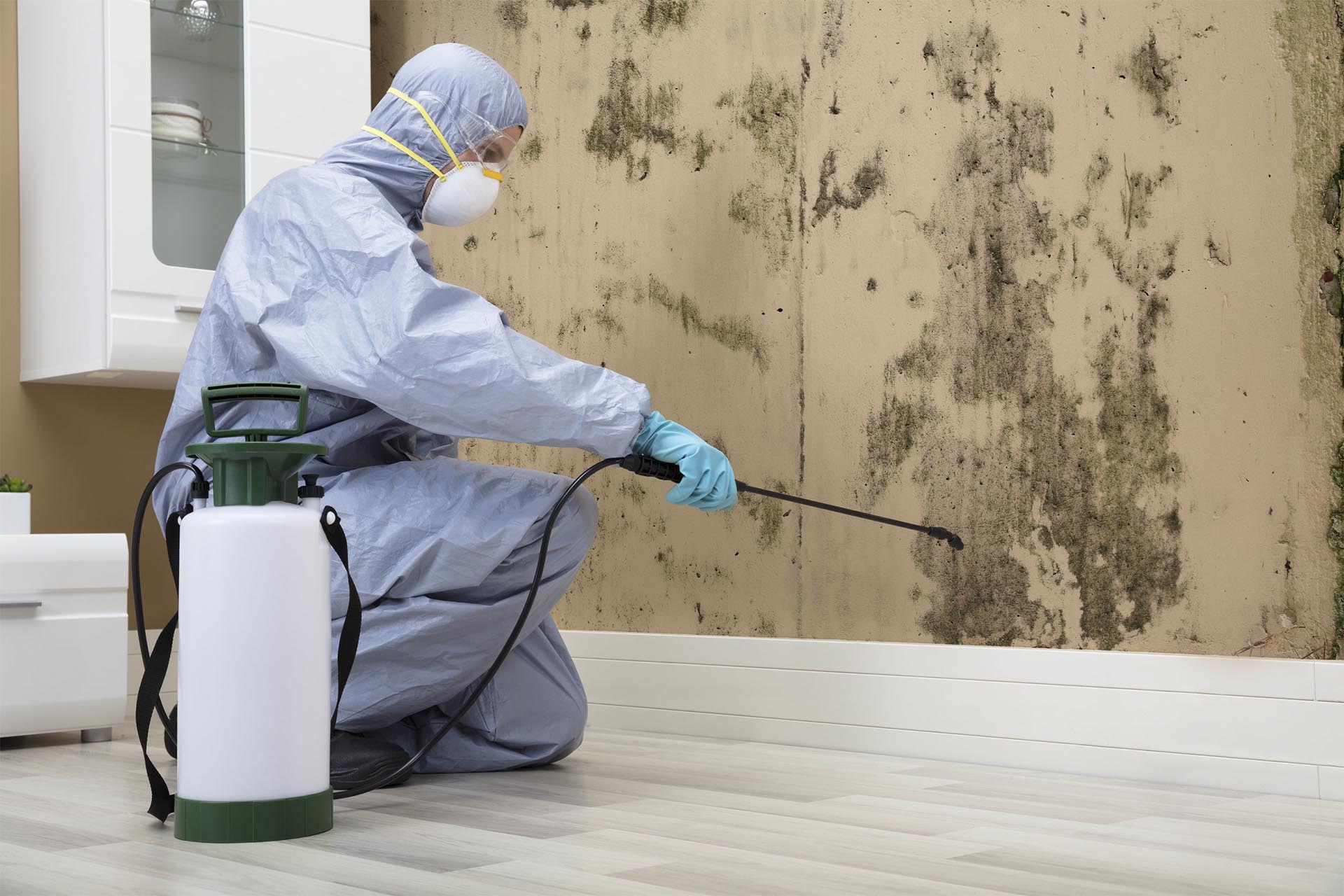
A major misconception in the industry is that "killing" mold is the same as "removing" mold. Many failed projects rely heavily on biocides, ozone generators, or "mold-killing" paints. However, dead mold spores are still allergenic and can be toxic.
The IICRC S520 guidelines emphasize physical removal. This involves:
- HEPA Vacuuming: Capturing fine particulate from surfaces.
- Damp Wiping: Using a surfactant to lift spores.
- Abrasive Cleaning: Sanding or wire-brushing wooden structural members to remove deeply embedded hyphae (mold roots).
If your contractor simply "fogged" the house or painted over the mold with an encapsulant without thorough cleaning, the mold will likely reappear or continue to cause health symptoms.
Hidden Reservoirs: The HVAC System
If the air continues to smell "musty" after remediation, or if occupants still experience respiratory issues, the mold may have colonized the HVAC (Heating, Ventilation, and Air Conditioning) system.
When a mold colony exists in a home, the HVAC system acts as a central distribution hub. Spores are pulled into the return vents, pass through the filter (which often cannot catch microscopic spores), and settle in the ductwork or on the cooling coils. If the remediation scope did not include a professional HVAC cleaning following NADCA (National Air Duct Cleaners Association) standards, the system will simply redistribute spores throughout the house the moment it is turned on.
Verification: How to Prove the Remediation Failed
You should never assume a remediation project is successful just because the visible mold is gone. Verification is a formal process that should be handled by a neutral third party.
Post-Remediation Verification (PRV)
Also known as "clearance testing," PRV should be performed by an independent Industrial Hygienist (IH) or a Certified Indoor Environmental Consultant (CIEC) who has no financial tie to the remediation company.
A proper PRV includes:
- Visual Inspection: Checking for dust, debris, or any remaining visible growth.
- Moisture Testing: Ensuring all structural materials have reached "dry" standards (usually below 15% moisture content for wood).
- Air Sampling: Comparing the spore counts inside the containment area to the outdoor "baseline" levels.
If the indoor spore levels are significantly higher than the outdoor levels, or if "marker" fungi like Stachybotrys (black mold) are detected, the clearance test is failed, and the contractor must reclean the area at their own expense.
| Remediation Step | Success Requirement | Failure Indicator |
|---|---|---|
| Moisture Control | Source fixed; materials <15% moisture | Materials remain damp or humidity >60% |
| Containment | Negative pressure maintained via HEPA | Dust/spores found in unaffected rooms |
| Removal | All "Condition 3" materials removed | Mold painted over or "fogged" only |
| HVAC Impact | Ducts and coils cleaned and verified | Musty odor when AC/Heat turns on |
| Clearance | Independent 3rd party testing passed | Contractor "self-certified" the work |
Financial and Legal Recourse
When mold remediation does not work, the financial burden can be significant. In 2026, standard mold remediation for a residential basement typically ranges from $2,500 to $7,000, but "re-remediation" (fixing a failed job) can cost 50% more due to the need for deeper cleaning and expanded testing.
Reviewing the Contract and Warranty
Check your initial contract for a "guarantee of clearance." Reputable firms will stipulate that they will continue cleaning until the area passes an independent PRV. If your contractor refuses to return, you may need to file a claim against their Pollution Liability Insurance or their professional bond.
Insurance Complications
Most homeowners' insurance policies have a "mold cap" (often $5,000 or $10,000). If the first remediation attempt exhausted this cap, the insurer may be reluctant to pay for a second attempt. In this case, you may have a legal claim against the original contractor for "negligent remediation" or "breach of contract."
Steps to Take Now
If you suspect your mold remediation has failed, follow these steps to regain control of your environment:
- Stop the Work: If the contractor is still on-site, stop the work immediately if you notice a lack of containment or if they are simply painting over mold.
- Hire an Independent Consultant: Do not rely on the remediation company’s testing. Hire a third-party consultant to perform a forensic audit of the work.
- Document Everything: Take photos of any recurring mold and keep a log of health symptoms.
- Re-evaluate the Moisture Source: Use a different plumber or leak detection specialist to ensure the original water source was actually stopped.
- Expand the Scope: If the failure was due to cross-contamination, the entire home may now require a "Level 2" cleaning (cleaning of all horizontal surfaces and HEPA vacuuming of the whole house).
Frequently Asked Questions
Can I sue a contractor if the mold remediation fails?
Yes, you can potentially sue for breach of contract or professional negligence, especially if the contractor failed to follow industry standards like the IICRC S520. Most successful cases rely on a failed Post-Remediation Verification (PRV) report from an independent industrial hygienist as evidence that the work was not completed to professional standards.
How long should I wait after remediation to test for success?
Post-remediation testing should ideally occur at least 24 to 48 hours after the air scrubbers have been turned off. This allows the air to reach a "natural" state. Testing too soon while air scrubbers are running may produce a "false clean" result, as the machines are actively removing the evidence of a failed cleanup.
Is "black mold" harder to remediate than other types?
While Stachybotrys chartarum (often called black mold) is more associated with health risks, the remediation process is technically the same for all mold types. The failure is rarely due to the "strength" of the mold and almost always due to the failure of the contractor to follow containment and removal protocols.
Should I pay the contractor if the mold is still there?
You should review your contract. Most professional mold remediation contracts specify that final payment is contingent upon passing an independent clearance test. If the mold is visually present or if the air samples fail, you are generally not obligated to make the final payment until the "Scope of Work" is successfully completed.
Why does the room still smell like mold after remediation?
A lingering "musty" odor usually indicates one of three things: the moisture source is still active, mold was missed inside a wall cavity or under flooring, or the HVAC system is contaminated. "Dead" mold does not typically produce the microbial volatile organic compounds (mVOCs) that cause the musty smell, so an odor is a strong indicator of active growth.
Final Recommendation
When mold remediation fails, do not attempt to fix it with DIY "mold-killing" sprays. These products often introduce more moisture and fail to address the root cause. Your next action should be to hire an independent Indoor Environmental Professional (IEP). By identifying the exact point of failure—whether it was an unstopped leak or poor containment—an IEP can provide a new, scientifically sound "Remediation Protocol" that a different, qualified contractor can follow to ensure your home is finally safe.
Image Gallery