How to Tell If Your Thyroid Is Swollen: Symptoms, Self-Check, and Next Steps
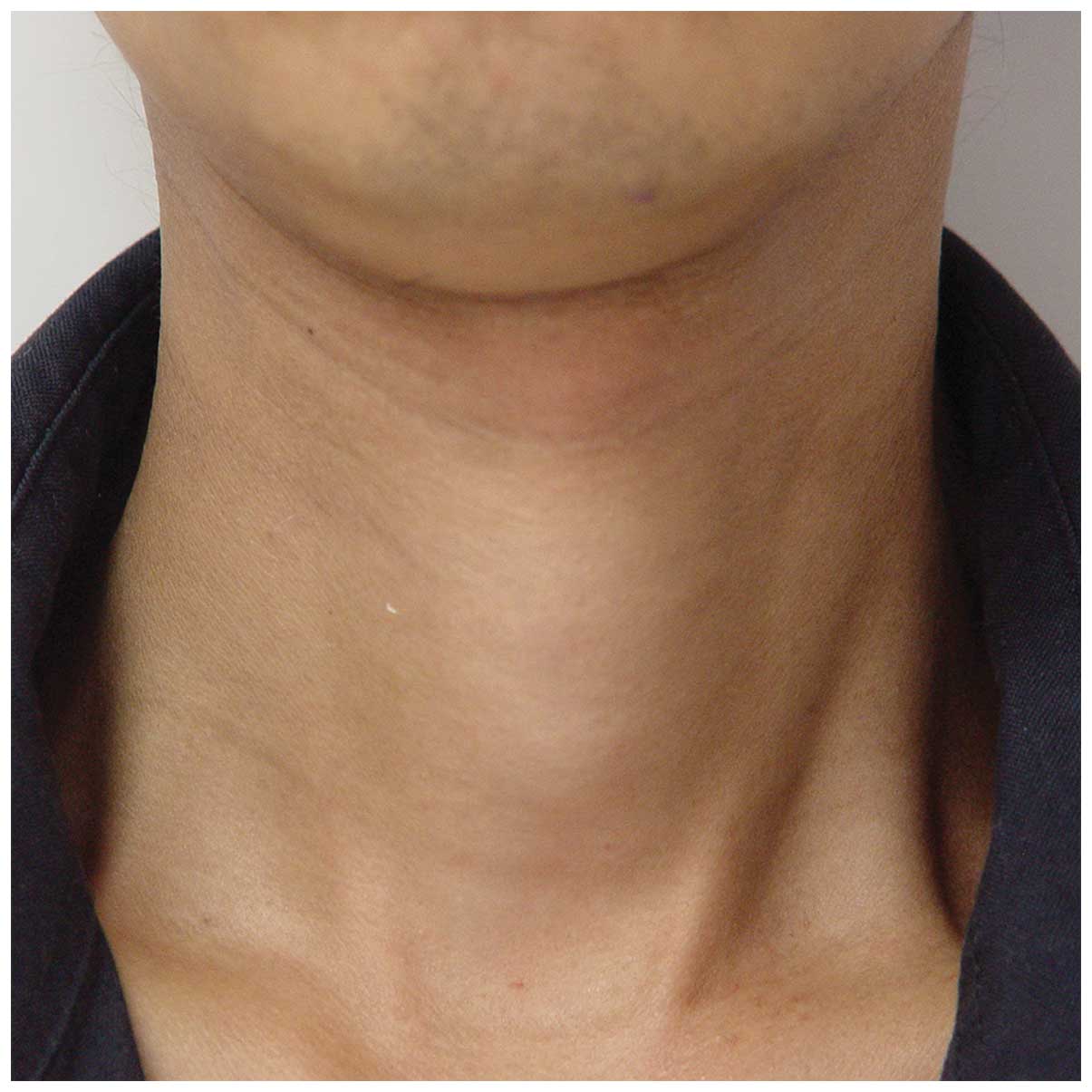
To tell if your thyroid is swollen, look at the front lower neck between your Adam’s apple and collarbone for visible bulges or asymmetry. You may feel tight neck pressure, persistent hoarseness, or difficulty swallowing. Performing a...
To tell if your thyroid is swollen, look at the front lower neck between your Adam’s apple and collarbone for visible bulges or asymmetry. You may feel tight neck pressure, persistent hoarseness, or difficulty swallowing. Performing a simple home water-swallowing check in front of a mirror helps spot abnormal movement or lumps.
Contents
Medical Disclaimer: The information provided in this guide is for educational purposes only and is not a substitute for professional medical evaluation, diagnosis, or treatment. Always consult a qualified healthcare provider regarding any neck swelling or endocrine symptoms.
Understanding Thyroid Anatomy and Enlargement
The thyroid is a small, butterfly-shaped endocrine gland located at the base of the front of your neck, resting just below the thyroid cartilage (commonly called the Adam's apple) and directly above the collarbone (clavicle). Under normal circumstances, the thyroid is soft, small, and difficult to detect by touch. It wraps around the windpipe (trachea) and plays a central role in your overall health by producing hormones—primarily thyroxine ($T_4$) and triiodothyronine ($T_3$)—that regulate metabolic rate, heart function, body temperature, and cellular energy.
When the thyroid gland becomes abnormally enlarged, the medical term for the condition is a goiter. Swelling can affect the entire gland uniformly (diffuse goiter) or present as localized lumps within the gland (nodular goiter). A nodular goiter may feature a single nodule (uninodular) or multiple distinct growths (multinodular).
Identifying thyroid swelling early is critical because an enlarged gland can stem from various underlying issues. These range from benign inflammation and common autoimmune conditions to nutritional imbalances and, less frequently, thyroid malignancies. Understanding how the thyroid sits in relation to surrounding neck structures allows you to spot abnormal changes early and communicate effectively with your physician.
Key Signs and Symptoms of a Swollen Thyroid
Detecting a swollen thyroid involves recognizing both physical (anatomical) changes in the neck and systemic symptoms caused by altered hormone production. Because the thyroid sits tightly against the trachea and esophagus, physical enlargement often exerts direct mechanical pressure on surrounding organs.
Physical and Localized Symptoms
- Visible Fullness or Asymmetry: The lower front section of your neck may look thicker than usual, lose its normal contour, or bulge noticeably on one or both sides of the windpipe.
- Sensation of Neck Tightness: Many individuals report feeling as though a tight collar is pressing against their throat, or sensing a persistent lump in the neck that does not clear when swallowing (a sensation known as globus).
- Difficulty Swallowing (Dysphagia): As the gland expands backward, it can compress the esophagus, making solid food or liquids feel stuck in the lower throat.
- Breathing Discomfort (Dyspnea): An enlarged thyroid pressing against the trachea can cause shortness of breath, particularly when lying flat on your back or reaching overhead (Pemberton’s sign).
- Voice Changes and Hoarseness: Compression of the recurrent laryngeal nerve, which runs adjacent to the thyroid and controls the vocal cords, can cause a raspy, weak, or hoarse voice that lasts for weeks.
- Persistent Cough or Throat Clearing: Mechanical irritation of the trachea often triggers an unexplained, dry tickle in the throat.
Systemic Hormonal Symptoms
Thyroid enlargement often occurs alongside changes in thyroid hormone levels. Depending on whether your body is producing too much or too little hormone, you may experience distinct systemic signs:
- Signs of Hyperthyroidism (Overactive Thyroid): Unexplained weight loss, rapid or irregular heartbeat (palpitations), nervous jitteriness, increased sweating, heat intolerance, frequent bowel movements, and muscle weakness.
- Signs of Hypothyroidism (Underactive Thyroid): Unexplained weight gain, chronic fatigue, dry skin, thinning hair, severe sensitivity to cold, constipation, memory fog, and depressive moods.
How to Perform a Home Thyroid Neck Check (The Swallow Test)
A simple self-examination can help you inspect your neck for visible bulges or subtle movement changes. Endocrinologists frequently recommend the "water swallow test" as a preliminary home self-check.
- Step 1: Position: Stand in front of a mirror focusing on the area below the Adam's apple.
- Step 2: Tilt Head: Slightly tilt your head back to extend the skin over the front neck.
- Step 3: Swallow Water: Take a sip of water and swallow while watching for moving lumps/bulges.
- Step 4: Gentle Touch: Lightly feel the area with fingertips to check for hard or tender spots.
Step-by-Step Instructions
- Prepare your setup: Stand directly in front of a well-lit wall mirror. Locate the correct region of your neck: find your Adam's apple, move your finger down to the cricoid cartilage, and focus on the area just above your collarbone.
- Position your head: Tilt your chin slightly backward so that your throat is stretched and visible, while keeping your neck muscles reasonably relaxed. Avoid tilting so far back that the neck tendons tighten excessively, which can obscure the gland.
- Take a sip of water: Hold a glass of water, take a small sip, and prepare to swallow.
- Observe while swallowing: Watch the lower front region of your neck closely as you swallow the water. The thyroid gland and surrounding cartilages move up and down during the swallowing motion. Look for any unusual bulges, asymmetric movement, swelling, or protruding lumps shifting under the skin.
- Repeat and inspect visually: Repeat the test several times, viewing your neck from the front as well as from a slight side angle to catch subtle shadows or asymmetry.
- Gently palpate the area: Using the pads of your fingers, gently press along both sides of your windpipe just above the collarbones as you swallow. Note whether you feel any firm nodules, generalized enlargement, tenderness, or differences between the right and left sides.
Note: A self-check is an initial screening tool, not a diagnostic confirmation. Normal structures like the thyroid cartilage can feel prominent in lean individuals, while deep thyroid nodules may not be visible to the naked eye.
Common Causes of Thyroid Swelling
Thyroid enlargement occurs due to functional disruptions, structural changes, or inflammatory responses within the tissue. Understanding the cause is essential for selecting the appropriate treatment path.
- Thyroid Swelling Causes
- Autoimmune
- Hashimoto's
- Graves' Disease
- Structural
- Solitary Nodule
- Multinodular Goiter
- Inflammatory/Other
- Subacute Thyroiditis
- Iodine Deficiency
- Autoimmune
1. Hashimoto’s Thyroiditis
Hashimoto's disease is an autoimmune condition in which the immune system mistakenly attacks the thyroid tissue. Over time, chronic lymphocytic inflammation leads to progressive destruction of the gland and reduced hormone output (hypothyroidism). In response to elevated Thyroid-Stimulating Hormone (TSH) from the pituitary gland attempting to stimulate performance, the thyroid often swells into a firm, rubbery goiter.
2. Graves’ Disease
Graves' disease is an autoimmune disorder where autoantibodies (specifically thyroid-stimulating immunoglobulins) continuously stimulate the TSH receptor. This forces the thyroid to overproduce hormones (hyperthyroidism) and causes the entire gland to swell uniformly into a smooth, vascular goiter.
3. Thyroid Nodules (Solitary or Multinodular)
Nodules are fluid-filled cysts or solid clumps of tissue that develop within the thyroid parenchyma. While the vast majority (over 90%) of thyroid nodules are benign adenomas or cysts, their presence can create visible lumps or expand the overall size of the gland. A multinodular goiter occurs when several distinct nodules grow across both lobes.
4. Thyroiditis (Inflammation)
Thyroiditis refers to acute or subacute inflammation of the thyroid tissue, often triggered by a viral infection, postpartum immune shifts, or certain medications (such as lithium or amiodarone). Subacute granulomatous thyroiditis typically presents with sudden, painful neck swelling, localized tenderness, and temporary fluctuations between hyperthyroidism and hypothyroidism.
5. Iodine Deficiency or Excess
Iodine is a vital mineral required by the thyroid to manufacture $T_3$ and $T_4$. In regions where dietary iodine intake is insufficient, the pituitary gland continuously releases TSH to maximize iodine capture, driving tissue growth and resulting in an endemic goiter. Conversely, sudden excessive iodine intake can also disrupt hormone synthesis and induce swelling in susceptible individuals.
6. Thyroid Cancer
While far less common than benign goiters or nodules, thyroid malignancies (such as papillary, follicular, medullary, or anaplastic carcinoma) can manifest as a rapidly expanding, hard, non-tender lump or nodule in the neck. Prompt evaluation of any distinct neck mass is critical to rule out cellular malignancy.
Comparative Diagnostic Overview
Evaluating thyroid enlargement involves distinguishing between different structural and functional presentations. The following table summarizes common characteristics associated with swollen thyroid conditions.
| Condition | Typical Visual Presentation | Tactile Feel (Palpation) | Common Associated Symptoms | Initial Diagnostic Urgency |
|---|---|---|---|---|
| Hashimoto’s Goiter | Diffuse, moderate enlargement at neck base | Firm, rubbery, typically non-tender | Fatigue, weight gain, cold intolerance, dry skin | Routine (Days to Weeks) |
| Graves’ Disease Goiter | Diffuse, smooth enlargement; may show neck fullness | Soft to firm, uniform, non-tender | Heart palpitations, weight loss, tremor, bulging eyes | Prompt (Within Days) |
| Benign Thyroid Nodule | Asymmetric localized bulge or single lump | Discrete, smooth, movable nodule | Often asymptomatic; occasional throat pressure | Routine (Weeks) |
| Subacute Thyroiditis | Mild to moderate visible neck swelling | Highly tender, exquisite pain to gentle touch | Neck pain radiating to jaw/ears, fever, restlessness | Prompt (Within Days) |
| Thyroid Malignancy | Asymmetric, solitary prominent growth | Hard, fixed to surrounding tissues, non-tender | Voice hoarseness, dysphagia, swollen lymph nodes | Urgent (Immediate evaluation) |
When to Seek Immediate Medical Attention
While many cases of thyroid swelling develop slowly and are non-emergency conditions, specific symptoms require rapid medical intervention. You should contact a physician immediately or visit an urgent care facility if you experience any of the following warning signs:
RED FLAG SYMPTOMS DETECTED?
- YES: Seek Urgent Medical Attention
- Stridor / noisy breathing
- Rapidly expanding neck mass
- Severe dysphagia / choking
- Sudden loss of voice
- NO: Schedule Routine Physician Consultation
- Serum TSH testing
- Thyroid ultrasound
- Clinical neck palpation
- YES: Seek Urgent Medical Attention
Stridor or Respiratory Distress: High-pitched, noisy breathing or sudden shortness of breath when lying flat, which indicates critical windpipe compression.
Rapid, Uncontrolled Growth: A neck mass or lump that visibly expands over a period of days or weeks.
Severe Dysphagia: Inability to swallow liquids or feeling as though food is completely blocked from passing down the throat.
Hard, Fixed Mass: A neck bump that feels rigid, immobile, and stuck to underlying structures when touched.
Persistent Unexplained Hoarseness: Sudden onset of vocal changes, raspy speech, or loss of voice that persists past two weeks without upper respiratory infection symptoms.
Swollen Cervical Lymph Nodes: Enlarged, firm lymph nodes along the side of the neck accompanying a firm thyroid lump.
Clinical Diagnostic Evaluation: What to Expect
If you or your physician suspect a swollen thyroid, a series of standardized diagnostic procedures will be conducted to confirm the gland's structure and functional status.
- Patient Evaluation
- Lab Diagnostic Workup
- Serum TSH Level
- Free T4 and Free T3
- TPO / TSI Antibodies
- Imaging & Tissue
- High-Resolution Ultrasound
- Fine Needle Aspiration (FNA)
- Radioactive Iodine Uptake Scan
- Lab Diagnostic Workup
Laboratory Blood Tests
Blood tests measure circulating hormone levels and autoantibody titers to define thyroid function:
- Thyroid-Stimulating Hormone (TSH): The primary screening marker. Low TSH levels suggest thyroid overactivity (hyperthyroidism), while high TSH levels indicate underactivity (hypothyroidism).
- Free Thyroxine ($T_4$) and Free Triiodothyronine ($T_3$): Direct measurement of unbound, active thyroid hormones circulating in the bloodstream.
- Thyroid Antibodies: Testing for Thyroid Peroxidase (TPO) antibodies helps confirm Hashimoto’s thyroiditis, while Thyroid-Stimulating Immunoglobulin (TSI) targets Graves’ disease.
Diagnostic Imaging
- High-Resolution Thyroid Ultrasound: Sound wave imaging provides clear structural details of the neck. Ultrasound determines whether swelling is diffuse or nodular, measures precise dimensions, differentiates solid masses from fluid-filled cysts, and identifies suspicious sonographic features (microcalcifications, irregular margins, hypervascularity).
- Radioactive Iodine Uptake (RAIU) Scan: Administers a small oral dose of radioactive iodine to evaluate metabolic activity. "Hot" nodules (absorbing high iodine) are almost always benign, whereas "cold" nodules (absorbing little iodine) may warrant further tissue investigation.
Fine Needle Aspiration (FNA) Biopsy
If an ultrasound reveals a nodule greater than 1 to 1.5 centimeters with suspicious characteristics, an FNA biopsy is performed. Under real-time ultrasound guidance, a practitioner inserts a micro-thin needle into the nodule to extract tissue cells for cytological examination. This procedure confirms whether the growth is benign or malignant.
Evidence-Based Treatment Options
Treatment for a swollen thyroid depends entirely on the underlying cause, the physical size of the goiter, and whether hormone production is disrupted.
- Clinical Diagnosis
- Asymptomatic / Benign
- Active Surveillance
- Periodic Ultrasound
- Hormonal Imbalance
- Levothyroxine (Hypo)
- Methimazole / PTU (Hyper)
- Severe / Compression
- Thyroidectomy Surgery
- Radioactive Iodine (RAI)
- Asymptomatic / Benign
Active Surveillance (Watchful Waiting)
If diagnostic testing shows a small, benign goiter or minor nodules with normal TSH levels and no physical airway restriction, active intervention may not be necessary. Endocrinologists monitor the condition through periodic neck ultrasounds and blood panels every 6 to 12 months.
Pharmacotherapy
- Thyroid Hormone Replacement: For goiters caused by hypothyroidism or Hashimoto's disease, synthetic levothyroxine ($L-T_4$) restores normal hormone levels. This suppresses elevated TSH stimulation, which often shrinks or stabilizes the goiter.
- Antithyroid Medications: For hyperthyroid conditions like Graves' disease, drugs such as methimazole or propylthiouracil (PTU) block hormone production, reducing metabolic strain and systemic symptoms.
- Anti-inflammatory Medications: Subacute thyroiditis is typically managed with nonsteroidal anti-inflammatory drugs (NSAIDs) or short courses of oral corticosteroids (such as prednisone) to reduce painful glandular swelling.
Radioactive Iodine Ablation ($I^{131}$)
Radioactive iodine therapy is used for hyperactive glands, toxic nodular goiters, or select thyroid cancers. Patiently absorbed by thyroid tissue, the radioactive isotope gradually destroys overactive or enlarged cells, causing the overall gland to shrink significantly over several months.
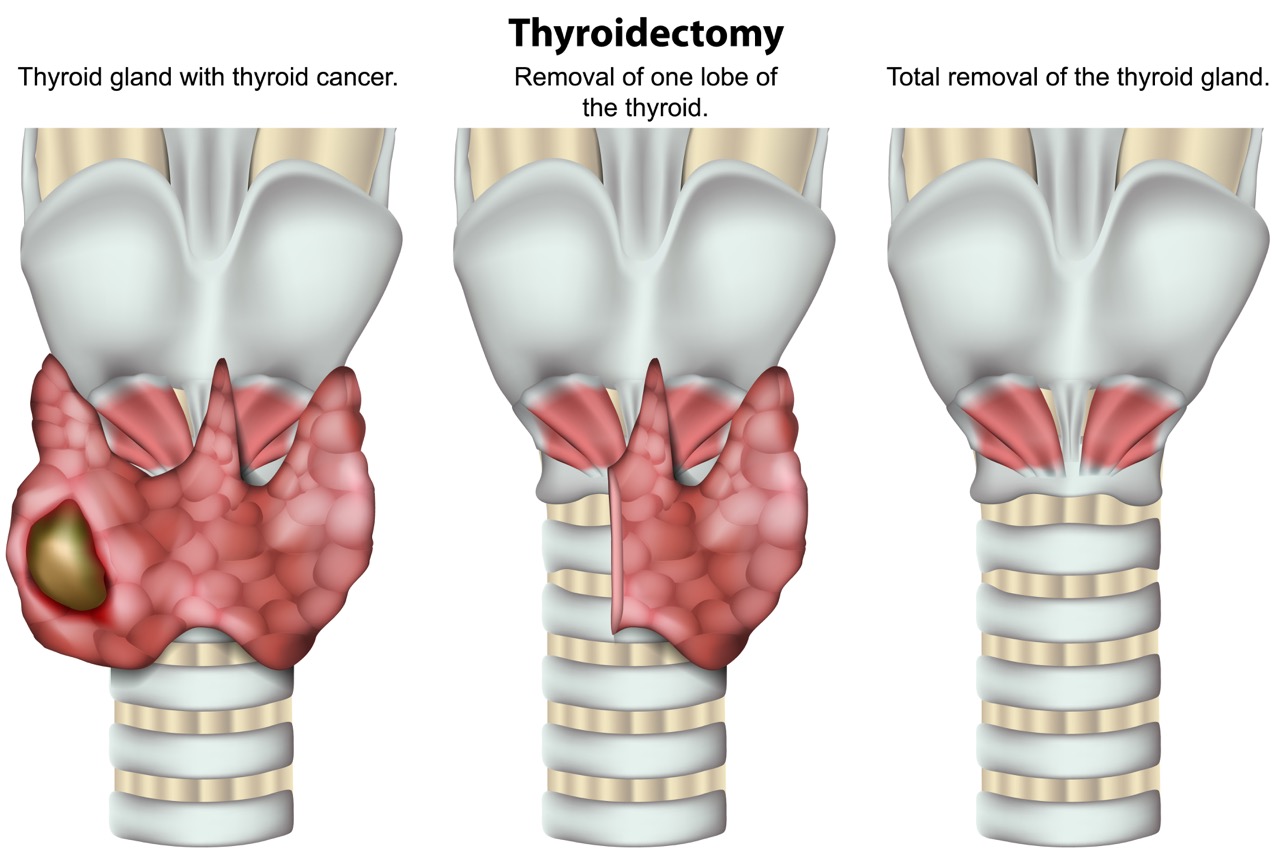
Surgical Intervention (Thyroidectomy)
Surgical removal of part (lobectomy) or all (total thyroidectomy) of the thyroid gland is indicated when:
- The goiter is large enough to compress the trachea or esophagus, causing chronic dyspnea or dysphagia.
- An FNA biopsy confirms or strongly suspects thyroid cancer.
- A multinodular goiter continues to expand despite medical therapy.
Following a total thyroidectomy, patients take daily lifelong thyroid hormone replacement therapy to maintain vital body functions.
Frequently Asked Questions
What does a swollen thyroid feel like from the outside?
A swollen thyroid usually feels like a firm, smooth, or bumpy mass at the base of the front neck, just above the collarbone. Depending on the cause, it can feel soft and uniform (Graves' disease), rubbery (Hashimoto's thyroiditis), nodular with distinct lumps, or tender to the touch (subacute thyroiditis).
Can stress cause your thyroid to swell?
Stress does not directly cause structural thyroid swelling or goiter formation. However, severe chronic stress can dysregulate immune system performance and exacerbate underlying autoimmune thyroid conditions, such as Hashimoto's or Graves' disease, which subsequently leads to tissue inflammation and enlargement.
Is a swollen thyroid always serious?
No. The majority of thyroid swellings and nodules are benign (non-cancerous) conditions like simple goiters, thyroiditis, or fluid cysts. However, because swelling can occasionally indicate malignant growths or cause airway compression, any unexplained neck mass requires professional clinical evaluation.
What is the difference between a goiter and a thyroid nodule?
A goiter refers to generalized enlargement of the entire thyroid gland. A thyroid nodule is a distinct, localized growth or lump within the thyroid tissue. A person can have a diffuse goiter without individual nodules, or a nodular goiter containing one or several discrete lumps.
How quickly does thyroid swelling develop?
The progression rate depends on the underlying cause. Inflammatory conditions like subacute thyroiditis can cause visible neck swelling over a few days. Autoimmune goiters and benign multinodular growth typically develop slowly over several months or years. Rapid enlargement over days or weeks warrants prompt medical evaluation.
Summary of Next Steps
If you suspect your thyroid is enlarged based on physical signs, symptoms, or a self-check, take the following steps:
- Schedule an appointment with your primary care provider or an endocrinologist for a formal neck palpation.
- Request comprehensive laboratory testing, including TSH, Free T4, and TPO antibody panels.
- Obtain a baseline high-resolution diagnostic ultrasound to assess tissue density, gland size, and nodule structure.
- Avoid self-medicating with high-dose iodine supplements or kelp pills before consulting a specialist, as excess iodine can worsen hyperthyroidism or autoimmune thyroid flares.
EDITORIAL CATEGORY METADATA:
Image Gallery