How to Get Money Out of a Gerber Whole Life Insurance Policy
To get money out of a Gerber whole life insurance policy, you can take out a policy loan, perform a partial surrender (withdrawal), or fully surrender the policy for its current cash value. Most Gerber policies, including the popular G...
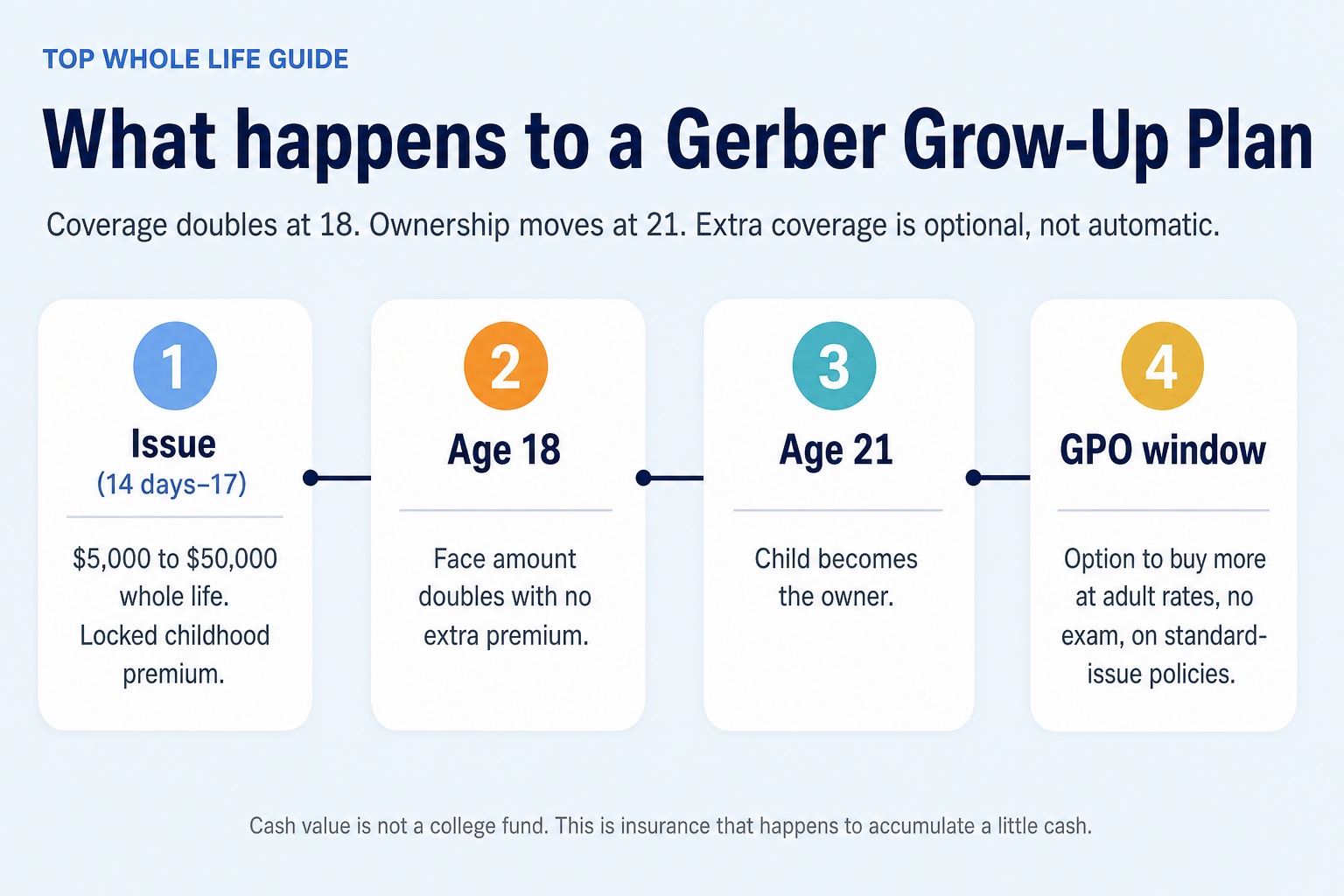
To get money out of a Gerber whole life insurance policy, you can take out a policy loan, perform a partial surrender (withdrawal), or fully surrender the policy for its current cash value. Most Gerber policies, including the popular Grow-Up® Plan, begin accumulating guaranteed cash value after the first few years of premium payments, which can then be accessed for any financial need.
Contents
Accessing the liquidity within a life insurance policy is a significant advantage of permanent coverage, but it requires an understanding of how the "cash value" component functions compared to the "death benefit." As of 2026, Gerber Life Insurance remains a prominent provider of juvenile and adult whole life products. Whether you are a parent who bought a policy for a child decades ago or an adult policyholder looking for emergency funds, the process for accessing your equity is standardized but carries specific long-term implications.
Understanding the Cash Value Mechanism in Gerber Life Policies
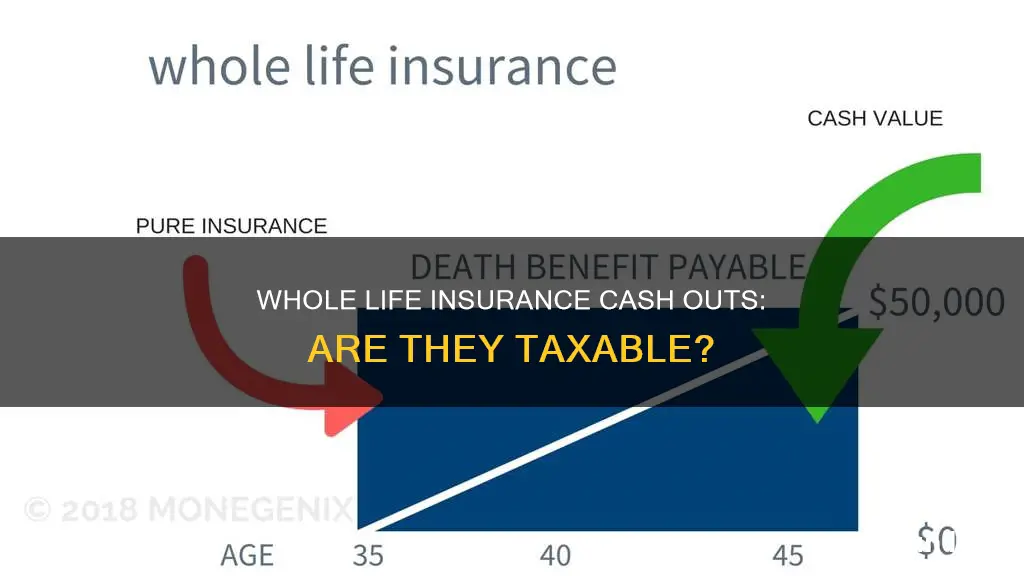
Before attempting to extract funds, it is essential to understand what you are accessing. Gerber Whole Life Insurance is a "permanent" policy. Unlike term insurance, which only provides a payout upon death, a portion of every premium dollar you pay into a Gerber policy is funneled into a tax-deferred savings account known as cash value.
In the early years of a Gerber policy—typically years one through three—the cash value is negligible because the majority of your premiums go toward the cost of insurance (underwriting the risk) and administrative fees. However, by 2026, if your policy has been active for five, ten, or twenty years, the cash value may represent a significant sum.
The cash value is "guaranteed," meaning it grows at a fixed rate specified in your original policy contract. It does not fluctuate with the stock market. This stability makes it a reliable source of emergency capital, provided you understand the three primary methods of extraction: loans, partial surrenders, and full surrenders.
Method 1: Taking a Policy Loan
A policy loan is often the most recommended way to get money out of a Gerber policy if you intend to keep the insurance coverage active. In this scenario, you are not technically withdrawing your own money; instead, you are borrowing money from Gerber Life Insurance Company using your policy’s cash value as collateral.
How Policy Loans Work
When you take a loan, your cash value continues to sit in the account, often still earning a small amount of interest, while Gerber provides you with a check or direct deposit. Because you are borrowing against the policy, there is no credit check required, and the loan does not appear on your credit report.
Key Considerations for 2026
- Interest Rates: Gerber charges interest on policy loans. In 2026, these rates typically hover around 8%, though you should check your specific policy contract for the fixed rate.
- Repayment Flexibility: You are not required to make monthly payments. You can choose to pay back the principal and interest at your own pace, or not at all.
- Impact on Death Benefit: If you pass away with an outstanding loan, the balance (including accrued interest) is deducted from the death benefit paid to your beneficiaries. For example, if you have a $50,000 policy and a $5,000 outstanding loan, your beneficiaries will receive $45,000.
Method 2: Partial Surrender (Withdrawal)
A partial surrender allows you to withdraw a specific portion of the cash value without the obligation to pay it back. However, this is not a "loan," and it has a permanent impact on the policy's structure.
The Mechanics of Partial Surrender
When you request a partial surrender from Gerber, you are effectively "selling back" a piece of your insurance coverage to the company. If you withdraw $2,000 from the cash value, the total face value (the death benefit) of the policy will be reduced by a proportional amount.
Pros and Cons
The primary advantage is that there is no interest to pay and no debt to manage. The disadvantage is the permanent reduction in the protection you have built. Furthermore, if you withdraw an amount that exceeds the total premiums you have paid into the policy (your "cost basis"), the excess may be subject to income tax.
Method 3: Full Policy Surrender
A full surrender is the process of canceling the insurance policy entirely in exchange for its "Net Cash Surrender Value." This is the total accumulated cash value minus any outstanding loans, interest, or surrender charges.
When to Consider Full Surrender
This option is usually chosen when the insurance is no longer needed—for example, if a child covered under a Grow-Up® Plan is now an adult with their own robust insurance portfolio. Once you surrender the policy, the coverage terminates instantly.
Receiving the Funds
By 2026, Gerber Life has streamlined the surrender process through their online portal, though a signed "Surrender Request Form" is often still required for security and verification purposes. Once processed, the funds are typically sent via check or ACH transfer within 7 to 10 business days.
Comparison of Access Methods
| Feature | Policy Loan | Partial Surrender | Full Surrender |
|---|---|---|---|
| Repayment Required? | No, but interest accrues | No | N/A (Policy ends) |
| Credit Check? | No | No | No |
| Tax Implications? | Generally tax-free | Taxed over cost basis | Taxed over cost basis |
| Coverage Status | Remains active | Remains active (reduced) | Terminated |
| Interest Charges | Yes (approx. 8%) | No | No |
| Best Use Case | Short-term emergency | Permanent cash need | Policy no longer needed |
Prerequisites and Eligibility Requirements
You cannot withdraw money from a Gerber policy the day after you buy it. There are specific eligibility hurdles that must be cleared:
- Age of the Policy: Most Gerber whole life policies require at least 2 to 3 years of consistent premium payments before a "surrender value" begins to materialize.
- Ownership Rights: If the policy is a Grow-Up® Plan for a child, only the policy owner (the parent or grandparent who purchased it) can request funds until the child reaches the "age of maturity" (usually 18 or 21, depending on the state), at which point ownership may transfer to the child.
- Minimum Loan/Withdrawal Amounts: Gerber typically sets a minimum threshold for checks (e.g., $200) to avoid the administrative costs of processing micro-transactions.
- Available Equity: You can usually only borrow up to 90% of the available cash value to ensure there is enough left in the account to cover the cost of insurance and keep the policy from lapsing.
Step-by-Step Guide to Requesting Your Money
To access your funds in 2026, follow these operational steps:
Step 1: Determine Your Current Cash Value
Log into the Gerber Life Customer Portal or call their customer service line at 1-800-704-2180. Request a "Policy Illustration" or a "Current Status Report." This document will show you exactly how much cash value is available for a loan versus a full surrender.
Step 2: Select Your Method
Decide if you want a loan (to keep coverage) or a surrender (to take the cash and potentially reduce or end coverage). If choosing a loan, ask for the current interest rate and a "maximum loan amount" quote.
Step 3: Complete the Required Documentation
For loans, you can often complete the request over the phone or through a simple digital form. For surrenders (partial or full), Gerber requires a signed Surrender Request Form. If the policy is for a significant amount, they may require a "Medallion Signature Guarantee" or a notary's seal to prevent fraud.
Step 4: Verification and Disbursement
Gerber will verify the policy ownership and the current status of premium payments. If the policy is in its "grace period" (overdue on premiums), the company may deduct the unpaid premiums from your payout. Once approved, funds are distributed.
Tax Implications and Financial Considerations
The IRS views life insurance as a "First-In, First-Out" (FIFO) asset. This is highly beneficial for policyholders.
- Tax-Free Basis: You can withdraw or surrender funds up to the total amount of premiums you have paid (your "basis") without owing a cent in federal income tax.
- Taxable Gains: If your cash value has grown to $10,000 but you only paid $7,000 in premiums over the years, and you surrender the policy, the $3,000 gain is taxed as ordinary income, not capital gains.
- Loan Exceptions: Policy loans are generally not considered taxable income, even if the loan amount exceeds the basis, provided the policy remains active. However, if a policy with an outstanding loan is surrendered or lapses, that loan balance is treated as a "constructive distribution" and may trigger a sudden tax bill.
For detailed tax guidance, consult IRS Publication 590 regarding life insurance contracts or a qualified tax professional.
Common Pitfalls to Avoid
Many policyholders make mistakes that lead to the accidental loss of coverage or unnecessary tax hits.
- Ignoring Interest Accrual: If you take a loan and never pay the interest, that interest is added to the loan balance (capitalized). Over many years, the loan can grow so large that it "eats" all the remaining cash value, causing the policy to lapse.
- Surrendering Too Early: If you surrender a policy in its 4th or 5th year, you might only get a fraction of what you paid in. Whole life insurance is a long-term play; the "break-even point" where cash value equals premiums paid often doesn't happen until year 10 or 15.
- Beneficiary Oversight: Before taking a large withdrawal or loan, consider your beneficiaries. If the original purpose of the Gerber policy was to provide a legacy or burial funds, a large loan could leave your loved ones with very little after the debt is settled.
FAQ
How long does it take to get money from my Gerber policy?
For policy loans and ACH transfers, the process typically takes 5 to 7 business days. If you request a physical check via mail, it may take 10 to 14 days depending on postal speed in 2026.
Can I withdraw money from a Gerber Grow-Up® Plan?
Yes. The Grow-Up® Plan is a whole life policy that builds cash value. As the policy owner, you can access these funds via loan or surrender just like any other whole life product.
Will taking money out affect my child’s future coverage?
If you take a policy loan, the coverage remains active. If you perform a partial surrender, the death benefit is permanently reduced. If you surrender the policy entirely, the child will have no coverage and would need to apply for a new policy later at their current age and health status.
Is there a penalty for withdrawing money from a Gerber policy?
There are no "penalties" in the way a 401(k) has early withdrawal penalties, but there may be "surrender charges" if the policy is very new. Additionally, you will pay interest on loans and potentially income tax on gains if you surrender for more than you paid in.
Does Gerber Life allow online withdrawals?
By 2026, Gerber Life allows policyholders to initiate loan requests through their mobile app and online portal. Full surrenders usually require a signed document for legal verification.
Final Recommendation
If you need liquidity from your Gerber Whole Life policy, start with a policy loan rather than a surrender. This preserves the death benefit for your beneficiaries and keeps the insurance in force while giving you immediate access to cash. Only choose a full surrender if you are certain you no longer need the life insurance protection and have calculated the potential tax impact on any gains. Before taking any action, contact a Gerber Life representative to obtain a current "Surrender Value" quote to ensure you know exactly how much cash will land in your bank account.
Image Gallery