Understanding Acceptance Indemnity Auto Insurance: Coverage, Scope, and Obligations
Acceptance Indemnity Insurance Company operates as a specialized commercial property and casualty carrier within the broader insurance landscape, often providing coverage options tailored for high-risk or non-standard drivers through a...
Acceptance Indemnity Insurance Company operates as a specialized commercial property and casualty carrier within the broader insurance landscape, often providing coverage options tailored for high-risk or non-standard drivers through affiliated brokerages and managing general agents. Understanding how indemnity-based auto coverage functions requires navigating policy terms, legal obligations, and the specific mechanics of third-party financial protection.
Contents
Non-standard auto insurance and indemnity policies are designed to cover motorists who may struggle to find coverage in the voluntary market due to driving history, vehicle type, or lapse in coverage. Unlike standard admitted carriers that issue policies directly, companies like Acceptance Indemnity often operate within surplus lines or specialized non-admitted frameworks, affecting how claims are handled, how rates are calculated, and what legal protections apply to the policyholder.
The Core Mechanics of Indemnity Auto Coverage
To understand indemnity auto insurance, one must first distinguish between standard liability coverage and strict indemnity agreements. In a traditional liability policy, the insurer typically has a "duty to defend" the policyholder against third-party lawsuits, hiring and paying for legal representation if the insured is sued following an accident.
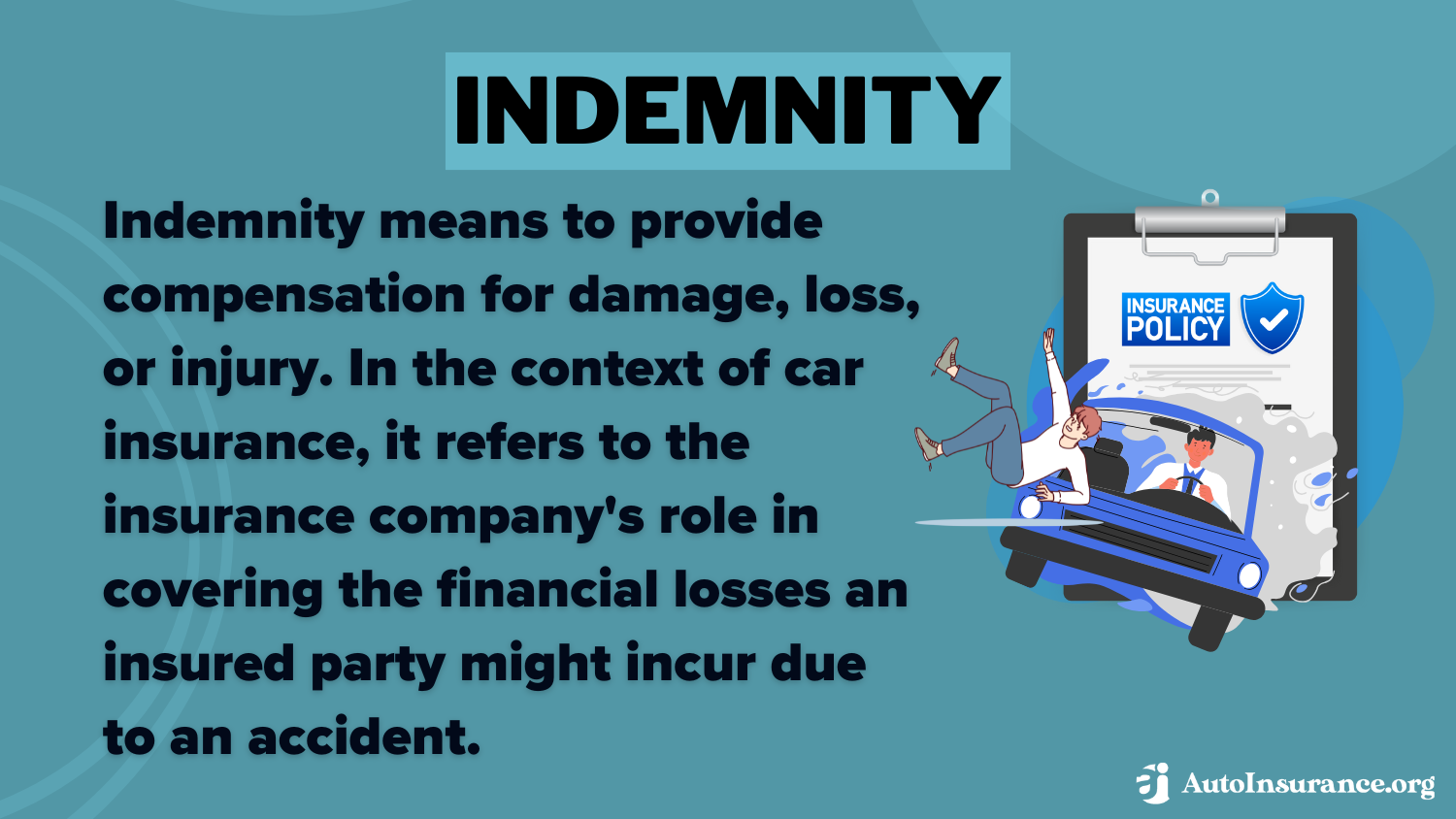
Under a pure indemnity structure, however, the obligation shifts slightly. An indemnity agreement is a contract where one party agrees to secure another against an anticipated loss or legal consequence. In the context of non-standard auto insurance, the insurer reimburses or pays out for covered losses up to the policy limits, but the operational mechanics and defense obligations can vary based on the specific policy jacket and surplus lines endorsements.
Admitted Versus Non-Admitted Carriers
Acceptance Indemnity Insurance Company is often classified as a non-admitted carrier in various jurisdictions. Non-admitted carriers are not bound by the same state-filed rate and form regulations as admitted carriers, giving them the flexibility to price and structure policies for high-risk drivers.
- State Guaranty Funds: Policies written through non-admitted surplus lines carriers typically do not have access to state guaranty fund protection if the insurer becomes insolvent.
- Rate Flexibility: Because they operate outside standard filings, these insurers can rapidly adjust rates to match risk profiles.
- Surplus Lines Brokers: Consumers usually access these policies via surplus lines brokers who must perform a "diligent effort" to find coverage in the standard market first.
Key Coverage Components in Specialized Auto Policies
When purchasing a specialized or non-standard auto policy from an indemnity-focused carrier, the coverage components generally mirror standard personal auto policies, though with tighter underwriting constraints and specific exclusions.
Liability Coverage (Bodily Injury and Property Damage)
Liability remains the cornerstone of any auto insurance policy, fulfilling mandatory state financial responsibility laws. Acceptance Indemnity policies outline specific limits for bodily injury per person, bodily injury per accident, and property damage. For high-risk drivers, these limits may initially be set at state minimums, though higher limits can sometimes be requested subject to underwriting approval.
Comprehensive and Collision
Often referred to as physical damage coverage, comprehensive and collision protect the insured vehicle itself.
- Collision: Pays for damage to your car resulting from a collision with another vehicle or object, such as a guardrail or tree.
- Comprehensive: Covers non-collision incidents, including theft, fire, vandalism, windstorm, hitting an animal, or windshield damage.
- Deductibles: Higher deductibles are frequently assigned to non-standard policies to keep premium costs manageable for drivers with adverse records.
Uninsured and Underinsured Motorist (UM/UIM)
Depending on the state and the specific policy contract, UM/UIM coverage protects the policyholder if they are hit by a driver who carries no insurance or insufficient limits to cover medical bills and property repairs.
| Coverage Type | Primary Purpose | Standard Inclusion / Status |
|---|---|---|
| Bodily Injury Liability | Pays for injuries caused to others in an at-fault accident. | Mandatory in most states; core policy component. |
| Property Damage Liability | Covers damage to other vehicles or property caused by the insured. | Mandatory in most states; core policy component. |
| Physical Damage (Comp/Collision) | Repairs or replaces the insured vehicle after an accident or event. | Optional or required if the vehicle is financed. |
| Uninsured Motorist (UM) | Protects the insured if struck by an uninsured driver. | Mandatory or offered as an option depending on jurisdiction. |
Underwriting Factors and Risk Assessment for High-Risk Drivers
Carriers that issue non-standard indemnity coverage rely heavily on specific risk-assessment metrics to determine pricing and eligibility. Because these insurers accept drivers with elevated risk profiles, the underwriting process focuses on mitigating potential financial exposure.
Motor Vehicle Records (MVR) and Claims History
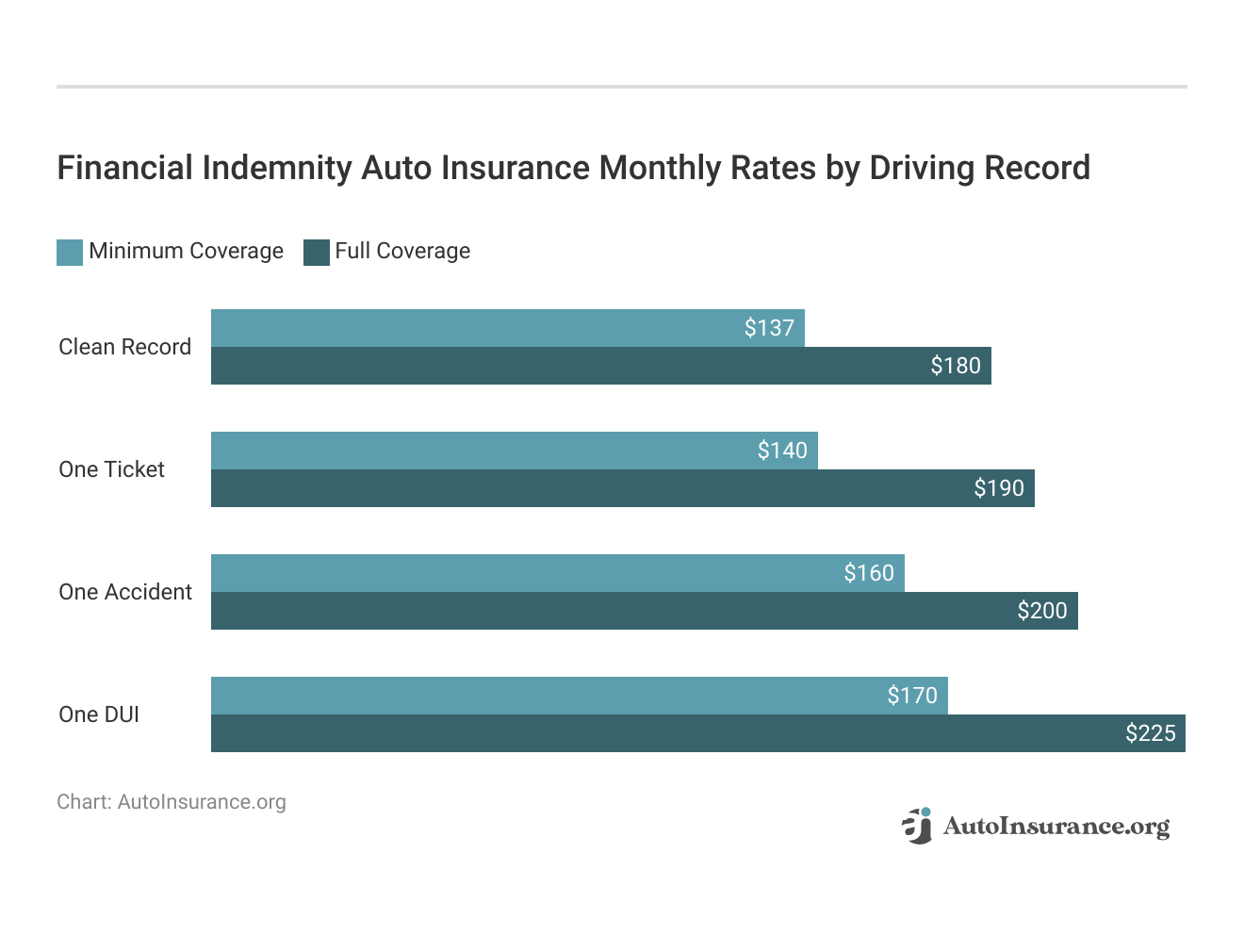
An applicant's driving history serves as the primary driver of premium calculations. Insurers review MVRs spanning three to five years, looking for speeding tickets, reckless driving charges, driving under the influence (DUI) citations, and at-fault accidents. Each violation adds surcharge points that increase the overall cost of the policy.
Insurance Score and Credit History
In states where permitted by law, insurance companies utilize credit-based insurance scores to predict the likelihood of future claims. Drivers with past bankruptcies, severe delinquencies, or limited credit histories may face higher premiums or stricter payment terms, such as larger down payments or mandatory electronic funds transfer (EFT) setups.
Vehicle Usage and Garaging Location
Where a vehicle is driven and parked matters significantly. Urban areas with high traffic congestion and higher rates of vehicle theft or vandalism carry higher base rates than rural areas. Furthermore, commercial use of a personal vehicle or high-mileage commuting can trigger specific underwriting restrictions.
Policy Management, Payments, and Cancellation Rules
Non-standard auto insurance policies often feature stricter administrative rules than standard policies due to the elevated risk of premium default. Policyholders must adhere strictly to payment schedules and documentation requirements to maintain continuous coverage.
Down Payments and Installment Plans
Unlike traditional insurers that may offer a grace period or split payments evenly over six months, non-standard indemnity carriers frequently require a substantial initial down payment (often 20% to 30% of the total premium) to bind coverage. Subsequent payments are due on strict schedules, with short grace periods before a notice of cancellation is issued.
Proof of Insurance and SR-22 Filings
Many drivers seeking non-standard coverage require an SR-22 (or FR-44 in certain states) certificate of financial responsibility. An SR-22 is not an insurance policy itself, but rather a form submitted by the insurer to the state department of motor vehicles certifying that active liability insurance is in place. Acceptance Indemnity and similar carriers routinely process these filings for drivers recovering from license suspensions or DUI convictions.
- Filing Fees: Insurers usually charge a small one-time or recurring fee to process and maintain an SR-22 filing.
- Mandatory Reporting: If the policy lapses or is canceled for non-payment, the insurer is legally obligated to notify the state immediately via an SR-26 form, which typically triggers a re-suspension of the driver's license.
Managing Claims Under an Indemnity Policy
When an accident occurs, navigating the claims process efficiently requires understanding both policy duties and carrier procedures. Prompt reporting is the first contractual obligation for any policyholder.
Steps in the Claims Handling Process
- Immediate Notification: Report the incident to the insurer or managing general agent as soon as safely possible. Delaying notification can jeopardize coverage eligibility under cooperation clauses.
- Investigation: Adjusters evaluate police reports, photographic evidence, and statements from involved parties to determine liability and assess damages.
- Appraisal and Repair: For physical damage claims, an independent or staff appraiser inspects the vehicle to estimate repair costs. Policyholders can choose their repair shop, though using network shops can sometimes streamline parts ordering and guarantee workmanship.
- Settlement and Release: Once liability and damages are established, the insurer issues payment minus any applicable deductible.
Frequently Asked Questions
What is the difference between Acceptance Indemnity and a standard auto insurer?
Acceptance Indemnity primarily targets the non-standard or high-risk auto insurance market, often operating as a surplus lines carrier. Standard insurers typically insure preferred drivers with clean records and lower risk profiles, whereas non-standard carriers provide coverage for drivers with accidents, tickets, or lapses in insurance.
Does an Acceptance Indemnity policy include legal defense coverage?
While auto policies generally cover legal defense costs associated with third-party liability claims, the exact duty to defend can vary based on whether the policy is structured strictly as an indemnity contract or a standard liability policy. Reviewing the specific policy jacket is essential to understand defense obligations.
Why do non-standard insurance policies require large down payments?
Because non-standard carriers assume higher financial risk with drivers who may have a history of payment default or severe claims, they require larger initial down payments to secure the policy and cover the initial acquisition and administrative costs.
Can I get an SR-22 certificate with an indemnity auto policy?
Yes. Many drivers seek non-standard coverage specifically because they need an SR-22 or FR-44 filing to reinstate a suspended driver's license following traffic infractions or DUIs. Insurers experienced in this market routinely handle these state filings.
What happens if my policy lapses for non-payment?
Non-standard carriers enforce strict cancellation timelines. If a payment is missed and not resolved within the specified grace period, the policy is canceled. If an SR-22 is attached to the policy, the insurer notifies the state immediately, which usually leads to the suspension of the driver's license.
Next Actions and Recommendations
Navigating non-standard auto insurance requires careful attention to detail, proactive payment management, and clear communication with your insurance producer. If you currently hold or are shopping for an indemnity-based auto policy, request a complete copy of the policy jacket and surplus lines disclosures. Verify your exact deductible levels, ensure any required SR-22 filings are accurately transmitted to your state DMV, and maintain automated payment schedules to prevent accidental policy lapses that could result in legal penalties or license suspension.
Image Gallery