Is the Blue Whale Dangerous to Humans in 2026? Marine Biology and Safety Realities
Marine conservation milestones, ocean tracking technologies, and whale-watching regulations have evolved rapidly, bringing renewed public interest in how Earth's largest creatures interact with people. When asking whether the blue whal...
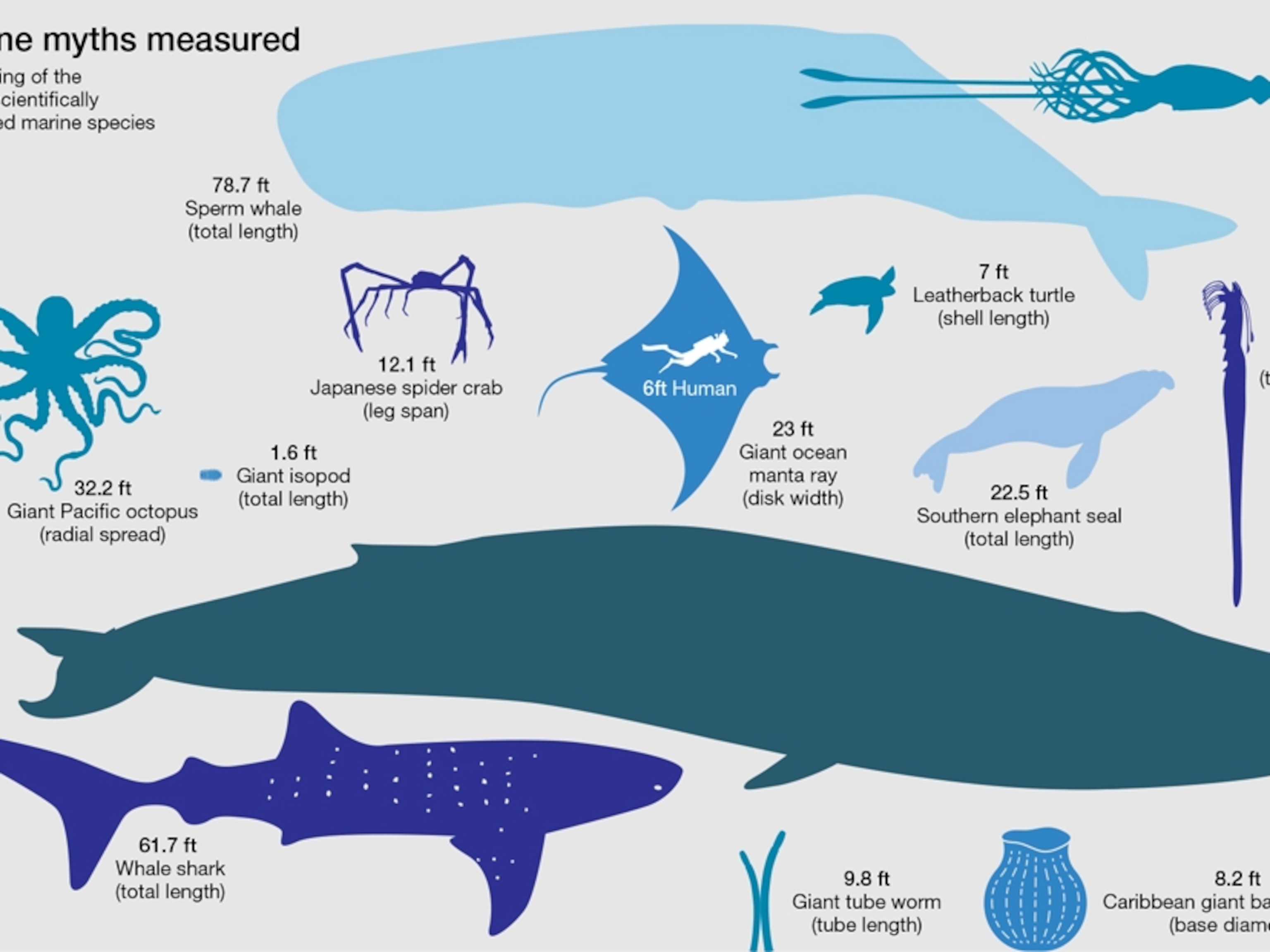
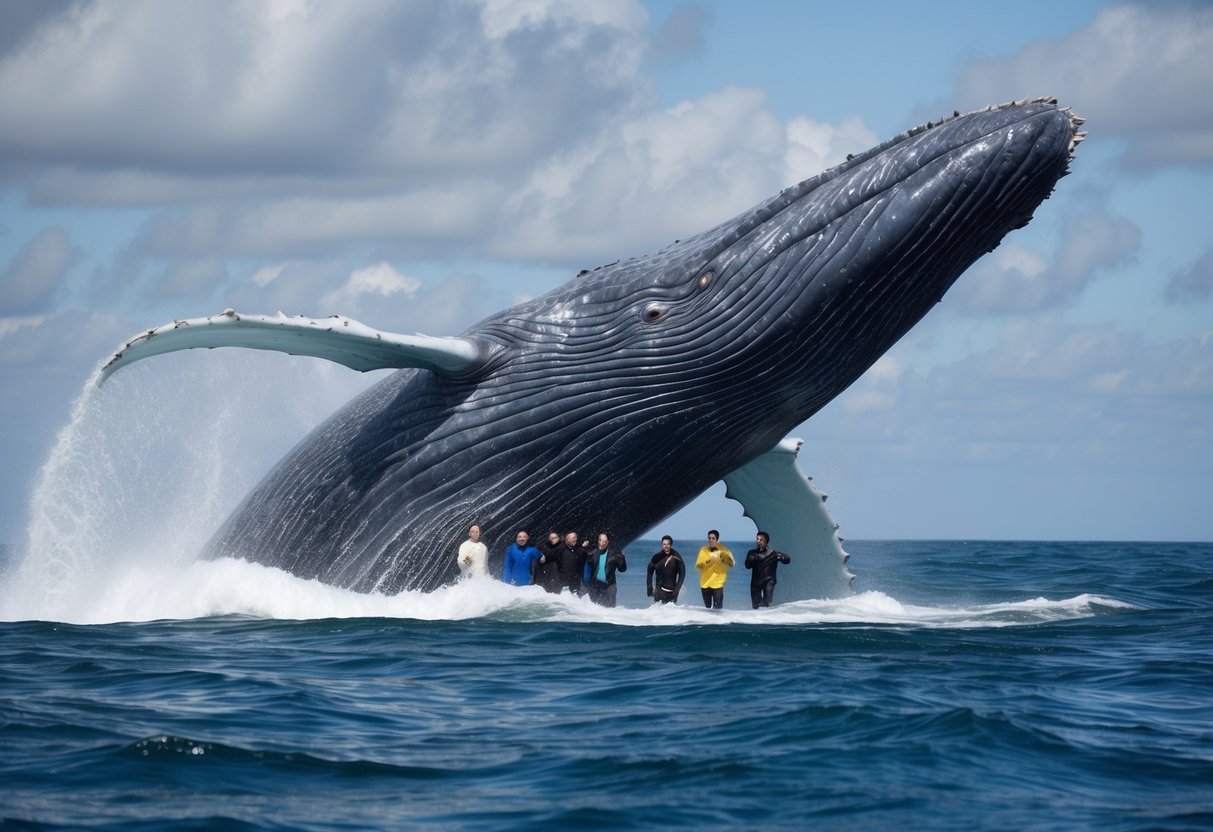
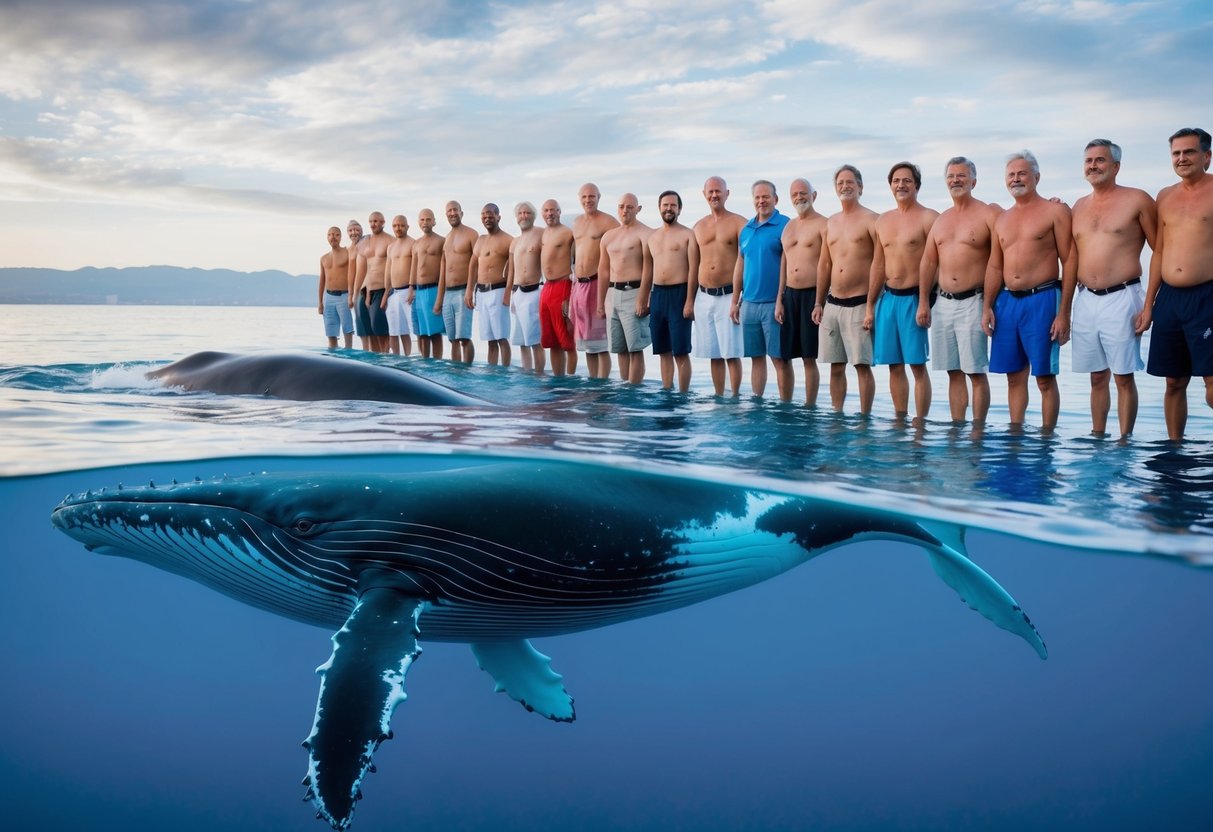
Marine conservation milestones, ocean tracking technologies, and whale-watching regulations have evolved rapidly, bringing renewed public interest in how Earth's largest creatures interact with people. When asking whether the blue whale is dangerous to humans, the short answer is no. Despite their colossal physical scale—reaching lengths of up to 100 feet and weights exceeding 150 tons—blue whales (Balaenoptera musculus) pose no intentional threat to human safety. They lack predatory teeth, possess narrow throats incapable of swallowing a human being, and exhibit generally docile or indifferent behaviors toward our species.
Contents
Understanding the true nature of blue whales requires examining their anatomical limitations, dietary habits, and historical interactions with maritime vessels. As human activity in marine sanctuaries increases through 2026, parsing out myth from biological reality remains critical for both ocean conservation and coastal tourism safety.
Anatomy and Diet: Why Blue Whales Cannot Harm People
To understand why a blue whale cannot harm a human, one must look closely at its physiological adaptations. Unlike toothed whales, such as killer whales or sperm whales, blue whales belong to the baleen whale suborder (Mysticeti). They filter massive volumes of ocean water through keratin plates hanging from their upper jaws.
Their primary food source consists almost exclusively of tiny shrimp-like crustaceans known as krill. A single adult blue whale consumes up to four tons of krill daily. Because of their specialized diet and filter-feeding mechanism, their physical anatomy dictates strict dietary boundaries:
- Throat Dimension: Despite their immense body size, a blue whale's esophagus is surprisingly narrow—roughly the size of a grapefruit or dinner plate. It is physically impossible for a blue whale to swallow a human whole.
- Lack of Teeth: Blue whales possess no teeth. Instead, they rely on baleen plates to strain small prey from water, leaving them completely unequipped for biting or tearing flesh.
- Passive Demeanor: Their nervous system and behavioral patterns are geared toward cruising, feeding, and migrating rather than aggressive territorial defense or predation.
Maritime Encounters: Assessing the Accidental Risks
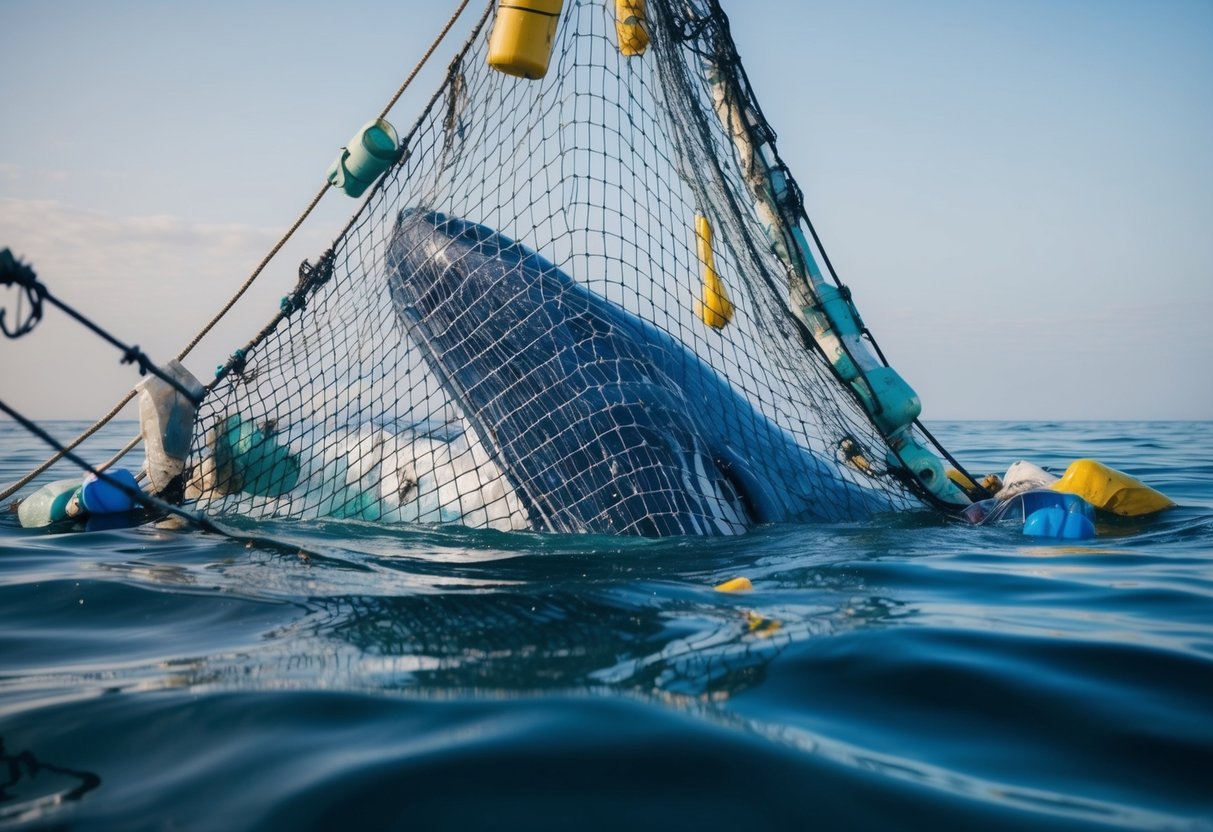
While blue whales are not aggressive, their sheer mass creates physical hazards for watercraft and swimmers. Maritime incidents involving blue whales typically stem from accidental collisions rather than malicious intent. As commercial shipping lanes, recreational boating, and eco-tourism vessels intersect with blue whale migration corridors, the risk profile shifts from animal aggression to mechanical impact.
Vessel Strikes and Hydrodynamic Forces
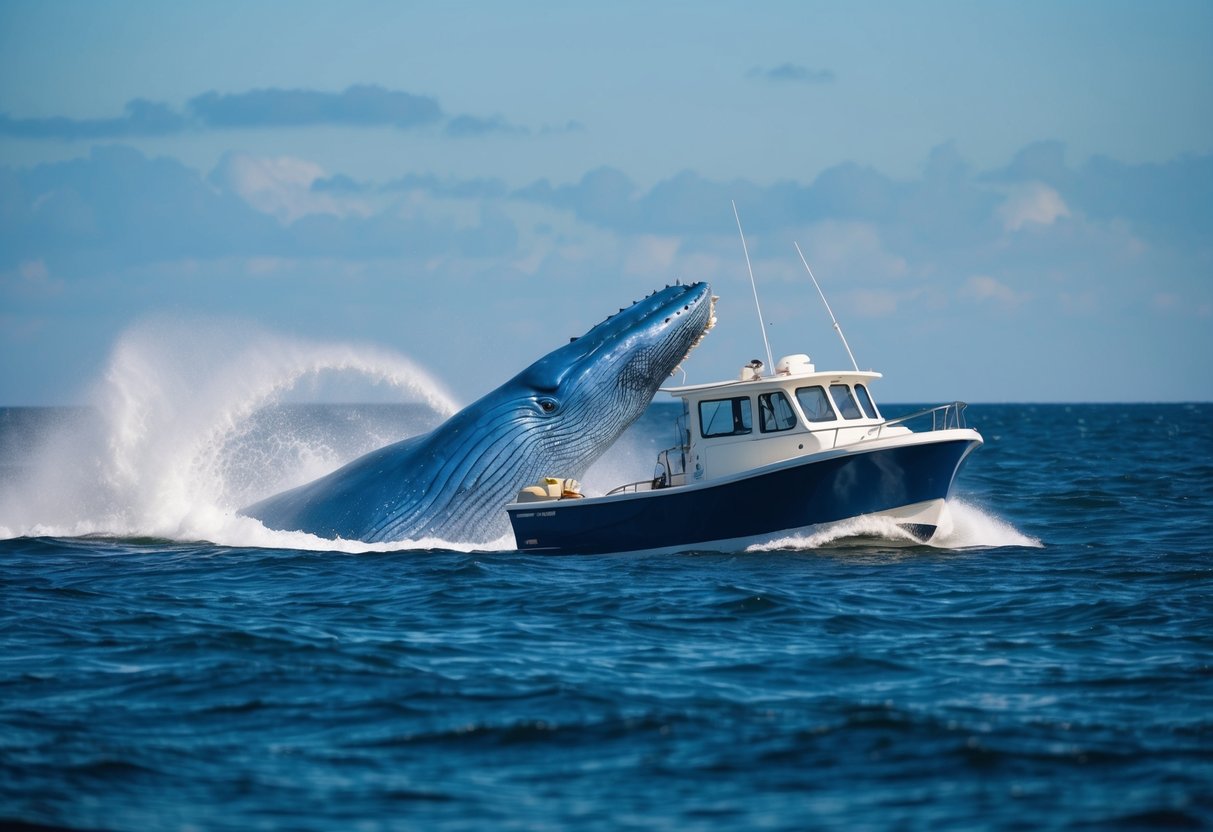
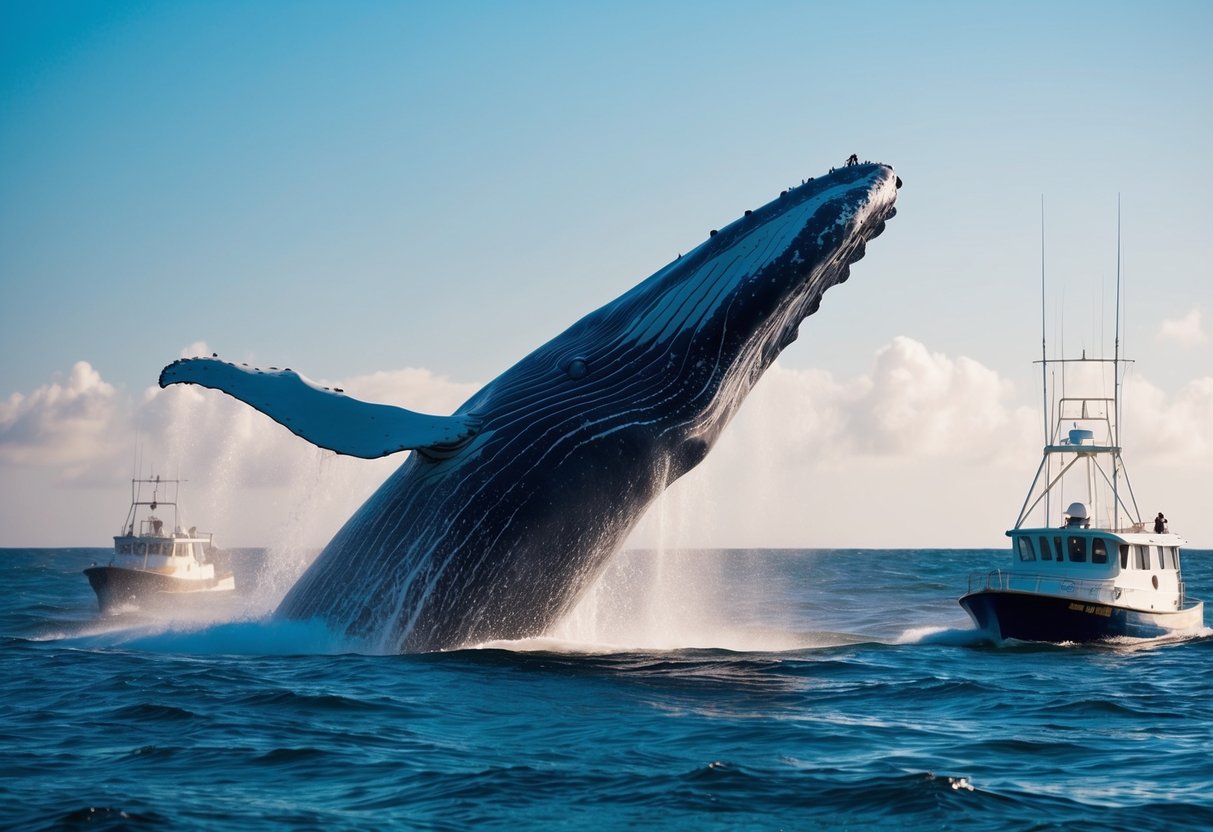
The primary danger associated with blue whales involves maritime collisions. A cruise ship, container vessel, or high-speed whale-watching boat striking a blue whale can cause severe damage to the vessel and prove fatal to the animal. Conversely, a whale surfacing unexpectedly beneath a small watercraft can capsize the boat or throw passengers overboard.
Furthermore, the physical movement of a 150-ton animal generates powerful underwater currents and propwash. Swimming too close to a tail fluke or pectoral fin exposes a diver to severe blunt force trauma simply from the animal's natural swimming motions.
| Hazard Type | Potential Risk to Humans | Contributing Factors | Mitigation Strategy |
|---|---|---|---|
| Vessel Collision | Boat damage, capsize, passenger injury | High speeds, low visibility, heavy marine traffic | Mandatory speed reductions in whale advisory zones |
| Blunt Force Trauma | Broken bones, drowning | Swimming directly within a whale's swimming path | Maintaining legal distance of 100+ yards |
| Propeller Interaction | Severe lacerations to the animal | Unregulated close approaches by recreational boats | Strict adherence to marine mammal protection guidelines |
Behavioral Dynamics: How Blue Whales React to Human Presence
Marine biologists studying blue whale telemetry and surface behaviors note that these animals typically exhibit avoidance behavior or sheer indifference toward human watercraft. Unlike humpback whales, which display high levels of surface-active behavior such as breaching and tail-slapping, blue whales maintain a low-profile diving cadence.
When approached by vessels that violate distance protocols, blue whales often alter their travel direction, dive prematurely, or increase their swimming speed to escape disturbance. This disruption affects their critical foraging and resting behaviors. Therefore, government agencies and conservation bodies enforce strict boundary laws. Federal guidelines in major marine sanctuaries mandate that vessels remain at least 100 yards away from baleen whales at all times.
Comparing Blue Whales to Other Marine Species
To properly contextualize the threat level of blue whales, it helps to compare them with other marine animals known for dangerous interactions with humans. While oceanic predators are built for hunting, baleen filter-feeders occupy an entirely different ecological niche.
- Blue Whale: Non-aggressive, filter-feeder, consumes krill, zero recorded predatory attacks on humans.
- Killer Whale (Orca): Apex predator, hunts marine mammals and fish, occasional captive incidents, rare documented wild interactions resulting in injury.
- Great White Shark: Apex predatory fish, investigates unfamiliar silhouettes, occasional exploratory bites on humans.
- Bottlenose Dolphin: Intelligent coastal mammal, highly social, occasional aggressive territorial displays toward swimmers in specific conditions.
Best Practices for Safe Whale Watching and Ocean Navigation
For captains, divers, and marine enthusiasts operating in blue whale habitats, adhering to established safety frameworks prevents accidents and protects wildlife.
- Maintain Distance: Keep a minimum buffer of 100 yards (roughly the length of a football field) from any sighted blue whale.
- Slow Down: Reduce vessel speeds to 10 knots or lower when navigating known seasonal feeding grounds or active migration corridors.
- Parallel Tracking: Never position a boat directly in front of a moving whale's path. Always parallel the animal's direction of travel from a respectful distance.
- Limit Time: Do not linger near a single pod or individual for extended periods, as prolonged engine noise disrupts communication and resting cycles.
- Report Sightings: Utilize local marine reporting networks to broadcast real-time whale locations, helping commercial shipping vessels adjust their routes safely.
Frequently Asked Questions
Can a blue whale swallow a human?
No, a blue whale cannot swallow a human. Its throat is roughly the size of a grapefruit, making it physically impossible to ingest large prey or humans.
Have blue whales ever attacked humans?
There are no recorded instances of a blue whale intentionally attacking or preying upon a human. All known historical interactions involving human injury or boat damage were purely accidental collisions.
How heavy is an adult blue whale?
An adult blue whale can weigh anywhere from 100 to 150 tons (200,000 to 300,000 pounds), making it the largest animal ever known to have lived on Earth.
Is it legal to swim with blue whales?
In most international jurisdictions and national marine sanctuaries, swimming, diving, or snorkeling with blue whales is strictly prohibited by law to prevent harassment and accidental collisions.
What do blue whales eat if they are so massive?
Despite their gigantic size, blue whales subsist almost entirely on microscopic, shrimp-like crustaceans called krill, consuming up to four tons daily through bulk filter-feeding.
Conclusion
The blue whale stands as a magnificent testament to marine evolution, commanding awe through its sheer scale rather than through aggression. Far from being dangerous to humans, these gentle giants are vulnerable to human-induced threats such as ship strikes and ocean noise pollution. By respecting maritime safety guidelines, supporting conservation frameworks, and maintaining responsible viewing distances, humanity can safely share the oceans with the largest animals on the planet.
Image Gallery