Understanding Michael Oher’s Father in The Blind Side: Fact, Fiction, and Reality
Michael Oher’s biological father was a man named Michael Williams, a figure whose presence in Oher’s early life was fleeting, troubled, and largely absent before his untimely death. In the context of the cultural phenomenon The Blind S...
Michael Oher’s biological father was a man named Michael Williams, a figure whose presence in Oher’s early life was fleeting, troubled, and largely absent before his untimely death. In the context of the cultural phenomenon The Blind Side—both the 2006 bestselling book by Michael Lewis and the 2009 Academy Award-winning film adaptation directed by John Lee Hancock—Oher’s biological family background is compressed and stylized to serve a cinematic narrative. While the movie focuses heavily on Sean and Leigh Anne Tuohy providing a stable, affluent suburban home for a troubled teenager, understanding the reality of Michael Oher's father requires looking beyond Hollywood dramatization to examine the complex socioeconomic environment of Memphis, Tennessee, that shaped Oher’s formative years.
Contents
The Reality of Michael Williams: Biological Background and Early Absence
Michael Jerome Williams Sr., Michael Oher’s biological father, played virtually no constructive role in the athlete's upbringing. Born into a chaotic household marked by extreme poverty, domestic instability, and substance abuse in Memphis, Oher had little opportunity to bond with his father. Michael Williams spent significant portions of Oher’s childhood incarcerated or estranged from the family.
Because of these prolonged absences, Williams could not provide financial support, emotional guidance, or physical protection. Oher’s mother, Denise Oher, struggled with severe chemical dependency, leaving her dozen children to navigate the foster care system, public housing projects, and homelessness largely on their own. Within this environment, Michael Williams was a peripheral figure. Reports indicate that Williams was tragically murdered—shot to death—while Oher was still a teenager attending high school, a devastating loss that occurred long before Oher achieved stardom as an All-American offensive tackle at the University of Mississippi (Ole Miss) and later in the National Football League (NFL).
How The Blind Side Portrays Michael Oher’s Family Background
To understand how Michael Oher's father and biological family are depicted, one must analyze the narrative structure of The Blind Side. In both the book and the film, the storytelling relies heavily on a stark, dramatic contrast between two completely different worlds:
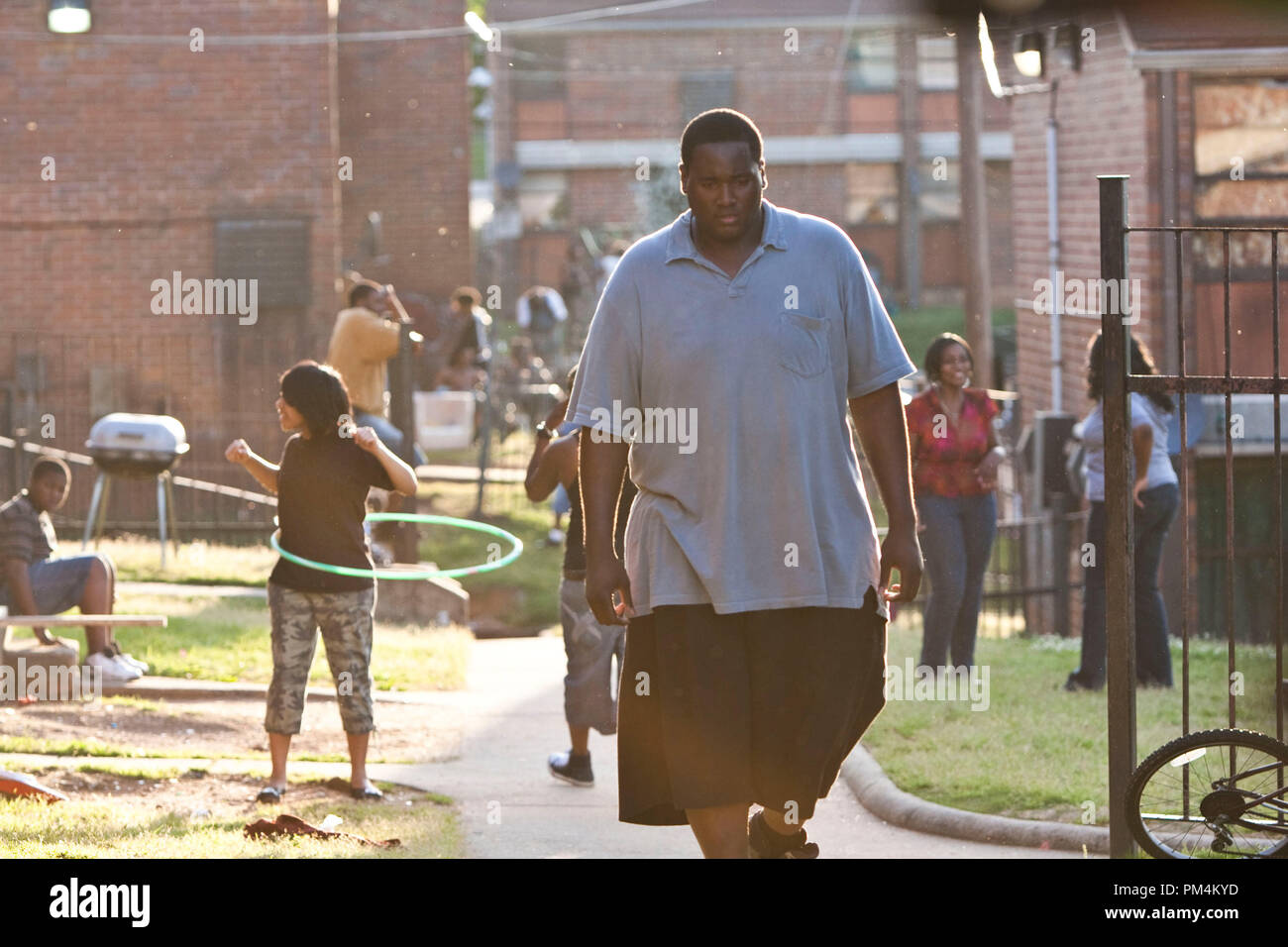
- The Deprived Inner City: Portrayed through gritty, dimly lit scenes of impoverished Memphis neighborhoods, public housing complexes, and chaotic school environments where academic and emotional support are virtually nonexistent.
- The Affluent Suburban Sanctuary: Represented by the sprawling, immaculate East Memphis home of the Tuohy family, characterized by Christian charity, abundant resources, and upper-middle-class stability.
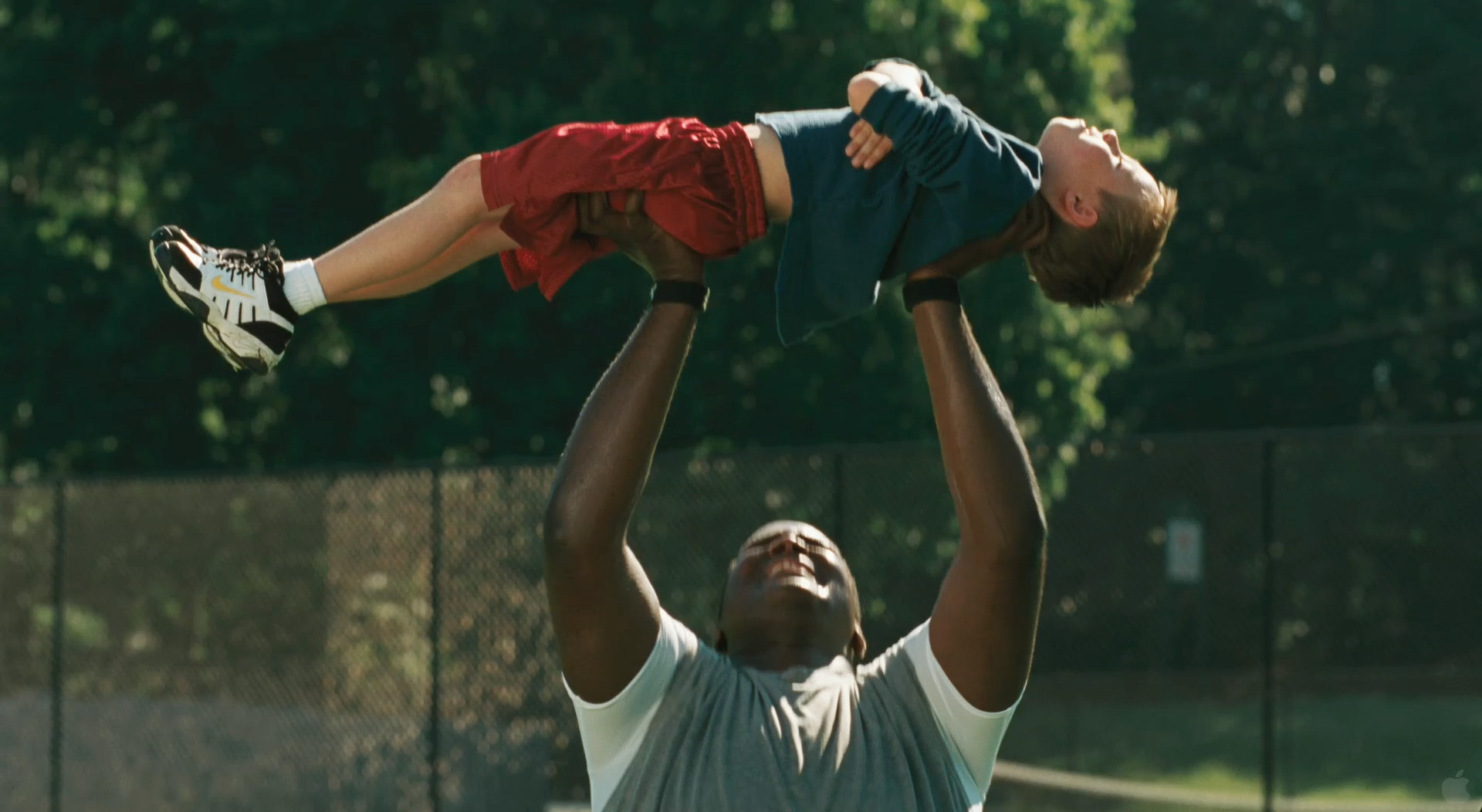
In the film adaptation, Michael Williams is referenced only briefly, if at all by name, to establish the tragic backdrop of Oher's youth. The cinematic focus centers almost entirely on Denise Oher as the struggling biological mother who loses custody, while the paternal side of the family fades into the background of Oher's past. This narrative choice streamlined the plot, allowing the audience to focus on the transformative relationship between Oher and his adoptive parents, Sean and Leigh Anne Tuohy.
However, this dramatic simplification has faced scrutiny in the years following the film's release. Critics and Oher himself have noted that the cinematic portrayal painted an overly simplistic picture of Oher as a helpless, intellectually challenged youth who needed white saviors to rescue him from total ignorance, rather than a resilient, observant teenager who was already developing survival mechanisms and athletic potential on his own terms.
Fact Versus Hollywood Fiction: Key Distinctions
Hollywood adaptations routinely alter timelines, character depths, and interpersonal dynamics to fit a standard three-act dramatic structure. The table below outlines the core differences between the real-life history of Michael Oher’s background and the events depicted in The Blind Side.
| Aspect of Oher's Life | Real-Life History and Facts | The Blind Side Film Depiction |
|---|---|---|
| Biological Father | Michael Williams was largely absent due to incarceration and estrangement; murdered during Oher's teen years. | Barely mentioned, keeping the focus entirely on the contrast between Oher's upbringing and the Tuohys. |
| Academic Capabilities | Oher possessed a higher baseline of native intelligence and reading comprehension than the film suggests, though he struggled with unstable schooling. | Depicted as virtually illiterate, emotionally withdrawn, and unable to comprehend basic academic concepts without intense tutoring. |
| Football Knowledge | Oher understood the mechanics of football and had athletic instincts before meeting the Tuohys; he just needed stability to excel. | Portrayed as completely ignorant of football rules, requiring Leigh Anne Tuohy to explain the game using protective maternal instincts. |
| Relationship with Tuohys | A complex legal and familial dynamic that evolved over years, later becoming a point of intense public controversy regarding a conservatorship. | Presented as an instantaneous, seamless emotional adoption that immediately resolved his past trauma. |
The Broader Context of Oher’s Upbringing in Memphis
Michael Oher’s early life cannot be understood merely through the lens of individual family failures; it was deeply tied to systemic issues within urban poverty in the American South during the 1990s. Growing up in Hurt Village and surrounding turbulent Memphis neighborhoods, Oher attended numerous different schools, disrupting any continuity in his education.
The absence of reliable paternal and maternal figures forced Oher to become self-reliant at an extraordinarily young age. He slept on couches, navigated dangerous streets, and learned to tune out chaos to survive. When Michael Williams was killed, it marked another traumatic milestone in a youth already saturated with instability. The entry of the Tuohy family into his life provided the financial resources and emotional scaffolding that allowed his native athletic talents and quiet determination to flourish, but it did not erase the foundational hardships of his early years.
Subsequent Revelations and Oher’s Legal Challenges
In recent years, public perception of The Blind Side has shifted dramatically due to legal actions taken by Michael Oher himself. In August 2023, Oher filed a petition in a Shelby County, Tennessee probate court alleging that Sean and Leigh Anne Tuohy never actually adopted him. Instead, Oher claimed they tricked him into signing a conservatorship agreement shortly after he turned 18 years old.
According to Oher's legal filings, this conservatorship granted the Tuohys legal authority to make business deals in his name—including negotiating the lucrative Hollywood contract for The Blind Side movie, which generated millions of dollars in royalties for the family members while Oher received nothing. This revelation cast the wholesome, philanthropic narrative of the book and film in an entirely different light, forcing the public to re-examine the power dynamics between the Tuohys and a vulnerable teenager who had lost his biological father and lacked permanent family guidance.
Frequently Asked Questions About Michael Oher’s Family
Who was Michael Oher’s biological father?
Michael Oher's biological father was Michael Williams Sr. He was largely absent during Oher's childhood due to prolonged absences, personal struggles, and incarceration, and he was murdered during Oher's adolescence.
Did Michael Oher have a relationship with his father?
No. Due to his father's absence and early death, Oher did not have a meaningful paternal relationship growing up. His upbringing was characterized by instability, foster care, and periods of homelessness before he met the Tuohy family.
Why was Michael Oher's father omitted from The Blind Side film?
Filmmakers streamlined Oher's complex family background to focus the narrative on his transition from an impoverished environment to the affluent suburban home of Sean and Leigh Anne Tuohy, reducing the sprawling reality of his biological family for cinematic clarity.
How has Michael Oher's view of The Blind Side changed over time?
While Oher initially tolerated the film, he later expressed deep frustration over how it portrayed him as unintelligent and dependent. In 2023, he filed a legal petition alleging that the Tuohys deceived him into a conservatorship rather than a true adoption, exploiting his background for financial gain.
What happened to Michael Oher’s mother?
Denise Oher struggled with severe chemical dependency and poverty while raising her children in Memphis. While she remained alive during Oher's rise to athletic prominence, her ability to care for her children was severely compromised, leading to Oher entering the foster care system.
Conclusion and Next Actions
Examining the reality behind Michael Oher’s father and early life reveals a stark contrast between Hollywood mythmaking and the harsh complexities of systemic poverty and family estrangement. For readers seeking to understand the true story, consulting Oher’s own memoir, I Beat the Odds: From Homelessness, The Blind Side, and Beyond, provides his direct perspective on his upbringing, his biological family, and his athletic journey. When evaluating inspiring biographical films, viewers should always distinguish between dramatic entertainment and documented historical reality.
Image Gallery