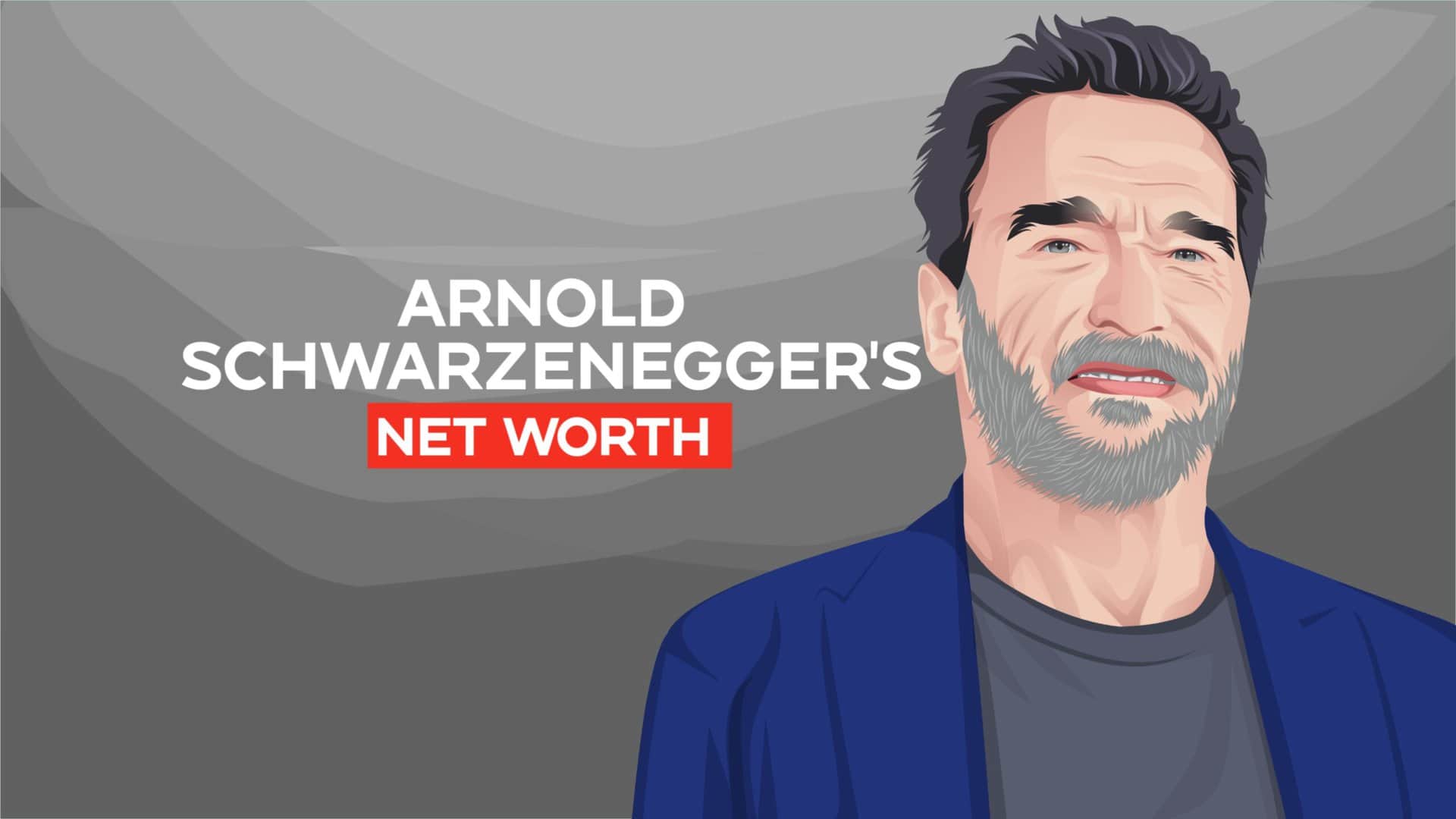
Understanding Terence Arnold: Net Worth Estimates and Financial Background
Publicly available financial data regarding Terence Arnold suggests that his net worth is not a matter of verified public record, as he does not hold a position that requires the disclosure of personal assets to government regulatory b...
Publicly available financial data regarding Terence Arnold suggests that his net worth is not a matter of verified public record, as he does not hold a position that requires the disclosure of personal assets to government regulatory bodies. Consequently, any specific dollar amounts attributed to him in various online reports remain speculative. His financial background is rooted in professional expertise and private enterprise, characterizing him as a private citizen rather than a public figure subject to mandatory wealth reporting.
Contents
The Nature of Private Net Worth Reporting
In the context of financial journalism and public interest, the term "net worth" generally refers to the total value of an individual’s assets—such as cash, investments, real estate, and business interests—minus their liabilities. For public figures, such as CEOs of publicly traded companies, members of parliament, or high-profile entertainers, net worth is often estimated through proxy data, including salary disclosures, share ownership filings, and public tax records.
Terence Arnold does not fit the criteria of a public figure whose financial life is subject to institutional transparency. When media outlets or data aggregators publish net worth estimates for individuals without public financial obligations, they often rely on extrapolation. This process involves analyzing career history, the valuation of private companies they may own, and industry-standard compensation packages for the roles they hold. Because these figures are based on estimates rather than verified balance sheets, they should be viewed as speculative rather than factual.
Evaluating Financial Background and Career Trajectory
Analyzing the financial standing of a private individual requires looking at their professional history and the economic environments in which they have operated. Terence Arnold’s professional profile indicates a trajectory defined by specialized expertise. In industries where professional service, consulting, or private management is the primary output, income is typically derived from performance-based contracts, equity stakes in private firms, or leadership roles within established organizations.
Unlike individuals whose wealth is tied to volatile public markets, the financial health of a professional like Arnold is often tied to the longevity and stability of his private ventures. Investors and observers interested in such profiles often look to the scale of the organizations an individual has managed or the successful exits from private business ventures. However, in the absence of public funding rounds or acquisition announcements involving companies specifically tied to him, the "financial background" remains a private matter.
Distinguishing Between Public and Private Financial Profiles
To navigate the difference between reported estimates and reality, it is helpful to categorize the sources of wealth that typically contribute to a high net worth. The following table illustrates the difference between verifiable public data and the speculative data often applied to private individuals.
| Financial Source | Publicly Verified | Speculative/Private |
|---|---|---|
| Salary/Wages | Yes (if in a public company) | No (usually confidential) |
| Stock Holdings | Yes (via SEC filings) | No (private equity shares) |
| Real Estate | Yes (via property records) | Limited (only partial visibility) |
| Personal Debts | Generally No | Generally No |
| Business Equity | Yes (if publicly traded) | No (private valuations only) |
The Role of Professional Reputation in Financial Stability
For many individuals in private practice or specialized consulting, reputation functions as a tangible asset. In financial terms, this is often described as "human capital." It represents the ability to generate future income based on years of experience, a specialized network of contacts, and a history of successful project delivery.
While this does not provide a definitive net worth figure, it does explain why individuals like Terence Arnold maintain a high level of economic stability. His professional background suggests a career built on managing complexities and providing solutions that carry significant market value. Observers attempting to quantify this value often mistake the scale of the projects an individual manages for their personal net worth, though these two figures are rarely synonymous.
Risks of Relying on Online Wealth Estimates
In the digital landscape of 2026, many websites generate traffic by creating automated net worth pages for a wide variety of people. These pages frequently utilize algorithms that scrape internet mentions, social media presence, and professional biography snippets to generate a number. These figures are not audited, lack verification from the individual, and are frequently updated with arbitrary figures to maintain search engine relevance.
Readers should be aware that these estimates often ignore critical financial realities:
- Liabilities: High-income individuals often carry significant debt loads associated with business operations or property investments, which significantly reduce actual net worth.
- Taxes: Estimates rarely account for the tax burdens associated with various jurisdictions or the structure of income (e.g., long-term capital gains versus ordinary income).
- Asset Liquidity: A high net worth on paper does not always equate to liquid cash. Much of an individual's value may be trapped in illiquid assets, such as private companies or real estate, which cannot be easily converted to cash.
How to Verify Professional Success
If the goal of researching Terence Arnold is to gauge his credibility or professional standing, rather than to speculate on his personal finances, there are more reliable methods than reviewing net worth websites. Professional standing is best measured through industry-specific benchmarks:
- Professional Licensing and Certifications: Reviewing the regulatory bodies where he maintains registration can provide evidence of his professional standing.
- Industry Publications: Articles written by or about him in recognized, peer-reviewed, or trade-specific publications provide a much more accurate reflection of his expertise than wealth-tracking sites.
- Public Speaking and Thought Leadership: His involvement in industry conferences or advisory boards is a strong indicator of his status among his peers.
- Corporate Filings: If he serves as a director for any companies, his name may appear in annual reports or incorporation documents, which are public and verifiable.
Frequently Asked Questions
1. Is there an official government record of Terence Arnold’s net worth? No. Terence Arnold does not hold a position that requires the disclosure of personal financial statements. Any figures found online are estimates provided by private third-party websites and should not be considered accurate.
2. Why do websites show different net worth figures for the same person? These websites use different algorithms and data sources, most of which are based on guesswork. Because there is no public data to anchor these calculations, different sites will produce widely different results based on their own internal methodologies.
3. Does Terence Arnold’s professional history indicate his wealth? While a successful professional career often leads to wealth accumulation, it is not a direct indicator of net worth. Wealth is the result of income, spending habits, investment performance, and debt management, none of which are typically public for private individuals.
4. How can I determine if a financial estimate is reliable? A financial estimate is only reliable if it cites primary sources such as SEC filings, audited annual reports, or verified tax documents. If a website does not cite these specific types of documents, the data should be regarded as unreliable.
Moving Forward with Professional Due Diligence
When conducting due diligence on an individual, shift the focus from speculative financial numbers to verifiable professional achievements. The most useful information regarding Terence Arnold will likely be found in his verified professional portfolio, his history of organizational leadership, and his contributions to his field. By focusing on his professional output rather than his personal financial status, you obtain a more accurate understanding of his influence and expertise.
For those engaging in business with him, the standard practice is to rely on private disclosures, such as financial statements provided under non-disclosure agreements, rather than information obtained from the public internet. This ensures that any business decision is based on audited, accurate data rather than unverified search results.
Image Gallery