Navigating the NYC UV Index: Protecting Skin Health Throughout the 2026 Season
Understanding the ultraviolet radiation levels across New York City is essential for maintaining dermatological health during outdoor commutes, rooftop gatherings, and recreational activities in local parks. Urban environments present...
Understanding the ultraviolet radiation levels across New York City is essential for maintaining dermatological health during outdoor commutes, rooftop gatherings, and recreational activities in local parks. Urban environments present unique solar exposure challenges, where reflective surfaces like glass skyscrapers, concrete sidewalks, and asphalt amplify the amount of radiation reaching the human body. Tracking the daily metrics provided by meteorologists helps residents and visitors implement proper photoprotection strategies tailored to the changing urban climate of 2026.
Contents
Understanding Ultraviolet Radiation Metrics in the Five Boroughs
The ultraviolet index, standardized by the World Health Organization and the National Weather Service, measures the intensity of sunburn-producing ultraviolet radiation on a given day. In New York City, these measurements fluctuate significantly depending on the season, cloud cover, atmospheric ozone concentrations, and the angle of the sun. During peak summer months, readings across Manhattan, Brooklyn, Queens, the Bronx, and Staten Island frequently reach very high or severe thresholds, necessitating immediate behavioral adjustments when spending time outdoors.
Urban microclimates heavily influence individual exposure levels. While walking through Central Park or lounging in Domino Park exposes individuals to direct sunlight, walking through the deep urban canyons of the Financial District or Midtown Manhattan can provide temporary shade cast by skyscrapers. However, these same architectural canyons can create a false sense of security, as UV rays easily reflect off glass facades and stainless steel building materials, striking pedestrians from angles they least expect.
The Standardized Ultraviolet Exposure Scale
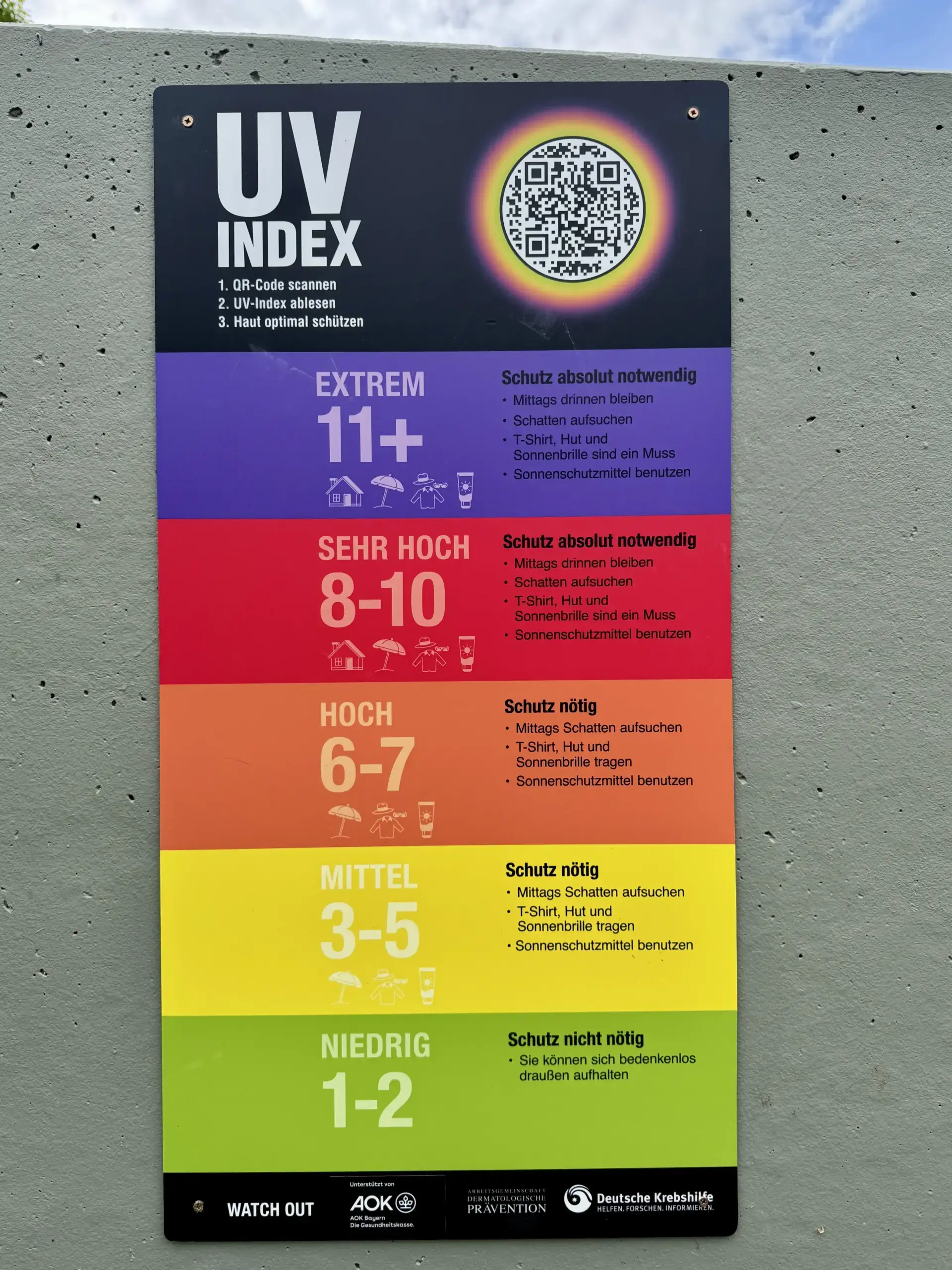
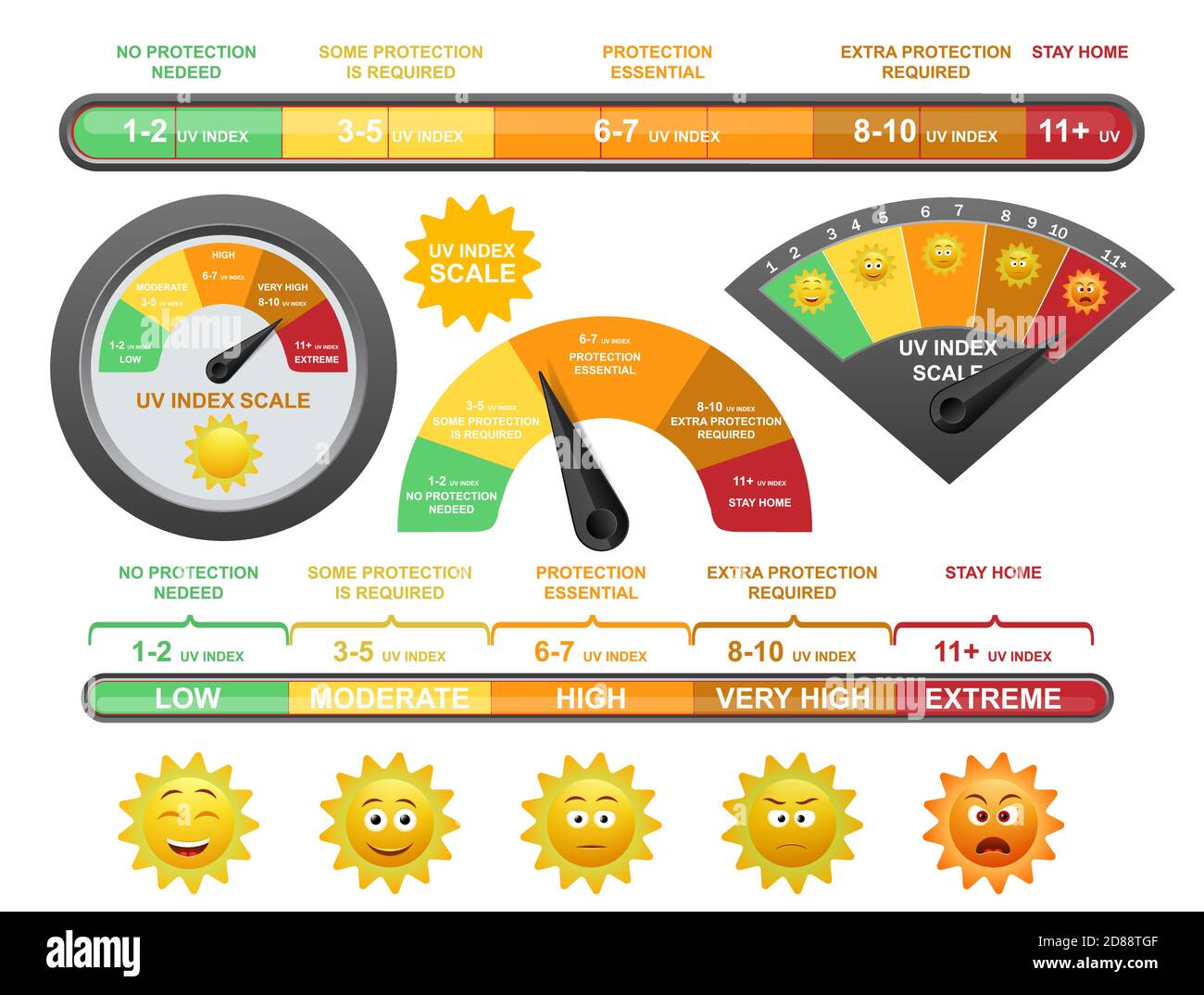
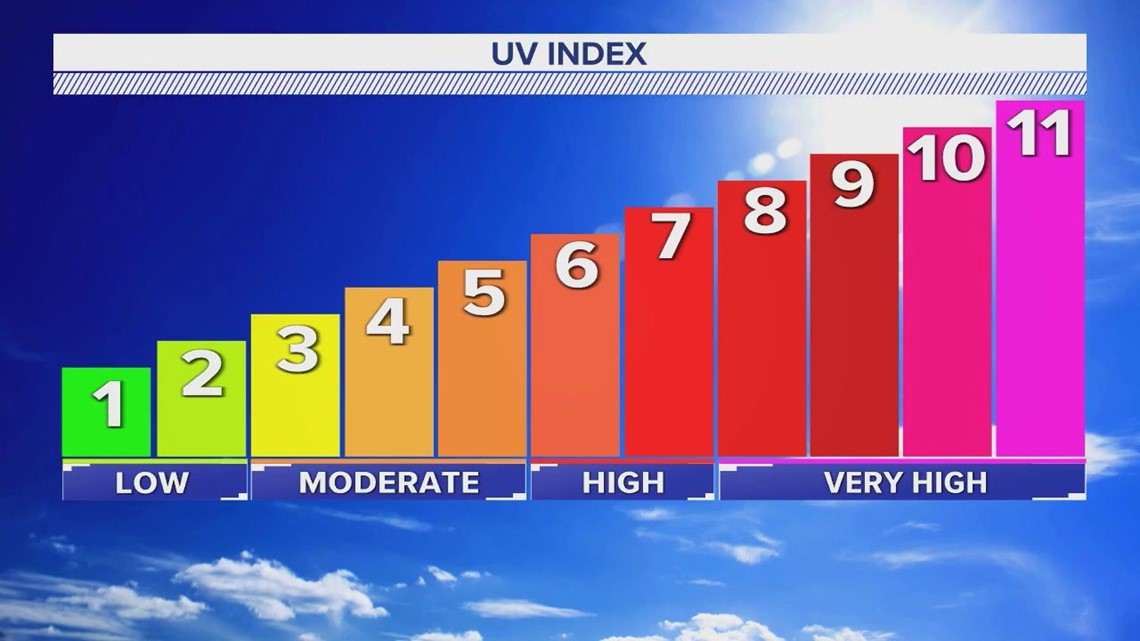
Monitoring meteorological applications requires familiarity with the standard exposure categories used by local weather forecasters in 2026:
- Low (0 to 2): Minimal danger from normal sun exposure for the average person. Wearing sunglasses on bright days is recommended.
- Moderate (3 to 5): Low risk of harm from unprotected sun exposure. Sunscreen with a broad-spectrum SPF of 30 or higher should be applied if spending prolonged periods outside, especially near reflective surfaces like the East River or Hudson River.
- High (6 to 7): High risk of harm from unprotected sun exposure. Protection against skin and eye damage is essential. Reduce time in the sun between 10:00 AM and 4:00 PM, seek shade, and wear protective clothing, wide-brimmed hats, and UV-blocking sunglasses.
- Very High (8 to 10): Very high risk of harm. Extra precautions are mandatory as skin and eyes burn quickly and can be damaged in minutes. Avoid all unnecessary sun exposure during midday hours.
- Extreme (11 or higher): Extreme risk of harm. Unprotected skin and eyes can burn in minutes. Comprehensive protection measures are mandatory for anyone stepping outdoors in the city.
Seasonal Fluctuations and Urban Reflection Dynamics
Solar radiation levels in New York City are not static. They vary dramatically between the freezing months of January and the scorching heatwaves of July and August. Peak ultraviolet intensity typically occurs between late May and mid-August, aligning with the summer solstice when the Northern Hemisphere is tilted closest to the sun. Even on hazy or partly cloudy summer days in NYC, up to eighty percent of ambient solar radiation penetrates cloud cover, leading many people to experience unexpected sunburns while walking down Fifth Avenue or visiting Coney Island beach.
Furthermore, urban topography acts as a multiplier. Traditional rural or suburban environments absorb a significant portion of sunlight through soil, grass, and foliage. Conversely, the high albedo of New York City's built environment means that concrete, stone, and glass reflect significant amounts of ultraviolet light back upward. This dual exposure—direct rays from above and reflected rays from the ground and building sides—increases the total biologically effective dose absorbed by human skin.
Urban Albedo Warning
Walking along waterfront promenades like the Brooklyn Bridge Park or the Hudson River Greenway introduces additional radiation risks due to the high reflectivity of water. Surface water reflects up to ten percent of ultraviolet rays, while dry sand reflects up to twenty-five percent, compounding the intensity experienced during outdoor recreational activities.
Comparing Photoprotection Strategies for Urban Dwellers
Selecting the appropriate defense mechanism requires evaluating various lifestyle factors unique to navigating New York City. Commuters, outdoor laborers, athletes, and casual strollers all face different durations of exposure and require tailored approaches to sun safety.
| Protection Method | Primary Mechanism | Advantages in NYC Environment | Limitations and Maintenance |
|---|---|---|---|
| Broad-Spectrum Sunscreen (SPF 30+) | Chemical or physical barrier absorbing/reflecting UV rays | Essential for exposed areas like the face, neck, and hands during walks. | Requires reapplication every two hours; can degrade rapidly during heavy summer sweating on the subway platform. |
| UPF-Rated Clothing | Specialized fabric weaves blocking UVA and UVB penetration | Provides consistent protection without requiring chemical reapplication. | Can feel warm during peak July and August heatwaves; requires garment care to maintain ratings. |
| UV-Blocking Eyewear | Lenses treated with UV400 filters | Protects delicate ocular tissues, corneas, and eyelids from urban glare. | Must meet certified ANSI standards; standard non-polarized fashion glasses without UV coating offer zero protection. |
| Architectural Shade Utilization | Physical blocking via awnings, transit shelters, and building shadows | Free and instantly accessible while navigating dense commercial districts. | Inconsistent route planning; high albedo surfaces beneath shade can still reflect ambient UV radiation. |
Step-by-Step Guide to Daily Sun Safety Planning in the City
Integrating sun protection into a busy urban routine ensures long-term dermatological health and prevents premature skin aging or malignant transformations. Follow this actionable protocol every morning during high-index months:
- Check the Morning Forecast: Review the daily ultraviolet forecast via local meteorological services or smartphone weather applications before leaving your apartment. Note the peak hours when the index reaches high or very high levels.
- Apply Broad-Spectrum Sunscreen Early: Apply a nickel-sized amount of broad-spectrum SPF 30 or higher sunscreen to all exposed skin at least fifteen minutes before stepping outside. Pay special attention to commonly missed spots such as the back of the neck, ears, and the bridge of the nose.
- Equip Physical Barriers: Pack sunglasses featuring 100% UV400 protection and a lightweight, breathable hat or cap. If working outdoors or commuting via bicycle, opt for tightly woven garments with an Ultraviolet Protection Factor rating.
- Plan Outdoor Transit Routes: When walking between appointments or running errands, choose shaded side streets lined with mature trees or buildings over wide, exposed plazas when possible.
- Reapply During Prolonged Outdoor Exposure: If spending extended hours outdoors—such as attending an outdoor concert, visiting Governors Island, or dining at a sidewalk café—reapply your chemical or mineral sunscreen every two hours, or immediately after excessive sweating.
Frequently Asked Questions About UV Exposure in NYC
Can I get sunburned on a cloudy day in New York City?
Yes, up to eighty percent of ultraviolet radiation penetrates light cloud cover and haze, making overcast days deceptive for urban commuters. UV-A rays, which penetrate deep into the skin layers and cause long-term cellular damage, remain consistently active regardless of visible sunshine.
Do glass windows on the subway or in office buildings block UV rays?
Standard architectural and vehicular glass effectively blocks most UVB rays, which are responsible for immediate sunburns, but allows a significant portion of UVA rays to pass through. If you sit next to a large office window or a bus window for hours daily, cumulative UVA exposure can still impact skin health.
How does altitude affect the ultraviolet index in NYC?
While high-altitude mountain environments experience exponentially higher UV levels due to thinner atmospheric filtering, New York City sits near sea level. However, urban elevation—such as visiting observation decks on skyscrapers—does slightly increase exposure levels due to reduced atmospheric mass above the viewer.
What is the difference between UVA and UVB rays in an urban setting?
UVB rays have shorter wavelengths, cause direct sunburns, and fluctuate heavily based on the season and time of day. UVA rays have longer wavelengths, remain constant throughout daylight hours year-round, penetrate glass and clouds easily, and are the primary driver behind photoaging and deep skin damage.
Where can I find real-time updates for the local index?
Real-time tracking is accessible through the Environmental Protection Agency's SunWise program, the National Weather Service, and standard mobile weather widgets that pull data directly from regional atmospheric monitoring stations.
Maintaining Skin Health Year-Round
Managing the daily ultraviolet index is a vital component of holistic wellness for anyone living in or visiting New York City. By monitoring real-time meteorological data, utilizing high-quality physical barriers and sunscreens, and adapting your daily commute to leverage urban shade, you can safely enjoy all the outdoor culture, parks, and architectural wonders the city offers throughout 2026. Prioritize regular skin self-examinations and consult a board-certified dermatologist annually for professional full-body skin checks to catch any anomalies early.
Image Gallery