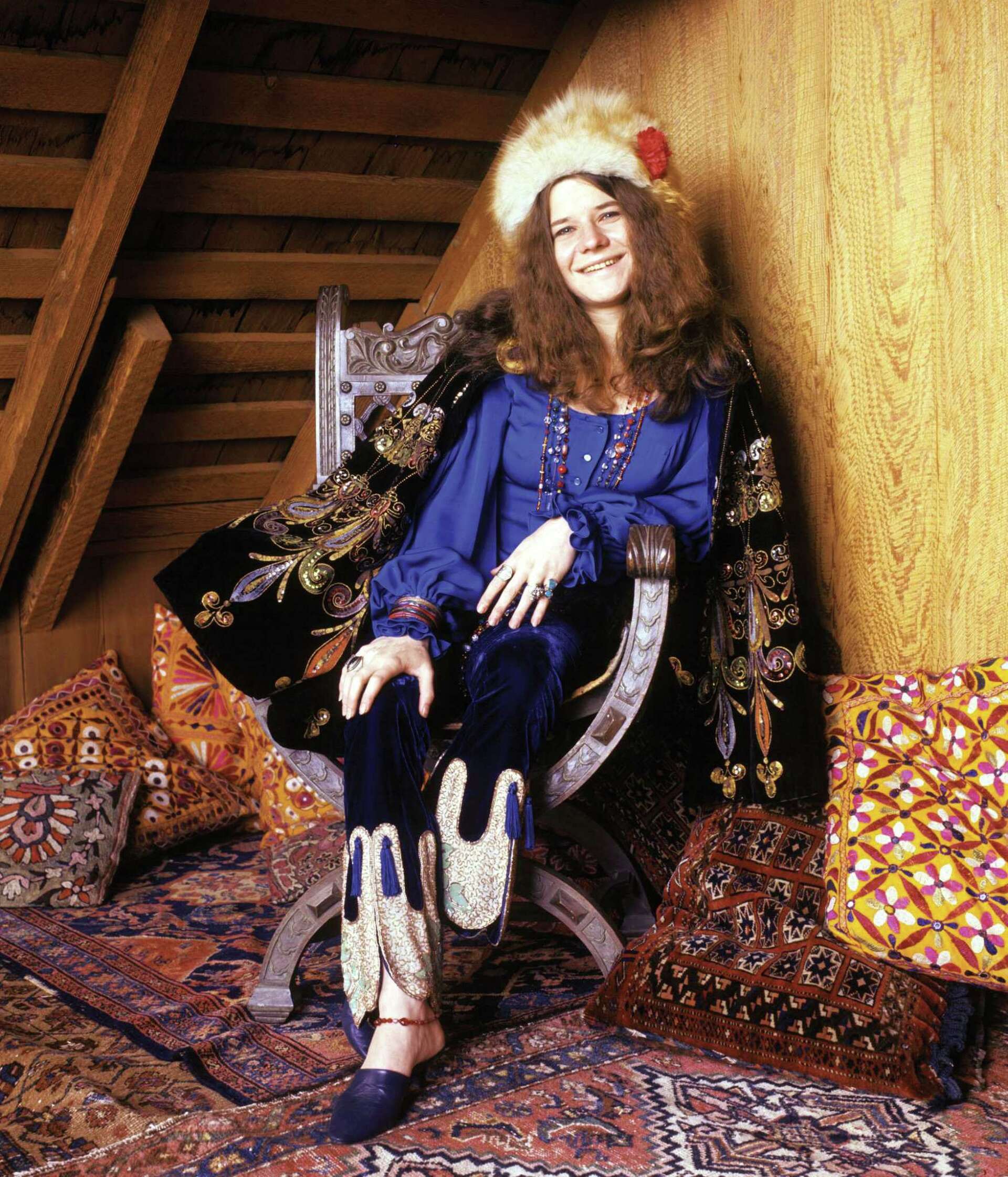
Analyzing the Net Worth and Enduring Legacy of Janis Joplin
Janis Joplin, the iconic "Queen of Psychedelic Soul," remains one of the most influential figures in music history. While her net worth at the time of her death in 1970 was modest, estimated at approximately $250,000, her posthumous es...
Janis Joplin, the iconic "Queen of Psychedelic Soul," remains one of the most influential figures in music history. While her net worth at the time of her death in 1970 was modest, estimated at approximately $250,000, her posthumous estate—bolstered by consistent royalties, intellectual property rights, and the enduring cultural impact of her discography—has generated millions in value over the subsequent decades.
Contents
The Financial Reality of a 1970 Icon
To understand Janis Joplin’s net worth, one must view it through the lens of the late 1960s music industry. Despite her massive cultural footprint and her legendary performance at Woodstock in 1969, the business infrastructure for rock musicians was significantly less lucrative than the modern era. Contracts were often lopsided, and the high cost of touring, combined with the personal expenses associated with her lifestyle, prevented the accumulation of generational wealth during her short, explosive career.
At the time of her passing on October 4, 1970, in Los Angeles, her assets were largely comprised of personal effects, a small amount of cash, and the rights to her recordings. Because she died intestate, her estate was subject to complex legal proceedings. However, her parents, Seth and Dorothy Joplin, eventually gained control of her affairs. Since then, the estate has been managed with a focus on preserving the integrity of her image and music rather than aggressive commercial exploitation.
The Mechanism of Posthumous Valuation
A musician's net worth after death is not a static number but a reflection of "estate value," which encompasses several distinct revenue streams. For Janis Joplin, the primary engine of this value has been the continued consumption of her music across physical media, digital streaming, and licensing for film, television, and advertising.
The estate has maintained a selective approach to licensing her catalog. By limiting the commercial use of her likeness and music to projects that align with her legacy, the estate has protected the "brand" value. This strategic management ensures that when her songs, such as "Piece of My Heart" or "Me and Bobby McGee," appear in major media, they command premium licensing fees.
| Revenue Stream | Description | Impact on Valuation |
|---|---|---|
| Royalties | Earnings from recorded music sales and streams. | Consistent baseline income. |
| Publishing Rights | Ownership of the songwriting underlying the tracks. | High long-term equity value. |
| Licensing | Use of songs in films, documentaries, and commercials. | Volatile but high-margin income. |
| Merchandising | Sale of apparel and posters featuring her likeness. | Steady supplemental revenue. |
The Cultural and Musical Legacy
Beyond the ledger, Joplin’s legacy is defined by her raw, visceral approach to blues and rock. She was a pioneer for women in a male-dominated industry, breaking through the barriers of the San Francisco counterculture with a voice that was as technically complex as it was emotionally devastating. Her 1971 posthumous release, Pearl, remains a touchstone of the era, standing as the highest-charting album of her career and a testament to her vocal prowess.
Her legacy extends to the concept of the "rock star" itself. Joplin was among the first artists to navigate the crushing pressures of fame, substance abuse, and the demand for constant creative output. This trajectory—the "27 Club" archetype—has been documented extensively in biographies, films, and museum exhibits. This intellectual property, including the right to tell her life story, is a significant, albeit non-liquid, component of her total estate value.
Preservation and Rights Management
The management of Joplin’s estate provides a case study in how cultural icons retain financial relevance. The estate has authorized limited authorized biographies and documentaries, such as Janis: Little Girl Blue (2015), which serve to keep her name in the public consciousness. Keeping an artist relevant to newer generations is a critical prerequisite for maintaining the value of their catalog. If a legacy fades, the commercial demand for streaming and licensing follows suit. By continuously educating the public on her influence, the estate ensures that her music remains a staple in cultural curriculum and popular culture.
Common Misconceptions Regarding Celebrity Estates
Many observers conflate the total earnings of an estate since an artist's death with the artist's net worth at the time of their passing. It is a common error to assume that if an artist is "worth" millions today, they were wealthy during their lifetime. For Joplin, the transition from a struggling, hard-living touring musician to a global cultural icon occurred largely after her death.
Another frequent misconception involves the distribution of rights. While fans often believe they "own" the music they listen to, the underlying ownership of masters and publishing remains with heirs, trusts, or corporate entities. Understanding this distinction is vital for those interested in the business of music; the "net worth" of a deceased artist is effectively the value of these rights, which can fluctuate based on market trends, copyright law, and the public's interest in the era the artist represented.
Frequently Asked Questions
How is Janis Joplin’s net worth calculated in 2026? Her net worth is not a personal bank balance but the valuation of her estate. This includes royalties from her master recordings, music publishing copyrights, and the commercial rights to her name, image, and likeness. These assets generate ongoing income from streaming services, mechanical royalties, and sync licensing.
Who manages the Janis Joplin estate? The estate has been managed by her family, primarily her siblings, Laura and Michael Joplin. They have maintained a consistent policy of protecting her image, ensuring that her legacy is handled with artistic integrity rather than purely extractive commercialization.
Why are posthumous earnings often higher than earnings during a career? This is often due to the "canonization" effect. After an artist dies, their cultural status becomes cemented, and the demand for their work often increases as they are reassessed by critics and subsequent generations. Additionally, modern streaming platforms and global media distribution reach audiences far larger than those available during the 1960s.
What is the "Pearl" album’s role in her financial legacy? Pearl was released posthumously and became a massive commercial success. It contains her most famous hits, which serve as the anchor for the estate’s annual revenue. Because these songs are culturally ubiquitous, they continue to generate significant publishing royalties even decades after their initial release.
Are there legal limits on the estate's ability to earn? Yes, copyright law dictates the duration of rights. In the United States, works published after 1977 have specific protections, but for older recordings, various statutes and litigation (such as those involving pre-1972 sound recordings) dictate how long royalties can be collected. The estate must navigate these jurisdictional rules to maintain its revenue flow.
Moving Forward
For those interested in the economics of music icons, the primary takeaway is that the "net worth" of a late artist is a reflection of their cultural staying power. Janis Joplin’s legacy is a robust one, built on the authenticity of her work and a family-managed estate that prioritizes the artist’s identity. To gain a deeper understanding of the valuation of similar artists, one should study the intersection of copyright law, media licensing, and the cyclical nature of cultural trends that drive legacy artists back to the forefront of the music industry.
Image Gallery