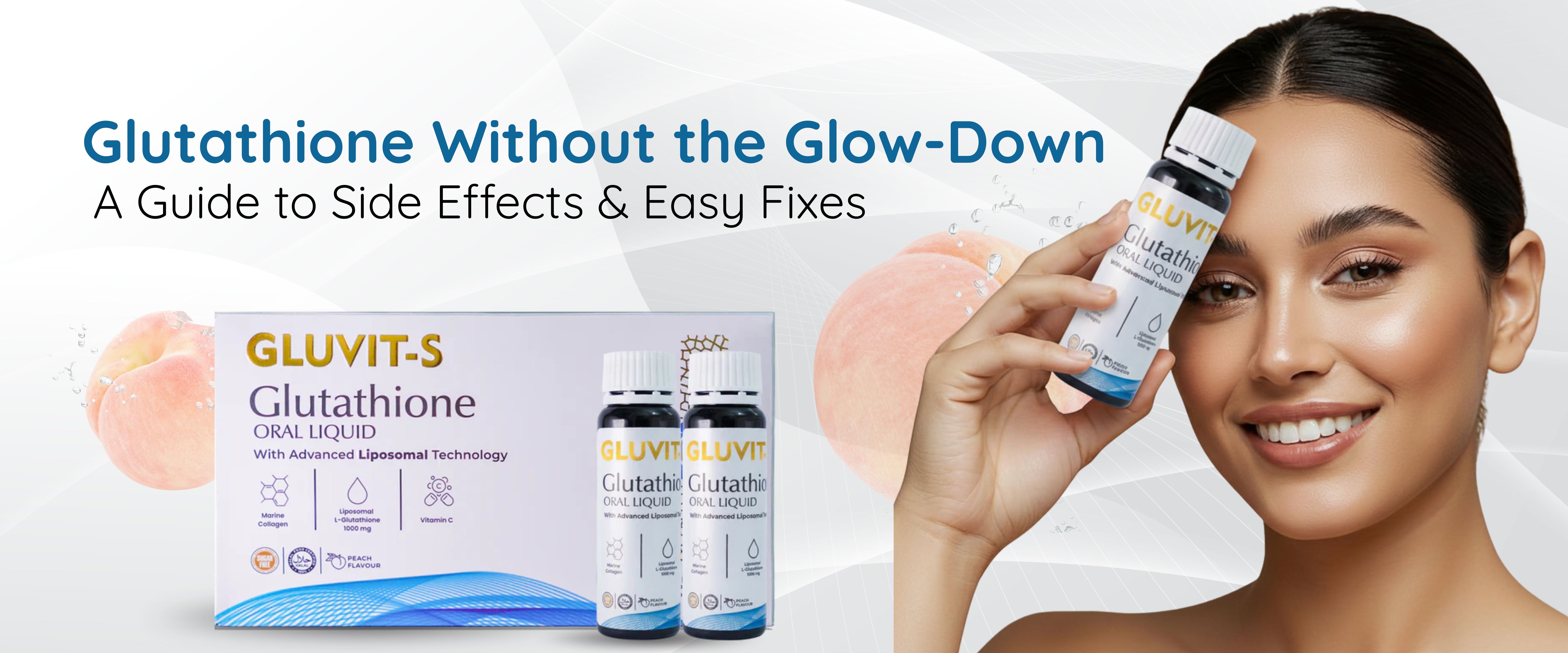
Understanding Liposomal Glutathione Side Effects: A 2026 Safety and Efficacy Guide
Liposomal glutathione is generally considered safe and well-tolerated by most healthy adults, with primary side effects limited to mild gastrointestinal distress, such as bloating, nausea, and abdominal cramps. Rare but more significan...
Liposomal glutathione is generally considered safe and well-tolerated by most healthy adults, with primary side effects limited to mild gastrointestinal distress, such as bloating, nausea, and abdominal cramps. Rare but more significant concerns include potential zinc depletion during long-term use and respiratory sensitivity in individuals with pre-existing asthma or sulfite allergies.
Contents
The Evolution of Glutathione Supplementation in 2026
By 2026, glutathione—often referred to as the "master antioxidant"—has moved from a niche clinical intervention to a mainstream staple in longevity and metabolic health protocols. As a tripeptide composed of cysteine, glycine, and glutamic acid, glutathione is essential for neutralizing free radicals, supporting phase II liver detoxification, and maintaining immune function.
However, standard oral glutathione historically suffered from poor bioavailability, as the digestive enzymes in the stomach typically break the molecule down before it can reach the bloodstream. This led to the widespread adoption of liposomal delivery systems. These systems encapsulate the glutathione molecule within a phospholipid bilayer—essentially a tiny fat bubble—that mimics the structure of human cell membranes. This protection allows the antioxidant to bypass the harsh environment of the stomach, significantly increasing absorption rates.
While this increased potency offers greater therapeutic benefits, it also alters the side effect profile compared to traditional tablets. Understanding these nuances is critical for users seeking to optimize their cellular health without triggering adverse reactions.
Common Gastrointestinal Side Effects
The most frequently reported side effects of liposomal glutathione are gastrointestinal (GI) in nature. Because the supplement involves a high concentration of phospholipids—often derived from sunflower or soy lecithin—the digestive system must process a significant "lipid load" alongside the active tripeptide.
Bloating and Gas
Many users experience transient bloating or gas shortly after ingestion. This is often attributed to the sulfur-rich nature of glutathione. Sulfur is a necessary component of the molecule’s antioxidant power, but it can interact with gut microbiota, leading to the production of gas in sensitive individuals. In 2026, research suggests that those with existing Small Intestinal Bacterial Overgrowth (SIBO) may be more prone to these effects, as certain bacteria thrive on sulfur compounds.
Nausea and Abdominal Cramping
Nausea is a common reaction to the distinct taste and smell of liposomal liquids. The sulfurous "rotten egg" aroma is a hallmark of genuine, high-quality glutathione, but it can be off-putting. Additionally, if taken on an empty stomach, the high concentration of phospholipids can cause mild irritation to the gastric lining, leading to localized cramping.
Changes in Stool Consistency
Some users report softer stools or mild diarrhea when starting a high-dose liposomal regimen. This is typically a result of the body adjusting to the lipids used in the encapsulation process. As the gallbladder and pancreas adapt to the increased fat processing required, these symptoms generally resolve within three to five days.
The "Detox" Reaction: Herxheimer-Like Symptoms
A unique category of side effects associated with liposomal glutathione is the "healing crisis" or Jarisch-Herxheimer reaction. Because glutathione is a potent mobilizer of toxins, particularly heavy metals and environmental pollutants stored in fatty tissues, its sudden increase in the body can lead to a temporary surge of circulating waste products.
- Headaches and Brain Fog: As toxins are liberated from storage sites, they may temporarily impair cognitive clarity or trigger tension-type headaches before the liver and kidneys can fully excrete them.
- Fatigue: The biological energy (ATP) required for the liver to process the newly mobilized toxins can leave the user feeling lethargic for several days.
- Skin Breakouts: The skin is a secondary organ of elimination. When the primary detoxification pathways are overwhelmed, the body may attempt to expel toxins through the dermis, resulting in minor acne or rashes.
These are technically "effects" rather than "side effects," indicating that the supplement is active. However, they are often perceived as adverse reactions. Experts in 2026 recommend "starting low and going slow" to allow the body's elimination pathways to keep pace with the mobilization of toxins.
Long-Term Safety and Mineral Depletion
One of the more technical concerns involving chronic glutathione supplementation is the potential for trace mineral depletion, specifically zinc. Research has indicated that high levels of glutathione can interfere with the homeostasis of certain divalent metal ions.
Glutathione has a high affinity for binding with minerals to assist in their transport. Over time, excessive supplementation without adequate mineral replacement may lead to a functional zinc deficiency. Zinc is critical for immune function, wound healing, and DNA synthesis. Users who plan to remain on liposomal glutathione for more than three consecutive months are often advised to monitor their zinc levels or incorporate a balanced multi-mineral supplement.
Allergic Reactions and Sensitivities
The safety profile of liposomal glutathione is heavily dependent on the source of the liposomes themselves. Most manufacturers use either soy or sunflower lecithin.
- Soy Allergies: If the liposomes are soy-derived, individuals with soy sensitivities may experience hives, itching, or swelling. In 2026, most premium brands have shifted toward non-GMO sunflower lecithin to mitigate this risk.
- Sulfite Sensitivity: Glutathione contains sulfur. For individuals with a rare genetic mutation in the SUOX (sulfite oxidase) enzyme, the body cannot efficiently convert sulfites to sulfates. This can lead to rapid-onset symptoms such as flushing, rapid heartbeat, or dizziness after taking glutathione.
- Asthma Contraindications: There is documented evidence that inhaled glutathione can trigger bronchospasms in people with asthma. While oral liposomal delivery is different, some highly sensitive asthmatic individuals have reported chest tightness. It is generally recommended that those with reactive airway diseases consult a pulmonologist before beginning a high-dose regimen.
Drug Interactions and Medical Precautions
Liposomal glutathione’s role in detoxification means it can potentially alter the clearance rates of certain medications. By inducing or supporting specific liver enzymes, it may make some drugs less effective by speeding up their removal from the body.
| Interaction Category | Potential Impact | Recommendation |
|---|---|---|
| Chemotherapy | Glutathione protects cells from oxidative stress. Some chemo drugs rely on oxidative stress to kill cancer cells. | Consult an oncologist; usually avoided during active treatment cycles. |
| Antipsychotics | May interact with drugs like haloperidol, potentially altering their efficacy or side effect profile. | Professional medical supervision required. |
| Alcohol | Glutathione is depleted by alcohol. Supplementing can help recovery but should not be used to justify excessive drinking. | Take several hours after alcohol consumption. |
| Acetaminophen | Glutathione is the direct antidote to Tylenol-induced liver toxicity. | Highly beneficial, but timing should be discussed with a doctor. |
Comparison of Glutathione Delivery Methods
To understand why liposomal forms have specific side effects, it is helpful to compare them to other common delivery methods used in 2026.
| Feature | Standard Oral (Reduced) | Liposomal Liquid/Capsule | Intravenous (IV) Push |
|---|---|---|---|
| Bioavailability | Low (approx. 5-10%) | High (approx. 60-80%) | 100% |
| Primary Side Effect | Ineffectiveness/Waste | GI Bloating/Nausea | Localized vein irritation |
| Detox Reaction | Rare (too weak) | Common | Significant/Fast |
| Cost Per Dose | $0.50 - $1.00 | $2.00 - $4.00 | $150 - $300 |
| Risk of Allergic Reaction | Low | Moderate (Lecithin-based) | Low (Pure saline base) |
Best Practices for Minimizing Adverse Effects
To maximize the benefits of liposomal glutathione while minimizing the risk of side effects, users should follow a structured approach:
- Hydration is Mandatory: Since glutathione assists the kidneys in flushing toxins, increasing water intake is essential. Aim for an additional 16-24 ounces of water daily when starting the supplement.
- The "Slow Build" Method: Start with a half-dose (usually 250mg) for the first week. If no GI distress or headaches occur, increase to the full therapeutic dose (500mg - 1,000mg).
- Timing with Food: While liposomal forms are designed for high absorption regardless of food, those with sensitive stomachs should take their dose roughly 20 minutes after a light meal to provide a buffer for the gastric lining.
- Cycle the Supplement: To prevent mineral imbalances, many practitioners in 2026 recommend a "5 days on, 2 days off" schedule, or taking a one-week break every month.
- Quality Verification: Ensure the product is "third-party tested" for purity. Inexpensive liposomal products may contain oxidized fats (rancid lecithin), which significantly increases the likelihood of nausea and inflammation.
Frequently Asked Questions
Can liposomal glutathione cause skin lightening?
Skin lightening is a known systemic effect of high-dose glutathione, as it inhibits the tyrosinase enzyme responsible for melanin production. While some use it specifically for this purpose, others may view it as an unintended side effect. It typically requires high doses over several months to become noticeable.
Is it safe to take glutathione while pregnant or breastfeeding?
There is currently insufficient clinical data as of 2026 to guarantee safety during pregnancy or lactation. Because glutathione impacts metabolic and detoxification pathways that could affect the fetus or infant, it is generally advised to avoid supplementation unless specifically directed by an obstetrician.
Why does my liposomal glutathione smell like sulfur?
A strong sulfurous odor is normal and expected. If a liposomal glutathione product has no smell at all, it likely contains very little active glutathione or has been heavily processed with artificial deodorizers that may compromise the liposomal structure.
Can I take glutathione if I have a sulfur sensitivity?
Individuals with a known sulfite or sulfur sensitivity should proceed with extreme caution. It is advisable to perform a "patch test" or start with a minuscule oral dose under medical supervision to check for immediate flushing or respiratory changes.
Does liposomal glutathione interact with vitamin C?
Glutathione and vitamin C work synergistically. Vitamin C helps "recharge" oxidized glutathione back into its active, reduced state. Taking them together is generally considered safe and often recommended to enhance antioxidant capacity, though it may increase the total acidic load on the stomach.
How do I know if my side effects are a "detox" or an allergy?
A detox reaction (Herxheimer) usually involves systemic symptoms like fatigue or a dull headache that improve with hydration and time. An allergic reaction is typically characterized by immediate symptoms such as itching, hives, swelling, or difficulty breathing. If you experience the latter, discontinue use immediately and seek medical attention.
Final Recommendation
If you are considering liposomal glutathione, the most effective way to avoid side effects is to prioritize product quality and gradual dosing. Choose a sunflower-based liposomal formula that is third-party verified to be free of heavy metals and contaminants. Monitor your body’s response during the first 72 hours, and if you experience persistent GI distress, consider lowering your dose or switching to a "S-Acetyl" glutathione variant, which offers high bioavailability with a different digestive profile. Always consult with a healthcare provider before beginning any supplement that influences systemic detoxification, especially if you are managing chronic health conditions or taking prescription medications.
Image Gallery