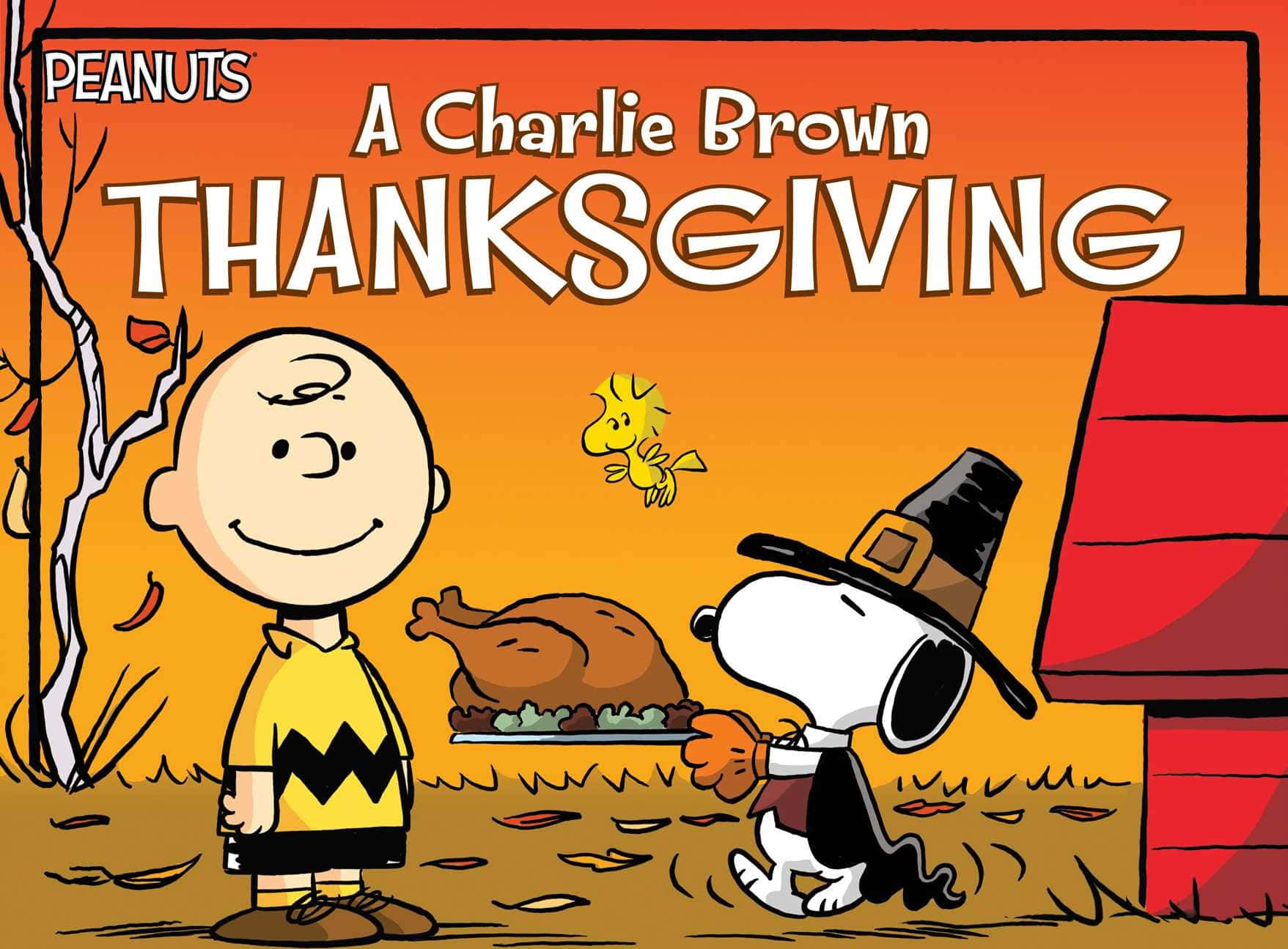
The Definitive Guide to Characters from Charlie Brown in 2026
The enduring cultural footprint of Charles M. Schulz's Peanuts comic strip remains a cornerstone of American animation and pop culture. As we navigate 2026, understanding the iconic characters from Charlie Brown requires looking at bot...
The enduring cultural footprint of Charles M. Schulz's Peanuts comic strip remains a cornerstone of American animation and pop culture. As we navigate 2026, understanding the iconic characters from Charlie Brown requires looking at both their rich historical legacy in mid-20th-century media and their modern relevance in contemporary streaming, merchandising, and pop-culture archiving. Whether you are a lifelong enthusiast studying the strip's psychological nuances or a pop-culture researcher cataloging its expansive roster, this comprehensive guide explores the definitive roster, personality archetypes, and cultural impact of the Peanuts gang.
Contents
Evolution of the Peanuts Universe and Its Creator's Vision
First syndicated in October 1950, Charles M. Schulz revolutionized comic strips by introducing a distinctly melancholic, philosophical, and purely child-centric world devoid of adult figures. The characters from Charlie Brown are celebrated not merely as caricatures, but as complex psychological portraits of childhood anxiety, resilience, hope, and existential inquiry.
Unlike traditional slapstick comic strips of its era, Peanuts relied heavily on recurring gags that underscored human vulnerability:
- The football-kicking routine with Lucy and Charlie Brown.
- Snoopy's imaginative escapades atop his red doghouse.
- Linus's unwavering attachment to his security blanket.
- Schroeder's obsessive devotion to Ludwig van Beethoven.
By subverting the upbeat child trope, Schulz created a timeless template that modern media scholars analyze for its profound socio-cultural commentary.
Core Roster: The Definitive Guide to Main Characters from Charlie Brown
Analyzing the primary characters requires examining their narrative functions, behavioral patterns, and symbolic roles within the strip's minimalist suburban setting.
Charlie Brown
As the central protagonist, Charlie Brown embodies the quintessential underdog. Afflicted by perpetual self-doubt, he struggles with flying kites, winning baseball games, and gaining the respect of his peers. Yet, his defining characteristic is resilience; no matter how many times the football is pulled away, he continues to try. In 2026 media analysis, Charlie Brown is frequently cited as an early pioneer of destigmatizing anxiety and embracing vulnerability in storytelling.
Snoopy
Charlie Brown's imaginative pet beagle serves as a secondary protagonist who anchors the strip's surrealist fantasy elements. Transforming into a World War I Flying Ace, a world-famous author, or Joe Cool, Snoopy represents the liberating power of creative escapism. Technicians and animators studying classic character design often point to Snoopy's silent, expressive pantomime as a masterclass in non-verbal storytelling.
Linus van Pelt
Linus is the intellectual and philosophical anchor of the group. While holding onto his signature security blanket and waiting in vain for the Great Pumpkin every Halloween, Linus frequently quotes scripture, philosophy, and literature. His character bridges the gap between childlike innocence and profound existential wisdom.
Lucy van Pelt
Linus's older sister, Lucy, represents the assertive, pragmatic, and occasionally cynical counterweight to Charlie Brown's optimism. Operating her infamous psychiatric help booth for five cents, Lucy dispenses blunt, unvarnished advice. Her dynamic with Charlie Brown drives much of the strip's comedic and dramatic tension.
Schroeder and Woodstock
Schroeder provides a masterclass in focused obsession, spending his days playing complex classical sonatas on a toy piano despite Lucy's persistent romantic interruptions. Meanwhile, Woodstock—Snoopy's loyal avian sidekick—communicates through specialized tick marks, serving as an emotional sounding board and co-pilot for the beagle's grand fantasies.
Comparative Overview of Primary Peanuts Character Traits
To better understand the ecosystem of characters from Charlie Brown, the following matrix details their primary archetypes, signature props, and core psychological motivations.
| Character Name | Primary Archetype | Signature Prop / Setting | Core Narrative Function |
|---|---|---|---|
| Charlie Brown | The Pervasive Underdog | Zigzag Shirt / Baseball Glove | Represents perseverance in the face of inevitable failure. |
| Snoopy | The Imaginative Escapist | Red Doghouse / Aviator Scarf | Introduces surrealism, fantasy, and wordless physical comedy. |
| Linus van Pelt | The Philosophical Intellectual | Security Blanket / Pumpkin Patch | Delivers philosophical depth and moral grounding. |
| Lucy van Pelt | The Pragmatic Cynic | Psychiatric Booth / Football | Drives conflict, skepticism, and comedic bluntness. |
| Schroeder | The Dedicated Artist | Toy Piano / Bust of Beethoven | Contrasts suburban childhood with high-culture devotion. |
| Sally Brown | The Observant Skeptic | School Desk / Jump Rope | Questions institutional logic and societal expectations. |
Extended Cast and Cult-Favorite Personalities
Beyond the primary circle, the universe of characters from Charlie Brown features a robust supporting cast that expanded significantly throughout the latter half of the 20th century.
- Peppermint Patty (Patricia Reichardt): A tomboyish, sports-loving natural leader who struggles academically and harbors an unspoken crush on Charlie Brown. She famously refers to Charlie Brown as "Chuck" and calls Snoopy her "funny-looking dog."
- Marcie: Peppermint Patty's studious, soft-spoken best friend who addresses her as "Sir." Marcie provides a sharp intellectual contrast to Patty's athletic impulsiveness.
- Pig-Pen: Famous for trailing a permanent cloud of dust and debris, Pig-Pen offers a philosophical meditation on personal identity, proudly declaring that his dust represents "the historical past."
- Franklin: Introduced in 1968 following historical civil rights advocacy, Franklin brought a calm, grounded presence to the strip, sharing a mutual appreciation for classical music and literature with Charlie Brown.
Practical Guide: Researching and Archiving Peanuts Media
For digital archivists, collectors, and animation historians exploring characters from Charlie Brown in 2026, adopting a structured research methodology ensures comprehensive documentation.
Archival Best Practices: Source Verification: Always cross-reference strip publication dates using official Fantagraphics complete collection volumes to verify original continuity. Media Licensing: Understand that Peanuts Worldwide LLC strictly manages copyright and trademark protections across all digital platforms, physical merchandise, and broadcast syndication. Contextual Study: Examine historical essays accompanying modern re-releases to understand the socio-political climate in which specific characters were introduced.
Frequently Asked Questions About Characters from Charlie Brown
Who is the main character of the Peanuts comic strip?
Charlie Brown is the definitive main character, serving as the emotional anchor, focal point, and everyman protagonist of the entire franchise. His continuous trials and tribulations drive the narrative core of the strip.
When was Snoopy introduced into the strip?
Snoopy made his first appearance in the third-ever Peanuts strip, published on October 4, 1950, though he initially appeared as a much more conventional, non-talking dog before developing his rich internal fantasy life.
Why does Linus always carry a security blanket?
Linus's blanket serves as a physical manifestation of comfort, emotional security, and anxiety mitigation, a concept that even inspired the clinical psychological term "Linus blanket."
Who was the first African American character in Peanuts?
Franklin was introduced to the comic strip in July 1968, following a successful advocacy letter-writing campaign by schoolteacher Betty Holbrook in the wake of Martin Luther King Jr.'s assassination.
How many characters from Charlie Brown appeared regularly?
While the core cast consists of roughly eight to ten primary figures, the total roster of named characters who appeared across the 50-year run of the strip exceeds thirty distinct personalities.
Conclusion and Continuing Legacy
The enduring fascination with characters from Charlie Brown proves that Charles M. Schulz captured universal human truths that transcend generations. As these figures continue to resonate through modern animation revivals, global exhibitions, and literary studies, their collective vulnerability reminds us that it is entirely acceptable to stumble, as long as we keep striving to kick the football. For ongoing updates regarding Peanuts archives, exhibitions, and media releases, consult official cultural institutions and authorized publishing networks.
Image Gallery