How to Cook Frozen Pizza in the Oven for the Best Results
To cook frozen pizza in the oven, preheat your oven to the temperature specified on the packaging—typically between 400°F and 425°F (204°C–218°C). Place the pizza directly on the center oven rack for a crispy crust or on a baking sheet...
To cook frozen pizza in the oven, preheat your oven to the temperature specified on the packaging—typically between 400°F and 425°F (204°C–218°C). Place the pizza directly on the center oven rack for a crispy crust or on a baking sheet for a softer texture. Bake for 12 to 20 minutes until the cheese is bubbling and the crust is golden brown.
Contents
Understanding the Fundamentals of Frozen Pizza Thermodynamics
Cooking a frozen pizza is a transformation involving complex thermodynamic processes. As of 2026, frozen pizza technology has advanced to include specialized dough formulations that react specifically to rapid heat increases. When you place a frozen pizza in a hot oven, you are managing the transition of water from a solid state (ice) to a liquid and eventually a gas (steam) within the dough and toppings, while simultaneously inducing the Maillard reaction on the surface.
The Maillard reaction is a chemical reaction between amino acids and reducing sugars that gives browned food its distinctive flavor. For a frozen pizza, achieving this reaction without drying out the interior of the crust or burning the cheese is the primary goal. This requires a balance of radiant heat from the oven walls and convective heat from the circulating air.
The Role of Oven Calibration and Preheating
One of the most common mistakes is not allowing the oven to reach a stable thermal equilibrium. While your oven may beep to signal it has reached the target temperature, this often only refers to the air temperature. The internal walls and the oven rack—the components providing the necessary radiant heat—often require an additional 10 to 15 minutes to fully heat up. In 2026, high-efficiency smart ovens provide more accurate sensors, but the physical requirement for thermal mass to heat up remains constant.
Essential Prerequisites and Equipment
Before you begin, ensure you have the right tools. While a frozen pizza is designed for convenience, the equipment you choose will drastically alter the final texture.
- The Oven: Most modern households use a conventional or convection oven. Convection ovens use a fan to circulate air, which can cook the pizza up to 25% faster and result in a crispier crust.
- The Cooking Surface:
- Direct Rack: Placing the pizza directly on the metal rack allows maximum airflow to the bottom of the crust, preventing sogginess.
- Baking Sheet: A standard aluminum or steel tray provides a more even heat distribution but can trap moisture, leading to a softer crust.
- Pizza Stone or Steel: These tools mimic a professional brick oven by holding significant thermal mass, which flash-freshens the dough upon contact.
- Safety Gear: High-quality oven mitts and a pizza cutter or heavy-duty kitchen shears.
- Instant-Read Thermometer: To ensure the center of the pizza has reached a safe internal temperature of 165°F (74°C), as recommended by the USDA Food Safety and Inspection Service.
Step-by-Step Instructions for the Perfect Bake
1. Preparation and Oven Settings
Remove the pizza from the freezer only when the oven is fully preheated. Keeping the pizza frozen until the last possible second is crucial for "rising crust" varieties, as the leavening agents are activated by the sudden temperature jump. Adjust your oven racks to the middle position. If you use a lower rack, the bottom may burn before the cheese melts; if you use the top rack, the toppings may scorch before the crust is done.
2. Preparing the Pizza
Remove all plastic wrap and the cardboard base. While it is tempting to use the cardboard as a "tray," doing so is a fire hazard and prevents the crust from cooking properly. Check the pizza for any loose ice crystals; brush them off to avoid excess moisture that can lead to a soggy crust.
3. The Baking Process
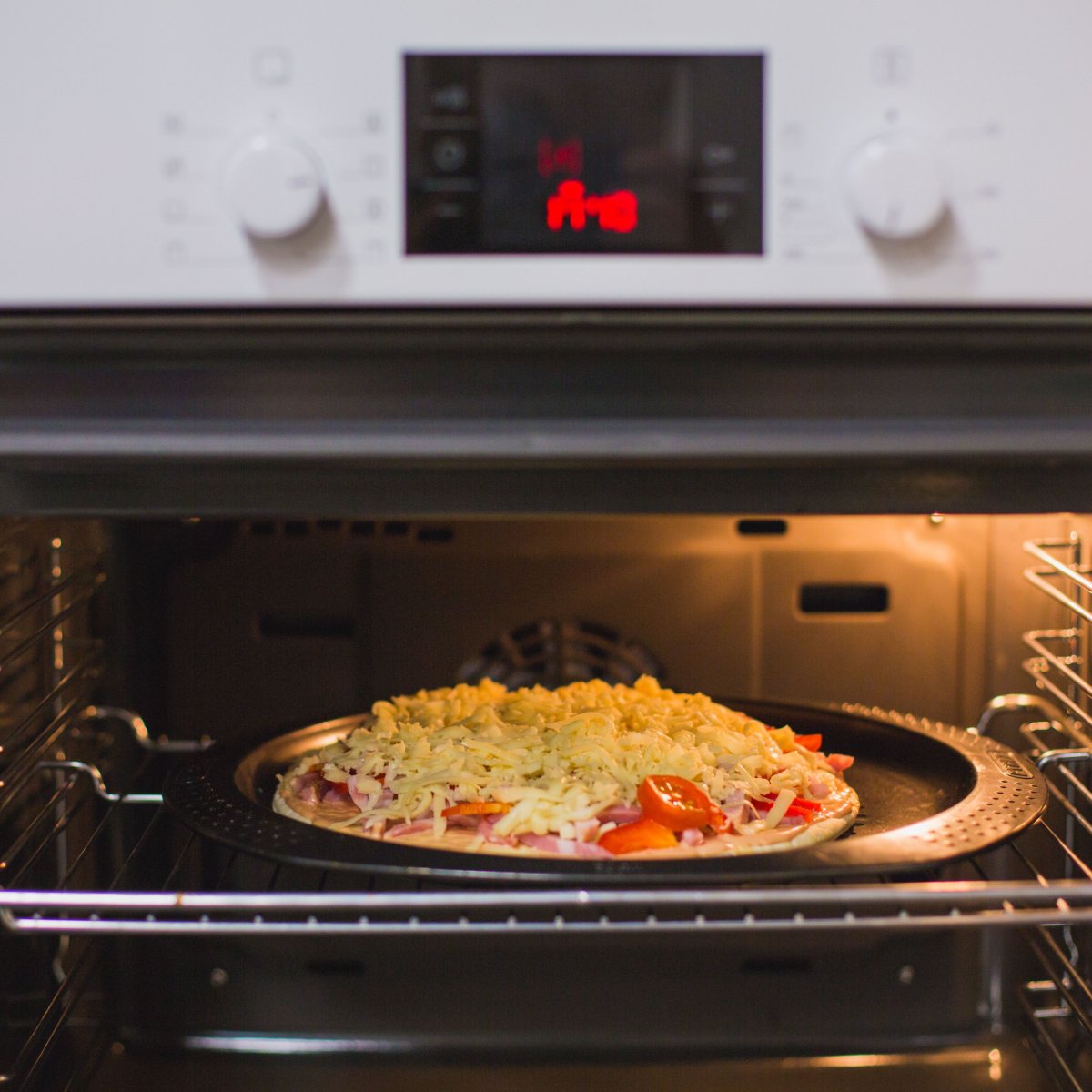
Carefully slide the pizza onto the center rack. If you are using a pizza stone, use a pizza peel or a flat tray to slide the pizza onto the preheated stone.
- For Conventional Ovens: Follow the package temperature exactly.
- For Convection Ovens: Reduce the suggested temperature by 25°F or reduce the cooking time by approximately 2 to 4 minutes.
4. Monitoring Progress
Around the 10-minute mark, check the pizza. Every oven has "hot spots." If you notice one side of the crust is browning faster than the other, use tongs or a spatula to rotate the pizza 180 degrees.
Comparison of Cooking Methods and Times
The following table outlines the expected results based on common oven settings and equipment used for a standard 12-inch frozen pizza in 2026.
| Method | Recommended Temp | Average Time | Resulting Texture | Best For |
|---|---|---|---|---|
| Direct Rack | 425°F (218°C) | 12–15 mins | Very Crispy | Thin Crust, Classic Crust |
| Baking Sheet | 400°F (204°C) | 15–18 mins | Soft / Chewy | Deep Dish, Kids' Meals |
| Pizza Stone | 450°F (232°C) | 8–12 mins | Pizzeria Style | Rising Crust, Artisanal Frozen |
| Convection | 375°F (190°C) | 10–13 mins | Evenly Browned | Multi-topping Pizzas |
Addressing Different Crust Types
Frozen pizzas are not monolithic; the thickness and hydration levels of the dough vary by style.
Thin and Crispy Crust
Thin crusts have low moisture content and high surface area. They are prone to burning if the oven is too hot. Because there is less "insulation" between the heat and the toppings, these cook the fastest. It is best to cook these directly on the rack to ensure the bottom reaches a "cracker-like" consistency.
Self-Rising Crust
Self-rising pizzas contain live yeast or chemical leaveners that have not been par-baked. These require a specific temperature range—usually exactly 400°F—to allow the dough to expand before the outer crust sets. If the oven is too hot, the outside will harden, trapping raw dough inside.
Deep Dish and Pan Pizza
These varieties have the highest thermal mass and require the longest cooking times. They are almost always cooked in a specialized pan or on a baking sheet. The challenge here is ensuring the center of the pizza reaches the safety threshold of 165°F without the edges becoming overly dry. According to FDA food safety standards, ensuring these thick-centered items are cooked through is vital to preventing foodborne illness.
Troubleshooting Common Issues
The Center is Cold, but the Edges are Burnt
This is a classic symptom of an oven that is too hot or a pizza that was partially thawed before entering the oven. When a pizza thaws, the moisture migrates, and the thermal properties change. Always cook from frozen. If the edges are browning too fast, you can create a "shield" using strips of aluminum foil around the perimeter of the pizza.
The Crust is Soggy
Soggy crust is usually caused by trapped steam. This happens if you cook the pizza on a baking sheet without holes or if the oven temperature was too low. To fix this, ensure you are preheating for at least 20 minutes and consider switching to a perforated pizza pan or placing the pizza directly on the rack.
The Cheese is Browned but Not Melted Smoothly
In 2026, many frozen pizza brands use a blend of mozzarella and modified food starches to maintain shelf life. If the cheese looks "pitted" or dry, it may be due to the oven's heating element being too close. Move the rack down one level for the next bake.
Enhancing Your Frozen Pizza
While the instructions on the box provide a baseline, you can improve the quality of a frozen pizza with a few professional techniques:
- The Olive Oil Brush: Before putting the pizza in the oven, lightly brush the exposed crust edges with extra virgin olive oil. This encourages even browning and adds a rich flavor.
- Fresh Topping Timing: If you want to add fresh basil or delicate greens, do not put them on before baking. Add them immediately after the pizza comes out of the oven so the residual heat wilts them without turning them bitter.
- The Post-Bake Rest: Let the pizza rest for 3 to 5 minutes on a cooling rack (not a flat surface) after removal. This allows the cheese to set and the steam to escape from the bottom of the crust, ensuring the first bite isn't a "cheese slide" off the dough.
FAQs
Should I thaw frozen pizza before baking?
No, you should never thaw a frozen pizza before baking it. Frozen pizzas are engineered to be cooked from a frozen state. Thawing allows the ice crystals to melt into the dough, which results in a gummy, soggy texture and can interfere with the rising process of the yeast.
Can I use the "Broil" setting for pizza?
You should only use the broil setting during the last 60 seconds of cooking if you want to add additional color to the cheese. Broiling for the entire duration will burn the toppings and leave the dough raw in the middle because the intense infrared heat does not penetrate deep enough.
Is it safe to cook pizza on the cardboard it comes with?
No, it is not safe. Most cardboard bases are not treated for high-oven temperatures and can catch fire. Furthermore, the cardboard acts as an insulator, blocking heat from reaching the bottom of the pizza, which results in undercooked dough.
Why does my pizza stick to the oven rack?
Pizza sticks to the rack if the dough is slightly thawed or if the rack is cold when the pizza is placed on it. Ensure the oven is fully preheated so the rack is hot enough to "sear" the dough on contact, which prevents sticking.
How do I know when the pizza is done?
The most reliable indicators are a golden-brown crust and cheese that is bubbling across the entire surface, including the center. For absolute certainty, use a food thermometer to confirm the internal temperature has reached 165°F.
Final Recommendation
For the most consistent results, invest in a pizza stone or a pizza steel. These tools bridge the gap between a standard home oven and a commercial pizza oven by providing the intense, consistent base heat required for a professional-grade crust. Always prioritize safety by using proper heat protection and following the internal temperature guidelines provided by official health organizations. By mastering the balance of rack placement and preheating, you can turn a standard frozen meal into a high-quality dining experience.
Image Gallery