What Protein in a Mandarin Orange Really Means
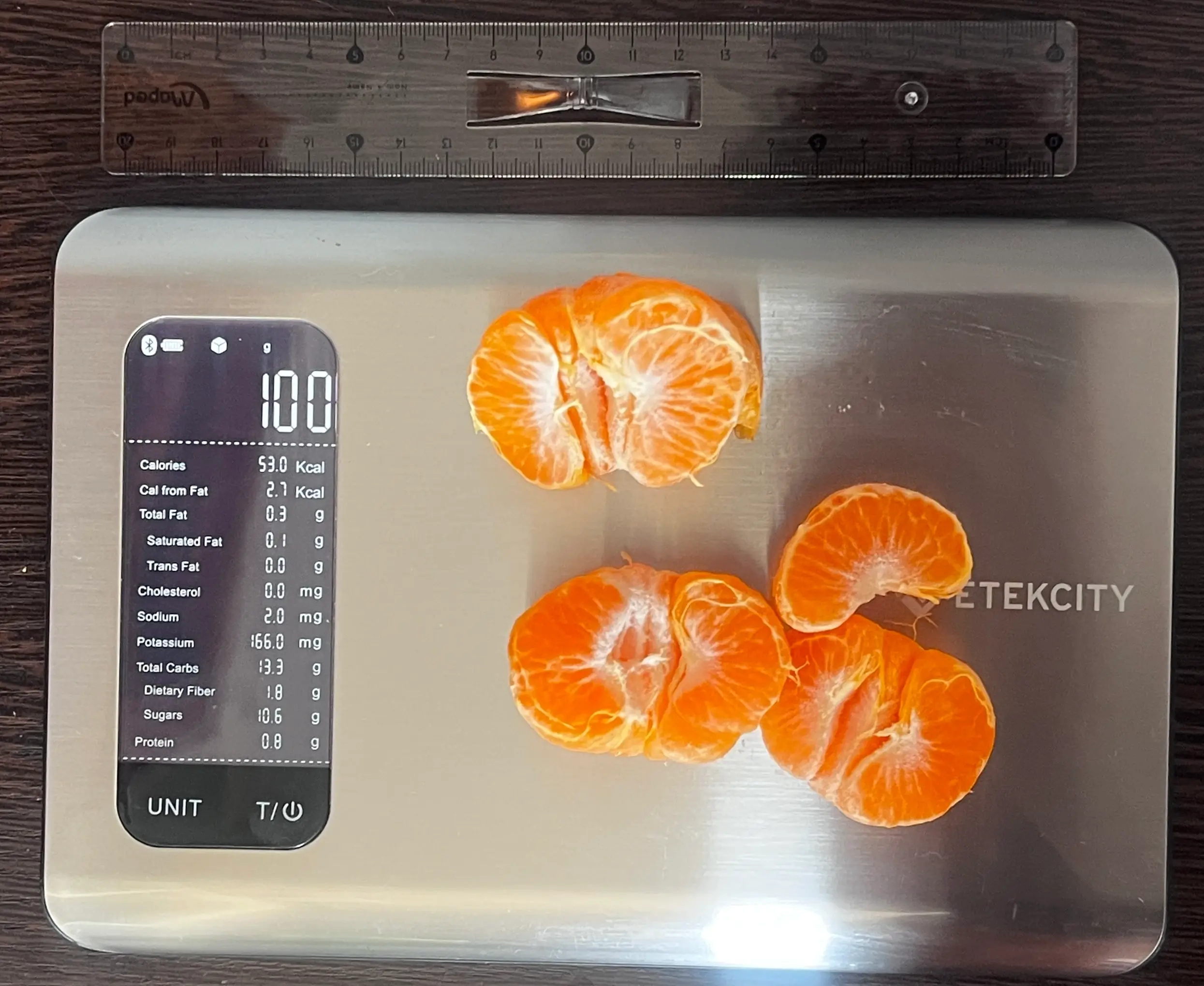
When a nutrition label lists protein in a mandarin orange—typically between 0.6 and 0.8 grams per fruit—it does not indicate a muscle-building macronutrient source. Instead, it reflects the essential microscopic machinery of the plant:...
When a nutrition label lists protein in a mandarin orange—typically between 0.6 and 0.8 grams per fruit—it does not indicate a muscle-building macronutrient source. Instead, it reflects the essential microscopic machinery of the plant: metabolic enzymes, cell membrane transporters, structural cell-wall proteins, and free amino acids required for the fruit’s growth, respiration, and defense.
Contents
Understanding what this figure truly represents requires looking past standard dietary advice and examining how plants grow, how laboratories measure protein, and why non-protein nitrogen often skews what appears on everyday food packaging.
The Nutritional Reality: Deconstructing the Numbers
A medium mandarin orange (Citrus reticulata), weighing roughly 88 grams peeled, provides negligible amounts of dietary protein. According to the USDA FoodData Central database, 100 grams of fresh mandarin orange contains approximately 0.81 grams of protein. In a typical fruit, that translates to less than one gram—contributing barely 1% of the daily recommended intake for a sedentary adult.
Typical Mandarin (approx. 88g peeled)
- Total Calories: ~47 kcal
- Water: ~85%
- Carbohydrates: ~11.7 g (Sugars: ~9.3 g, Fiber: ~1.6 g)
- Fat: ~0.3 g
- Protein: ~0.7 g (approx. 1.2% to 1.5% of Daily Value)
Dietary protein is defined as an assembly of amino acids linked by peptide bonds, which the human body breaks down to repair tissues, synthesize hormones, and support enzymatic reactions. In animal products or legumes, protein functions primarily as structural tissue or concentrated nutrient storage. In a mandarin orange, however, the fruit is biologically designed to disperse seeds and attract fauna using water, simple sugars, and aromatic terpenes. Protein is not stored in bulk within the pulp; rather, it is distributed throughout the living cellular components.
The Kjeldahl Factor and the Nitrogen Calculation
The value printed on a nutrition facts panel is rarely derived from isolating pure protein chains. Food testing laboratories determine crude protein content by measuring total organic nitrogen, traditionally using the Kjeldahl method or the Dumas combustion method.
Because proteins contain an average of 16% nitrogen, laboratories multiply the detected nitrogen content by a standard conversion factor of 6.25. In citrus fruits, however, a meaningful portion of total nitrogen does not originate from intact proteins at all. Instead, it exists as:
- Free amino acids: Nitrogen compounds circulating in the juice vesicles that have not linked into peptide chains (notably proline, arginine, and asparagine).
- Inorganic nitrates and ammonium: Soil-derived nutrients transported through the vascular bundles (the white stringy pith, known botanically as the albedo).
- Nucleic acids: RNA and DNA found in the cellular nuclei of the fruit pulp.
Consequently, the stated protein content on a mandarin's nutritional label overestimates the actual functional, dietary peptide mass. In reality, true peptide-bound protein in a mandarin may represent only 60% to 70% of the reported laboratory value.
Biological Anatomy: What That Protein Actually Does
To understand what protein in a mandarin means, one must look at plant physiology rather than dietary targets. The protein present within the flavedo (colored peel), albedo (white pith), segment membranes (endocarp), and juice vesicles (the edible pulp sacs) serves specific biological roles:
1. Enzymatic Catalysis and Ripening
The vast majority of functional proteins in a ripening mandarin are enzymes. These biological catalysts manage the conversion of starch to simple sugars (sucrose, glucose, and fructose), synthesize ascorbic acid (vitamin C), and break down chlorophyll to reveal carotenoids as the fruit turns from green to bright orange. Key enzymes include:
- Pectin methylesterase (PME): Modifies the pectin within the cell walls, determining how soft or firm the fruit segments feel when chewed.
- Invertase: Hydrolyzes sucrose into glucose and fructose, adjusting the perceived sweetness of the juice.
- Citrate synthase and aconitase: Regulate citric acid levels, governing the balance between acidity and sweetness as the citrus reaches maturity.
2. Structural Integrity of the Cell Wall
Citrus fruit cells endure substantial turgor pressure from the juice accumulating within their vacuoles. To keep segments intact, the plant relies on structural glycoproteins embedded in the primary cell walls. Proteins such as hydroxyproline-rich glycoproteins (extensins) cross-link with cellulose microfibrils and pectin, providing the tensile strength that keeps juice sacs from bursting prematurely on the tree.
3. Cellular Transport and Osmoregulation
Every single juice vesicle contains millions of micro-transporters embedded across its plasma membranes. These aquaporins (water channel proteins) and ion pumps actively shuttle potassium, sugars, and water into the pulp cells against concentration gradients. Without these membrane-bound proteins, the mandarin could not inflate its segments or retain moisture.
Amino Acid Composition: An Incomplete Dietary Profile
Proteins are evaluated not only by their weight, but by their constituent amino acids. Human biology requires nine essential amino acids from food: histidine, isoleucine, leucine, lysine, methionine, phenylalanine, threonine, tryptophan, and valine.
Mandarin protein is an "incomplete" protein. While the fruit contains trace quantities of nearly all essential amino acids, they exist in concentrations too low to support tissue protein synthesis on their own.
| Dominant Amino Acids | Nutritional & Biological Context |
|---|---|
| Proline | Non-essential; constitutes up to 40% of total free amino acids in citrus. |
| Arginine | Conditionally essential; critical for nitrogen storage inside the fruit. |
| Asparagine & Aspartate | Serves as the primary transport currency for nitrogen from root to pulp |
| Limiting Amino Acids | Deficiencies for Human Dietary Needs |
| Methionine | Extremely low; common plant bottleneck. |
| Lysine | Negligible; insufficient for metabolic protein synthesis benchmarks. |
| Tryptophan | Present only in microgram amounts. |
Because proline and arginine dominate the amino acid profile of mandarin juice, the biological value (BV) and Protein Digestibility-Corrected Amino Acid Score (PDCAAS) of mandarin protein are low. If an individual ate ten mandarins, they would ingest roughly 7 grams of crude protein, but the lack of methionine and lysine would prevent those amino acids from being utilized efficiently for muscle repair unless combined with complementary proteins from other meals.
The Immunological Meaning: Defense Proteins and Allergens
For the overwhelming majority of consumers, the protein in a mandarin orange is a benign, microscopic background detail. However, for a small subset of the population, these proteins carry clinical significance as potential allergens.
Plants produce specialized defense compounds known as pathogenesis-related (PR) proteins to fend off fungal pathogens, bacteria, and pest infestations. In citrus fruits, specific PR proteins can trigger allergic sensitization:
- Cit s 1 (Germin-like protein): A heat-stable protein found in citrus pulp and peel that can cause localized oral allergy symptoms.
- Cit s 2 (Profilin): A pan-allergen found across many plant families. Individuals allergic to birch tree pollen or grass pollen often cross-react with Cit s 2, leading to Oral Allergy Syndrome (itching of the lips, tongue, and throat upon consuming raw mandarins).
- Cit s 3 (Non-specific Lipid Transfer Protein / nsLTP): The most clinically significant citrus protein. Lipid transfer proteins are tough, compact proteins that resist enzymatic breakdown during digestion and withstand thermal processing. In individuals with nsLTP syndrome (prevalent in Mediterranean regions), Cit s 3 can cause systemic allergic reactions, including urticaria, abdominal distress, and exercise-induced anaphylaxis.
When an immunologist refers to the "protein in a mandarin," they are almost never referencing caloric macronutrients; they are pointing to these precise, tightly folded defense proteins capable of binding human immunoglobulin E (IgE) antibodies.
Nutritional Comparison: Mandarins vs. Other Whole Fruits
To understand how the mandarin's protein density compares within a whole-food diet, it is helpful to look at standard, unprocessed fruit servings based on USDA compositional data.
| Fruit Variety | Standard Serving Size | Protein Content (g) | Primary Free/Dominant Amino Acids | Dietary Protein Significance |
|---|---|---|---|---|
| Mandarin Orange | 1 medium (88g) | 0.7 g | Proline, Arginine, Asparagine | Negligible; non-protein nitrogen skew |
| Navel Orange | 1 medium (140g) | 1.3 g | Proline, Arginine | Low; slightly higher pulp volume |
| Banana | 1 medium (118g) | 1.3 g | Histidine, Aspartate | Low; dense carbohydrate vehicle |
| Avocado | 1/2 fruit (100g) | 2.0 g | Glutamate, Aspartate | Moderate for fruit; complete profile |
| Apple (with skin) | 1 medium (182g) | 0.5 g | Asparagine, Glutamate | Trace; dominated by insoluble pectin |
| Blackberries | 1 cup (144g) | 2.0 g | Alanine, Leucine | Moderate; driven by edible fibrous seeds |
| Guava | 1 cup (165g) | 4.2 g | Glutamic acid, Aspartic acid | Exceptionally high for tree fruit |
Mandarins sit comfortably in the middle-to-low tier of whole fruits. Fruits with edible seeds (like blackberries or raspberries) or dense lipid contents (like avocados) naturally possess higher protein ratios, because seeds store concentrated globulin proteins to nourish potential seedlings. Mandarins bred for human consumption—particularly seedless varieties such as Clementines, Satsumas, or Murcotts—contain even lower true protein concentrations than wild, heavily seeded ancestral citrus varieties.
Dietary Considerations: How to Interpret Mandarin Protein in Practice
How should people managing specific nutritional programs treat the protein in a mandarin? The answer depends heavily on the diet's clinical goals:
Everyday Balanced Eating
If you consume mandarins as a snack, ignore the protein value entirely. Treat the fruit for what it excels at: hydration, dietary soluble fiber (pectin), bioactive flavanones (such as hesperidin and naringenin), and vitamin C. Pair mandarins with Greek yogurt, cottage cheese, pumpkin seeds, or almonds if you require satiety and muscle maintenance.
Ketogenic and Low-Carbohydrate Regimens
On strict ketogenic protocols, individuals monitor every macronutrient to stay within a 20g to 50g net-carbohydrate ceiling. A mandarin delivers about 9 to 10 grams of net carbohydrates alongside its fractional 0.7 grams of protein. The carbohydrate-to-protein ratio exceeds 12:1. You cannot rely on citrus to fulfill protein targets without drastically exceeding your daily carbohydrate thresholds.
Advanced Renal Diets (Kidney Disease)
Patients undergoing treatment for chronic kidney disease (CKD) often track dietary nitrogen, protein intake, and potassium load with precision. While a mandarin's 0.7g of protein is low enough not to burden the kidneys with excessive urea waste, the nitrogenous free amino acids (like arginine) combined with an average potassium content of roughly 146 milligrams per fruit must be accounted for by individuals on strict potassium-restricted meal plans.
Step-by-Step: Evaluating Whole Food Nutrition Labels
When navigating whole fruits and processed citrus snacks at the grocery store, use this sequence to verify what the label claims:
- Examine the Ingredient Panel: If looking at canned mandarin segments, check if they are packed in water, light syrup, or pear juice. Added sugars alter the macronutrient ratio, decreasing the relative protein density per calorie.
- Inspect the Serving Weight: A typical serving of mandarins is 100 to 140 grams (one to two small fruits). If a label shows 2 grams of protein, check the serving size; it likely represents an unusually large portion or dried fruit slices where dehydration has concentrated all solids.
- Account for Dehydration: Freeze-dried or dehydrated mandarin chips show significantly elevated protein numbers per ounce (often 3 to 4 grams per 100 grams) simply because the removal of 85% water mass concentrates the structural cell walls and residual enzymes. It is not an enriched protein source; it is simply desiccated plant matter.
Frequently Asked Questions
Can the protein in a mandarin orange help with muscle recovery after exercise?
No. The quantity of protein in a mandarin (under one gram) is far below the roughly 20- to 40-gram threshold of intact protein required to trigger muscle protein synthesis via the mTOR pathway. While its simple carbohydrates replenish glycogen stores and its vitamin C reduces oxidative stress, you must pair the fruit with an external protein source like whey, soy, eggs, or poultry to aid muscle repair.
Does a seedless mandarin have less protein than a seeded one?
Yes. Seeds contain concentrated nutrient reserves, primarily storage globulins and albumins, designed to support the initial growth of a sprout. Seedless varieties, such as standard commercial Clementines and Satsumas, lack these embryonic storage tissues, meaning their protein content is limited almost entirely to the enzymes, membranes, and structural wall proteins of the edible pulp.
If mandarins contain enzymes, do they act as natural digestive aids?
Citrus enzymes like invertase and pectinase function within the cellular metabolism of the plant itself. When consumed, these plant enzymes are largely denatured by human gastric hydrochloric acid and broken down by pepsin in the stomach. They do not act as systemic digestive enzyme supplements in the human gastrointestinal tract.
Why do some citrus products list 0g protein if the fruit contains 0.8g?
Food labeling regulations governed by the United States Food and Drug Administration (FDA) allow manufacturers to round nutrient declarations. If a single serving of a food contains less than 0.5 grams of protein, the manufacturer may round the value down to zero on the Nutrition Facts panel. For small mandarins or partial servings of citrus juice, the true 0.4g to 0.7g of protein is frequently rounded down to 0g.
Are the white stringy bits (pith) richer in protein than the juice?
Yes, proportionally. The albedo (the white spongy layer) and the carpellary membranes that divide the segments have a higher concentration of structural glycoproteins and cell-wall architecture than the liquid-filled vacuoles of the juice sacs. Eating the fruit with its pith intact increases intake of these structural proteins and dietary pectin, though the difference remains nutritionally minor in the context of total daily caloric intake.
Practical Takeaway
The protein in a mandarin orange is a biochemical necessity for the plant, not a dietary solution for the consumer. When you see 0.6 to 0.8 grams of protein on a citrus nutrition label, view it as evidence of cellular life: active enzymes that managed the ripening process, transport proteins that carried sweet juice into the pulp, and structural fibers that built the segments.
For daily meal planning, treat mandarins purely as an exceptional source of hydration, soluble fiber, and micronutrients. To hit meaningful daily protein goals, consistently combine citrus with dedicated, amino-acid-dense foods—such as pairing fresh mandarin slices with Greek yogurt, cottage cheese, or a handful of roasted almonds.
Image Gallery