Google Life Insurance for Seniors: A 2026 Guide to Finding the Best Rates and Coverage
While Google does not directly underwrite or sell its own branded life insurance policies, it serves as the primary gateway for seniors to research, compare, and secure coverage. In 2026, navigating "Google life insurance" results requ...
While Google does not directly underwrite or sell its own branded life insurance policies, it serves as the primary gateway for seniors to research, compare, and secure coverage. In 2026, navigating "Google life insurance" results requires distinguishing between sponsored advertisements, high-authority insurance carriers, and independent review platforms to find the most cost-effective and reliable policies for those aged 50 to 85.
Contents
Navigating the Search Landscape for Senior Life Insurance
When seniors search for life insurance on Google, they are met with a sophisticated ecosystem of information. It is essential to understand that the "Google" aspect of this search is a tool for discovery rather than a product itself. By 2026, Google’s search algorithms have become increasingly adept at filtering for "Expertise, Authoritativeness, and Trustworthiness" (E-A-T), particularly for financial products that fall under the "Your Money or Your Life" (YMYL) category.
To find the best results, users should look beyond the initial "Sponsored" labels. These ads are paid placements by insurance companies or lead-generation firms. While many are legitimate, some may prioritize data collection over providing direct quotes. The most reliable information often resides in the organic search results below the ads, where established carriers like Mutual of Omaha, AARP (New York Life), and State Farm typically rank due to their long-standing reputation and comprehensive digital resources.
Common Types of Senior Life Insurance Found via Google
Seniors often search for specific types of coverage. In 2026, the market is primarily divided into three categories that cater to different financial goals and health statuses.
1. Final Expense Insurance (Burial Insurance)
This is the most common product searched for by seniors on Google. It is a type of permanent whole life insurance designed to cover end-of-life costs, such as funeral services and medical bills. These policies typically offer lower death benefits—ranging from $2,000 to $50,000—and do not require a medical exam. They are highly accessible to individuals with pre-existing conditions.
2. Term Life Insurance
While less common for those over 70, term life insurance remains a popular search for "younger" seniors (ages 50–65) who still have a mortgage or dependents. These policies provide coverage for a set period, such as 10, 15, or 20 years. By 2026, many carriers have extended term limits, allowing some seniors to secure term coverage that lasts into their mid-80s, provided they are in relatively good health.
3. Guaranteed Issue Life Insurance
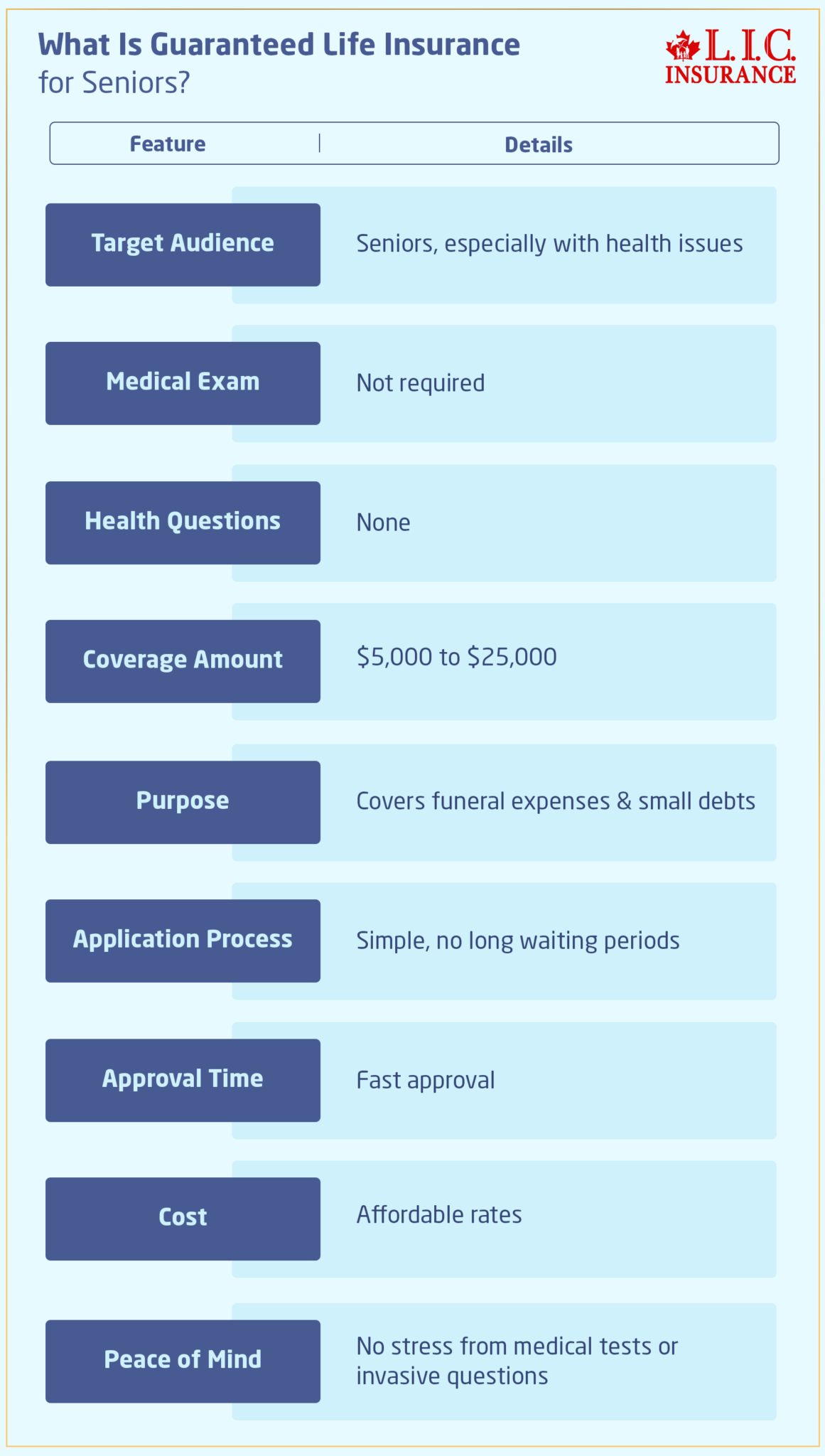
For seniors with significant health challenges, Google searches often lead to "Guaranteed Issue" options. As the name suggests, coverage is guaranteed regardless of health history. These policies usually have a "graded death benefit," meaning if the policyholder passes away within the first two or three years of the policy, the beneficiaries may only receive a refund of premiums plus interest rather than the full face value.
How to Evaluate Insurance Carriers Using Google Tools
The benefit of using Google to find senior life insurance lies in the auxiliary tools available to verify a company’s credibility.
- Google Business Profiles and Reviews: When searching for local agents or regional offices, Google Maps provides star ratings and user reviews. For seniors, these reviews can offer insights into the claims process and customer service responsiveness. However, always look for detailed reviews rather than just star counts to ensure they are authentic.
- Search Generative Experience (SGE): In 2026, Google’s AI-driven search summaries often provide a quick comparison of policy features. While helpful for a high-level overview, these summaries should be verified against the official carrier’s website to ensure pricing and eligibility requirements are current.
- News and Regulatory Updates: Using Google News allows seniors to check if a carrier has faced recent legal issues or has been subject to regulatory fines by the National Association of Insurance Commissioners (NAIC).
Comparison of Senior Life Insurance Options in 2026
The following table outlines the typical specifications for the most popular senior insurance products found through digital search channels.
| Policy Type | Typical Age Range | Death Benefit Range | Medical Exam Required? | Cash Value Accumulation |
|---|---|---|---|---|
| Final Expense | 50 – 85 | $2,000 – $50,000 | No (Health Questions Only) | Yes |
| Term Life | 50 – 75 | $50,000 – $1M+ | Often (Unless simplified issue) | No |
| Whole Life | 50 – 80 | $10,000 – $500,000+ | Usually Yes | Yes |
| Guaranteed Issue | 50 – 85 | $2,000 – $25,000 | No | Yes |
The Role of Health and Age in 2026 Pricing
Pricing for life insurance for seniors is fundamentally driven by two factors: the age at which you apply and your current health status. In 2026, many carriers have integrated "accelerated underwriting," which uses data algorithms to assess risk without requiring a physical blood draw.
For a 65-year-old non-smoker, a $25,000 final expense policy might cost between $80 and $120 per month. However, waiting until age 75 could see those premiums nearly double for the same amount of coverage. This is why Google search results often emphasize "locking in rates early." Permanent policies found online are generally "level premium," meaning the cost will never increase as long as the policy remains active, providing financial predictability for those on fixed incomes.
Identifying Reliable Sources vs. Lead-Generation Sites
One of the primary challenges for seniors using Google is distinguishing between an insurance carrier and a lead-generation site. A lead-generation site often uses generic names like "Best Senior Rates 2026" or "Senior Life Savings." These sites do not provide insurance; instead, they collect your phone number and email to sell to multiple agents.
To avoid a barrage of telemarketing calls, seniors should:
- Check the "About Us" page: Ensure the company is a licensed insurance agency or carrier.
- Look for a Physical Address: Legitimate insurers will list their headquarters and licensing information clearly.
- Verify via AM Best: Use Google to find the company’s financial strength rating from AM Best. A rating of "A" or higher indicates the company is financially stable enough to pay out future claims.
Common Mistakes to Avoid When Searching Online
The ease of clicking the first result on Google can lead to several pitfalls for senior shoppers.
Overlooking the Graded Period: Many seniors click on "No Medical Exam" ads without realizing that a graded period applies. If death occurs within the first two years from natural causes, the full benefit may not be paid. It is vital to read the fine print regarding "waiting periods."
Failing to Disclose Health Issues: Even for "simplified issue" policies that don't require an exam, answering health questions untruthfully can lead to a denied claim later. In 2026, insurers have access to extensive prescription drug databases and Medical Information Bureau (MIB) records, making it easy to verify the information provided during a digital application.
Ignoring Inflation: A $10,000 funeral policy might seem sufficient today, but with the rising costs of services, it may be inadequate in ten or fifteen years. When researching on Google, look for policies that offer an "inflation protection" rider or consider purchasing a slightly higher death benefit than currently needed.
Frequently Asked Questions
Does Google sell its own life insurance policies?
No, Google does not act as an insurance carrier or underwriter. It functions as a search engine and advertising platform that connects seniors with insurance providers, agencies, and comparison tools.
What is the best age for a senior to buy life insurance?
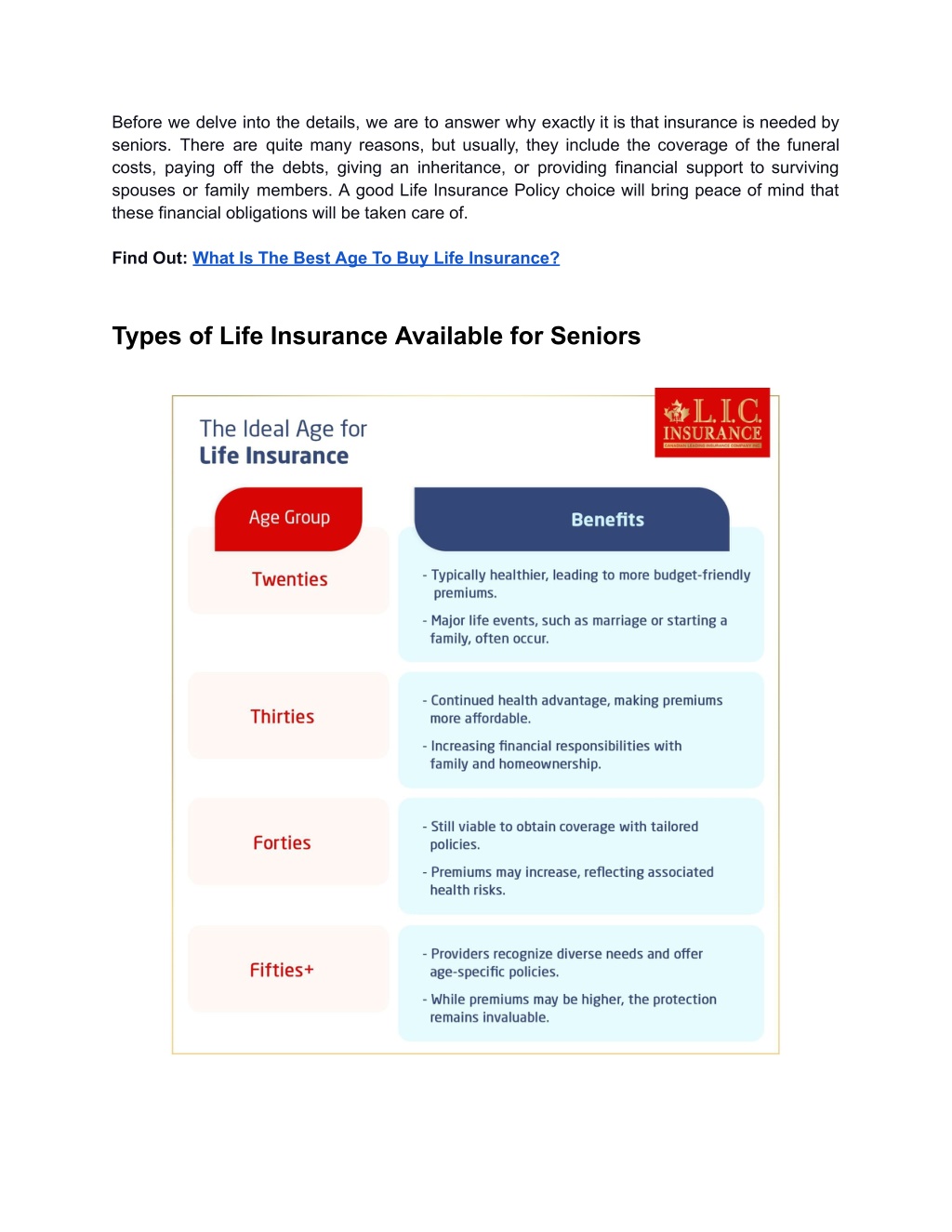
The best age is always "as soon as possible." Because premiums are based on age and health, costs increase every year you wait. Most financial advisors suggest that if you need coverage for final expenses, securing a policy in your 50s or 60s is significantly more affordable than waiting until your 70s.
Are "No Medical Exam" policies a scam?
No, they are a legitimate insurance product known as "Simplified Issue" or "Guaranteed Issue" life insurance. They are designed for convenience and for those who might not qualify for traditional coverage. However, they are more expensive per dollar of coverage than policies that require a medical exam.
How can I find the most affordable senior life insurance on Google?
To find the best rates, use specific search terms like "term life insurance for seniors over 60" rather than generic terms. Compare quotes from at least three different high-authority carriers and check their financial ratings on third-party sites like Standard & Poor’s or AM Best.
Can I buy life insurance for my parents through a Google search?
Yes, as long as you have their consent and there is an "insurable interest." The parent must typically participate in the application process, even if it is done digitally, to verify health information and sign the policy documents.
Recommendations for Seniors Using Google for Insurance
When using Google to secure life insurance in 2026, the most effective strategy is a measured, multi-step approach. Start by using the search engine to educate yourself on the terminology—understanding the difference between term and whole life is crucial. Next, use comparison tools provided by reputable, independent brokers who represent multiple carriers rather than just one.
Before committing to a policy, verify the carrier's license through your specific State Department of Insurance. Finally, always request a "Specimen Policy" to read the actual contract terms before making your first premium payment. This ensures that the coverage you found via Google aligns perfectly with your estate planning goals and budget.
Image Gallery