What Changed for Brian Branch? The Evolution of Detroit Lions Safety No. 32
The primary change for Detroit Lions safety Brian Branch (wearing No. 32) was his dynamic positional shift from a primary nickel cornerback in his 2023 rookie season to a full-time, roving starting safety. Accelerated by Detroit’s seco...
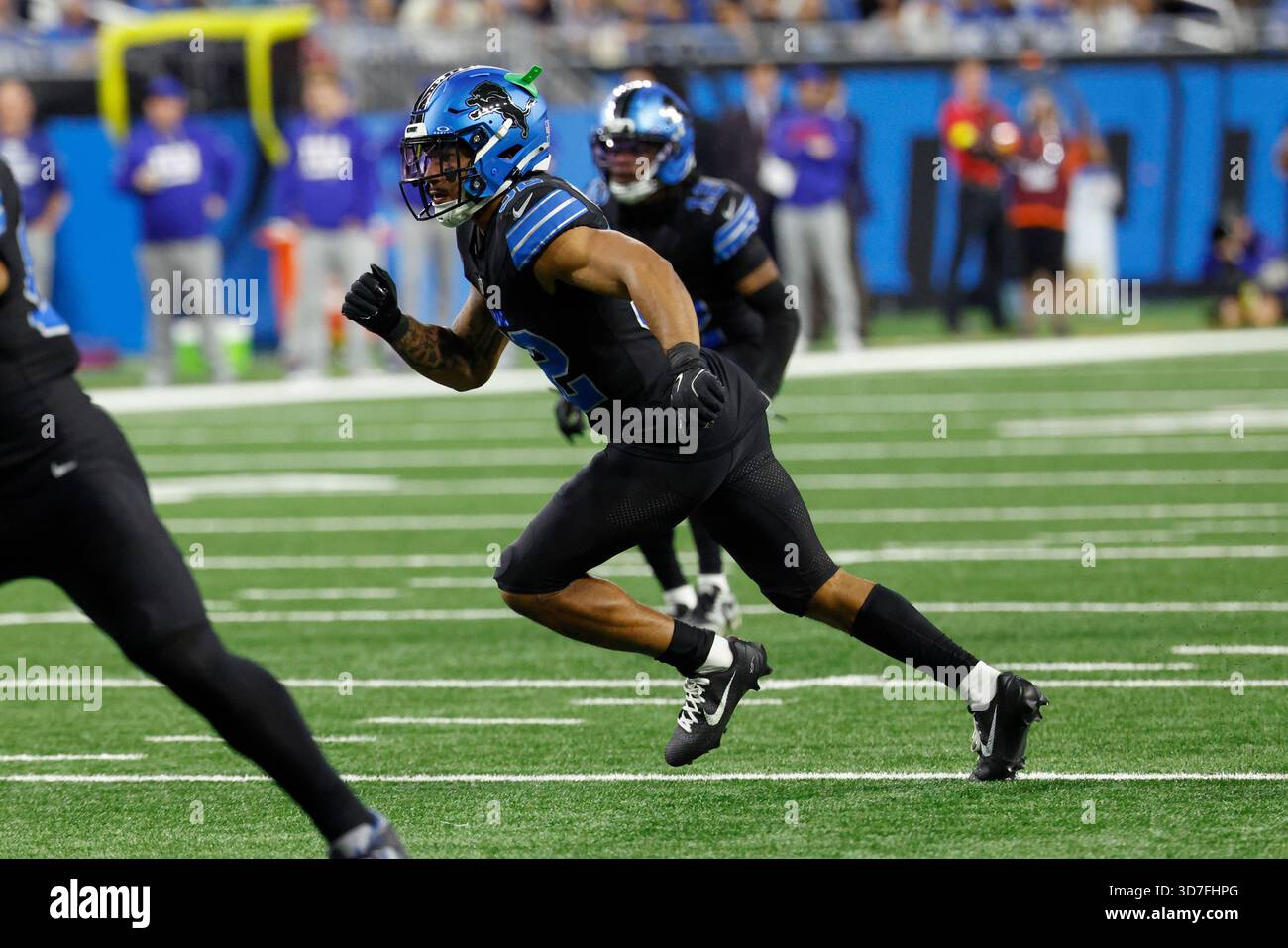
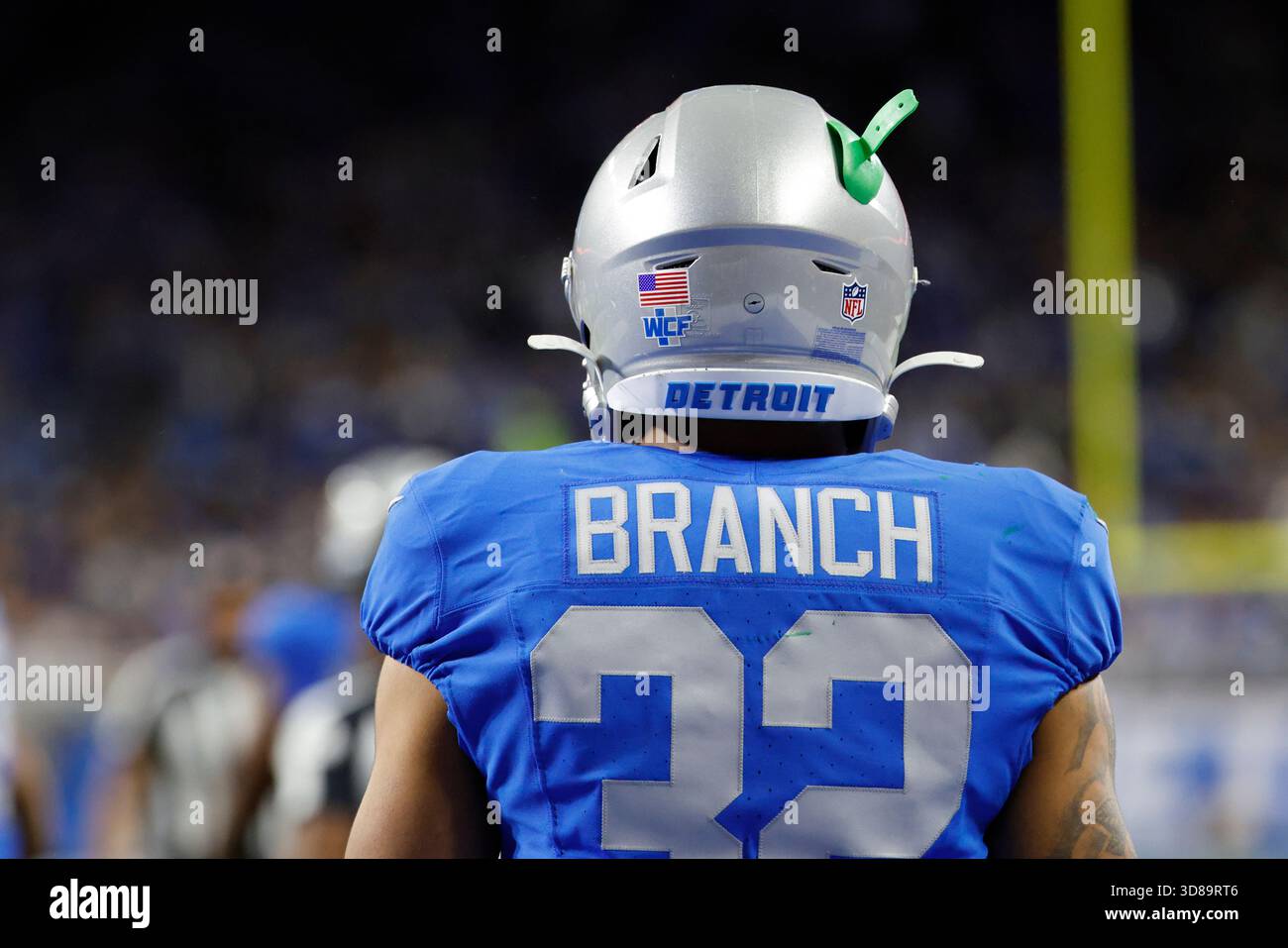
The primary change for Detroit Lions safety Brian Branch (wearing No. 32) was his dynamic positional shift from a primary nickel cornerback in his 2023 rookie season to a full-time, roving starting safety. Accelerated by Detroit’s secondary overhaul and defensive coordinator Aaron Glenn’s tactical scheme, Branch evolved from a slot defender into one of the NFL's most versatile defensive playmakers.
Contents
The Positional Shift: From Nickel Corner to Roving Safety
When the Detroit Lions selected Brian Branch with the 45th overall pick in the 2023 NFL Draft out of the University of Alabama, he was broadly evaluated as a ultimate hybrid defensive back. Under legendary college head coach Nick Saban, Branch excelled in the "STAR" role—a specialized position requiring the instincts of a linebacker, the coverage capability of a cornerback, and the downhill tackling of a safety.
During his 2023 rookie campaign with Detroit, the coaching staff placed Branch immediately in the nickel slot corner position. He made an instant impact, famously intercepting a tipped pass from Kansas City Chiefs quarterback Patrick Mahomes and returning it for a touchdown in his NFL debut on Opening Night. Throughout that initial season, Branch played predominantly inside, spending over 70% of his defensive snaps lined up in the slot.
2023 Rookie Alignment: [Slot Corner / Nickel DB] ---> Primary assignment: Coverage on slot WRs / Run fit from nickel 2024+ Safety Alignment: [Deep Free Safety / Robber / Box DB] ---> Roving assignments: Split-safety, deep 1/2, blitz packages
The major change occurred ahead of his second NFL season. Defensive coordinator Aaron Glenn shifted Branch away from full-time slot coverage to align him primarily at safety—both deep in split-safety looks (Cover 2, Cover 4) and down near the line of scrimmage as an inverted box defender or robber. Rather than reacting to quick slot receivers on every snap, Branch was unlocked to view the entire field, diagnose pre-snap reads, and use his elite processing speed to trigger downhill against both the run and the pass.
Defensive Roster Overhaul: The Roster Moves That Unlocked Branch
Brian Branch’s position change did not happen in a vacuum. It was the direct result of an aggressive offseason reconstruction of the Detroit Lions secondary led by General Manager Brad Holmes.
Heading into Branch's second year, Detroit recognized that their secondary had lacked perimeter stability and overall depth during their 2023 NFC Championship Game run. To fix this, the Lions executed multiple high-profile acquisitions:
- Acquired Veteran Cornerback Talent: The Lions traded for veteran outside cornerback Carlton Davis III from the Tampa Bay Buccaneers to anchor one perimeter spot.
- Invested Heavy Draft Capital: Detroit traded up in the first round of the 2024 NFL Draft to select corner Terrion Arnold (Branch's former Alabama teammate), and followed up in the second round by drafting cornerback Ennis Rakestraw Jr.
- Added Slot Versatility: Detroit signed defensive back Amik Robertson in free agency, providing a proven, physical option inside at nickel corner.
These structural personnel moves directly enabled Branch’s transition. With Arnold, Davis, and Robertson taking over perimeter and slot cornerback responsibilities, Aaron Glenn no longer needed Branch tied to the slot to survive against short passing games. Instead, the Lions could deploy Branch at safety alongside veteran Kerby Joseph, creating one of the most explosive defensive back tandems in the league.
Tactical and Schematic Evolution Under Aaron Glenn
Moving Branch to safety transformed how Aaron Glenn constructed pre-snap disguises and coverage rotations. Branch possesses elite processing instincts, allowing Detroit to shift coverage structures late in the play clock without sacrificing gap integrity.
1. Pre-Snap Disguise and Robber Coverages
At safety, Branch frequently shifts from a middle-of-the-field open (two-high) shell into a middle-of-the-field closed (single-high) alignment right before the snap. In "Robber" coverage schemes, Branch drops into the intermediate hole (8 to 12 yards off the ball) to cut off slant, dig, and crosser routes from opposing wide receivers. His vision allows him to undercut routes that quarterbacks assume are open.
2. Downhill Run Support and Fit Precision
Unlike traditional deep safeties who process run plays reactively, Branch functions almost like an extra inside linebacker when diagnosing run keys. He fits run gaps with high leverage, shedding perimeter blocks from tight ends and wide receivers. His background as a nickel corner gives him superior technique when tackling in open space against dynamic running backs.
3. Defensive Blitz Packages
Glenn leverages Branch's corner background by utilizing him in delayed blitzes off the edge or through the B-gap. Because offenses must account for him everywhere on the field, bringing No. 32 on timed blitzes forces opposing offensive lines to adjust their protection slides, opening up single-one-one pass-rush opportunities for Detroit's defensive front.
Metric & Role Comparison: Rookie Season vs. Safety Transition
The operational difference in Brian Branch’s role and production across his positional transition is illustrated in the structural comparison below:
| Metric / Attribute | Rookie Season (Primary Nickel DB) | Expanded Safety Role |
|---|---|---|
| Primary Jersey Number | #32 | #32 |
| Primary Field Alignment | Nickel / Slot Corner (70%+ snaps) | Free Safety / Strong Safety / Box Hybrid |
| Coverage Responsibilities | Short-to-intermediate man/zone in slot | Deep half/third, intermediate robber, single-high |
| Turnover Impact | High-impact plays near line of scrimmage | Multi-interception, deep-range ball-hawking |
| Pre-Snap Flexibility | Low (locked into receiver alignment) | High (disguised two-high/single-high shifts) |
| Defensive Scheme Fit | Slot defender / Edge contain | Roving play-caller / Middle-of-field general |
| Tackling Focus | Open-field tackles on slot targets/flats | Downhill run fills & seam-route tackling |
The Dynamic Tandem: Brian Branch and Kerby Joseph
Another critical component of Branch's evolution was the development of his pairing with safety Kerby Joseph. The combination of Joseph and Branch created one of the NFL's most feared safety duos, defined by ball skills, complementary range, and communication.
[DEEP SECONDARY COVERAGE] Kerby Joseph Brian Branch (Deep Range / Ball-Hawk) (Robber / Hybrid / Run-Fit) \ / \ / [LIONS DEFENSIVE FRONT]
Where Kerby Joseph excels as a natural center-fielder reading the quarterback’s eyes from deep single-high alignments, Branch operates with lethal effect in the intermediate-to-deep transition zone. Their ability to interchange roles on back-to-back plays presents immense challenges for opposing play-callers:
- Interchangeable Shells: Both players can drop into deep halves or rotate into single-high post looks, making pre-snap coverage reads deceptive for opposing quarterbacks.
- Turnover Amplification: With Branch undercutting intermediate routes and Joseph tracking over-the-top passes, opposing passers are forced into tight throw windows, directly spiking Detroit’s team turnover differential.
- Communication Stability: Having two deep defenders with elite diagnostic skills minimized the blown coverages that plagued Detroit's secondary in earlier seasons.
Playing Style, Aggression, and Discipline
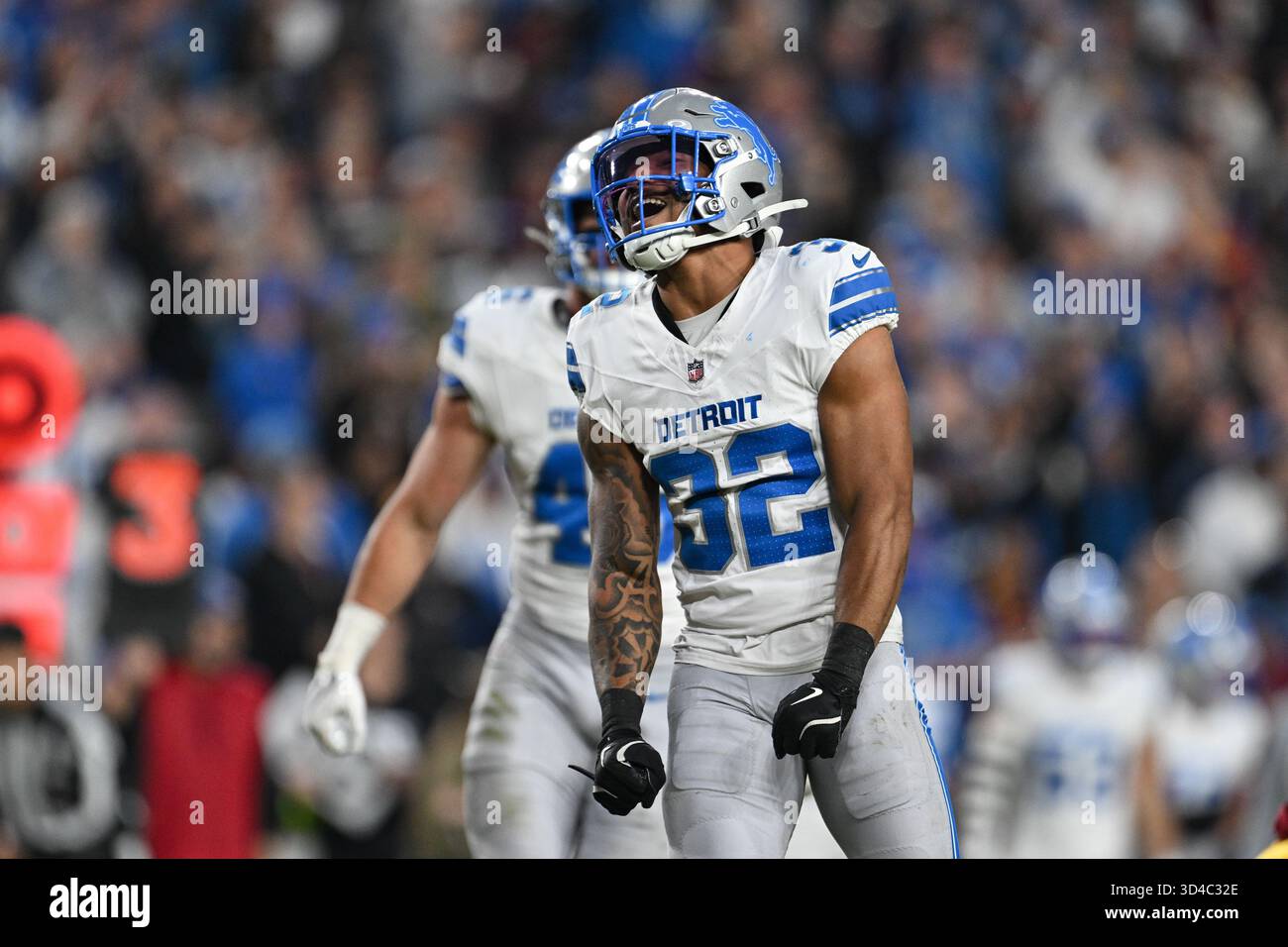
While Branch’s positional shift elevated his statistical impact, it also highlighted his aggressive, physical brand of football. Branch plays with absolute violent intent on contact, a trait prized by head coach Dan Campbell and defensive coordinator Aaron Glenn. However, that intense aggression has required ongoing calibration within the NFL's strict player-safety rules.
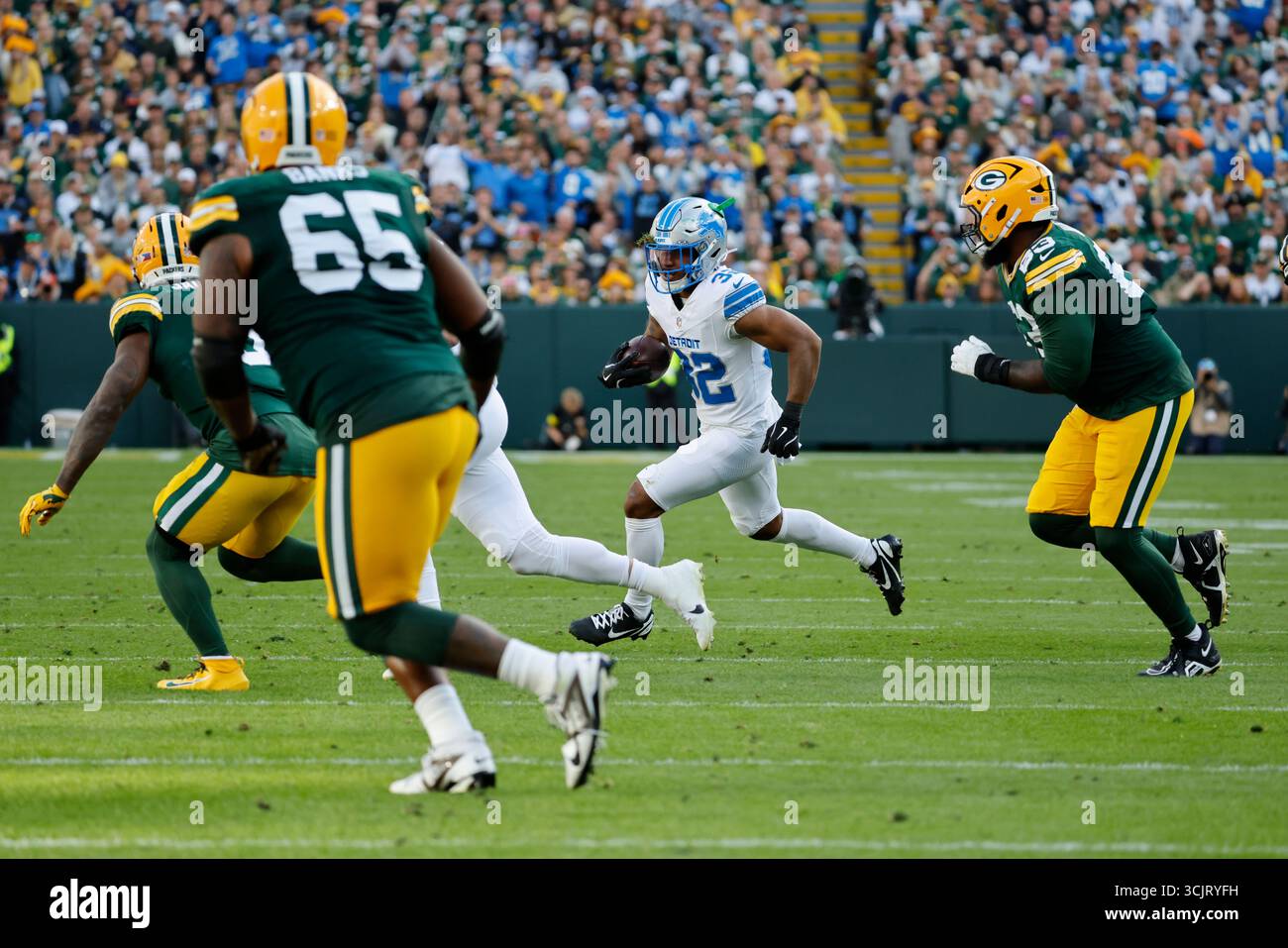
A key turning point in his public narrative occurred during a high-stakes Week 9 division matchup against the Green Bay Packers. Branch was ejected from the game following a hit on Green Bay receiver Bo Melton that officials deemed a helmet-to-helmet strike on a defenseless player. His subsequent emotional reaction while exiting the field led to additional league fines.
Rather than diluting his style, Branch used the discipline learning curve to refine his tackling target zone without sacrificing his physical tone-setting presence. His ability to deliver heavy, legal hits while staying within league guidelines remains vital to Detroit’s defensive identity.
Frequently Asked Questions
What position does Brian Branch play for the Detroit Lions?
Brian Branch plays safety for the Detroit Lions, wearing jersey No. 32. While he played primarily as a nickel slot cornerback during his rookie season, he transitioned into a full-time starting safety who rotates between deep-zone coverage, intermediate robber roles, and run support in the box.
Why did Brian Branch change positions after his rookie year?
Branch transitioned to safety because the Lions overhauled their cornerback room by drafting Terrion Arnold and Ennis Rakestraw Jr. and acquiring Carlton Davis III and Amik Robertson. This added depth allowed Detroit to move Branch to safety, maximizing his instincts, field vision, and playmaking ability across the entire field.
What jersey number does Brian Branch wear for the Lions?
Brian Branch wears jersey No. 32 for the Detroit Lions. He wore No. 14 during his collegiate career at the University of Alabama, but adopted No. 32 upon entering the NFL with Detroit.
How does Brian Branch impact Detroit's defensive scheme under Aaron Glenn?
Branch gives defensive coordinator Aaron Glenn complete disguise capability. Because Branch can play man coverage, drop into deep zone coverage, blitz off the edge, or fill run gaps like a linebacker, the Lions can disguise their coverages pre-snap and rotate post-snap without altering their personnel packages.
Was Brian Branch drafted as a safety or a cornerback?
Branch was drafted in the second round (45th overall) of the 2023 NFL Draft as a defensive back (DB). At Alabama, he played the "STAR" hybrid position, which blended nickel cornerback and strong safety responsibilities.
Evaluating Brian Branch’s Film: Key Indicators to Watch
For fans, coaches, and sports analysts examining Brian Branch’s tape, evaluating his performance goes beyond standard box-score stats like tackles and interceptions. To analyze his true impact on Detroit’s defense, monitor these specific elements during game footage:
- Pre-Snap Alignment vs. Post-Snap Rotation: Track where No. 32 aligns at the 15-second play-clock mark versus where he ends up at the snap. Watch how often he drops from a two-high safety shell into the intermediate hook/curl area to rob crossing routes.
- Run Gap Identification Speed: Observe his trigger time when reading run-action keys. High-level safety play requires instant processing; watch how quickly Branch moves downhill toward the line of scrimmage compared to the offensive linemen reaching the second level.
- Tackling Angles in Space: Pay attention to how Branch breaks down when approaching ball-carriers in open field. He excels at maintaining inside-out leverage, preventing runners from cutting back across the field.
- Communication Pre-Snap: Watch Branch’s hand signals and checks before the snap. As the field general in the secondary, his ability to communicate coverage adjustments to perimeter cornerbacks is essential to preventing big plays.
Image Gallery