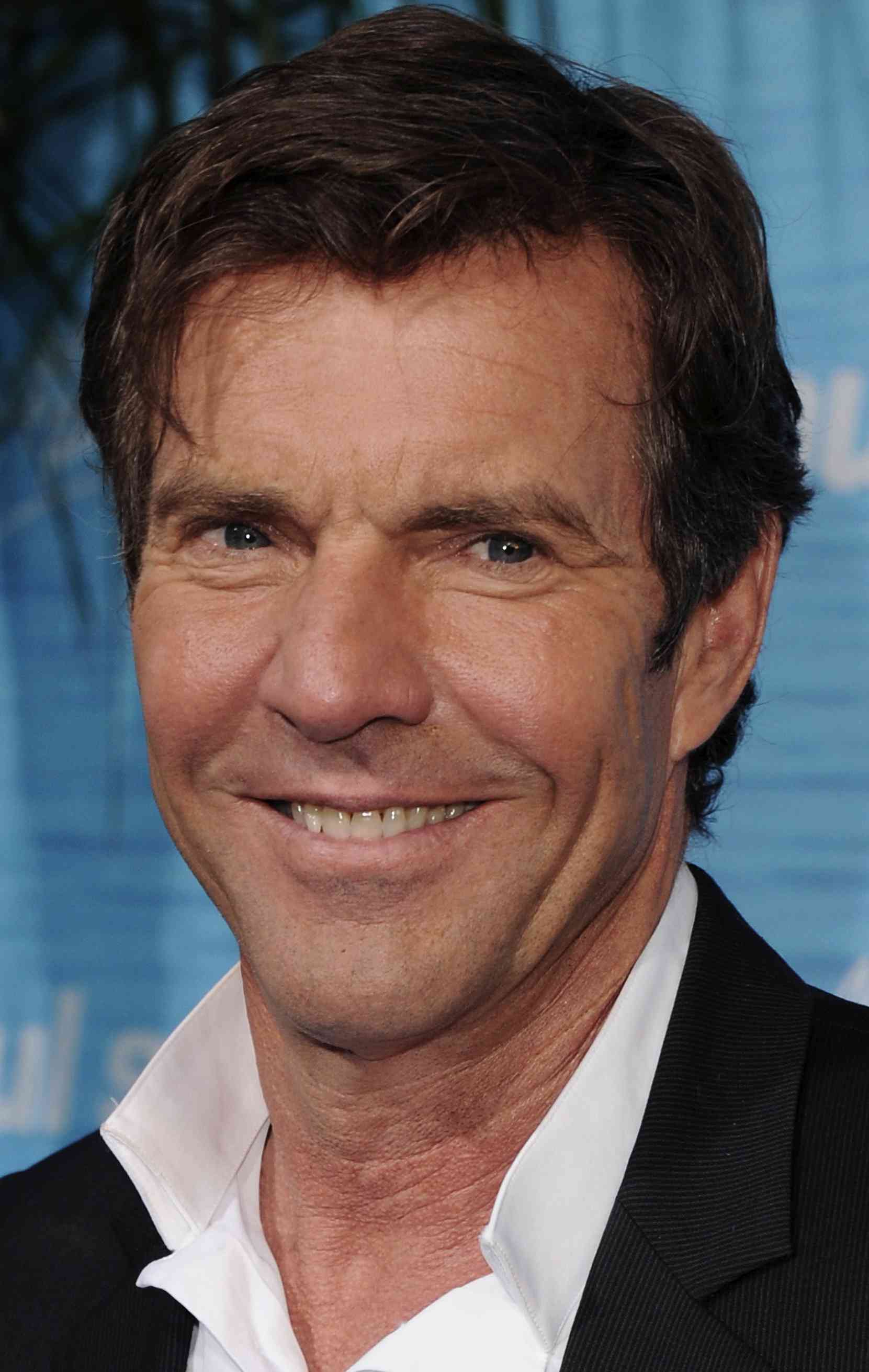
All Dennis Quaid Movies Explained for Film Fans
Dennis Quaid remains one of the most versatile and enduring figures in American cinema, with a career spanning over five decades and more than 100 acting credits. For film fans, his filmography serves as a timeline of Hollywood’s evolu...
Dennis Quaid remains one of the most versatile and enduring figures in American cinema, with a career spanning over five decades and more than 100 acting credits. For film fans, his filmography serves as a timeline of Hollywood’s evolution, moving from the gritty character studies of the late 1970s to the high-concept blockbusters of the 1980s and his eventual transition into respected elder statesman roles in biopics and family dramas.
Contents
Whether he is playing a cocky astronaut, a dedicated father, or a historical figure, Quaid is defined by a charismatic intensity and a "classic Hollywood" screen presence. Understanding his body of work requires looking at his career through distinct eras, each marked by a specific type of performance and technical contribution to the medium.
The Formative Years and the Breakout (1975–1983)
Dennis Quaid’s early career was characterized by a raw, energetic style that often saw him playing rebellious or athletic young men. His debut in the mid-70s included minor roles, but it was the 1979 film Breaking Away that first showcased his potential. In this coming-of-age classic, Quaid played Mike, a former high school star athlete struggling with the transition to adulthood in a small Indiana town. The film’s critical success established Quaid as a formidable presence in the "New Hollywood" landscape.
The pivotal moment of this era arrived in 1983 with The Right Stuff, directed by Philip Kaufman. Quaid portrayed Gordon Cooper, one of the original Mercury Seven astronauts. His performance captured a specific blend of bravado and technical competence that defined the era's perception of the Space Race. From a film fan's perspective, this movie is essential because it utilized Quaid’s natural athleticism and "grin" to represent the archetype of the American hero. The film remains a masterclass in ensemble acting and technical cinematography, winning four Academy Awards.
The Leading Man and Genre Exploration (1984–1990)
By the mid-1980s, Quaid had transitioned into a bankable leading man, often sought for roles that combined action with romantic charm. This period saw him experimenting with various genres, from science fiction to neo-noir.
- Enemy Mine (1985): A cult classic in the sci-fi genre, Quaid plays a human pilot stranded on a desolate planet with an alien enemy (Louis Gossett Jr.). The film is often studied for its themes of reconciliation and its impressive practical effects and makeup for the era.
- The Big Easy (1987): Often cited as one of his best performances, Quaid plays a corruptible yet charming New Orleans detective. The film is famous for the chemistry between Quaid and Ellen Barkin, and it solidified his status as a romantic lead with a "bad boy" edge.
- Innerspace (1987): Produced by Steven Spielberg and directed by Joe Dante, this sci-fi comedy used groundbreaking (for the time) visual effects to shrink Quaid’s character and inject him into a human body. It demonstrated his ability to carry a high-budget, special-effects-driven blockbuster.
During this time, Quaid’s filmography reflected the industry's shift toward high-concept storytelling where the "star power" of the lead actor was the primary draw for audiences.
Diversification and Dramatic Weight (1991–1999)
The 1990s represented a period of diversification for Quaid. He began to move away from the "cocky hero" persona to take on more complex, often physically demanding roles. A notable example is his portrayal of Doc Holliday in Wyatt Earp (1994). Quaid reportedly lost 40 pounds to play the tuberculosis-stricken gunslinger, delivering a performance that many critics considered the highlight of the film, even compared to Val Kilmer’s iconic take on the character a year prior.
In 1996, Quaid entered the realm of fantasy with Dragonheart, playing Bowen, a knight who forms an alliance with the last living dragon (voiced by Sean Connery). This film was a milestone in the use of CGI, integrating a digital character with a live-action lead in a way that set the stage for modern blockbusters.
Toward the end of the decade, Quaid found a new niche in family-oriented cinema. His role as the father in the 1998 remake of The Parent Trap introduced him to a younger generation. He brought a grounded, paternal warmth to the role that would become a recurring theme in his later career.
The Career Renaissance (2000–2010)
The early 2000s saw Dennis Quaid deliver some of the most critically acclaimed work of his life. He matured into "prestige" roles, participating in films that were both commercial hits and awards-season contenders.
- Traffic (2000): In Steven Soderbergh’s multi-perspective look at the drug trade, Quaid played a lawyer in a role that required subtle, restrained acting. The film won four Oscars and revitalized Quaid’s standing in serious dramatic circles.
- The Rookie (2002): Returning to his athletic roots, Quaid played Jim Morris, a real-life high school coach who made it to the Major Leagues at age 35. This remains one of the most beloved sports films of the 21st century, celebrated for its sincerity and Quaid’s understated performance.
- Far from Heaven (2002): Directed by Todd Haynes, this film saw Quaid play a 1950s husband struggling with his sexuality. It was a bold departure from his previous roles and earned him numerous critics' awards and a Golden Globe nomination.
- The Day After Tomorrow (2004): Quaid returned to the blockbuster stage in this Roland Emmerich disaster film. As a paleoclimatologist, he provided the human emotional center for a movie dominated by massive scale and visual spectacle.
Biopics and Recent Contributions (2011–2026)
In the current era, including his most recent projects leading up to 2026, Quaid has become a go-to actor for biographical dramas and character-driven narratives. He has a unique ability to portray authoritative figures with a sense of lived-in experience.
One of the most significant projects in this later stage is the 2024 biopic Reagan, where Quaid took on the monumental task of portraying the 40th President of the United States. The film covers Ronald Reagan’s life from his time as an actor and union leader to the presidency. For film fans, this performance is a culmination of Quaid’s ability to blend mimicry with emotional depth, capturing the "Great Communicator's" essence.
Additionally, his work in films like Midway (2019), where he played Vice Admiral William "Bull" Halsey, and The Hill (2023), demonstrates his continued commitment to stories about American history and the human spirit. As of 2026, Quaid remains active, often choosing roles that reflect his own interests in music, faith, and history.
Comparison of Key Dennis Quaid Film Milestones
The following table categorizes several of his most impactful films by their primary appeal to film fans, highlighting his range across different production scales.
| Film Title | Year | Genre | Significance for Fans |
|---|---|---|---|
| Breaking Away | 1979 | Coming-of-Age | Breakout role; high critical acclaim for realism. |
| The Right Stuff | 1983 | Historical/Drama | Definitive portrayal of the American "hero" archetype. |
| The Big Easy | 1987 | Crime/Noir | Establishes him as a charismatic romantic lead. |
| Wyatt Earp | 1994 | Western/Biopic | Shows extreme physical dedication to a role. |
| Dragonheart | 1996 | Fantasy/Action | Pioneer in CGI/Live-action integration. |
| Far from Heaven | 2002 | Period Drama | Career-best dramatic performance; awards favorite. |
| The Rookie | 2002 | Sports/Family | The definitive "comeback" and underdog story. |
| Reagan | 2024 | Biopic | Major late-career achievement portraying a President. |
Why Dennis Quaid's Filmography Matters to Film Students
For those studying film, Quaid’s career is an excellent case study in longevity and adaptation. He did not remain stagnant as a "pretty boy" lead. Instead, he allowed his onscreen persona to age with him. In the 80s, he utilized his smile and physicality; in the 2000s, he used his gravitas and voice.
His filmography also covers the major technological shifts in the industry. From the practical stunts of The Right Stuff to the early CGI of Dragonheart and the sophisticated digital environments of Midway, Quaid has worked through every major change in how movies are made. He is also a bridge between different generations of directors, having worked with icons like Philip Kaufman, Wolfgang Petersen, Steven Soderbergh, and Todd Haynes.
Frequently Asked Questions
What is considered Dennis Quaid's best movie?
While subjective, critics often point to The Right Stuff (1983) and Far from Heaven (2002) as his most significant artistic achievements. The Right Stuff is praised for its cultural impact, while Far from Heaven is lauded for the technical precision and emotional vulnerability of his performance.
Did Dennis Quaid ever win an Academy Award?
As of 2026, Dennis Quaid has not won an Academy Award, though he has received numerous other accolades, including a Golden Globe nomination and an Independent Spirit Award. Many film historians consider his lack of an Oscar nomination for Far from Heaven to be one of the more notable "snubs" of that year.
Is Dennis Quaid related to Randy Quaid?
Yes, Dennis Quaid is the younger brother of actor Randy Quaid. While both brothers achieved significant success in the 70s and 80s, they followed very different career paths, with Dennis focusing more on leading man and dramatic roles, and Randy often taking on character and comedic roles.
What are Dennis Quaid’s most famous "dad" roles?
For many modern viewers, Quaid is best known as a "movie dad." His most famous roles in this category include The Parent Trap (1998), The Day After Tomorrow (2004), Soul Surfer (2011), and A Dog's Purpose (2017).
Summary and Next Steps for Fans
To fully appreciate Dennis Quaid's contribution to cinema, film fans should start with his "Golden Trio": The Right Stuff, The Big Easy, and Far from Heaven. These three films provide a complete picture of his range, from heroic bravado to romantic charm and finally to complex dramatic vulnerability.
Once you have explored those, moving into his biographical work, specifically The Rookie and the 2024 film Reagan, will show how he successfully transitioned into the elder statesman of Hollywood he is today. Watching his movies in chronological order offers a unique window into the changing tastes and technologies of the film industry over the last 50 years.
Image Gallery