Understanding a Distributed System: Principles, Architecture, and Challenges in 2026
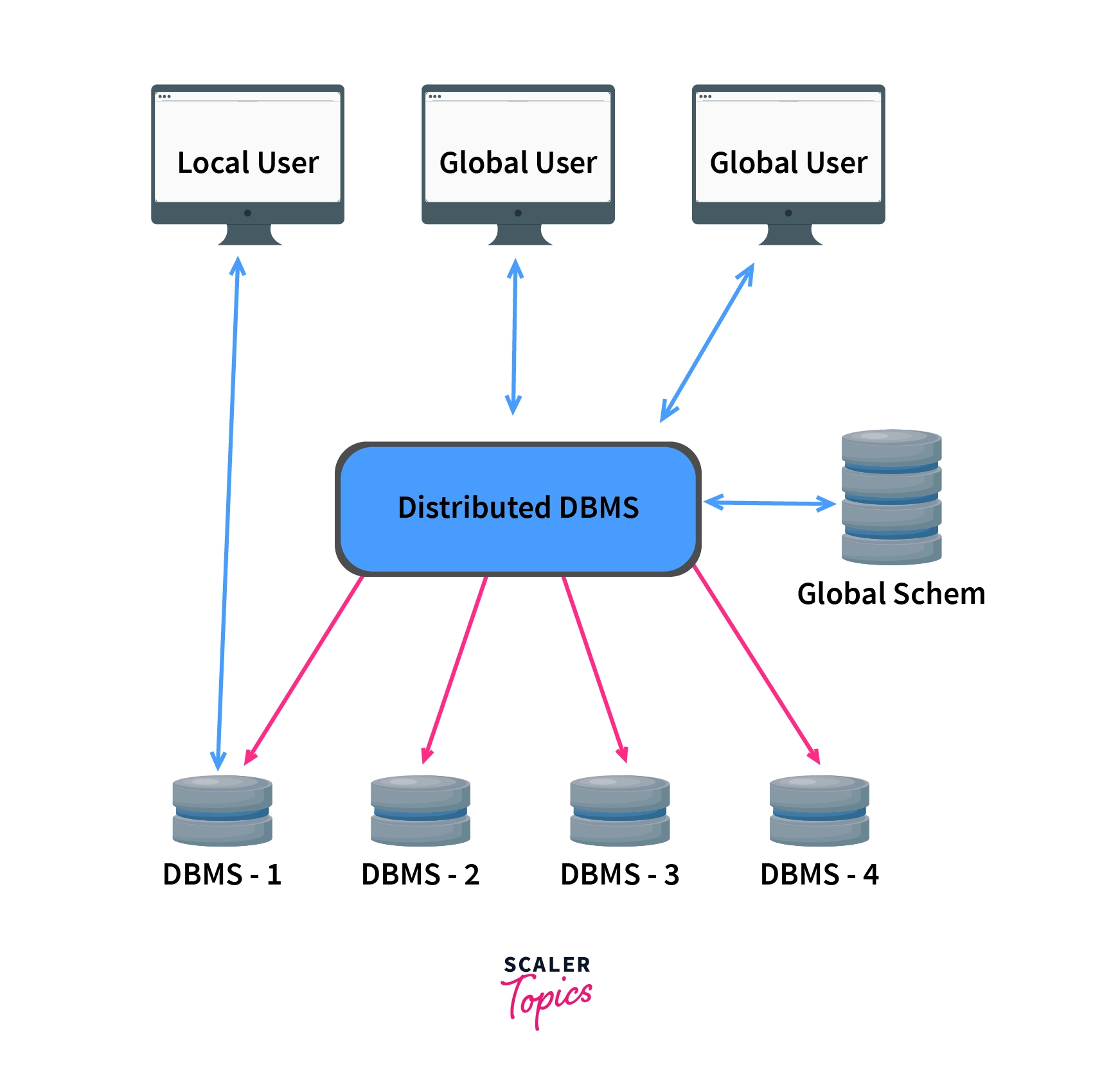
A distributed system is a collection of independent computing nodes that appear to the end-user as a single, coherent unit. These systems coordinate through message passing over a network to achieve a common goal, allowing for massive...
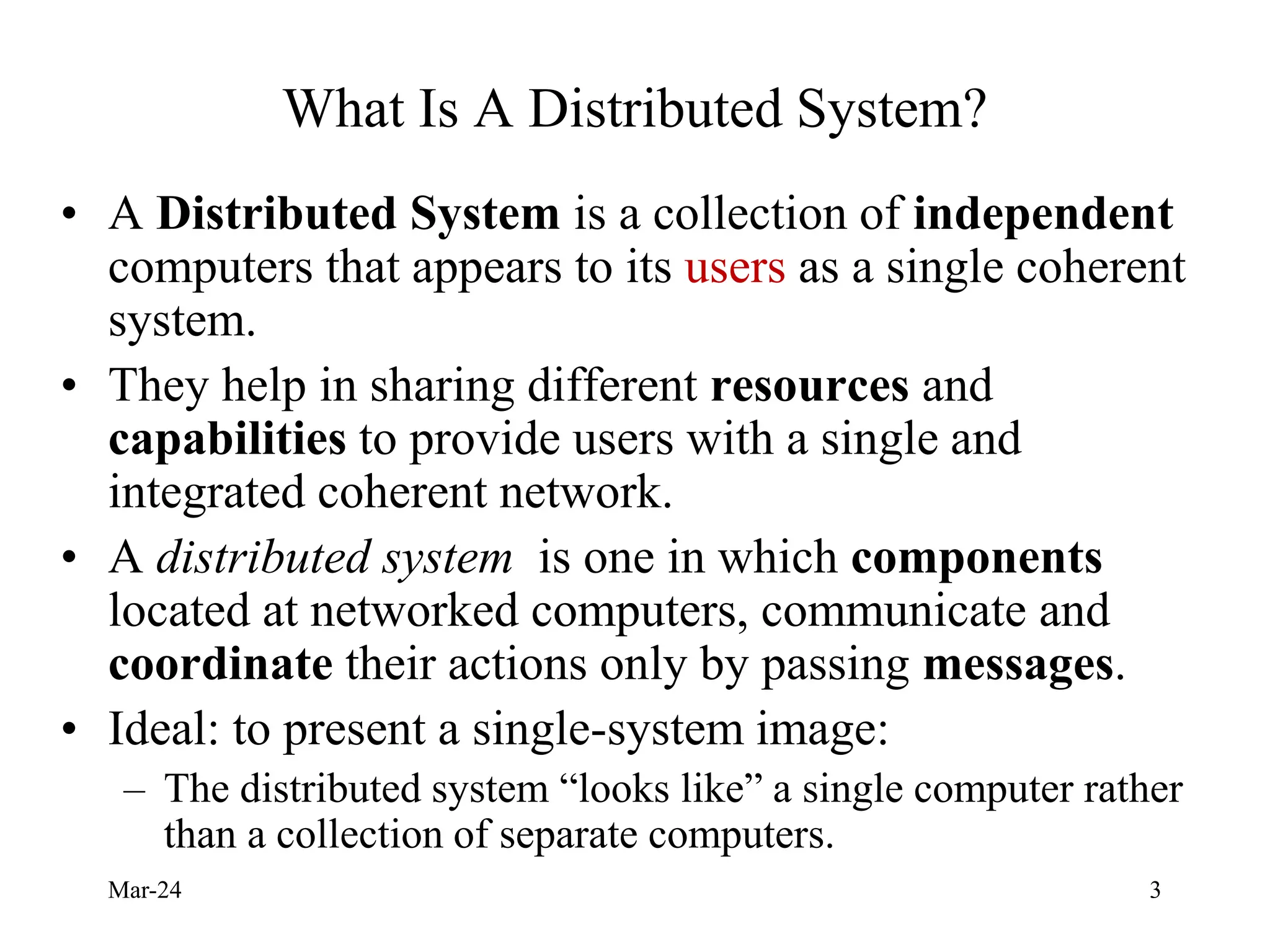
A distributed system is a collection of independent computing nodes that appear to the end-user as a single, coherent unit. These systems coordinate through message passing over a network to achieve a common goal, allowing for massive scalability, high availability, and fault tolerance that a single machine cannot provide.
Contents
Distributed systems represent the backbone of modern digital infrastructure. From the cloud platforms powering global enterprises to the decentralized finance protocols securing billions in assets, the transition from monolithic to distributed architectures is driven by the physical limits of individual hardware components. As of 2026, the complexity of these systems has increased significantly with the rise of edge computing and autonomous orchestration, making a fundamental understanding of their mechanics essential for any technical professional.
The Core Characteristics of Distributed Systems
To distinguish a distributed system from a simple networked application, one must look at how the components interact. A true distributed system is defined by three primary characteristics that shape every design decision made by architects and engineers.
Concurrency
In a distributed environment, multiple processes execute simultaneously across different machines. Unlike a single-core processor that simulates concurrency through time-slicing, distributed systems experience true parallel execution. This allows the system to handle vast amounts of data or numerous user requests at once, but it also introduces the risk of race conditions and resource contention that must be managed through sophisticated locking or coordination mechanisms.
Lack of a Global Clock
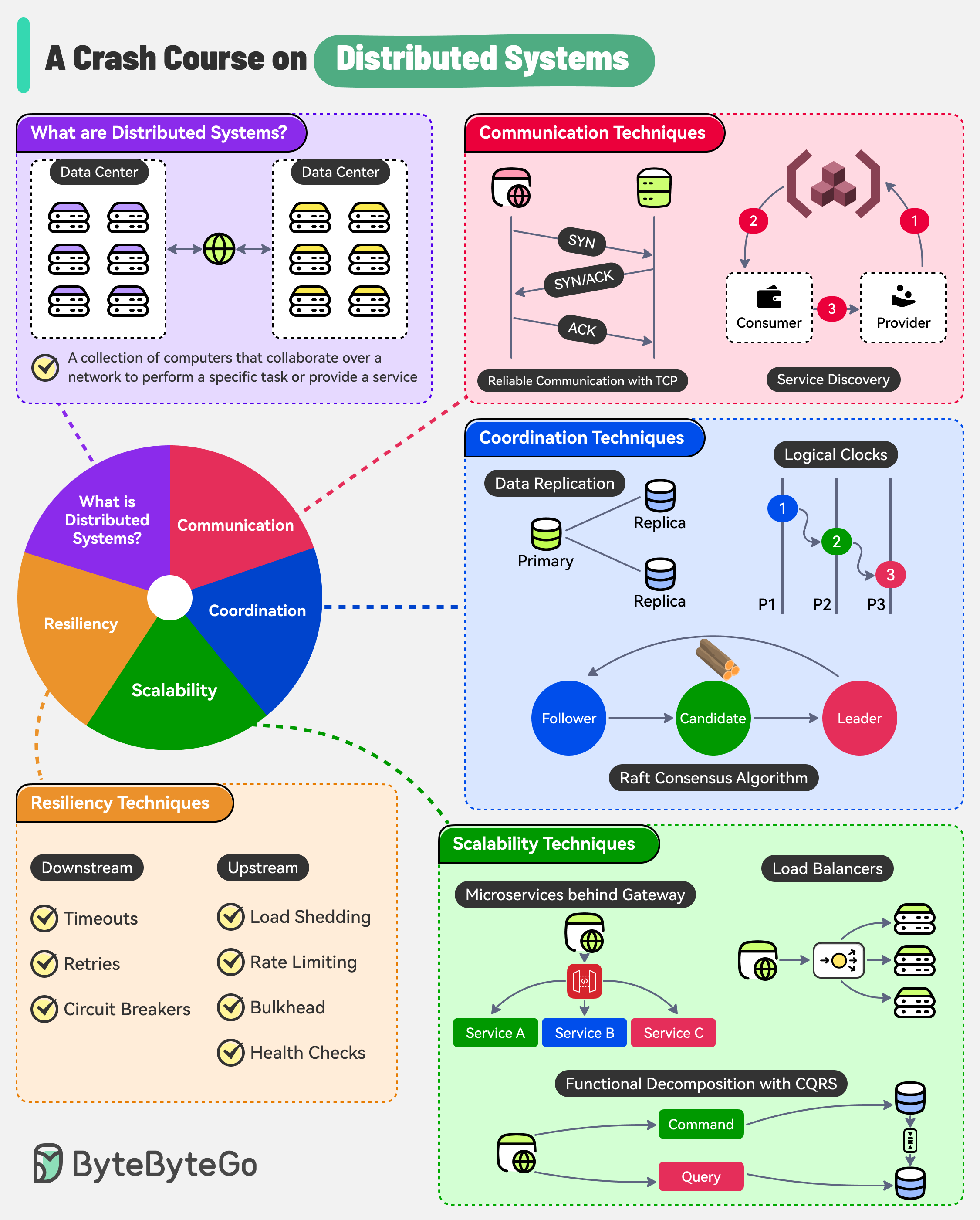
One of the most counterintuitive aspects of distributed computing is that there is no "perfect" shared time. Each node has its own internal clock, and even with synchronization protocols like NTP (Network Time Protocol), slight drifts occur. This makes ordering events—knowing whether Action A happened before Action B—extremely difficult. Designers often rely on logical clocks, such as Lamport timestamps or Vector clocks, to establish a causal order of events rather than relying on wall-clock time.
Independent Failures
In a monolithic system, if the CPU or memory fails, the entire application stops. In a distributed system, components fail independently. A single node might crash, a network switch might fail, or a subset of the system might become unreachable while the rest continues to operate. Designing for distributed systems requires a "fail-fast" or "graceful degradation" mindset, where the system is built to detect, isolate, and recover from these partial failures without impacting the overall service.
Why Organizations Move to Distributed Architectures
The shift toward distributed systems is rarely done for simplicity; in fact, distribution adds significant overhead. Instead, it is a response to specific operational requirements that single-server models cannot satisfy.
Horizontal Scalability
Vertical scaling—adding more RAM or faster CPUs to a single machine—eventually hits a ceiling of diminishing returns and physical limits. Distributed systems enable horizontal scaling, or "scaling out," where capacity is increased by adding more nodes to the cluster. In 2026, automated scaling groups in cloud environments can provision hundreds of nodes in seconds to handle traffic spikes, providing an elastic infrastructure that matches demand perfectly.
Reliability and Availability
By distributing data and processing across multiple geographic regions or data centers, systems become resilient to localized disasters. If a data center in one region loses power, traffic can be instantly rerouted to another. This redundancy is the primary driver for high-availability targets, such as "five nines" (99.999% uptime), which are statistically impossible to achieve on a single piece of hardware.
Performance and Latency
Distributed systems allow for data to be placed closer to the user. Through Content Delivery Networks (CDNs) and edge computing nodes, a user in Tokyo can interact with a server in Tokyo rather than waiting for signals to travel to a data center in Northern Virginia. This reduction in physical distance minimizes latency, which is critical for real-time applications like autonomous vehicle coordination and high-frequency trading.
The Fundamental Challenges: The Fallacies of Distributed Computing
Understanding distributed systems requires acknowledging the inherent unreliability of the environment. In the 1990s, L. Peter Deutsch and others at Sun Microsystems identified eight "fallacies" that developers often mistakenly assume to be true. These remains relevant in 2026:
- The network is reliable: Packets are lost, and connections drop frequently.
- Latency is zero: Moving data across a wire takes time, influenced by physics and congestion.
- Bandwidth is infinite: Data transfer has costs and physical limits.
- The network is secure: Every connection point is a potential vector for interception or attack.
- Topology doesn't change: Nodes are added and removed; IP addresses change.
- There is one administrator: Different parts of the system may be managed by different teams or providers.
- Transport cost is zero: Moving data incurs both financial and computational costs.
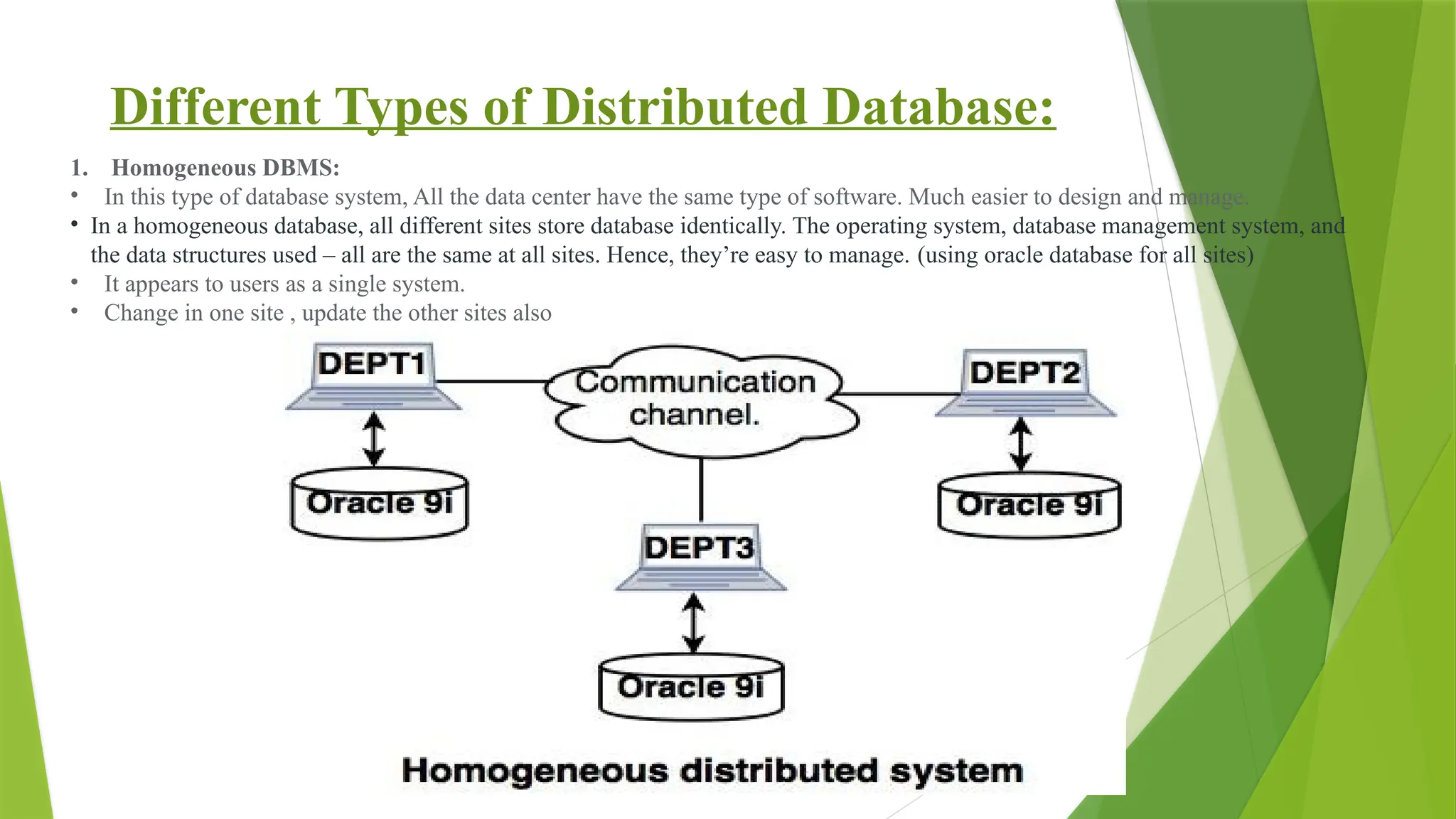
- The network is homogeneous: Nodes run different operating systems, versions, and hardware.
Addressing these fallacies requires implementing robust error handling, retries with exponential backoff, and circuit breaker patterns to prevent a single failing component from cascading through the entire system.
Navigating the CAP Theorem and Consistency Models
A central pillar of distributed system theory is the CAP Theorem, proposed by Eric Brewer. It states that in the event of a network partition (a failure that breaks communication between nodes), a distributed system can provide either Consistency or Availability, but not both simultaneously.
The CAP Trade-off
- Consistency (C): Every read receives the most recent write or an error.
- Availability (A): Every request receives a (non-error) response, without the guarantee that it contains the most recent write.
- Partition Tolerance (P): The system continues to operate despite an arbitrary number of messages being dropped or delayed by the network between nodes.
In the modern landscape, Partition Tolerance is a requirement, not an option, because network failures are inevitable. Therefore, architects must choose between "CP" systems (which prioritize data accuracy and will shut down if they cannot guarantee it) and "AP" systems (which stay online but may return stale data).
Consistency Levels
To bridge the gap between CP and AP, various consistency models have emerged:
- Strong Consistency: Once a write is acknowledged, all subsequent reads will reflect that write.
- Eventual Consistency: If no new updates are made, all reads will eventually return the last updated value. This is common in social media feeds or product catalogs.
- Causal Consistency: Ensures that operations that are causally related are seen by every node in the same order.
Comparing System Architectures
The way nodes are organized determines how the system manages data and handles requests. The following table compares the most common architectural patterns used in 2026.
| Architecture Type | Best For | Core Advantage | Primary Drawback |
|---|---|---|---|
| Client-Server | Web applications, Email | Centralized control and security | Server becomes a single point of failure |
| Peer-to-Peer (P2P) | File sharing, Blockchain | No central authority; highly resilient | Difficult to manage and secure |
| Microservices | Complex enterprise apps | Independent deployment and scaling | High operational complexity |
| Edge Computing | IoT, Real-time video | Ultra-low latency for local processing | Limited computing power per node |
| Serverless | Event-driven tasks | Zero infrastructure management | "Cold start" latency and vendor lock-in |
Achieving Consensus: Paxos and Raft
One of the hardest problems in a distributed system is reaching Consensus—getting a group of nodes to agree on a single value or state. This is necessary for leader election, distributed locking, and maintaining a consistent transaction log.
Paxos
Historically the gold standard for consensus, Paxos is a family of protocols known for being mathematically rigorous but notoriously difficult to understand and implement. It uses a series of proposal and acceptance phases to ensure that even if some nodes fail or messages are delayed, the remaining nodes can agree on a value.
Raft
Introduced as an alternative to Paxos, Raft was designed to be more understandable while providing the same level of safety. It organizes the cluster into a leader and followers. The leader manages the replicated log, and if the leader fails, the followers hold an election to choose a new one. In 2026, Raft is the underlying engine for many popular distributed key-value stores like etcd and Consul.
Monitoring and Observability in 2026
Because distributed systems are composed of hundreds or thousands of moving parts, traditional monitoring (simply checking if a server is "up") is insufficient. Modern systems rely on Observability, which is built on three pillars:
- Metrics: Numerical data representing system health, such as CPU usage, request rates, and error percentages.
- Logs: Detailed records of events that occurred within individual services.
- Distributed Tracing: The ability to follow a single user request as it travels through multiple microservices, databases, and third-party APIs.
Tools like OpenTelemetry have standardized how this data is collected, allowing engineers to pinpoint exactly where a bottleneck or failure occurs in a complex call chain.
Frequently Asked Questions
What is the difference between a distributed system and a parallel system?
A parallel system typically involves multiple processors sharing the same memory and clock (like a multi-core CPU), focusing on speeding up a single task. A distributed system involves multiple autonomous computers with their own memory, connected by a network, focusing on resource sharing and reliability across different geographical or logical boundaries.
Can a distributed system be perfectly consistent and always available?
No, according to the CAP Theorem. In the presence of a network partition, you must choose to either stop responding (sacrificing availability) to maintain data integrity or continue responding with potentially old data (sacrificing consistency). While "five nines" availability is possible, absolute 100% availability with 100% consistency is theoretically impossible over a non-reliable network.
Why is latency more important than bandwidth in distributed systems?
Bandwidth (how much data can be sent) can often be increased by upgrading hardware. Latency (how long it takes for one bit of data to travel) is limited by the speed of light and network hops. In a distributed system where nodes must constantly communicate to reach consensus, high latency slows down every single operation, regardless of how much bandwidth is available.
Is blockchain a type of distributed system?
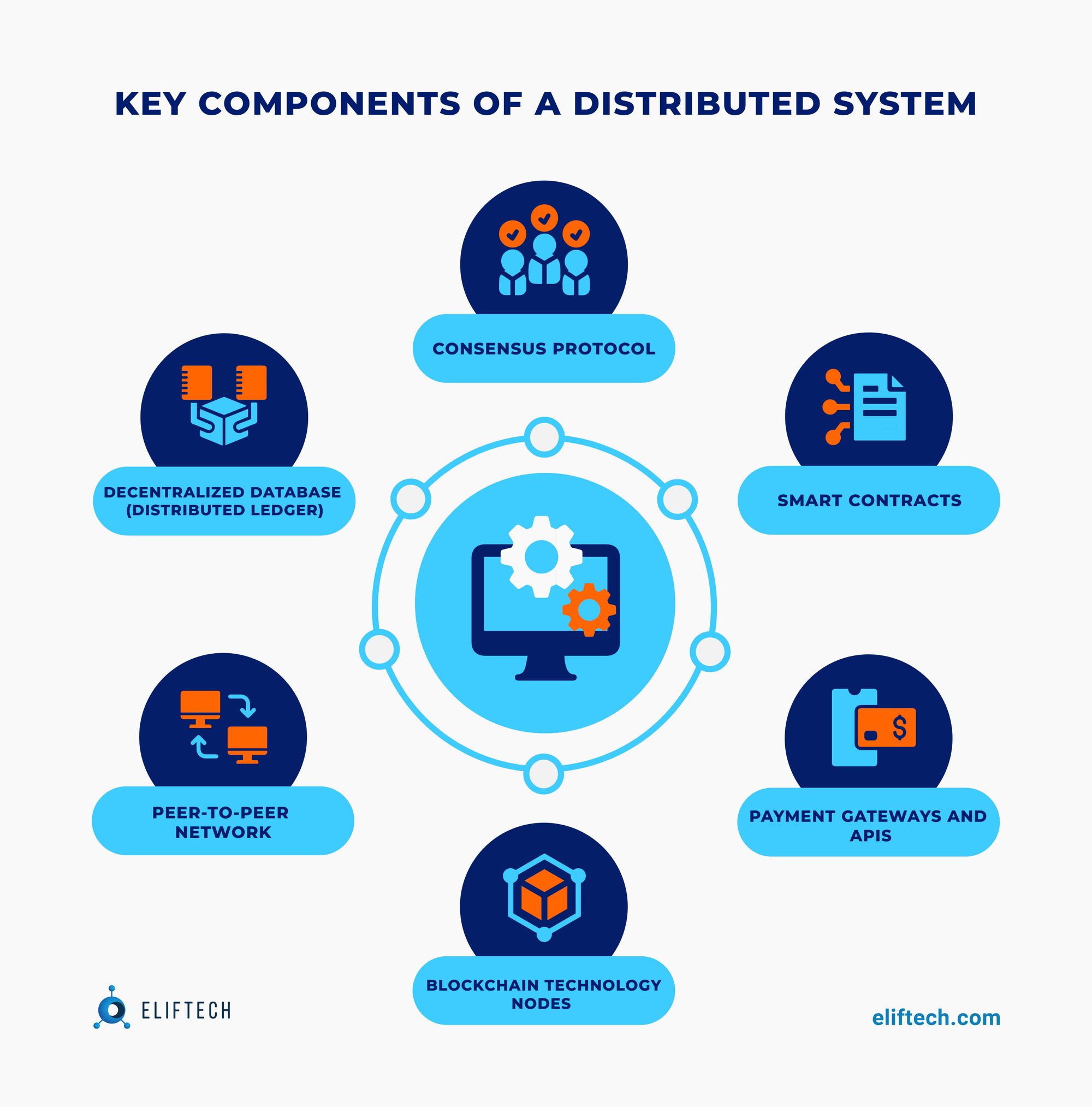
Yes, blockchain is a specific type of distributed system known as a distributed ledger. It uses P2P architecture and specialized consensus algorithms (like Proof of Stake or Proof of Work) to maintain a consistent, immutable record of transactions across a network of nodes that do not necessarily trust each other.
How do distributed systems handle security?
Security in these systems relies on "Zero Trust" principles. Since the network is assumed to be insecure, every communication between nodes must be encrypted (typically via Mutual TLS), and every request must be authenticated and authorized. Centralized Identity and Access Management (IAM) providers are used to manage permissions across the distributed landscape.
Practical Recommendations for Implementation
If you are transitioning to or building a distributed system in 2026, begin by identifying the consistency requirements of your specific use case. Not every application needs strong consistency; often, eventual consistency is sufficient and provides much better performance.
Secondly, invest heavily in automated orchestration and observability. Manually managing distributed nodes is impossible at scale. Utilize container orchestration platforms to handle deployments and scaling, and ensure that distributed tracing is integrated into your code from day one. This will reduce the "Mean Time to Resolution" (MTTR) when the inevitable network partition or node failure occurs. Finally, always assume the network will fail and build your services to be idempotent, meaning they can safely process the same request multiple times without unintended side effects.
Image Gallery