How to Find Peoples Mugshots in 2026: Official Search Methods and Legal Realities
Finding an arrest record or booking photo requires navigating an evolving landscape of county sheriff databases, state repository laws, and third-party aggregation sites. Legislative shifts enacted through 2026 have significantly alter...
Finding an arrest record or booking photo requires navigating an evolving landscape of county sheriff databases, state repository laws, and third-party aggregation sites. Legislative shifts enacted through 2026 have significantly altered how law enforcement agencies release booking images, placing greater emphasis on the presumption of innocence and data privacy rights. Understanding the distinction between public records requests and commercial data brokers ensures that your search yields accurate, legally compliant information without running afoul of emerging state-level restrictions.
Contents
The Modern Legal Landscape of Booking Photos and Public Records
The availability of arrest records and booking photographs is governed by a patchwork of federal, state, and local statutes. While the Freedom of Information Act (FOIA) and state-level equivalents generally classify arrest logs as public records, lawmakers across numerous jurisdictions have restricted the immediate online publication of mugshots by municipal law enforcement agencies.
Important Legal Context: Several states prohibit local police departments and sheriff's offices from publicly posting mugshots online unless the individual has been convicted or if a compelling public safety threat requires an immediate manhunt. These statutes were designed to prevent predatory websites from extorting individuals for removal fees before a trial has even occurred.
When conducting a search, you must account for these regulatory differences. A county sheriff in one state may update an online jail roster every fifteen minutes with full booking photos, while a neighboring state may restrict access exclusively to formal, in-person records requests submitted at the local courthouse or police precinct.
Primary Methods for Locating Official Arrest Records
Sourcing verified information directly from government entities remains the most accurate and legally reliable approach. Relying on primary sources bypasses the outdated or inaccurate data frequently hosted on commercial aggregator networks.
1. County Sheriff and Local Police Jail Rosters
Most county law enforcement agencies maintain active inmate tracking systems or daily booking logs. To utilize these resources effectively:
- Identify the specific county or municipality where the arrest occurred or where the individual is currently detained.
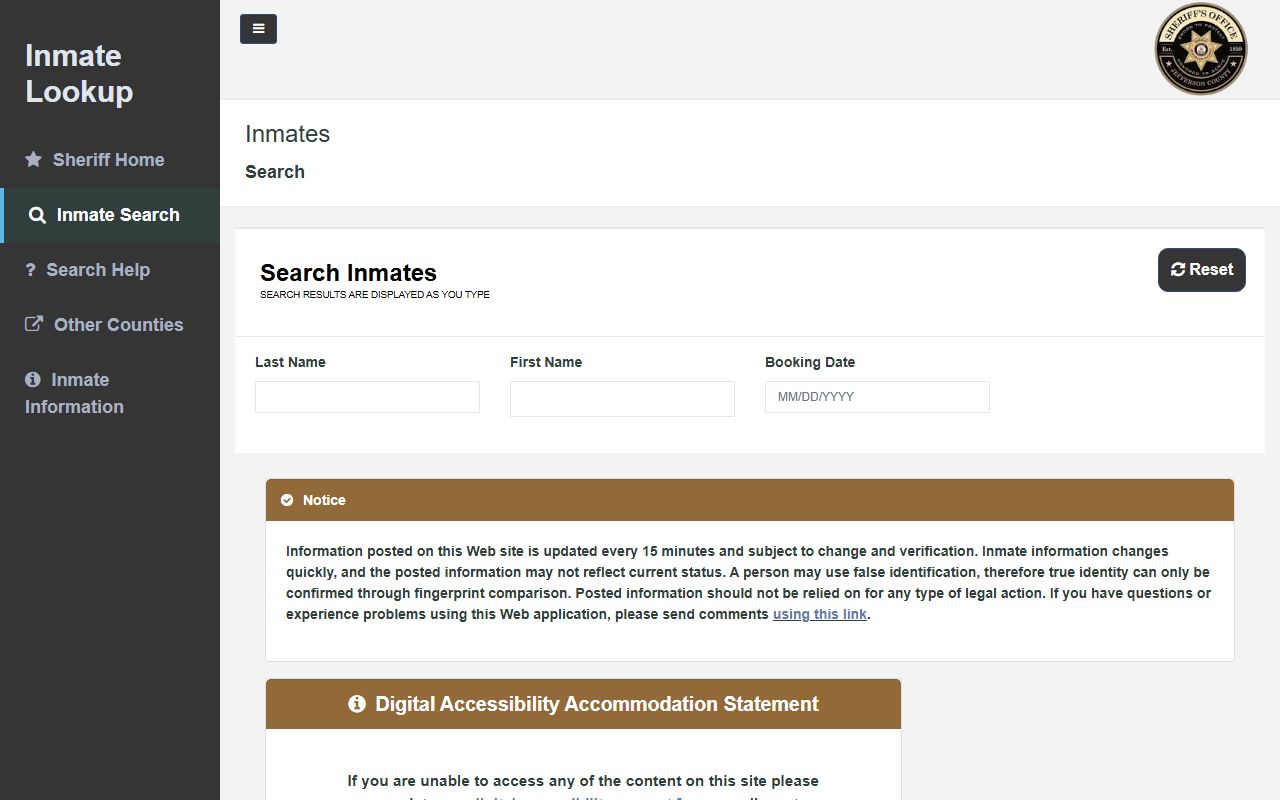
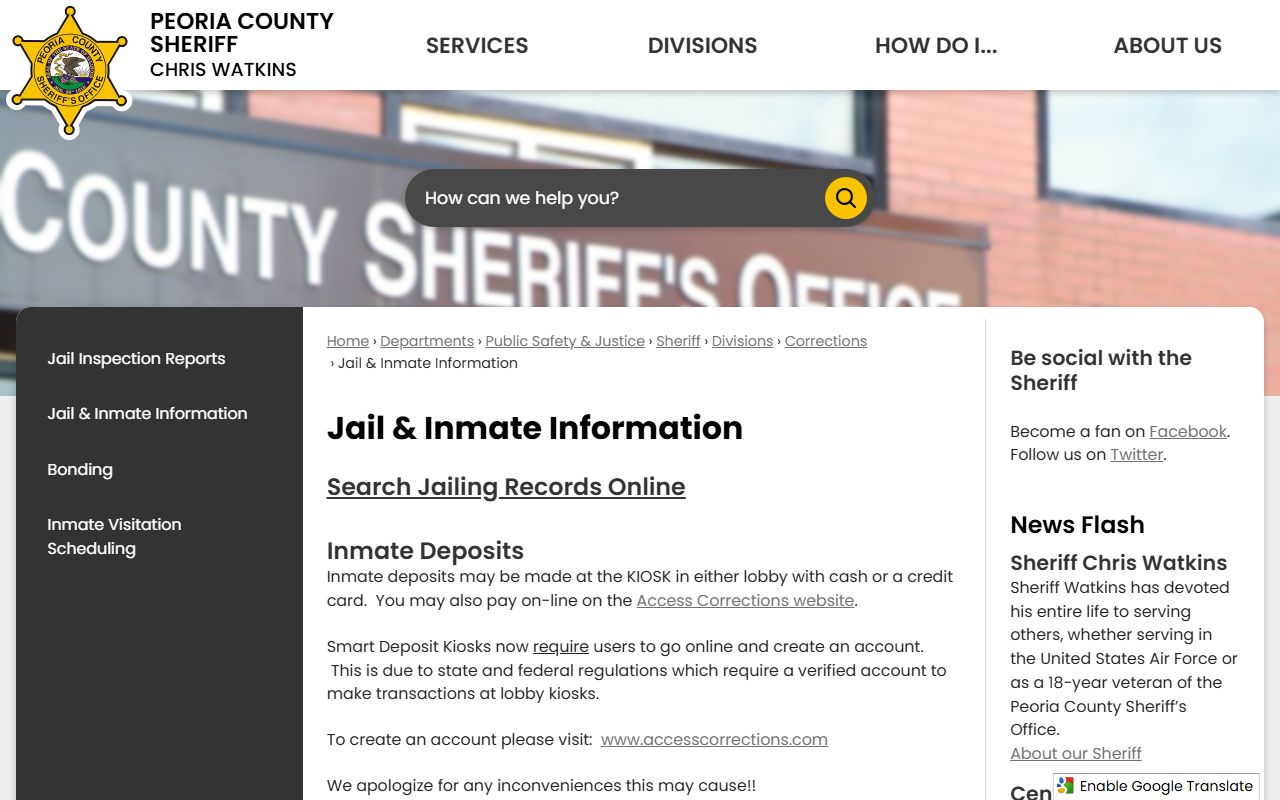
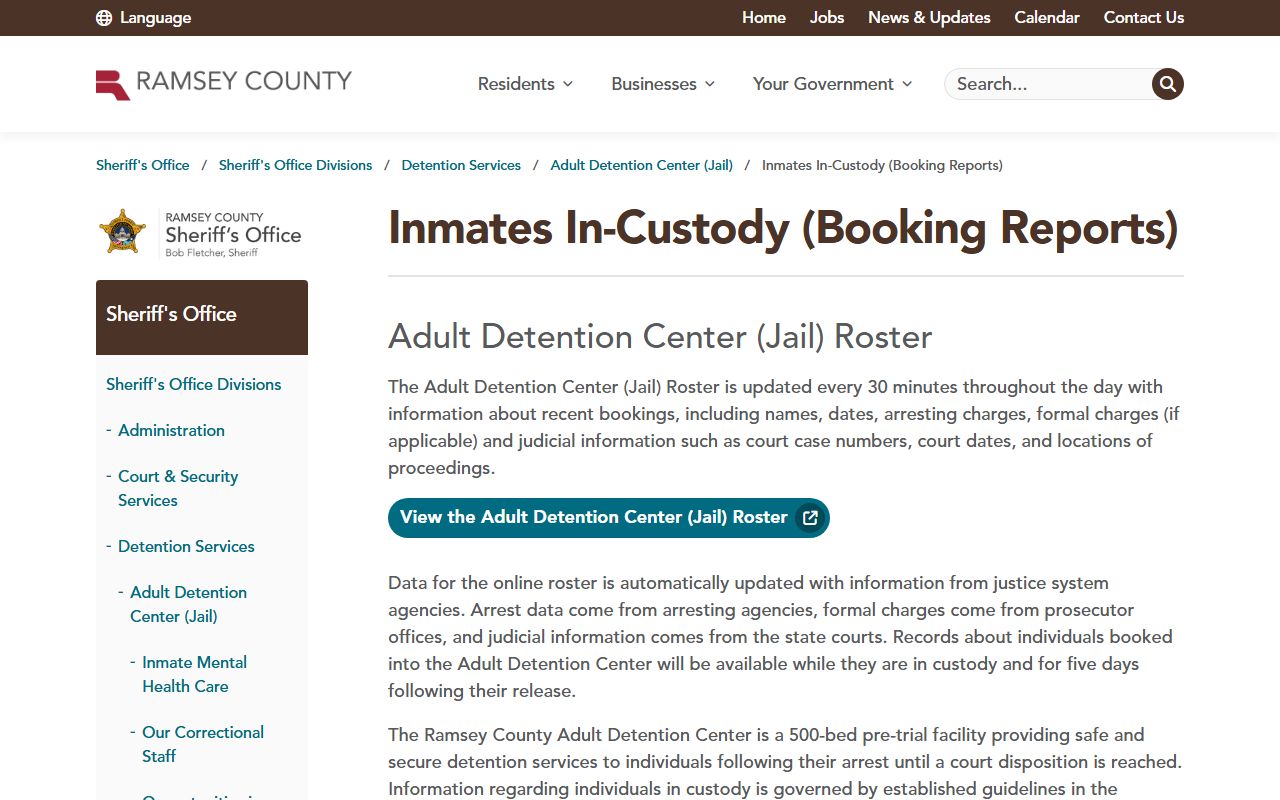
- Navigate to the official website of the local Sheriff's Office or Department of Corrections. Look for tabs labeled "Inmate Lookup," "Current Inmates," "Daily Booking Log," or "Jail Roster."
- Enter the legal first and last name, and optionally filter by booking date range or date of birth.
2. State Department of Corrections (DOC) Offender Locators
If the individual has been convicted and transferred from a local jail to a state prison system, county jail rosters will no longer display their records. In this scenario, you must access the state's Department of Corrections offender search portal. These databases typically require an offender ID number or a full legal name with demographic filters.
3. Federal Bureau of Prisons (BOP) Inmate Locator
For federal offenses, municipal and state databases will not contain records. The Federal Bureau of Prisons maintains a centralized public database covering federal inmates incarcerated from 1982 to the present day. Searches can be conducted using either the BOP register number or the individual's first, middle, and last name.
Comparison of Arrest Record Search Sources
Evaluating where to look depends on accuracy requirements, cost, and the time elapsed since the initial arrest event. The following breakdown compares the primary avenues available to researchers and the general public.
| Source Type | Accuracy & Verification | Cost | Speed of Update | Availability of Mugshots |
|---|---|---|---|---|
| Local Sheriff/Jail Roster | High (Direct from source) | Free | Real-time to 24 hours | Variable based on state privacy laws |
| State DOC Databases | High (Post-conviction/sentenced) | Free | Updated daily | Generally available for active state inmates |
| Federal BOP Locator | High (Federal convictions) | Free | Updated in real-time | Standardized institutional photographs |
| Commercial Data Aggregators | Low to Moderate (Often outdated) | Varies (Subscription/Pay-per-search) | Delayed | Frequently reposted regardless of local removal laws |
Step-by-Step Guide to Conducting a Compliant Record Search
Navigating public records efficiently requires a systematic methodology. Follow this step-by-step workflow to maximize your chances of locating accurate documentation.
- Gather Precise Identifying Data: Collect the full legal name, middle initials, exact date of birth, and the specific county and state where the incident or detention took place. Common names will yield dozens of false positives without additional demographic parameters.
- Target the Correct Jurisdiction: Determine whether the arrest was handled by municipal police, a county sheriff, state troopers, or federal authorities. Direct your search to that specific agency's web portal.
- Review Jail Rosters and Arrest Logs: Access the agency's online roster. If the system utilizes a date filter, narrow down the window to the timeframe surrounding the suspected arrest date.
- Submit Formal Public Records Requests: If online databases are restricted or uninformative, consult the state's public records laws (such as the Public Information Act or Freedom of Information Act) to file a formal written records request with the agency's custodian of records. Be prepared to pay nominal administrative or duplication fees.
- Cross-Reference with Court Dockets: To verify the current legal status of the case—whether charges were dropped, pending, or resulted in a conviction—search the relevant county or municipal court clerk's case management portal.
Evaluating Commercial Mugshot Websites: Pros and Cons
Third-party lookup sites aggregate public records from across the country, packaging them into searchable profiles. However, using these services involves distinct advantages and drawbacks.
- Pros:
- Aggregates records from multiple states and counties into a single search bar.
- Can unearth older historical records that local county jails have archived or removed from public web rotation.
- Often links related public data such as marriage licenses, property records, and historical addresses.
- Cons:
- Data Accuracy Issues: Information is frequently outdated, failing to reflect expungements, sealings, or dropped charges.
- Predatory Removal Practices: Many sites charge exorbitant fees to remove booking photos, a practice heavily targeted by modern state legislation.
- Privacy Risks: Unregulated aggregators may expose sensitive personal identifiable information (PII) without strict security safeguards.
Frequently Asked Questions
Can I find a mugshot for free online?
Yes, official county sheriff websites, state Department of Corrections portals, and federal inmate locators provide access to booking records and offender databases at no cost. Avoid commercial sites that demand upfront payment merely to view basic public booking entries.
Why are some mugshots removed or unavailable online?
Numerous states have enacted legislation prohibiting law enforcement agencies and commercial sites from publishing booking photos for minor offenses or before an official conviction occurs. These laws protect individuals' reputations and prevent exploitation by commercial removal extortionists.
Are mugshots considered public domain?
While mugshots are typically generated by government agencies and categorized as public records, public access rights vary significantly by state law and municipal policy. Freedom of Information laws apply differently to law enforcement booking images compared to standard administrative documents.
How can I get a mugshot removed from a third-party website?
Many states now enforce statutory deadlines requiring commercial mugshot websites to remove booking photos free of charge if the subject was acquitted, the charges were dismissed, or the record was expunged. You must typically submit a formal removal request containing official court documentation proving the disposition of the case.
What should I do if an online record is completely inaccurate?
If an official government database contains erroneous information, contact the originating law enforcement agency's records division or public information officer to request a formal administrative correction. For third-party aggregator sites, submit their designated dispute or opt-out form with supporting legal documentation.
Conclusion and Official Next Steps
Locating arrest records and booking photographs requires a measured approach that balances public transparency with respect for legal privacy frameworks. By utilizing official county, state, and federal portals rather than exploitative third-party networks, you ensure access to verifiable, up-to-date documentation. Always verify any preliminary booking data against official court case management systems to confirm the accurate legal status of the individual in question.
Image Gallery