The Certified Mechanic Salary Landscape in the United States
The average certified mechanic salary in the United States ranges between $52,000 and $78,000 per year, though compensation varies significantly based on specialization, industry credentials, geographic region, and compensation model....
The average certified mechanic salary in the United States ranges between $52,000 and $78,000 per year, though compensation varies significantly based on specialization, industry credentials, geographic region, and compensation model. Master-certified technicians, specialized diesel mechanics, and high-voltage electric vehicle specialists frequently command annual earnings exceeding $95,000 to $120,000.
Contents
National Salary Benchmarks by Specialization and Certification Level
The compensation architecture for skilled automotive and industrial technicians in the United States is primarily defined by demonstrated technical capability rather than tenure alone. Industry credentials—most notably those awarded by the National Institute for Automotive Service Excellence (ASE) and original equipment manufacturers (OEMs)—serve as clear benchmarks that directly shift pay scales upward.
Uncertified entry-level lube and general maintenance technicians typically enter the workforce earning hourly wages between $18.00 and $22.00, yielding annual earnings around $37,000 to $45,000. However, once a technician earns foundational ASE certifications (such as A1 through A8 series recognition) and accumulates verified hands-on experience, base compensation increases substantially.
Specialization represents one of the most reliable catalysts for wage growth within the trade. Heavy-duty diesel technicians, mobile equipment mechanics, and specialized industrial repair professionals consistently out-earn standard light-duty automotive generalists due to the extreme technical demands and physical rigor associated with commercial equipment.
The following table outlines national compensation benchmarks across major automotive, commercial, and industrial technician categories based on reported industry data and labor statistics:
| Technical Specialization | Entry-Level Salary Range | Median Annual Salary | Top-Tier (90th Percentile) Salary | Key Required Credentials |
|---|---|---|---|---|
| Light-Duty Automotive Technician | $38,000 – $46,000 | $52,000 – $58,000 | $78,000 – $88,000 | ASE General Certifications (A1–A8), State Inspection Licenses |
| ASE Master Automotive Technician | $55,000 – $65,000 | $72,000 – $85,000 | $105,000 – $125,000+ | All 8 Primary ASE Certifications + Advanced Diagnostics (L1) |
| Medium/Heavy Duty Diesel Specialist | $48,000 – $56,000 | $64,000 – $74,000 | $95,000 – $115,000 | ASE Medium-Heavy Truck Series (T1–T8), Commercial Driver’s License (CDL) |
| EV / High-Voltage Systems Tech | $58,000 – $68,000 | $78,000 – $92,000 | $110,000 – $135,000+ | High-Voltage Safety Certification, OEM Electric Mobility Badging |
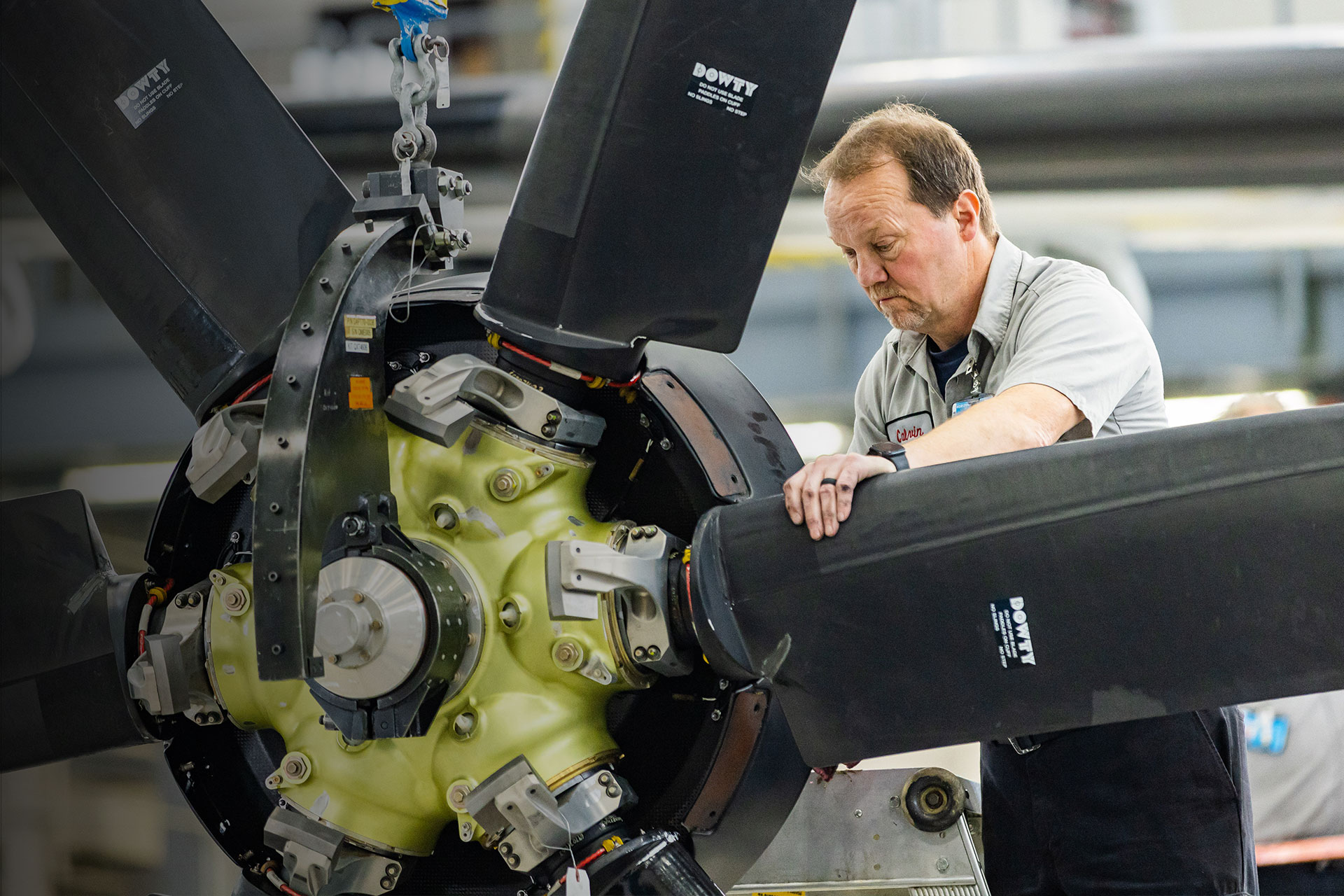
| Aircraft Maintenance Technician (AMT) | $58,000 – $68,000 | $75,000 – $89,000 | $115,000 – $140,000+ | FAA Airframe and Powerplant (A&P) License |
For overall labor statistics and employment projections regarding automotive service technicians, review data compiled by the U.S. Bureau of Labor Statistics.
Geographic Impact: How Location Dictates Earning Potential
Geographic location exerts a profound influence on certified mechanic pay across the U.S. Variations in local cost of living, regional labor shortages, union density, and commercial transport activity create stark wage disparities between states and metropolitan areas.
Technicians operating in high-cost coastal states, northern industrial hubs, and regions experiencing acute skilled-labor deficits regularly earn compensation packages significantly higher than the national median. For example, certified mechanics in states like California, Washington, Alaska, Massachusetts, and New York frequently see base hourly pay rates 20% to 40% higher than those in rural Southeastern regions.
High-Earning Metropolitan Areas vs. Rural Differentials
Metropolitan regions dominated by heavy transit corridors, major logistics hubs, or affluent suburban populations drive aggressive competition among dealership networks and independent repair groups.
- Metropolitan Transit & Port Hubs: Cities such as Seattle, San Francisco, Chicago, and the New York-New Jersey freight corridor demand high-volume commercial transport maintenance. Certified fleet and diesel technicians in these markets routinely secure base rates between $38.00 and $55.00 per hour.
- Cost of Living Adjustments (COLA): While urban technicians earn higher nominal wages, high state income tax rates, housing expenses, and localized tool taxes offset a portion of total take-home pay.
- Rural and Suburban Dynamics: Mechanics in rural markets may experience lower nominal pay ($22.00 to $32.00 per hour), but lower regional overhead and steady local demand can yield competitive local purchasing power.
Employers in rural regions often rely on alternative incentive structures—such as guaranteed hourly floors, performance bonuses, tool allowances, and paid continuing education—to retain certified talent who might otherwise relocate to higher-paying metropolitan areas.
Understanding Pay Structures: Flat-Rate vs. Hourly vs. Salary
A critical factor determining actual annual income for certified mechanics is the shop’s baseline compensation structure. Unlike traditional office professions, the automotive and heavy-duty repair sectors utilize distinct wage models that carry unique risk and reward profiles.
- FLAT-RATE (FLAG HOURS)
- Paid by standardized job labor times
- High efficiency = High income potential
- Risk: Low shop workflow reduces total earnings
- STRAIGHT HOURLY
- Paid for clock hours worked
- Stable, predictable paycheck
- Often combined with production efficiency bonuses
- Standard in fleet maintenance and heavy equipment
- SALARIED / MANAGEMENT HYBRID
- Fixed base compensation with profit-sharing incentives
- Standard for Shop Foreman, Lead Techs, & Service Management
1. Flat-Rate (Flag Hour) Compensation
Under a flat-rate pay system, a technician is compensated based on predetermined labor times assigned to specific repairs, rather than clock hours spent present in the facility.
- How It Works: If a brake replacement job is rated at 2.5 labor hours by industry labor guides (such as Mitchell 1 or AllData), the technician is paid for 2.5 "flagged" hours upon completion, regardless of whether the task required 90 minutes or 4 hours.
- Earnings Potential: Highly proficient, certified Master Technicians with access to advanced diagnostic tools often complete 50 to 70 flagged hours within a standard 40-hour work week. At a flat-rate scale of $35.00 to $50.00 per flag hour, top performers generate between $90,000 and $140,000 annually.
- Downsides and Vulnerabilities: Flat-rate structures shift financial risk onto the worker. During periods of slow customer traffic, supply chain delays, or complex diagnostic edge-cases that require uncompensated troubleshooting time, flat-rate technicians can experience sharp wage contractions.
2. Straight Hourly Pay
Straight hourly compensation pays the mechanic a fixed rate for every hour spent on site, regardless of job volume.
- Prevalence: Straight hourly pay is common in commercial fleet management, municipal transit authorities, heavy machinery dealerships, and modern high-end independent repair shops.
- Financial Stability: Mechanics receive predictable compensation, making financial planning simpler. Overtime pay (1.5 times base rate beyond 40 hours per week) offers consistent opportunities for annual income growth.
- Incentive Hybrids: Many modern hourly shops implement tiered production bonuses. A technician earning a baseline $30.00 per hour might receive an additional $5.00 to $10.00 per hour for all hours worked during weeks where team efficiency targets are met.
3. Salaried Lead and Foreman Roles
Shop foremen, lead diagnostic specialists, and master mentors are frequently transitioned to salaried pay structures combined with store performance bonuses. Annual compensation for these supervisory technical roles ranges from $75,000 to over $115,000, offering stability while incentivizing shop productivity and junior technician development.
The Financial Value of Technical Certifications: ASE, OEM, and EV
Certifications act as verifiable proof of technical capability, directly impacting a technician's market rate and leverage during salary negotiations.
- ENTRY-LEVEL TECHNICIAN ($37,000 - $45,000/year)
- Pass ASE A1-A8 Exams
- ASE CERTIFIED TECH ($52,000 - $65,000/year)
- Advanced Certs: L1/L3 & OEM
- MASTER & OEM SPECIALIST ($85,000 - $125,000+/year)
ASE Credentials
The National Institute for Automotive Service Excellence issues credentials across numerous automotive, truck, and equipment tracks. Detailed information on exam structures and renewal testing is maintained directly by the National Institute for Automotive Service Excellence.
- Individual Series Certifications: Earning individual certifications in core repair areas (Engine Repair A1, Electrical Systems A6, Engine Performance A8) allows technicians to command immediate wage increases—typically $1.00 to $3.00 per hour per passed exam.
- ASE Master Status: Achieving Master Technician status (passing all eight primary tests in the Automobile & Light Truck series) shifts a technician into top pay brackets, commanding higher flat-rate fees and premium dispatch priority for complex, profitable repair jobs.
- Advanced Level Certifications: Passing specialized exams such as the L1 (Advanced Engine Performance Specialist) or L3 (Light Duty Hybrid/Electric Vehicle Specialist) signals expertise in advanced electronics and control networks, often qualifying technicians for specialized shop roles with elevated pay scales.
OEM Brand-Specific Master Programs
Original Equipment Manufacturer (OEM) certifications, administered through franchise dealerships, offer structured career progression tied directly to salary tiers.
- Brand Specialization: Programs offered by manufacturers such as BMW, Mercedes-Benz, Lexus, Ford (Senior Master), and General Motors require hundreds of hours of factory-classroom training, web-based instruction, and practical skill evaluations.
- Salary Premiums: OEM Master Technicians working within luxury brand franchises frequently earn flat-rate pay between $40.00 and $60.00 per flag hour, driven by complex warranty work requirements and high retail labor rates charged to consumers.
High-Voltage and Electric Vehicle (EV) Specializations
As vehicle architectures transition toward electrification, certified high-voltage technicians face a distinct supply-and-demand advantage.
- Safety and Diagnostic Demands: Technicians certified to work on high-voltage battery packs, inverter systems, and electric drive units require specialized personal protective equipment (PPE) training and deep understanding of dangerous electrical systems.
- Wage Impact: Employers offer substantial salary premiums to attract and retain high-voltage certified mechanics, with median salaries routinely exceeding standard internal combustion engine (ICE) technician pay by 15% to 30%.
Key Strategies to Maximize Certified Mechanic Pay
Achieving top-tier earnings within the technician landscape requires proactive career management, deliberate skill expansion, and strategic positioning.
1. Pursue High-Margin Technical Specializations
General maintenance items like oil changes, brake pads, and suspension refreshes are low-margin operations easily delegated to entry-level staff. To maximize earnings, technicians should specialize in complex, high-margin areas:
- Advanced electronic architecture and CAN bus troubleshooting.
- Advanced Driver Assistance Systems (ADAS) calibration and sensor diagnostics.
- Heavy diesel emissions control networks (SCR, DPF, DEF system diagnostics).
- Automatic transmission rebuilding and fluid dynamics.
2. Strategic Tool and Equipment Investment
Professional mechanics in independent and franchise shops are generally required to provide their own hand tools, specialty gauges, and diagnostic equipment. Top-earning technicians treat tool acquisition as an investment strategy. Owning modern, high-speed diagnostic scanners, laboratory oscilloscopes, and specialized pulling tools reduces repair time, directly boosting flat-rate productivity and output.
3. Target Industry Sectors with Strong Labor Leverage
Salary ceilings vary dramatically across industry sectors. Technicians seeking higher income stability should evaluate target sectors carefully:
- Municipal and Government Fleets: Offer stable hourly wages ($35.00–$48.00/hr), public pension systems, comprehensive health coverage, and consistent schedules.
- Heavy Construction and Mining Equipment: Earthmoving equipment technicians operating field service trucks routinely earn $85,000 to $130,000+ per year when accounting for overtime, shift differentials, and field travel pay.
- Specialized Fleet Logistics: Enterprise logistics providers pay premium hourly rates to prevent vehicle downtime, keeping commercial transport fleets operational.
Frequently Asked Questions
What is the starting salary for an entry-level certified mechanic in the U.S.?
Entry-level mechanics holding initial ASE certifications or an Associate of Applied Science (AAS) in Automotive Technology generally start between $40,000 and $48,000 per year ($19.00 to $23.00 per hour). Starting pay varies based on geographic cost of living, regional labor demand, and shop format.
How much does an ASE Master Technician make annually?
An ASE Master Technician earns a national median salary between $72,000 and $85,000 per year. Top-performing Master Technicians working in high-volume dealerships or specialized luxury independent facilities frequently earn over $100,000 to $125,000 annually under flat-rate compensation models.
Is flat-rate pay better than straight hourly pay for certified mechanics?
Flat-rate pay offers higher total earning potential for experienced, fast, and highly equipped technicians who can consistently complete jobs faster than labor guide estimates. However, straight hourly pay provides reliable income stability without risk during slow workflow periods, parts delays, or complex diagnostic jobs.
Do diesel mechanics make more money than standard auto mechanics?
Yes. On average, certified diesel technicians earn 15% to 25% more than general automotive technicians. The higher pay reflects the heavy physical demands, technical complexity of commercial emissions and hydraulic systems, and critical commercial cost of vehicle downtime.
How do EV and high-voltage certifications affect a mechanic's salary?
EV and high-voltage safety certifications can increase a technician’s earning power by 15% to 30%. Because qualified high-voltage technicians remain scarce relative to demand, dealerships and independent networks offer compensation premiums to secure certified safety-compliant personnel.
Do mechanics have to purchase their own tools?
In most non-union independent and dealership repair facilities in the United States, mechanics are expected to supply their own hand tools, air tools, storage boxes, and personal diagnostic gear. Facilities generally provide major shop equipment, alignment racks, lifts, and heavy hydraulic presses. Tool investments can range from $5,000 for apprentices to over $50,000 for veteran Master Technicians.
Next Steps for Career and Income Growth
To position yourself in the upper income brackets of the technician landscape:
- Audit Your Current Credential Portfolio: Identify missing ASE certifications required to achieve Master Status within your target track (Automobile, Medium/Heavy Truck, or Collision Repair).
- Master Advanced Diagnostics: Shift focus away from mechanical assembly replacement toward advanced electrical troubleshooting, scope analysis, and software diagnostics.
- Evaluate Shop Compensation Models: Calculate your current efficiency rate. If you consistently operate above 120% efficiency on hourly wages, evaluate moving to a high-rate flat-rate facility or negotiating a performance bonus structure.
- Acquire Next-Generation Credentials: Enroll in high-voltage safety courses and manufacturer-backed EV maintenance programs to prepare for expanding hybrid and battery-electric service demands.
Image Gallery