How to Manage the New York New York Parking Cost
Managing the New York New York parking cost requires a strategic approach combining pre-booking apps, monthly commuter programs, alternative outer-borough parking, and an understanding of dynamic municipal garage rates to minimize expe...
Managing the New York New York parking cost requires a strategic approach combining pre-booking apps, monthly commuter programs, alternative outer-borough parking, and an understanding of dynamic municipal garage rates to minimize expenses in Manhattan.
Contents
Navigating the financial realities of driving in Manhattan requires a clear understanding of urban infrastructure, municipal regulations, and private garage economics. Drivers often find that parking expenses rival the cost of lodging or car rentals, making cost management a vital aspect of travel planning. Whether you are commuting for business, visiting for tourism, or relocating temporarily, mastering the nuances of municipal rules, garage fee structures, and alternative transit options can yield significant savings.
Understanding the Structure of Manhattan Parking Expenses
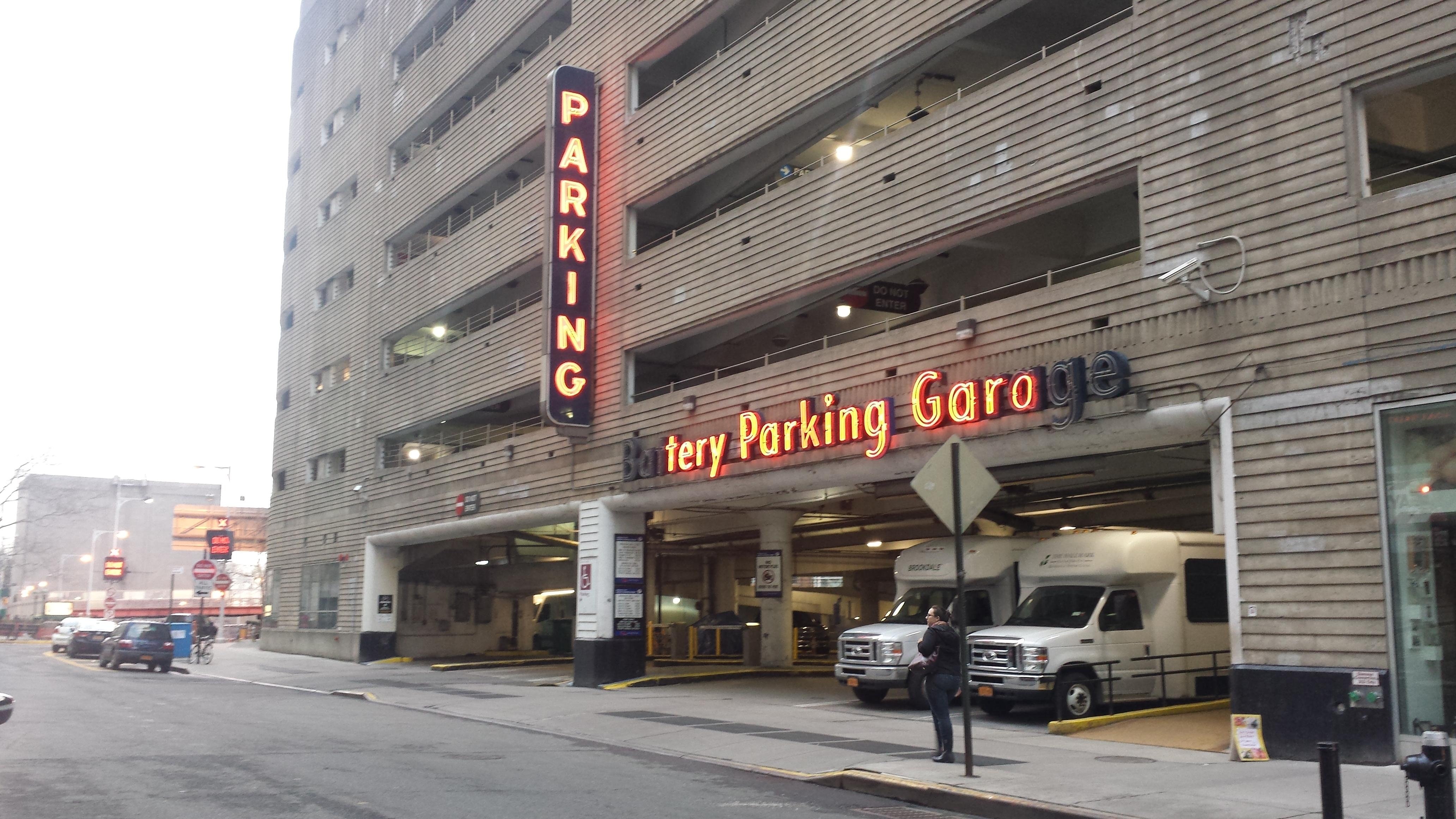
Parking expenses in Manhattan are driven by a combination of high real estate costs, heavy traffic congestion, and strict municipal regulations. Unlike suburban environments where surface lots are plentiful, Manhattan relies heavily on multi-story parking structures and tight street space. Understanding how these costs accumulate is the first step toward effective mitigation.
Private Garages Versus Municipal Facilities
Private parking operators set rates dynamically based on demand, proximity to major attractions, and vehicle size. Standard sedans generally pay base rates, while SUVs, crossover vehicles, and pickup trucks often incur an oversized vehicle surcharge ranging from $15 to $30 per day.
Municipal facilities, such as those managed by the Port Authority of New York and New Jersey at regional transit hubs or select public agency lots, offer more structured pricing, but availability is exceptionally limited. For instance, parking near major transit nodes or entertainment districts can easily exceed $65 to $90 for a 24-hour period before city taxes are applied.
The Impact of Local Taxes
Drivers must factor in New York City’s heavy tax burden on parking. The standard Manhattan parking tax rate is 18.375%, which consists of a 10.375% New York City parking tax and an 8% New York State sales tax. This tax applies to all commercial parking lots and garages south of 110th Street in Manhattan, substantially inflating the daily ticket price. Vehicles registered to Manhattan residents who meet specific residency and tax exemption criteria may qualify for the Manhattan Parking Tax Exemption program, reducing the tax burden significantly, though this is unavailable to visitors.
Pre-Booking Strategies and Digital Aggregators
Relying on drive-up rates at commercial garages is one of the most expensive mistakes a motorist can make. Modern digital tools have transformed how drivers secure space, allowing for significant cost reductions through advance reservation platforms.
Utilizing Parking Apps and Reservation Services
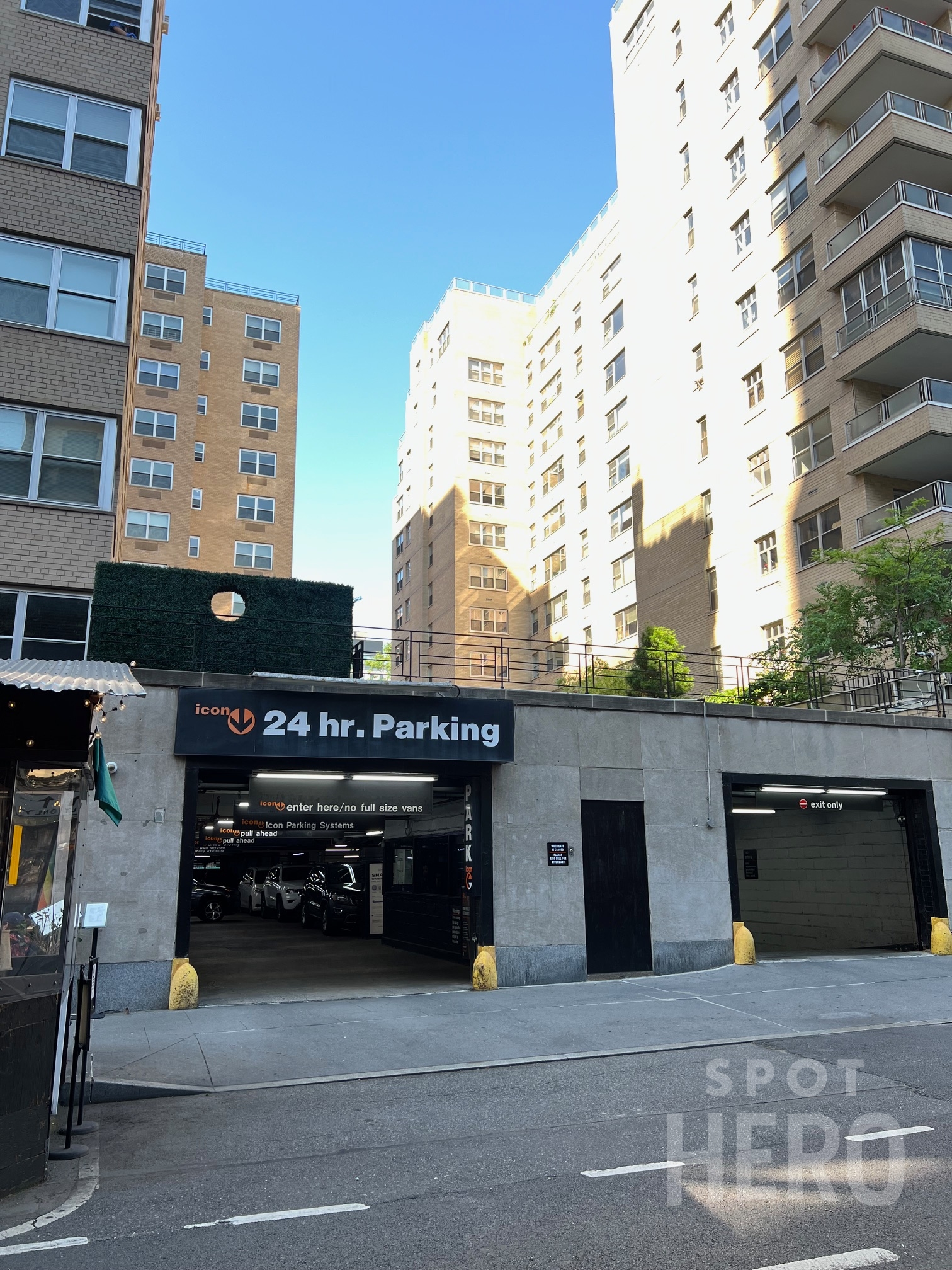
Platforms such as SpotHero, ParkWhiz, and Icon Parking's digital reservation systems offer pre-paid parking deals that can cut standard drive-up rates by up to 50%. These platforms work by partnering with garage operators who wish to monetize unreserved or empty stalls during off-peak hours.
When utilizing these services, verifying the exact operating hours of the garage is critical. Many Manhattan garages close overnight or have strict retrieval windows. Missing a retrieval window can result in overnight fees or lock-out charges that completely negate any initial savings.
Comparing Digital Reservation Options
| Platform Type | Typical Savings | Key Advantage | Potential Risk |
|---|---|---|---|
| On-Demand Apps (SpotHero, ParkWhiz) | 20% to 50% off drive-up | Guaranteed space, price comparison | Non-refundable policies on strict schedules |
| Direct Garage Subscriptions | Fixed monthly rates | Dedicated stall access, loyalty perks | Long-term commitment required |
| Municipal Park-and-Ride | Low daily flat fee | Economical for long stays outside core | Requires transferring to commuter rail |
Navigating Alternate-Side Parking and Street Rules
For those willing to invest time rather than money, street parking presents a lower-cost alternative, though it demands vigilance and a thorough understanding of local regulations.
Mastering Alternate-Side Parking (ASP)
Alternate-Side Parking rules exist to allow street sweeping, but they require motorists to move their vehicles to the opposite side of the street on specified days and times. Fines for violating ASP rules typically range from $45 to $65 depending on the borough and specific infraction.
Drivers must check official New York City Department of Transportation (NYC DOT) notices, as suspensions occur frequently during major holidays, severe weather events, or religious observances. Relying on street parking also means sitting in your vehicle during the designated window or moving it multiple times a week, making it impractical for visitors seeking a hands-off experience.
Reading Commercial and Metered Zones
Street meters use municipal payment systems, including the ParkNYC app, which allows users to pay via smartphone and extend time remotely up to the maximum legal limit. Exceeding the maximum posted time limit—often capped at one to two hours in commercial zones—results in parking summonses and potential towing.
Outer-Borough Parking and Park-and-Ride Solutions
A proven method for reducing Manhattan parking costs is to park outside the central business district and utilize public mass transit for the final leg of the journey.
Leveraging Outer-Borough Neighborhoods
Parking in residential areas of Queens, Brooklyn, or the Bronx often eliminates commercial garage fees entirely. Neighborhoods with strong subway access, such as Astoria or Long Island City in Queens, or parts of western Brooklyn, allow drivers to leave vehicles parked on legal residential streets for extended periods, provided they monitor street cleaning signs.
Official Park-and-Ride Facilities
Commuter rail systems operated by the Metropolitan Transportation Authority (MTA), Metro-North, and the Long Island Rail Road (LIRR) feature dedicated park-and-ride lots. These facilities offer secure, low-cost daily parking for rail ticket holders. By parking at an outer station and taking the train into Penn Station or Grand Central Terminal, travelers bypass Manhattan traffic entirely while avoiding exorbitant garage rates.
Frequently Asked Questions
How can I avoid oversized vehicle fees in Manhattan garages?
Many Manhattan parking garages classify large SUVs, crossovers, and minivans as oversized, adding an extra daily fee. To minimize this, check vehicle dimensions against garage limits before booking, or consider utilizing street parking or outer-borough lots where size-based surcharges are less common.
Is it cheaper to leave my car in a garage for multiple days or use street parking?
For multi-day stays, commercial garages offer flat multi-day rates or weekly packages through booking apps, which are safer and more convenient than street parking. Street parking requires moving the vehicle multiple times per week for Alternate-Side Parking regulations, risking steep fines or towing.
How do I apply for the Manhattan Parking Tax Exemption?
The Manhattan Parking Tax Exemption is available exclusively to qualifying Manhattan residents who meet specific state and city tax criteria and vehicle registration guidelines. It is not available to visitors, tourists, or temporary commuters. Eligible residents must apply through the New York City Department of Finance.
What happens if my car gets towed in New York City?
If your vehicle is towed, it is typically taken to the local NYPD auto pound. Retrieving the vehicle requires paying the towing fee, storage fees for each day it remains at the pound, and any outstanding parking tickets. You must bring a valid driver's license, vehicle registration, and proof of insurance.
Can I extend my parking meter time using my smartphone?
Yes. The official ParkNYC app enables motorists to pay for municipal parking meters digitally and add time remotely, up to the maximum legal limit posted on the parking sign. This prevents the need to return to the physical meter, though it does not bypass maximum time limits.
Practical Next Steps for Cost Control
To successfully execute a parking cost management plan, assess your exact itinerary before entering Manhattan. If your vehicle is required for daily transit outside the city, secure a pre-booked digital garage pass through an aggregator to lock in discounted rates. If you are visiting for leisure or business within the central business district, consider leaving your vehicle at an outer-borough transit hub and utilizing the subway or commuter rail. Always verify municipal street sweeping schedules if opting for street parking to avoid costly fines that quickly outweigh perceived savings.
Image Gallery