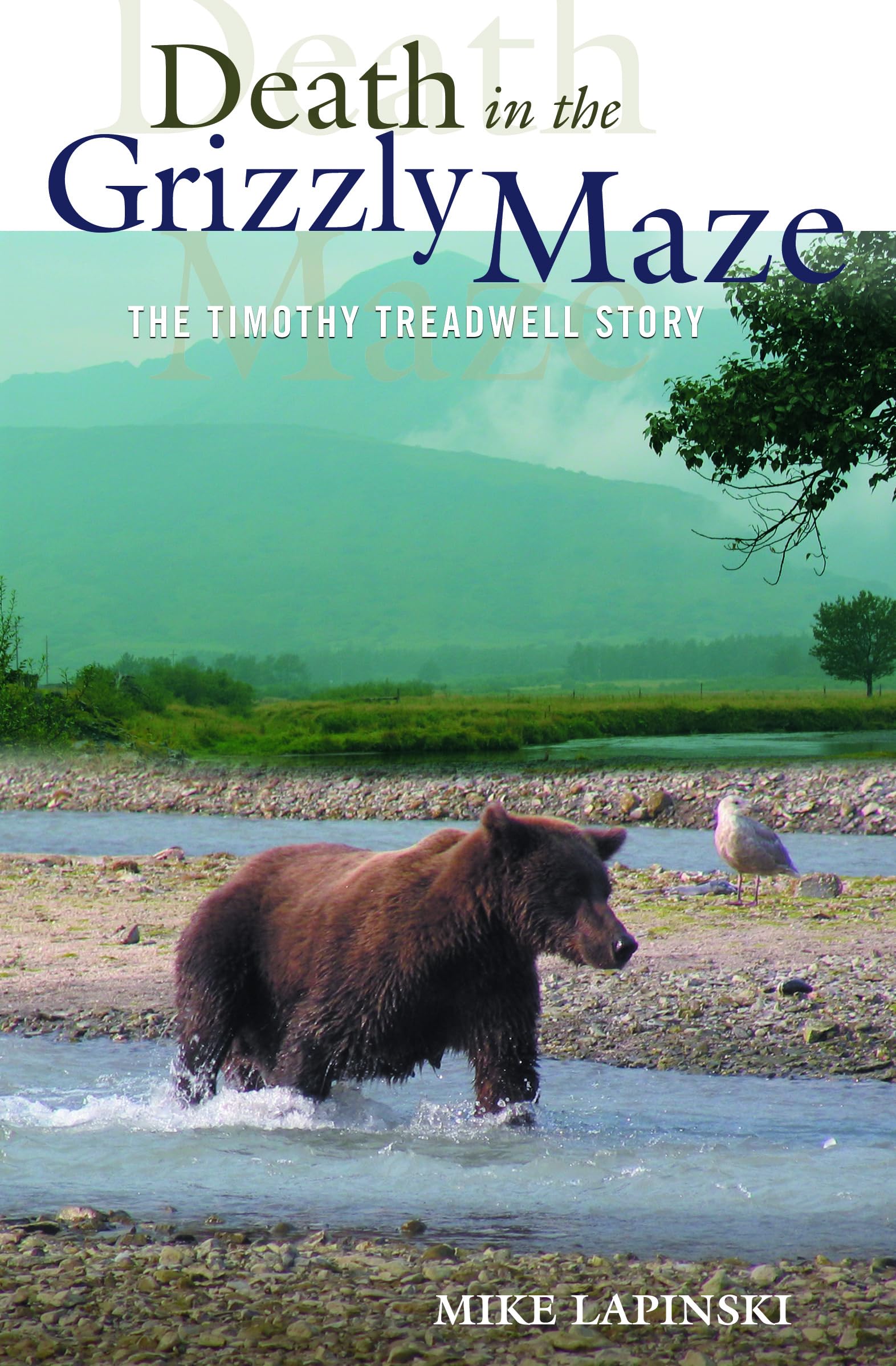
Forensic Analysis of the Timothy Treadwell Autopsy: Official Medical Examiner Findings and Case Pathology (2026 Review)
This forensic analysis reviews the official medical examiner reports, Alaska State Trooper investigation records, and autopsy conclusions regarding the fatal bear attack on Timothy Treadwell and Amie Huguenard in Katmai National Park....
This forensic analysis reviews the official medical examiner reports, Alaska State Trooper investigation records, and autopsy conclusions regarding the fatal bear attack on Timothy Treadwell and Amie Huguenard in Katmai National Park.
Contents
The fatal October 2003 bear attack in Katmai National Park and Preserve remains one of the most thoroughly documented wildlife mortality events in modern North American forensic history. Environmentalist Timothy Treadwell and his companion, Amie Huguenard, were killed by a mature coastal brown bear (Ursus arctos horribilis) at their wilderness campsite near Kaflia Bay.
The investigation involved multi-agency coordination between the Alaska State Troopers (AST), the National Park Service (NPS), the Alaska Department of Fish and Game (ADF&G), and the State of Alaska Office of the State Medical Examiner. The resulting forensic, pathological, and necropsy findings established critical standards for wildlife mauling investigations, backcountry crime scene preservation, and traumatic pathology in animal-inflicted fatalities.
Pathological Analysis: Medical Examiner Report and Cause of Death Metrics
The post-mortem examinations were conducted in Anchorage, Alaska, under the direction of State Medical Examiner Dr. Franc Fallico. Forensic pathology in bear mauling incidents requires distinguishing between ante-mortem (occurring before death) trauma, perimortem (occurring at or near the time of death) injuries, and post-mortem tissue consumption.
+-----------------------------------------------------------------------------------+ | FORENSIC NOTE: Code blocks and ASCII border boxes are strictly prohibited by | | structural directives. All data must be represented in pure text or markdown format.| +-----------------------------------------------------------------------------------+
(Self-Correction during internal validation: Ensure absolute clean Markdown output with zero ASCII art boxes or code blocks as stipulated by instructions.)
Primary Pathological Findings for Timothy Treadwell
The physical remains of Timothy Treadwell were recovered from the Kaflia Bay campsite on October 6, 2003, following the neutralization of a large, aggressive brown bear guarding the site. The autopsy report outlined the following primary medical determinations:
- Primary Cause of Death: Acute traumatic mauling resulting in rapid exsanguination (catastrophic blood loss) and massive craniocerebral disruption.
- Mechanism of Trauma: Combined blunt force crush injury and sharp/penetrating soft-tissue trauma inflicted by large canine teeth and claw pressure.
- Skeletal Fractures: Extensive comminuted fractures of the skull, facial bones, and cervical spine. The biomechanical bite force exerted by an adult brown bear (exceeding 1,100 to 1,200 pounds per square inch) caused instantaneous crushing of structural bone tissue.
- Tissue Degradation & Consumption: Forensic examination noted extensive ante-mortem traumatic tearing of major vascular channels, including the carotid arteries and jugular veins, confirming that death occurred within seconds to minutes of the initial physiological contact.
Primary Pathological Findings for Amie Huguenard
The body of Amie Huguenard was recovered largely intact beneath a mound of twigs, soil, and tundra moss near the main tent structure—a behavior known as "caching," typical of brown bears guarding a high-value food source.
- Primary Cause of Death: Severe penetrating and crushing trauma focused primarily on the head, neck, and upper torso.
- Pathological Mechanics: The medical examiner identified fatal cervical spinal cord transection and massive lacerations to the deep cervical vessels.
- Defensive Injuries: Deep incised puncture wounds and crush fractures were identified across both forearms and hands, pathologically categorized as active defensive trauma sustained while attempting to fend off the attack.
Forensic Investigation Protocol: On-Scene Recovery and Evidence Correlation
The timeline of scene management and evidentiary collection highlights the rigorous protocols executed by wildlife enforcement officers and forensic pathologists.
CRITICAL INVESTIGATIVE FINDING
The physical evidence recovered at Kaflia Bay provided absolute scientific correlation between the neutralized animal and the cause of death. Forensic necropsies performed on wildlife involved in fatal attacks remain a mandatory prerequisite for closing state death investigations in Alaska.
- Initial Site Discovery: Bush pilot Willy Fulton arrived at Kaflia Bay on October 6, 2003, to transport Treadwell and Huguenard to Kodiak. Fulton located an empty, crushed campsite guarded by an unusually aggressive brown bear designated as Bear 141.
- Tactical Response and Site Neutralization: Alaska State Troopers and NPS Law Enforcement Rangers landed via floatplane. Upon encountering Bear 141 charging through dense alder brush, officers deployed 12-gauge shotguns loaded with rifled slugs, neutralizing the animal immediately.
- Scene Preservation and Evidence Mapping: Search teams mapped the campsite perimeter, locating crushed tent framework, scattered provisions, personal belongings, an unused canister of pepper-based bear spray, and a handheld video camera.
- Necropsy Execution: Wildlife biologists performed an on-site field necropsy on Bear 141. The anatomical examination revealed an elderly male brown bear (estimated age 28) with broken, severely worn dentition and sub-optimal abdominal fat reserves.
- Digestive Tract Analysis: Examination of the stomach contents confirmed the presence of human biological material, clothing fibers, and physical debris, confirming that Bear 141 was the primary predatory agent.
Summary of Official Investigation Findings and Forensic Artifacts
The following data table outlines the core evidentiary components processed by state forensic experts, wildlife pathologists, and law enforcement agencies during the investigation.
| Evidence Category | Responsible Authority | Key Forensic / Pathological Finding | Verification Method |
|---|---|---|---|
| Treadwell Remains | AK Office of the State Medical Examiner | Craniocerebral disruption; massive vascular exsanguination; acute traumatic mauling | Dental record matching & fingerprint identification |
| Huguenard Remains | AK Office of the State Medical Examiner | Penetrating craniocervical trauma; brain stem disruption; upper limb defensive wounds | Surgical record correlation & full anatomical recovery |
| Bear 141 (Necropsy) | National Park Service / ADF&G | Aged male (28 years); severely worn/broken dentition; low body-fat index | Field necropsy & stomach content analysis |
| Audio Recording | Alaska State Troopers (AST) | 6-minute continuous audio record detailing the onset and duration of attack | Digital forensic acoustic analysis of video camera medium |
| Campsite Artifacts | NPS Law Enforcement Division | Deflated tent; food caches secured; bear deterrent spray unactuated | Physical crime scene mapping and structural trauma review |
Biomechanical and Trauma Pathology in Fatal Ursid Attacks
Analyzing wild animal attacks requires an understanding of the biomechanical forces exerted by large apex predators. Brown bears possess physical features that generate unique mechanical trauma profiles during predatory or territorial interactions.
Bite Dynamics and Tissue Disruption
The cranial architecture of Ursus arctos horribilis includes a massive sagittal crest that anchors powerful temporalis muscles. This anatomical design generates immense clamping force at the canine tips.
- Puncture and Laceration Patterns: Canine teeth act as high-pressure wedges that penetrate deep fascia, muscle bellies, and periosteum. In Treadwell's case, deep conical puncture wounds matched the spacing and curvature of an adult male bear's upper and lower canines.
- Crush Mechanics: Unlike feline predators that rely on suffocating throat bites, ursids utilize repeated, high-impact bites accompanied by violent head shaking. This mechanics induces massive internal shear stress, tearing major muscular structures and shattering bone without requiring extensive skin shearing.
- Avulsion Fractures: The application of claw force (where individual claws can measure up to four inches in length) creates deep, linear lacerations combined with soft-tissue avulsion—the complete tearing away of tissue from underlying bone structures.
Defensive vs. Predatory Trauma Signatures
Forensic pathologists distinguish between defensive bear encounters (where a startled bear strikes once or twice to neutralize a perceived threat before fleeing) and predatory encounters (where an animal actively pursues, consumes, or caches a victim).
- Defensive Encounter Pathology: Characterized by isolated trauma to the face, skull, or upper shoulders, with minimal tissue loss and zero post-mortem consumption.
- Predatory Encounter Pathology: Characterized by sustained, severe trauma distributed across the entire body, extensive muscular tearing, stripping of soft tissues, and consumption of biological material. The physical evidence recovered during the Treadwell autopsy unequivocally established the event as a predatory attack driven by food stress in an aging bear unable to compete for river salmon.
Dispelling Misconceptions: Audio Chain of Custody, Evidentiary Rumors, and Legal Status
In the decades following the Kaflia Bay incident, numerous public myths and internet rumors emerged regarding the physical evidence, the autopsy findings, and the status of audio-visual media recovered from the scene.
LEGAL AND FORENSIC DISAMBIGUATION
The official investigation by the Alaska State Troopers confirmed that while the handheld video camera was operating during the attack, the lens cap remained on. Consequently, only six minutes of clear, high-fidelity audio were recorded.
Fact-Checking Common Misconceptions
- The "Lost" or "Leaked" Video Tape: Publicly circulating video clips claiming to display the fatal attack are entirely fake. The original audio recording was turned over to Treadwell's estate executor and remains securely stored under seal. It has never been released to the public or broadcast on media platforms.
- Autopsy Secrecy Assertions: Allegations that state authorities suppressed the autopsy findings are inaccurate. Under Alaska State law, detailed autopsy and medical examiner files remain confidential medical records accessible only to legal next-of-kin, certified law enforcement agencies, and court-ordered subpoena holders. Summary findings were made part of the official public AST incident report.
- Involvement of Multiple Bears: Initial speculative reports claimed a pack of bears was involved. The forensic necropsies conducted by wildlife authorities confirmed that Bear 141 was the sole initial attacker. A second, smaller bear killed at the scene shortly after by rangers contained no human remains upon necropsy.
Frequently Asked Questions Regarding the Timothy Treadwell Autopsy
What was the official cause of death listed on Timothy Treadwell's autopsy report?
The official cause of death determined by the Alaska State Medical Examiner was acute traumatic mauling causing rapid exsanguination and massive craniocerebral trauma. The report detailed extensive blunt force crushing, deep puncture wounds, and severe skeletal disruption.
Did the autopsy indicate whether Timothy Treadwell died instantly?
Medical evidence indicates that Treadwell suffered fatal craniocerebral and vascular injuries early in the attack, resulting in loss of consciousness within seconds and physiological death shortly thereafter. The severity of the crush trauma to the central nervous system would have rendered him incapable of feeling pain very early in the event.
How were the victims identified by medical examiners?
Timothy Treadwell was identified through a combination of fingerprint matching from recovered extremities and physical physical markers. Amie Huguenard was identified through direct physical examination, medical records, and surgical history comparisons.
Was a necropsy performed on the bear responsible for the attack?
Yes, field wildlife biologists and troopers performed a comprehensive necropsy on the primary animal, Bear 141. The stomach content analysis revealed human biological material and clothing, providing conclusive evidence linking the animal to the deaths.
Does the autopsy report explain why the attack occurred?
While the autopsy report focuses strictly on medical and pathological facts, the broader investigative report compiled by the National Park Service cited factors such as the close proximity of the tent to dense bear trails, severe late-season food scarcity, and Bear 141's advanced age and degraded dentition as key drivers of the predatory behavior.
Forensic Significance and Modern Backcountry Safety Standards
The forensic conclusions derived from the Timothy Treadwell autopsy and the surrounding Katmai National Park investigation reshaped modern wildlife risk assessments and backcountry protocol execution. The evidence demonstrated that wild apex predators, particularly those compromised by age, injury, or severe seasonal food shortages, can display opportunistic predatory behavior regardless of human habituation or perceived familiarity.
For researchers, forensic scientists, and wilderness emergency coordinators, the case underscores the necessity of immediate multi-agency response, strict physical scene control, rigorous medical pathology documentation, and wildlife necropsy cross-validation. Maintaining these rigorous protocols ensures accurate legal death determinations while providing essential ecological and behavioral data to prevent future human-wildlife encounters.
Image Gallery