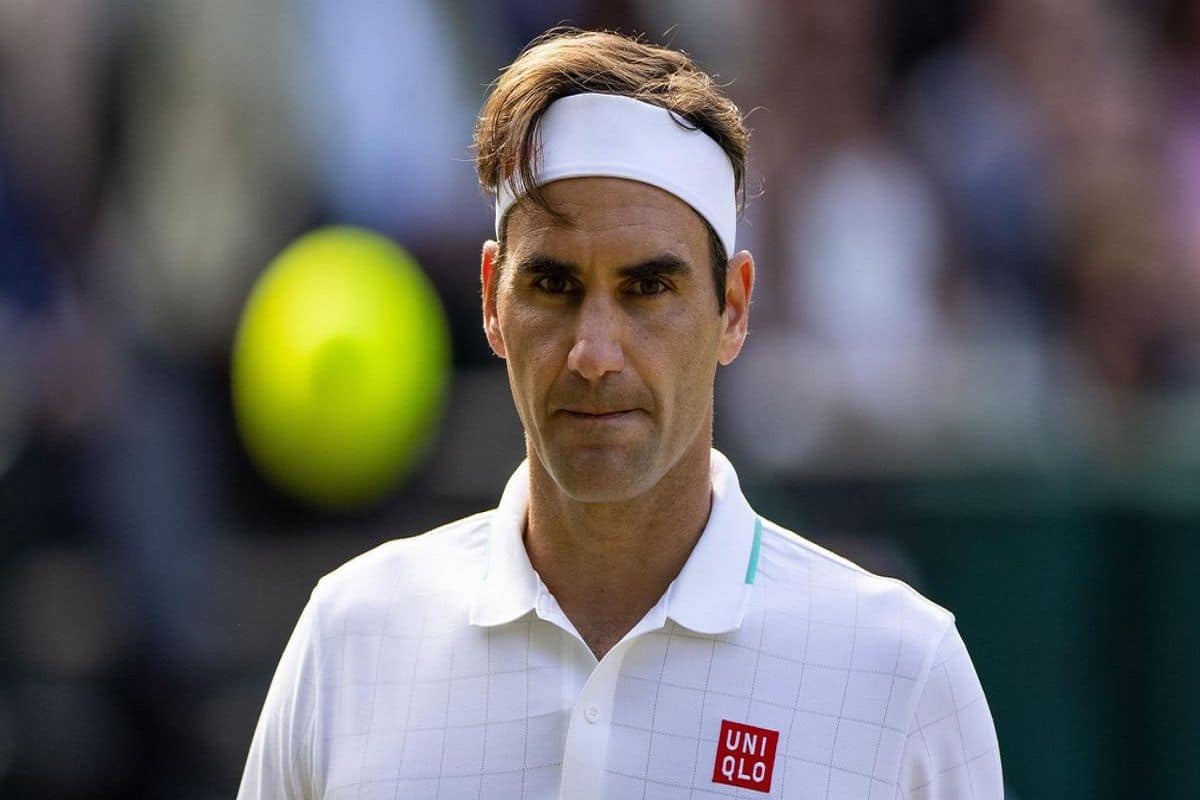
Roger Federer’s South African Legacy: When a Tennis Legend Meets a Continent
Roger Federer’s connection to Africa is a profound blend of heritage, philanthropy, and symbolic homecoming. While he represented Switzerland on the court, his South African lineage through his mother, Lynette Federer, fueled a twenty-...
Roger Federer’s connection to Africa is a profound blend of heritage, philanthropy, and symbolic homecoming. While he represented Switzerland on the court, his South African lineage through his mother, Lynette Federer, fueled a twenty-year commitment to education and social development across Southern Africa via his namesake foundation, culminating in the historic 2020 "Match in Africa."
Contents
For decades, the global sporting community viewed Roger Federer primarily through the lens of Swiss precision and grass-court dominance. However, beneath the surface of his twenty Grand Slam titles lies a deeply rooted identity tied to the African continent. This connection is not merely a matter of dual citizenship; it is a structural pillar of his post-career legacy. By 2026, four years after his professional retirement, Federer’s work in Africa has transitioned from a side project to his primary global contribution, focusing on systemic changes in early childhood education.
The Roots of a Dual Identity: The Kempton Park Connection
Roger Federer was born in Basel, Switzerland, but his world view was significantly shaped by his mother, Lynette, who was raised in Kempton Park, Gauteng, South Africa. This maternal link provided Federer with a South African passport and a personal affinity for the region that many of his contemporaries lacked. During his childhood, regular visits to South Africa exposed him to the stark socio-economic disparities of the post-apartheid era, planting the seeds for his future philanthropic endeavors.
This dual identity allowed Federer to occupy a unique space in international sports. He was a European icon with an African heart. In interviews conducted throughout his career and into 2026, Federer has frequently cited his South African roots as the source of his "groundedness." The contrast between the affluent training facilities of Europe and the under-resourced communities of Southern Africa provided him with a perspective that prioritized "giving back" long before he reached the pinnacle of the ATP rankings.
Cultural Integration and Public Perception
In South Africa, Federer is often claimed as a "local boy made good." This sentiment is not just about his tennis prowess but his willingness to embrace the continent's challenges. Unlike many celebrities who engage in "parachute philanthropy"—brief visits for photo opportunities—Federer’s engagement has been characterized by long-term commitment and a respect for local agency. He has consistently emphasized that his role is to support African educators and communities, rather than imposing external Swiss models on them.
The Roger Federer Foundation: A Strategic Approach to Education
Founded in 2003, the Roger Federer Foundation (RFF) represents the formalization of his commitment to the continent. As of 2026, the foundation has surpassed its initial goals, having impacted the lives of over 2.5 million children. The foundation does not merely donate money; it operates on a philosophy of "quality over quantity," focusing specifically on Early Childhood Education (ECE).
Why Early Childhood Education?
The foundation identified a critical gap in the educational pipeline in Southern Africa: the transition from home to primary school. Research suggests that children who lack access to quality preschooling are significantly more likely to drop out or underperform in later years. The RFF addresses this by:
- Teacher Training: Providing educators with modern pedagogical tools that encourage interactive learning.
- Infrastructure Improvement: Ensuring that classrooms are safe, hygienic, and conducive to learning.
- Natural Playgrounds: Implementing "learning through play" environments that foster cognitive and social development.
- School Readiness Initiatives: Creating standardized assessments to ensure children are prepared for Grade 1.
The foundation operates in several countries, including South Africa, Namibia, Botswana, Malawi, Zambia, and Zimbabwe. Each program is tailored to the specific legal and social framework of the host nation, ensuring that the interventions are sustainable and integrated into the national education system.
The 2020 Match in Africa: A Cultural Milestone
One of the most significant events in the "legend meets a continent" narrative was the Match in Africa 6, held in Cape Town in February 2020. This event was the first time Federer played a professional match in sub-Saharan Africa, and it served as a powerful symbolic bridge between his two worlds.
The match against his long-time rival and friend, Rafael Nadal, set a world record for the highest attendance at a tennis match, with 51,954 spectators filling the Cape Town Stadium. More importantly, the event raised more than $3.5 million for the Roger Federer Foundation’s programs in the region.
| Event Metric | Details of Match in Africa 6 (Cape Town) |
|---|---|
| Attendance | 51,954 (World Record for Tennis) |
| Funds Raised | Over $3.5 Million USD |
| Key Participants | Roger Federer, Rafael Nadal, Bill Gates, Trevor Noah |
| Primary Goal | Supporting Early Childhood Education in Southern Africa |
| Cultural Impact | First professional appearance by Federer in South Africa |
The inclusion of South African comedian Trevor Noah and philanthropist Bill Gates in the doubles exhibition further highlighted the intersection of global influence and local pride. For the South African public, seeing Federer compete on their soil was a validation of his heritage and a celebration of a "prodigal son" returning to contribute to the continent's future.
Beyond the Court: Federer’s Approach to Philanthropy in 2026
By 2026, Federer’s role has evolved from a fundraising figurehead to a deeply involved chairperson. His approach to philanthropy mirrors his tennis style: efficient, graceful, and highly technical. He avoids the "hero complex," instead focusing on measurable outcomes and local empowerment.
Sustainability and Local Agency
A core tenet of the Federer Foundation is that it does not stay in a community forever. The goal is to build the capacity of local schools and governments so that they can maintain high educational standards independently. This involves:
- Community Ownership: Engaging parents and local leaders to take responsibility for school maintenance.
- Digital Monitoring: Using data-driven tools to track student progress and teacher performance in remote areas.
- Government Collaboration: Aligning foundation goals with the national education departments of countries like Malawi and Zambia to ensure long-term policy integration.
Federer’s involvement is not limited to financial oversight. He frequently visits project sites—often without the fanfare of international media—to meet with teachers and students. These visits allow him to witness the granular challenges of the education system, from the lack of basic nutrition to the difficulties of transporting children to school in rural provinces.
The Technical Depth of Educational Impact
To understand why Federer’s meeting with the continent is considered a "gold standard" in athlete-led philanthropy, one must look at the technical specifications of the foundation's "School Readiness Initiative." This program is designed to move beyond the "building schools" trope, which often fails because it ignores the quality of what happens inside the building.
The foundation utilizes a School Readiness Toolkit, a comprehensive set of digital and physical resources that allow teachers to assess whether a child has reached the developmental milestones necessary for formal schooling. This includes:
- Cognitive Development: Basic numeracy and literacy concepts.
- Physical Health: Monitoring for malnutrition and developmental delays.
- Social-Emotional Learning: The ability to interact with peers and follow classroom structures.
By focusing on these metrics, Federer’s work addresses the root causes of educational inequality. In 2026, independent evaluations of RFF-supported schools in South Africa's Limpopo province showed a 25% increase in Grade 1 pass rates compared to neighboring non-supported schools.
FAQ: Roger Federer's Connection to Africa
Is Roger Federer a South African citizen?
Yes, Roger Federer holds dual Swiss and South African citizenship. His mother, Lynette, is South African, which entitled him to citizenship from birth. He has often expressed pride in his dual heritage, though he competed under the Swiss flag throughout his professional career.
Does the Roger Federer Foundation only operate in Africa?
While the majority of the foundation's work and funding are directed toward Southern Africa (specifically South Africa, Botswana, Malawi, Namibia, Zambia, and Zimbabwe), the foundation also supports educational programs in Switzerland. The focus in Switzerland is primarily on helping children affected by poverty within the country.
When did Roger Federer last play in Africa?
Federer’s most notable recent appearance in Africa was the "Match in Africa 6" in February 2020 in Cape Town. While he retired from professional tennis at the Laver Cup in 2022, he continues to visit the continent regularly in 2026 to oversee his foundation’s educational projects.
How much money has Roger Federer raised for African education?
As of 2026, the Roger Federer Foundation has invested over $80 million in educational programs. The foundation's model relies on a combination of Federer's personal donations, corporate partnerships (such as those with Rolex and Credit Suisse), and high-profile fundraising events like the Match in Africa series.
What is the specific focus of the foundation in South Africa?
In South Africa, the foundation focuses on the "School Readiness Initiative." This program works with community-based centers to improve the quality of early childhood development, ensuring that children from vulnerable backgrounds are prepared to succeed when they enter the formal primary school system.
Practical Recommendations for Supporting the Cause
For those inspired by Federer’s journey and looking to contribute to similar causes in Africa, the following steps are recommended:
- Support Early Childhood Development (ECD): Research shows that investments in the first six years of a child’s life yield the highest long-term social returns. Look for organizations that focus on teacher training and preschool infrastructure.
- Prioritize Sustainability: When donating to African causes, choose organizations that work with local governments and communities rather than those that operate in isolation.
- Verify Impact through Transparency: Look for foundations that provide annual reports and clear metrics, such as the Roger Federer Foundation’s public impact assessments.
- Advocate for Education: Support policies that increase public spending on education in developing nations, as private philanthropy can supplement but not replace robust state systems.
Federer’s legacy is a testament to the power of using a global platform to address local needs. By 2026, he is remembered not just for his "liquid whip" forehand, but for the millions of children across Southern Africa who are receiving a better start in life because a tennis legend chose to meet a continent with purpose and humility.
Image Gallery