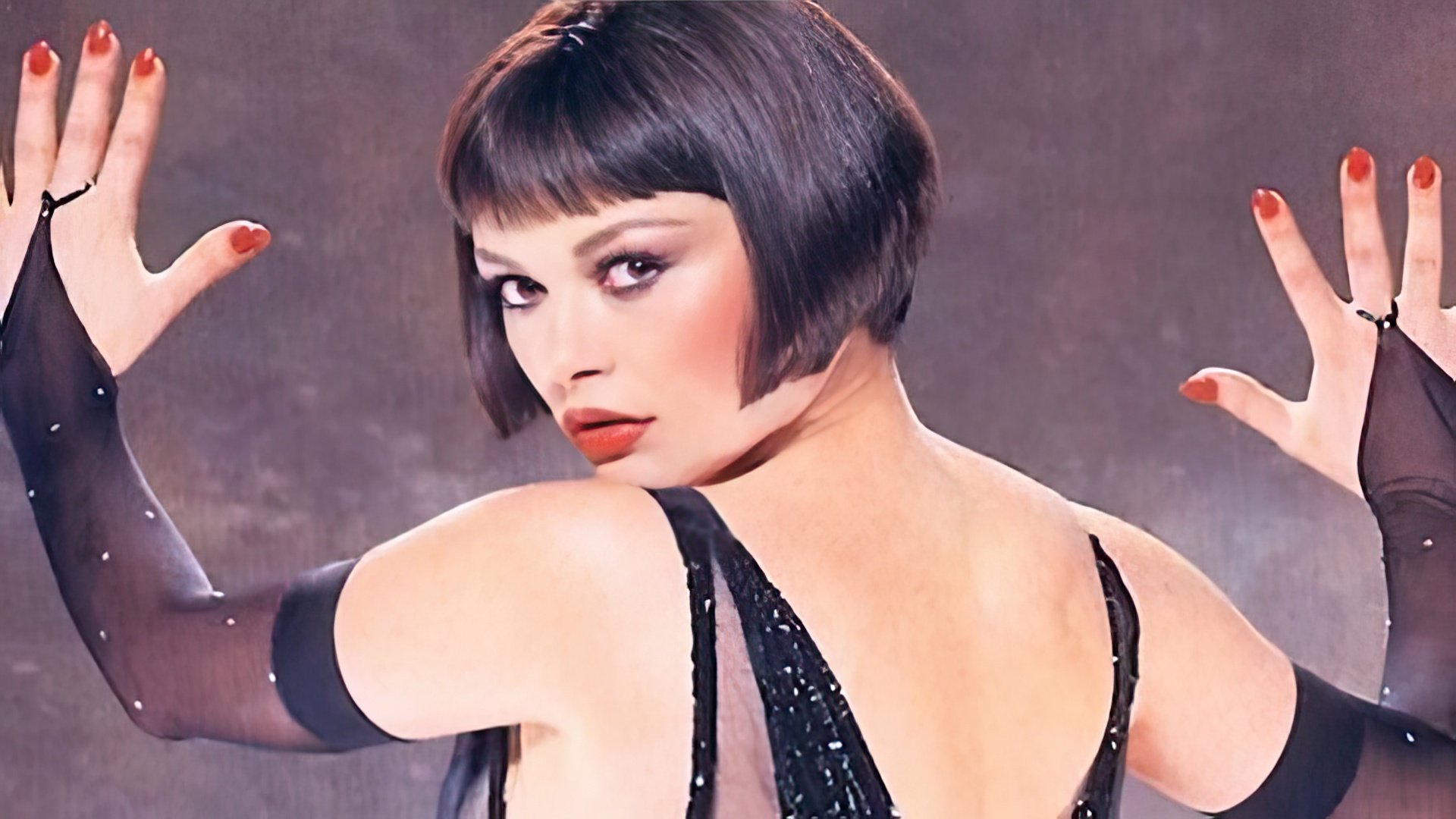
Catherine Zeta-Jones Musicals: From the West End to Broadway and Film
Catherine Zeta-Jones has starred in several iconic musicals, most notably as Velma Kelly in the 2002 film Chicago, for which she won an Academy Award for Best Supporting Actress. Her stage career includes a Tony-winning performance in...
Catherine Zeta-Jones has starred in several iconic musicals, most notably as Velma Kelly in the 2002 film Chicago, for which she won an Academy Award for Best Supporting Actress. Her stage career includes a Tony-winning performance in the Broadway revival of A Little Night Music and her breakthrough role in the West End production of 42nd Street.
Contents
As of 2026, the legacy of Catherine Zeta-Jones in the musical genre remains a benchmark for "triple-threat" performers—actors who excel equally in singing, dancing, and acting. While many audiences recognize her from high-stakes dramas or action films, her roots are firmly planted in the musical theater tradition. Her journey from a young chorus girl in London to a globally recognized musical star is a testament to rigorous technical training and a deep understanding of the genre’s demands.
The Early Years: Breakthrough in the West End
Before she was a Hollywood A-lister, Catherine Zeta-Jones was a standout talent in London’s West End. Her formal training began at the Arts Educational Schools in London, where she developed the disciplined technique required for professional musical theater.
42nd Street (1987)
Her most significant early career milestone occurred in the 1987 West End production of 42nd Street. Zeta-Jones was originally cast as the second understudy for the lead role of Peggy Sawyer. In a real-life scenario that mirrored the plot of the musical itself, both the lead actress and the first understudy were unable to perform one evening. Zeta-Jones stepped into the role and so impressed the producers that she was eventually given the part permanently.
This production required immense stamina and technical proficiency in tap dancing, a skill that would later serve as the foundation for her cinematic musical roles. 42nd Street is widely considered one of the most demanding "dance musicals," and her success there established her reputation as a formidable stage presence.
Other Early Stage Work
Prior to her breakthrough in 42nd Street, Zeta-Jones appeared in a 1981 production of Annie at the Victoria Palace Theatre and a production of Bugsy Malone. These early roles provided the foundational experience in ensemble dynamics and live vocal performance that define her professional versatility.
The Cinematic Peak: Chicago (2002)
While Zeta-Jones had a successful career in television and film throughout the 1990s, the 2002 film adaptation of the Kander and Ebb musical Chicago catapulted her back into the musical spotlight. Directed by Rob Marshall, the film was a critical and commercial juggernaut, credited with revitalizing the live-action movie musical for the 21st century.
Portraying Velma Kelly
In Chicago, Zeta-Jones played Velma Kelly, a vaudevillian jazz singer imprisoned for murder. The role was physically and vocally demanding, requiring her to master the distinct, angular choreography of Bob Fosse, as reimagined by Marshall.
Key musical numbers performed by Zeta-Jones include:
- "All That Jazz": The film's opening number, which sets the tone for the entire production and showcases her mezzo-soprano vocal range.
- "Cell Block Tango": A highly stylized ensemble piece that required precise rhythmic movement and character-driven vocal delivery.
- "I Can't Do It Alone": A complex solo number involving athletic dance maneuvers and comedic timing.
- "Nowadays" / "Hot Honey Rag": The finale duet with Renée Zellweger, featuring high-speed synchronized tap dancing.
Technical Achievements and Awards
For her performance in Chicago, Zeta-Jones underwent an intensive six-week rehearsal period. Unlike many modern films that use body doubles or heavy digital editing, Zeta-Jones performed the majority of her own dancing. Her efforts were rewarded with the Academy Award for Best Supporting Actress in 2003. According to The Academy of Motion Picture Arts and Sciences, her win was a rare instance of a musical performance taking home one of the major acting trophies in the modern era.
Broadway Success: A Little Night Music (2009–2010)
In 2009, Zeta-Jones made her highly anticipated Broadway debut in the revival of Stephen Sondheim’s A Little Night Music. Playing the role of Desirée Armfeldt, she moved away from the high-energy dance numbers of her youth toward a more mature, emotionally complex performance.
Interpreting Sondheim
Sondheim’s music is notoriously difficult due to its intricate lyrics and non-traditional melodic structures. Zeta-Jones was tasked with performing one of the most famous songs in musical theater history: "Send in the Clowns." Rather than relying on a powerhouse vocal, she utilized a "sing-acting" approach, focusing on the character’s regret and vulnerability.
Her performance was a departure from the "vaudeville glamor" of Velma Kelly, proving her range as a dramatic actress who could handle sophisticated musical material. The production was a commercial success, and Zeta-Jones received the Tony Award for Best Actress in a Musical in 2010. Details of her win and the production's impact can be found via the Tony Awards official archives.
Rock of Ages (2012) and Continued Musical Influence
In 2012, Zeta-Jones returned to the movie musical in the adaptation of the Broadway hit Rock of Ages. While the film received mixed reviews, her performance as the conservative, anti-rock activist Patricia Whitmore was noted for its comedic energy.
In this role, she performed 1980s rock anthems, specifically a mashup of Pat Benatar's "Hit Me with Your Best Shot" and Twisted Sister's "Shadows of the Night." Although the role was smaller than her turn in Chicago, it allowed her to showcase a different vocal style—belt-heavy rock vocals—and proved her continued relevance in the genre.
Even when not appearing in a traditional musical, Zeta-Jones often incorporates her musicality into her roles. Her 2022-2024 portrayal of Morticia Addams in the series Wednesday included a viral dance sequence that, while not a "musical number" in the traditional sense, drew heavily on her dance background and rhythmic precision.
Comparison of Major Musical Roles
The following table compares the primary musical projects that have defined Catherine Zeta-Jones's career.
| Production | Role | Format | Key Musical Numbers | Major Awards |
|---|---|---|---|---|
| 42nd Street (1987) | Peggy Sawyer | West End Stage | "42nd Street", "Young and Healthy" | N/A (Breakthrough Role) |
| Chicago (2002) | Velma Kelly | Feature Film | "All That Jazz", "Cell Block Tango" | Academy Award (Best Supporting Actress) |
| A Little Night Music (2009) | Desirée Armfeldt | Broadway Stage | "Send in the Clowns", "The Glamorous Life" | Tony Award (Best Actress in a Musical) |
| Rock of Ages (2012) | Patricia Whitmore | Feature Film | "Hit Me with Your Best Shot" | N/A |
Training and Technical Depth
The success of Catherine Zeta-Jones in musicals is not a product of luck but of rigorous technical training. Her foundation in classical ballet and tap dance provided the physical discipline needed for the grueling schedules of live theater.
Vocal Range and Style
Zeta-Jones is a mezzo-soprano. Her voice is characterized by a rich lower register and a strong belt, which is ideal for "character" roles in musical theater. In Chicago, she utilized a brassy, theatrical tone suited for jazz. In A Little Night Music, she transitioned to a more breathy, conversational style to suit the intimate setting of the Walter Kerr Theatre.
The Fosse Influence
One cannot discuss Zeta-Jones's musical career without mentioning the technical influence of Bob Fosse. The "Fosse style"—characterized by turned-in knees, shoulder rolls, and precise finger movements—is notoriously difficult to execute properly. Zeta-Jones’s performance in Chicago is often cited by dance historians as one of the best modern captures of the Fosse aesthetic on film, maintaining the required tension and "cool" detachment the style demands.
Common Mistakes When Recalling Her Musical Career
When discussing Zeta-Jones's work in musicals, fans and researchers often make a few common errors:
- Confusing Her Roles: Some believe she played Roxie Hart in Chicago. That role was played by Renée Zellweger; Zeta-Jones played Velma Kelly.
- Overlooking Her Stage Roots: Because of her Hollywood fame, many assume she transitioned to musicals late in her career. In reality, she was a musical theater performer first.
- Misidentifying Her Broadway Debut: While she was a star for decades, she did not debut on Broadway until 2009 with A Little Night Music. All her previous major stage work was in London's West End.
Frequently Asked Questions
Did Catherine Zeta-Jones do her own singing in Chicago?
Yes, Catherine Zeta-Jones performed all of her own vocals for the film Chicago. She has a professional background in musical theater, which allowed her to handle the demanding Kander and Ebb score without the need for a vocal double.
What Broadway show did Catherine Zeta-Jones win a Tony for?
She won the Tony Award for Best Performance by a Leading Actress in a Musical for her role as Desirée Armfeldt in the 2009 revival of A Little Night Music. This was her first and, to date, only Broadway appearance.
Is Catherine Zeta-Jones a trained dancer?
Yes, she began dance lessons at the age of four. She was a national tap-dancing champion in the UK as a child and attended a specialized performing arts school where she studied ballet, tap, and modern dance.
Did Catherine Zeta-Jones star in any other movie musicals besides Chicago and Rock of Ages?
While those are her two most prominent movie musicals, she has participated in various musical-themed events and television specials. However, Chicago and Rock of Ages remain her only two major feature film roles within the traditional musical genre.
What is Catherine Zeta-Jones's most famous musical song?
"All That Jazz" from the film Chicago is widely considered her most famous musical performance. The song has become synonymous with her career and is frequently used in retrospectives of her work.
Next Steps for Fans and Researchers
To fully appreciate the musical career of Catherine Zeta-Jones, viewers should start with the film Chicago, which remains her most technically accomplished work. For those interested in her theatrical range, searching for archival recordings or cast albums of the 2009 A Little Night Music Broadway revival provides insight into her vocal evolution. Additionally, those interested in musical theater history can look into the 1980s West End archives to see her early contributions to the London stage.
Image Gallery