Progress and Revitalization: What is Changing in Downtown Wheeling in 2026
Downtown Wheeling is currently undergoing its most significant physical and economic transformation in over half a century, characterized by the completion of the $32 million Downtown Streetscape Project, the emergence of high-end resi...
Downtown Wheeling is currently undergoing its most significant physical and economic transformation in over half a century, characterized by the completion of the $32 million Downtown Streetscape Project, the emergence of high-end residential lofts in historic skyscrapers, and the construction of a state-of-the-art regional cancer center by WVU Medicine.
Contents
The landscape of Wheeling, West Virginia, has shifted from a state of industrial legacy to one of modern service-oriented infrastructure. For residents, business owners, and visitors, these changes represent more than just aesthetic upgrades; they signify a fundamental pivot in how the "Friendly City" functions as an urban core. By 2026, the long-term construction hurdles that defined the early 2020s have given way to a navigable, modernized downtown designed to support both increased foot traffic and a new influx of urban residents.
The Completion of the Downtown Streetscape Project
The most visible change in downtown Wheeling is the finalized Downtown Streetscape Project. This massive undertaking, spearheaded by the West Virginia Department of Transportation (WVDOT) in coordination with the City of Wheeling, has completely overhauled the corridors of Main and Market Streets between 10th and 16th Streets.
Infrastructure and Accessibility
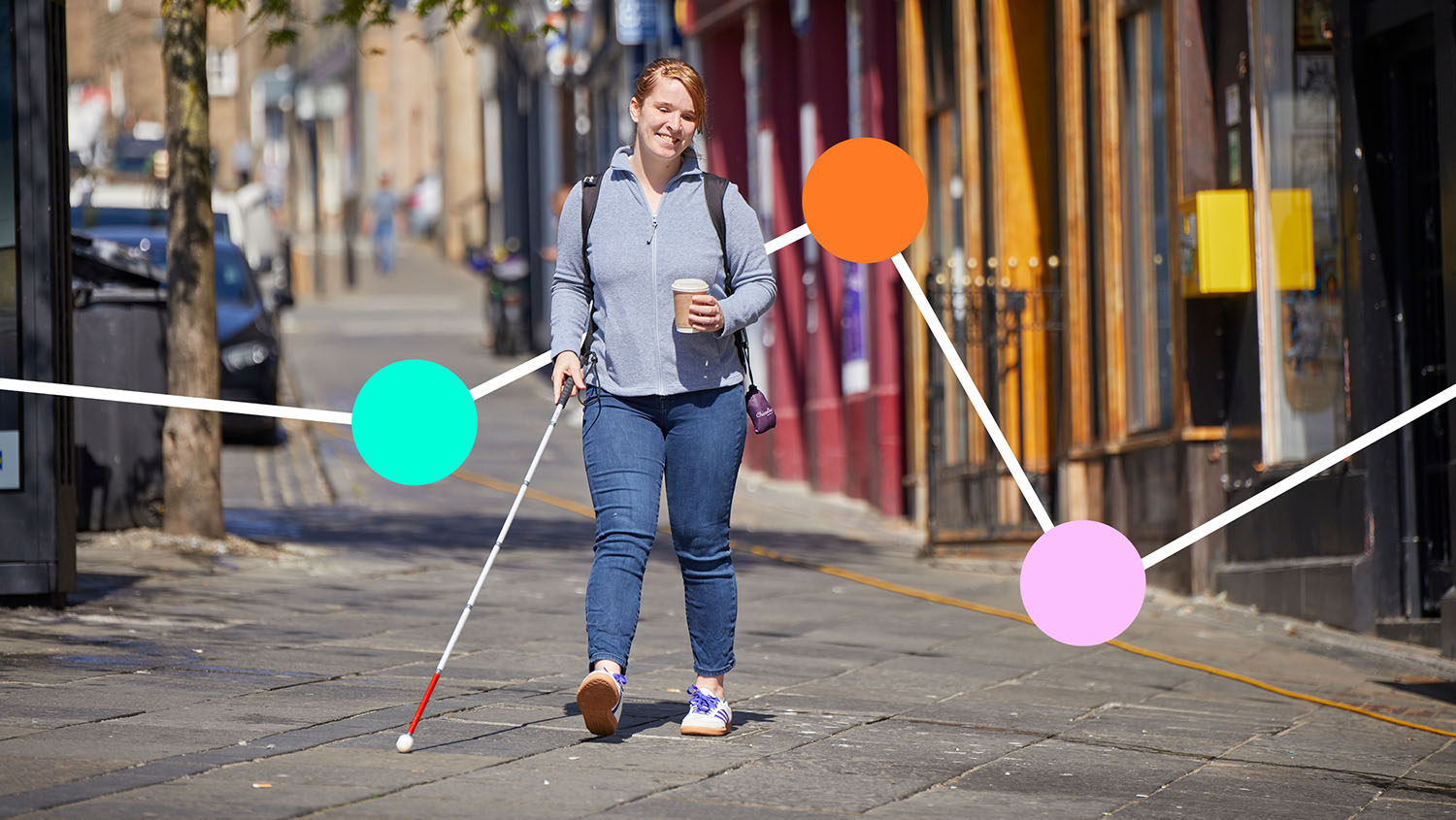
Prior to this project, downtown Wheeling’s underground infrastructure and surface-level sidewalks had remained largely unchanged since the mid-20th century. The 2026 landscape features entirely replaced water and sewer lines, which were a prerequisite for any surface improvements. Above ground, the city now boasts ADA-compliant (Americans with Disabilities Act) sidewalks characterized by decorative brick pavers and bump-outs at intersections to increase pedestrian safety.
The integration of "smart" traffic signals and high-efficiency LED street lighting has improved both the safety and the atmosphere of the evening hours. These technical upgrades are designed to reduce the "urban heat island" effect and lower municipal energy costs while providing a consistent aesthetic that honors the city's Victorian architecture.
Aesthetic and Environmental Enhancements
The addition of green infrastructure is a cornerstone of the new downtown. The project introduced dozens of new street trees, ornamental plantings, and bioswales designed to manage stormwater runoff more effectively. This environmental focus helps mitigate the flooding issues that have historically plagued the Ohio Valley, ensuring that the heavy investments in the city's surface are protected from the elements.
The Residential Boom: From Offices to Lofts
In 2026, the primary use of Wheeling’s tallest historic buildings has shifted from commercial office space to premium residential living. This "upper-floor" revitalization has brought hundreds of new residents into the downtown core, creating a 24/7 economy that did not exist a decade ago.
The Historic Wheeling-Pitt Lofts
The centerpiece of this residential movement is the redevelopment of the former Wheeling-Pittsburgh Steel building at 1134 Market Street. This 12-story landmark, once the headquarters of a global industrial giant, has been fully converted into "The Historic Wheeling-Pitt Lofts." This project added over 100 market-rate apartments to the city center.
The conversion process required significant technical navigation of historic preservation tax credits and modern building codes. By preserving the original facade while gutting the interior for high-end amenities, the developers have attracted a demographic of young professionals and "empty nesters" who prioritize walkability. The success of this project has served as a proof-of-concept for other smaller-scale conversions throughout the downtown area.
Supporting the New Population
The increase in downtown residents has necessitated changes in local commerce. We have seen a decline in traditional "nine-to-five" office support services and an increase in businesses that cater to residents, such as boutique grocery options, fitness centers, and extended-hour dining. The city’s zoning adjustments have allowed for more mixed-use developments, where the ground floors remain retail-focused while the upper floors provide the density needed to sustain those businesses.
Healthcare Expansion: The WVU Medicine Cancer Center
Perhaps the most significant economic driver in 2026 is the presence of the WVU Medicine regional cancer center. Located on the site of the former Ohio Valley Medical Center (OVMC) campus, this facility represents a $70 million investment in the heart of the city.
Transition from OVMC to WVU Medicine
After the closure of OVMC in 2019, a large portion of the downtown’s southern end sat underutilized. The demolition of older, non-viable structures on the campus made way for a modern, specialized medical hub. This facility provides advanced oncology services that previously required patients to travel to Morgantown, WV, or Pittsburgh, PA.
Economic Impact on Downtown
The cancer center has brought hundreds of high-paying healthcare jobs into the downtown area. This influx of employees contributes significantly to the local tax base through the city’s B&O (Business and Occupation) tax and user fees. Furthermore, the daily commute of medical staff and patients has revitalized the nearby Market Street Plaza, where local restaurants and shops have seen a steady increase in lunch-hour and early-evening patronage.
The Gateway Center and Tourism
Wheeling’s historic role as the "Gateway to the West" is being re-emphasized through the development of the Gateway Center at the foot of the Wheeling Suspension Bridge.
The Demolition of the Wheeling Inn
For years, the blighted Wheeling Inn stood as a visual barrier between the historic bridge and the rest of downtown. In a coordinated effort between the City of Wheeling and the Wheeling Convention and Visitors Bureau (CVB), the site was cleared to make room for a new, modern visitors center and park-like entrance.
Connecting the Heritage Trail
The 2026 layout of downtown provides better connectivity between the business district and the Heritage Trail system along the Ohio River. The Gateway Center acts as a hub for tourists visiting the Suspension Bridge—which remains a National Historic Landmark—and provides a seamless transition for cyclists and pedestrians moving from the waterfront to the new shops on Main Street.
Comparative Summary of Key Developments
The following table outlines the major projects that have redefined downtown Wheeling by 2026.
| Project Name | Primary Focus | Status in 2026 | Impact Factor |
|---|---|---|---|
| Downtown Streetscape | Infrastructure/Aesthetics | Completed | High: Improved walkability and utility reliability. |
| Wheeling-Pitt Lofts | Residential Housing | Fully Occupied | High: Brought 100+ new residents to the core. |
| WVU Medicine Cancer Center | Healthcare/Employment | Operational | Very High: Major regional medical destination. |
| Gateway Center | Tourism/Public Space | Nearing Completion | Medium: Modernized the city's "front door." |
| 14th Street Garage | Logistics/Parking | Operational | Medium: Supports new residential and medical needs. |
Transportation and Logistics in the New Downtown
With the increase in residents and medical professionals, the city has had to rethink its approach to transportation and parking. The days of abundant, underused street parking have been replaced by a more structured management system.
- New Parking Structures: To accommodate the residents of the Wheeling-Pitt Lofts and the staff at the WVU Medicine facility, the city invested in new and renovated parking garages, specifically the structure on Market Street.
- Public Transit Integration: The Ohio Valley Regional Transportation Authority (OVRTA) has updated its routes to better serve the "new" downtown, with more frequent stops near the healthcare campus and residential hubs.
- Pedestrian-First Design: The Streetscape Project’s wider sidewalks and mid-block crossings have successfully slowed traffic, making the downtown feel more like a destination and less like a thoroughfare for Route 2 and I-70 traffic.
Frequently Asked Questions
Is construction still causing major traffic delays in downtown Wheeling?
By 2026, the primary heavy construction associated with the $32 million Streetscape Project has concluded. While minor maintenance or localized private building renovations may occur, the long-term lane closures and detours on Main and Market Streets that characterized 2023–2025 are over. Traffic patterns have returned to a permanent, optimized flow with updated signaling.
Where is the best place to park now that the Streetscape is finished?
Street parking remains available but is often in high demand due to increased foot traffic. The most reliable options are the city-managed parking garages on 10th Street, 14th Street, and the Intermodal Center. These facilities offer automated payment systems and provide easy access to the newly renovated pedestrian corridors.
What happened to the old Ohio Valley Medical Center (OVMC) buildings?
Most of the older, non-functional buildings on the OVMC campus were demolished to facilitate the construction of the new WVU Medicine regional cancer center. However, some of the more modern structures were retained for administrative use or specialized medical offices, creating a cohesive healthcare district on the south end of downtown.
Are there new restaurants and shops because of these changes?
Yes. The residential density created by the Wheeling-Pitt Lofts and other smaller apartment conversions has led to a surge in new businesses. You will find an increased presence of "lifestyle" businesses, including artisanal coffee shops, farm-to-table dining, and small-scale retail that serves both the local resident base and the healthcare workforce.
How has the Suspension Bridge been affected by downtown changes?
The Suspension Bridge remains the focal point of Wheeling’s riverfront. The removal of the old Wheeling Inn and the creation of the Gateway Center have significantly improved the viewshed of the bridge. It is now more integrated into the downtown walking experience, with better signage and park-like amenities surrounding its eastern entrance.
Next Steps for Visitors and Investors
If you are planning to visit or invest in downtown Wheeling in 2026, your first action should be to visit the new Gateway Center. This facility provides updated maps of the Heritage Trail and the updated street layouts. For those interested in the residential market, the area between 10th and 16th Streets remains the "hot zone" for luxury lofts and mixed-use opportunities. The city’s economic development office continues to offer incentives for small businesses that fill the remaining ground-floor retail spaces along the newly beautified Main and Market Street corridors.
Image Gallery