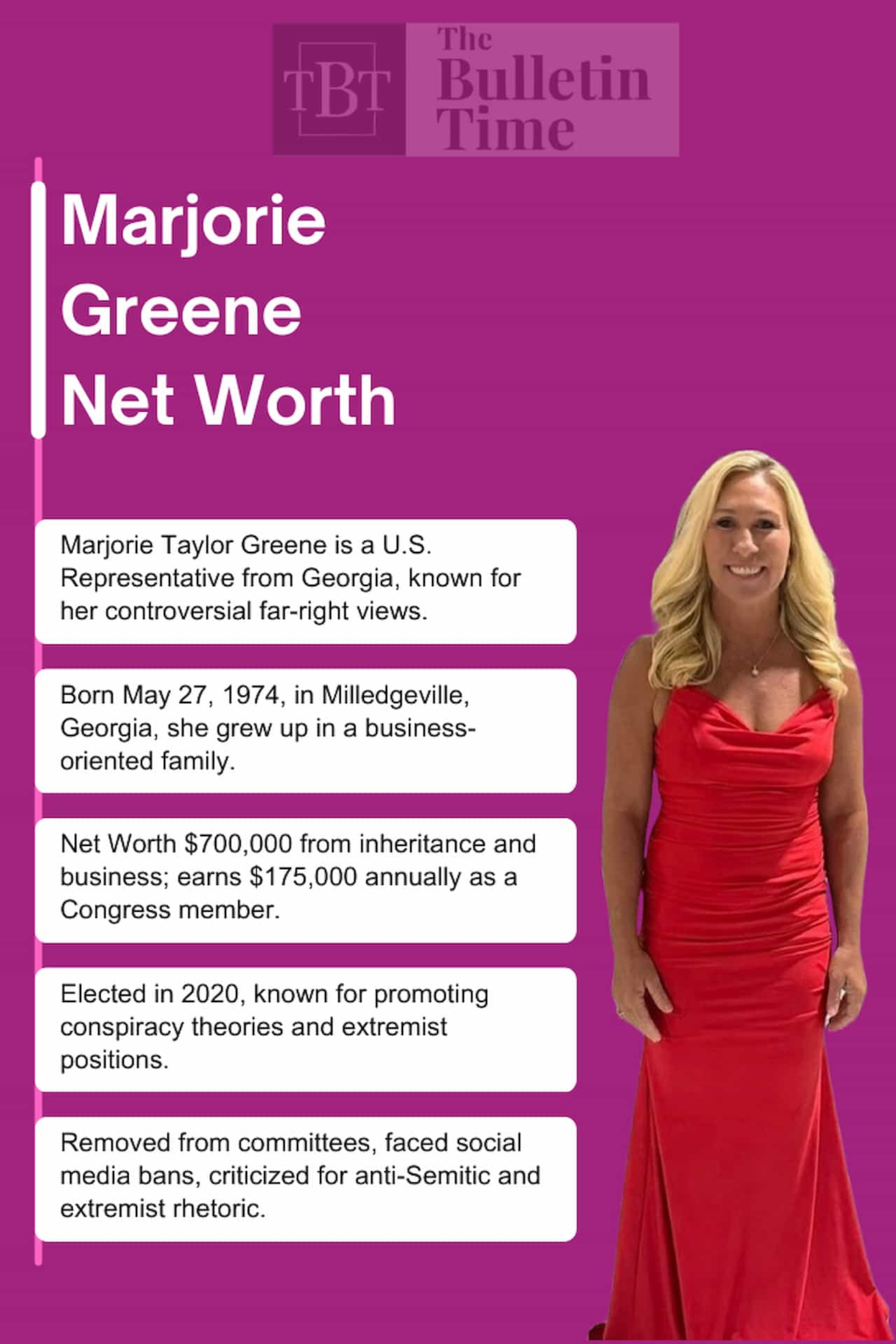
Understanding the Net Worth and Financial Profile of Perry Greene
There is no publicly verifiable record or official financial disclosure establishing a specific net worth for Perry Greene. In the context of private individuals and figures who do not hold executive positions at publicly traded compan...
There is no publicly verifiable record or official financial disclosure establishing a specific net worth for Perry Greene. In the context of private individuals and figures who do not hold executive positions at publicly traded companies or participate in high-stakes public litigation, personal wealth remains non-public information. Estimates circulating in informal online databases are speculative and lack foundation in audited financial statements or regulatory filings.
Contents
The Nature of Personal Financial Privacy
In the United States and most international jurisdictions, an individual’s net worth is a private matter unless they are required to disclose it through specific regulatory channels. Publicly traded companies, for instance, are mandated by the Securities and Exchange Commission (SEC) to disclose the compensation and stock holdings of their executive officers and directors via proxy statements. When an individual does not serve in such a capacity, there is no legal obligation for them to provide the public with access to their balance sheets, tax returns, or personal investment portfolios.
The term "net worth" is technically defined as the difference between total assets—such as real estate, cash, stocks, and business interests—and total liabilities, including mortgages, loans, and other debts. Because these variables fluctuate based on market conditions and personal financial decisions, any figure assigned to a private citizen without access to their personal documentation is mathematically impossible to verify.
Why Online Estimates Often Lack Accuracy
The internet is host to numerous websites that aggregate data on the net worth of celebrities, public figures, and private individuals. These sites typically operate on an advertising-driven model, which incentivizes the creation of content for high-volume search queries. Users should be aware of several factors that limit the credibility of such estimates:
- Algorithmic Guessing: Many "net worth" calculators utilize automated algorithms that scrape information from social media, public records, and news articles to estimate wealth. These tools cannot account for private debt, hidden assets, or complex tax liabilities.
- Lack of Primary Documentation: Reliable financial reporting requires access to primary sources such as SEC filings, corporate records, or direct personal statements. Automated platforms rarely perform the investigative work necessary to verify these details.
- The "Celebrity Baseline" Effect: Algorithms often assign a baseline wealth estimate based on an individual’s profession or public visibility. If an individual shares a name with a well-known public figure, they may be mistakenly attributed with that figure's financial profile.
Distinguishing Public Figures from Private Individuals
The financial profile of a public official or a high-ranking corporate executive is subject to intense scrutiny, often mandated by law to prevent conflicts of interest. For example, politicians often file financial disclosure reports that itemize assets and income sources. However, for private citizens, the absence of public financial data is the standard.
When searching for the net worth of individuals who do not fall into the category of major business magnates or public officials, it is essential to consider the distinction between "public interest" and "public availability." While a reader may have a curiosity about an individual's financial standing, that curiosity does not translate into the existence of verifiable, accurate, or publicly available data.
Evaluating Financial Information Sources
When navigating information regarding financial status, it is helpful to categorize the quality of the information being presented. The following table illustrates the hierarchy of reliability in financial reporting.
| Source Type | Reliability | Typical Content |
|---|---|---|
| Regulatory Filings (e.g., SEC) | High | Official, audited, and legally binding financial data. |
| Institutional Reports | High | Quarterly earnings, annual reports, and proxy statements. |
| Professional Journalism | Moderate | Investigative reporting based on interviews and confirmed records. |
| Aggregator Websites | Low | Speculative estimates, unverified data, and algorithm-based guesses. |
Practical Steps for Researching Financial Profiles
If you are conducting professional research—perhaps for due diligence or business context—relying on third-party net worth calculators is rarely an effective strategy. Instead, consider these more accurate approaches to understanding an individual’s professional standing:
- Professional Presence: Search for the individual on professional platforms such as LinkedIn or industry-specific registries. These provide insight into an individual’s career trajectory, current role, and professional affiliations.
- Corporate Registries: If the individual is known to be a business owner, searching state-level Secretary of State business search tools can confirm their involvement in corporate entities.
- Legal and Public Records: In cases of significant business activity, court dockets or property records may provide clues about asset ownership, though these are limited and do not provide a total net worth.
Frequently Asked Questions
Are online net worth estimates generally accurate? No. Most online estimates for non-celebrity or private individuals are speculative. They lack access to private bank accounts, tax filings, and debt structures, rendering them mathematically unreliable.
Why is it difficult to find information on Perry Greene? Information on private individuals is not publicly indexed unless the person has opted to disclose that information or has been involved in high-profile public financial events. If such events haven't occurred, no authoritative record exists.
Should I use net worth as a measure of professional credibility? Net worth is rarely an indicator of professional expertise or reliability. A person's reputation, career achievements, and professional track record are far more useful metrics for evaluating an individual than their estimated wealth.
How can I verify the financial status of a business partner? To verify a potential partner's financial health, request audited financial statements, tax returns (if appropriate), or a letter of good standing from their bank. Always consult with a legal or financial advisor before entering into significant financial agreements.
Is it possible that Perry Greene is a public figure? If you are searching for an individual who is a public figure, look for their official biography, public filings, or press releases from their representative organizations. If these sources do not list financial figures, it is a strong indicator that such data is not intended for public consumption.
Recommendation
If you are attempting to research this individual for professional purposes, shift your focus from speculative financial metrics to verified professional achievements. Relying on websites that promise specific wealth figures often results in misinformation. For professional interactions, rely on primary source documentation, such as corporate filings or verified professional credentials, rather than speculative net worth reports.
Image Gallery