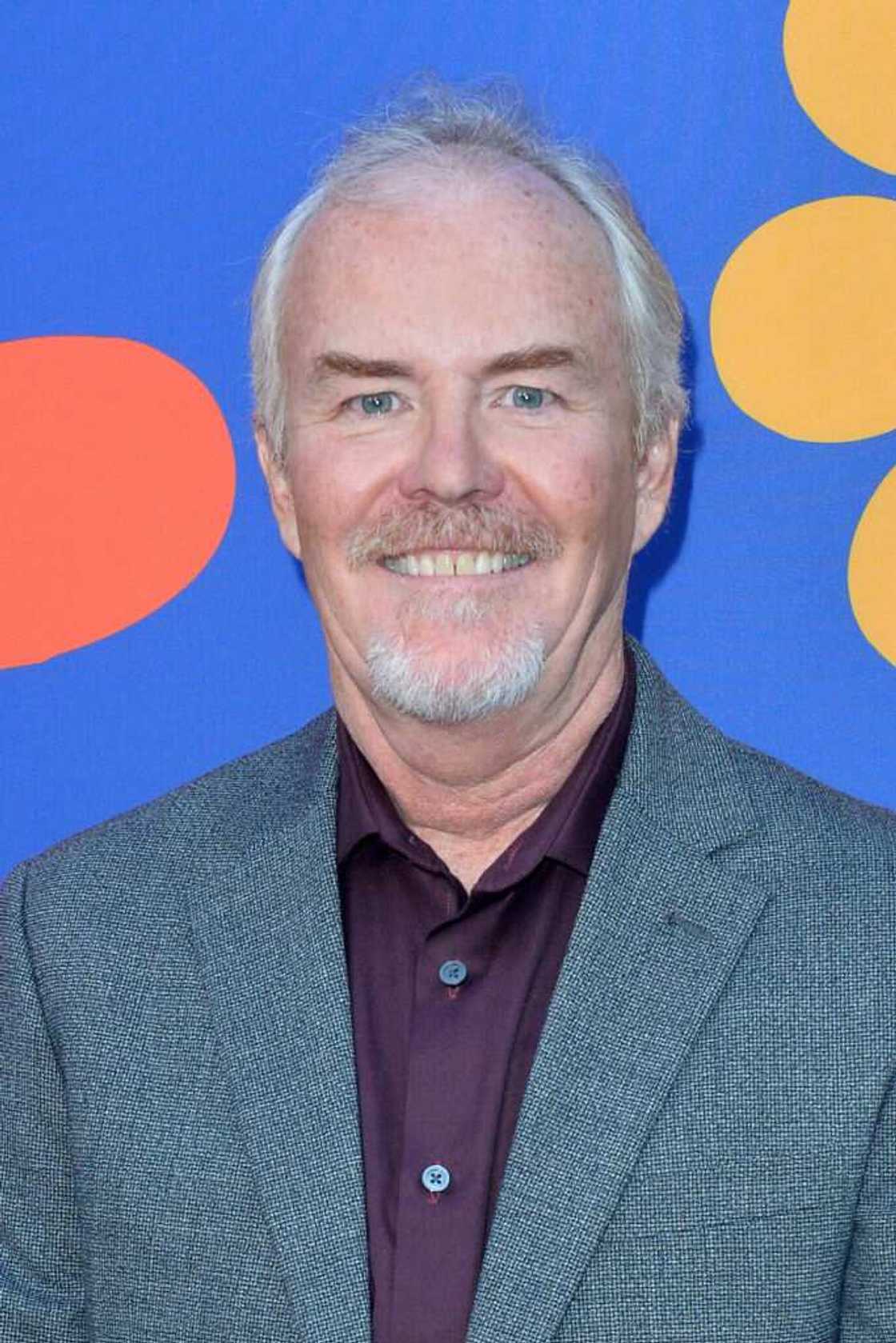
Mike Lookinland’s Net Worth: A Detailed Fact Profile of the Brady Bunch Star
As of 2026, Mike Lookinland’s net worth is estimated to be approximately $2 million. This wealth is the result of a diverse career spanning his iconic role as Bobby Brady on The Brady Bunch, a long-standing career as a television camer...
As of 2026, Mike Lookinland’s net worth is estimated to be approximately $2 million. This wealth is the result of a diverse career spanning his iconic role as Bobby Brady on The Brady Bunch, a long-standing career as a television camera operator, and his successful transition into entrepreneurship through his decorative concrete business, "Just Add Water," based in Salt Lake City.
Contents
The journey of Mike Lookinland from a bowl-cut child star to a successful businessman and behind-the-scenes technician offers a unique look at the financial trajectory of 1970s television icons. Unlike many child stars who struggled with the transition to adulthood, Lookinland leveraged his fame into a stable, multi-faceted career that prioritized professional longevity over the fleeting nature of Hollywood stardom. This profile examines the specific components of his wealth, the evolution of his career, and how a "Brady" manages their legacy in 2026.
The Foundation of Wealth: The Brady Bunch Era (1969–1974)
Mike Lookinland’s primary claim to fame remains his role as the youngest brother, Bobby Brady. While The Brady Bunch is one of the most successful syndicated shows in television history, the financial reality for the cast during its original run was quite different from the mega-contracts seen in modern television.
Acting Salaries in the 1970s
During the show's original production from 1969 to 1974, the child actors were paid according to standard SAG (Screen Actors Guild) rates of the time. While these were significant sums for a child—often far exceeding what an average adult earned—they did not equate to the millions of dollars per episode earned by modern sitcom stars. Much of Lookinland’s early earnings were placed in trust accounts, as required by California’s Coogan Law, ensuring he had a financial cushion when the series concluded.
The Residual Loophole
One of the most discussed aspects of the Brady cast’s wealth is the lack of long-term residuals. In the early 1970s, contracts typically limited residuals to a fixed number of reruns. Once The Brady Bunch hit its sixth or seventh cycle of syndication, the actors stopped receiving checks for the original episodes. Consequently, while the show continued to generate millions for the studio, Lookinland and his castmates did not see a proportional share of that ongoing revenue. This fact necessitated a post-acting career for almost all the "Brady kids."
Diversifying the Portfolio: Behind the Camera
Following the end of the original series and its various spin-offs, such as The Brady Bunch Variety Hour and The Bradys (1990), Lookinland made a strategic decision to stay in the entertainment industry but move behind the lens. This move provided a steady, union-protected income that many of his peers lacked.
Career as a Camera Operator
For over two decades, Lookinland worked as a professional camera operator. This role is a highly technical, skilled position within the film and television industry. Working on sets in Utah and across the United States, he contributed to various television movies and series. A senior camera operator in the IATSE (International Alliance of Theatrical Stage Employees) can earn a significant annual salary, often ranging from $100,000 to $150,000 depending on the volume of work and the nature of the productions.
By choosing a technical trade, Lookinland avoided the "boom and bust" cycle of acting. His technical expertise in framing, focus pulling, and equipment maintenance became a primary driver of his middle-age earnings, contributing steadily to his growing net worth throughout the 1990s and 2000s.
Entrepreneurship: The "Just Add Water" Business
The most significant shift in Lookinland’s financial profile occurred when he left the film industry to pursue a passion for craftsmanship. He founded "Just Add Water," a company specializing in decorative concrete, based in Salt Lake City, Utah.
The Business of Decorative Concrete
Decorative concrete is a niche market in the construction and home renovation industry. It involves specialized techniques such as:
- Concrete Staining: Applying chemical stains to create earthy tones and marbling effects.
- Stamping: Texturing wet concrete to mimic stone, brick, or slate.
- Microtoppings: Thin layers of polymer-modified cement used to resurface existing slabs.
Lookinland’s transition into this field was not merely a hobby; it was a full-scale business venture. High-end decorative concrete work can command premium pricing, with projects often ranging from $5,000 to over $50,000 for custom residential or commercial installations. By serving as both the owner and a hands-on craftsman, Lookinland maximized his profit margins and built a reputable brand in the Utah construction market.
The "Brady" Brand and Modern Revenue Streams
Even as a businessman, Lookinland remains a part of the "Brady" legacy. This association continues to provide financial opportunities through reunions, documentaries, and specialized projects.
HGTV and A Very Brady Renovation
One of the most substantial financial events for the Brady cast in recent years was the 2019 HGTV series, A Very Brady Renovation. The network purchased the original house used for exterior shots and hired the six surviving cast members to renovate the interior to match the studio sets perfectly.
Industry analysts suggest that the cast members were paid significant appearance fees for the series, likely in the mid-to-high five-figure range per episode. Furthermore, the show’s massive success revitalized the "Brady" brand, leading to increased demand for personal appearances, autographs, and voice work, all of which command professional fees.
Autograph Circuits and Memorabilia
The nostalgia market is a consistent source of secondary income. Conventions such as Comic-Con or specialized "Nostalgia Fairs" pay stars for their presence. A star of Lookinland’s caliber can earn between $5,000 and $20,000 for a weekend appearance, supplemented by the sale of autographed photos and memorabilia.
Financial Comparison: The Brady Siblings
To understand Mike Lookinland’s net worth in context, it is helpful to look at how the other "Brady kids" have fared financially as of 2026. While their paths have differed, most have found stability through a mix of entertainment and external business ventures.
| Cast Member | Character | Primary Income Source | Estimated Net Worth (2026) |
|---|---|---|---|
| Barry Williams | Greg Brady | Theater, Music, Media | $4.0 Million |
| Maureen McCormick | Marcia Brady | Acting, Reality TV, Writing | $3.5 Million |
| Christopher Knight | Peter Brady | Tech Industry, Home Goods | $10.0 Million |
| Eve Plumb | Jan Brady | Fine Art, Acting | $5.0 Million |
| Mike Lookinland | Bobby Brady | Concrete Business, Production | $2.0 Million |
| Susan Olsen | Cindy Brady | Radio, Art, Acting | $1.5 Million |
Note: Figures are estimates based on historical earnings, business valuations, and industry reporting.
Analyzing the $2 Million Valuation
The $2 million figure for Mike Lookinland is reflective of a "working professional" net worth rather than "Hollywood elite" wealth. It is comprised of several asset classes:
- Real Estate Equity: Lookinland has lived in the Salt Lake City area for many years. The appreciation of Utah real estate over the last decade has significantly bolstered his net worth. A primary residence in a desirable Salt Lake neighborhood can easily represent $800,000 to $1.2 million of his total value.
- Business Valuation: "Just Add Water" is a tangible asset. While small businesses are often valued based on their equipment and annual revenue, a successful, decades-old contracting firm adds several hundred thousand dollars to an individual's financial profile.
- Retirement and Union Pensions: His years as a camera operator earned him credits toward an IATSE pension. These union pensions are among the most robust in the entertainment industry, providing a reliable income stream in his later years.
- Investment Portfolio: Like most prudent earners, Lookinland has likely invested a portion of his acting and production income into diversified portfolios (stocks, bonds, and mutual funds).
Frequently Asked Questions
Does Mike Lookinland still receive royalties from The Brady Bunch?
As of 2026, Lookinland receives very little, if any, income from the original Brady Bunch episodes due to the nature of 1970s contracts. However, he does receive residuals for more modern appearances, voice work, and recent spin-offs or specials like the HGTV renovation project.
Is Mike Lookinland still in the concrete business?
While he has reached an age where many consider retirement, Lookinland has historically remained active in his business, "Just Add Water." In recent years, he has moved more into a consultative or supervisory role, allowing his reputation and established brand to carry the business forward.
How did Mike Lookinland’s role as a camera operator affect his wealth?
His career as a camera operator was foundational to his financial stability. It provided him with a steady "day job" with union benefits, health insurance, and a pension, which allowed him to avoid the financial instability often associated with former child actors.
Did the HGTV show significantly increase his net worth?
Yes, A Very Brady Renovation was a significant financial event. Beyond the direct payment for appearing in the show, the massive viewership increased his "marketability" for other nostalgia-based projects and public appearances, which are high-margin income sources.
Where does Mike Lookinland live today?
Mike Lookinland resides in Utah. He moved there in the late 1980s to find a lifestyle away from the Hollywood spotlight and to pursue his interest in the outdoors and his technical career.
Final Perspective: A Lesson in Financial Longevity
Mike Lookinland’s financial story is one of pragmatism. While he achieved fame at a young age, he did not rely solely on his "Bobby Brady" persona to sustain him for the next five decades. By diversifying into a technical trade (camera operation) and a service-based business (concrete), he built a net worth that is grounded in tangible skills rather than just celebrity.
For those looking to understand the reality of fame, Lookinland serves as a model of how to navigate the "afterlife" of a child star. His $2 million net worth in 2026 represents a life of hard work, smart transitions, and a healthy relationship with a legacy that continues to bring joy to millions.
Image Gallery