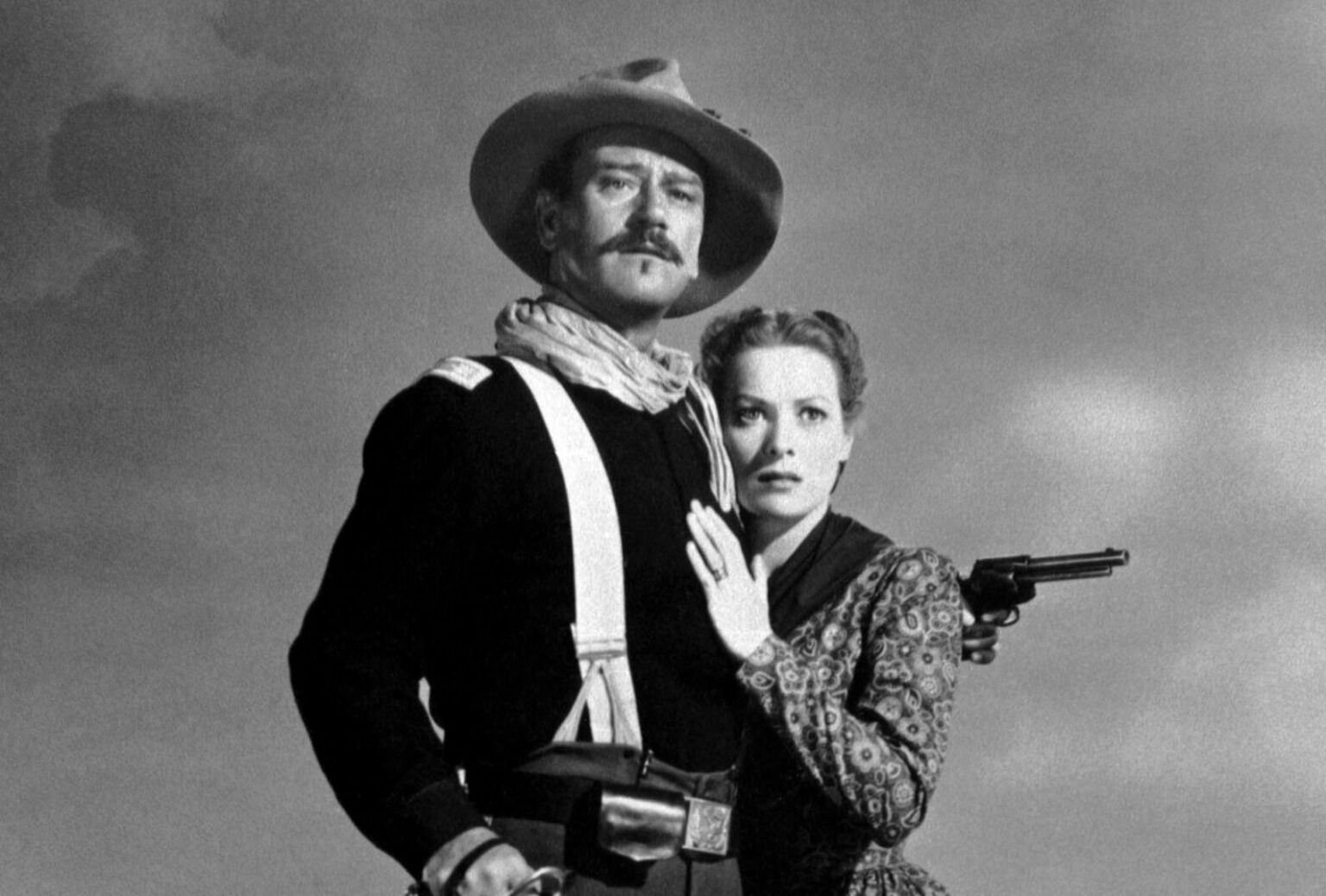
John Wayne’s Childhood Facts Revealed: The Making of an American Icon
Born Marion Robert Morrison in 1907, John Wayne transformed from a modest boy in the American Midwest into the definitive symbol of Western heroism. His early years were defined by frequent relocations, financial instability, and a rig...
Born Marion Robert Morrison in 1907, John Wayne transformed from a modest boy in the American Midwest into the definitive symbol of Western heroism. His early years were defined by frequent relocations, financial instability, and a rigorous upbringing that fostered the physical discipline and stoicism he later projected on screen. Understanding his childhood requires separating the carefully curated studio mythos from the documented records of the Morrison family.
Contents
The Early Years: From Winterset to the Mojave Desert
Marion Robert Morrison was born on May 26, 1907, in Winterset, Iowa. His parents, Clyde Leonard Morrison and Mary "Molly" Alberta Brown, were a pharmacist and a homemaker, respectively. While the popular narrative often portrays Wayne as a child of the open range, his early life was far more conventional, marked by the steady rhythms of a Midwestern town.
However, the family’s stability was short-lived. Due to Clyde Morrison’s declining health—specifically chronic respiratory issues—the family relocated to the warmer climate of Southern California in 1911. They initially settled in Palmdale, where they attempted to homestead. This period proved formative and grueling; the young Morrison and his younger brother, Robert, lived in a harsh, high-desert environment that lacked modern conveniences. The failed homesteading venture necessitated another move, eventually landing the family in Glendale, California, in 1916.
The Origins of the Moniker "Duke"
One of the most persistent facts about Wayne’s childhood is the origin of his lifelong nickname, "Duke." As a boy growing up in Glendale, he frequently spent time at the local fire station, where he was accompanied by his Airedale Terrier, named "Duke." The local firefighters, noting the boy’s constant companion, began referring to him as "Little Duke," and eventually, simply "Duke." The name stuck, persisting long after the dog had passed and even after his professional transition to the stage name "John Wayne." This anecdote serves as a primary example of how his early, grounded life in California established the persona he would carry into his professional adulthood.
Educational Foundation and Athletic Prowess
During his adolescence in Glendale, the future star emerged as a notable student and athlete. He attended Glendale Union High School, where his physical stature became a defining characteristic. Standing well over six feet by his senior year, he was a standout player on the high school football team. This athletic background was not merely a hobby; it was a pathway to higher education.
In 1925, he secured an athletic scholarship to the University of Southern California (USC). At USC, he majored in pre-law and continued his football career under the guidance of coach Howard Jones. This period was crucial for his later career, as it was through his role as a student worker at the Fox Film Corporation—a job he took during the summers to make ends meet—that he first encountered the world of filmmaking. He worked as a prop boy and became acquainted with director John Ford, a relationship that would become the cornerstone of his professional trajectory.
The Loss of the Scholarship
A significant, often-overlooked fact of his youth is the loss of his football scholarship. While accounts vary slightly, it is generally accepted that a bodysurfing accident at Newport Beach resulted in a shoulder injury that sidelined him, subsequently leading to the forfeiture of his athletic grant. This loss proved to be a pivot point in his life; unable to continue his studies due to the financial strain, he transitioned into the film industry full-time. The transition from student athlete to "grip" at the studio marked the end of his formal childhood and the beginning of his evolution into John Wayne.
Family Dynamics and Resilience
The home life of the Morrison family was, by most accounts, strained. His parents’ marriage was unhappy, characterized by frequent disagreements and a lack of emotional warmth. This environment forced the young Marion to develop an early sense of independence and self-reliance. He often took on responsibilities beyond his age, including helping his father in the pharmacy and managing chores in the desert homestead.
Historians often point to these years as the crucible of his "stoic" personality. The expectation to suppress emotion and prioritize duty—traits ingrained by the necessity of his upbringing—would eventually manifest in the iconic, tight-lipped characters he portrayed in films like Stagecoach and The Searchers.
Comparative Analysis of Childhood Influences
| Life Stage | Primary Location | Key Influence | Impact on Future Career |
|---|---|---|---|
| Early Childhood | Winterset, Iowa | Conventional stability | Provided a "normal" baseline |
| Pre-Adolescence | Palmdale, California | Desert homesteading | Taught manual labor/endurance |
| Adolescence | Glendale, California | Athletics/Fire Department | Developed physical presence/nickname |
| Young Adulthood | Los Angeles, California | USC/Fox Studio jobs | Initiated professional film industry entry |
Frequently Asked Questions
Did John Wayne grow up on a ranch?
No. Despite his screen image as a cowboy, he grew up in towns and cities. His only experience with anything resembling a "ranch" was his family’s short-lived and unsuccessful attempt at homesteading in the Mojave Desert, which was significantly more grueling and less romantic than the cattle ranches depicted in his later films.
Was he actually named John Wayne at birth?
No. He was born Marion Robert Morrison. The name "John Wayne" was an invention of the Fox Film Corporation. When he was cast in the 1930 film The Big Trail, director Raoul Walsh and studio executives decided that "Marion Morrison" was not a suitable name for a leading man, leading to the adoption of the moniker "John Wayne."
How did his father’s health affect his childhood?
His father, Clyde Morrison, suffered from severe respiratory problems, which were the primary driver for the family's migration from Iowa to the arid climate of Southern California. This forced the family into a nomadic lifestyle of frequent moves, creating financial instability and causing the future actor to change schools multiple times throughout his youth.
Did he ever practice law?
No. While he was a pre-law student at the University of Southern California on a football scholarship, he never graduated or pursued a legal career. His studies were cut short when his football scholarship was terminated following a surfing injury, forcing him to seek employment, which led him into the film industry.
What kind of student was he?
By most historical accounts, he was a solid student who excelled in extracurriculars. His focus was primarily directed toward athletics—specifically football—and his social life. He was well-liked by his peers and was involved in school activities, though he was not characterized as an academic scholar.
Recommendation for Further Research
To gain a clearer understanding of how his early life informed his career, readers should consult the records of the "John Wayne Birthplace & Museum" in Winterset, Iowa. While many biographies contain anecdotal embellishments, the museum archives provide primary-source verification of his early residence and family status. For those interested in the transition from his youth to his professional career, the records of his time at USC and early studio ledgers offer the most objective evidence of his trajectory before achieving international stardom.
Image Gallery