The Significance of Simón Bolívar’s Contributions: How "El Libertador" Reshaped the Americas
Simón Bolívar’s historical significance lies in his leadership of the military campaigns that ended three centuries of Spanish colonial rule across northern South America. Known as "El Libertador" (The Liberator), he secured the indepe...
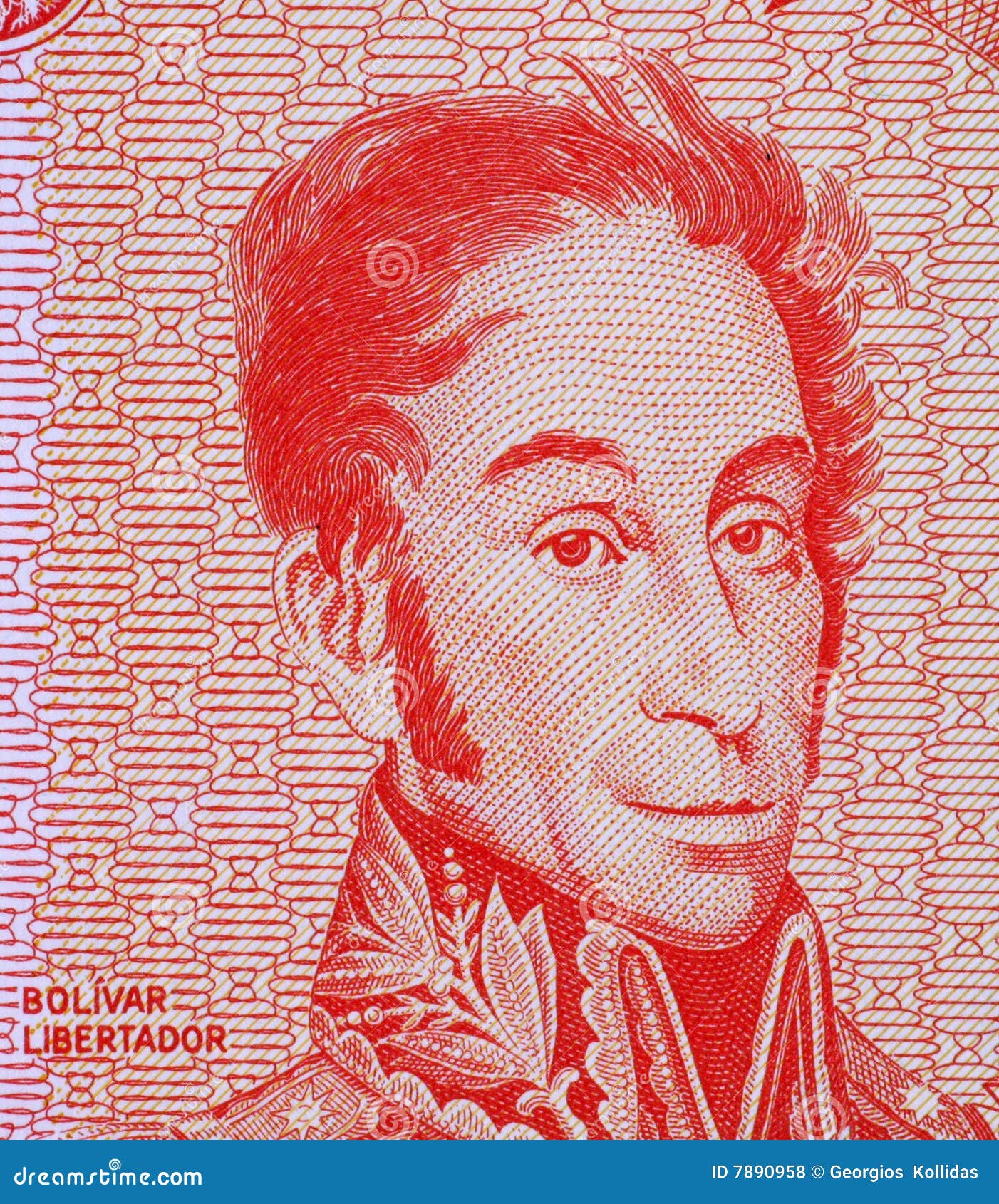
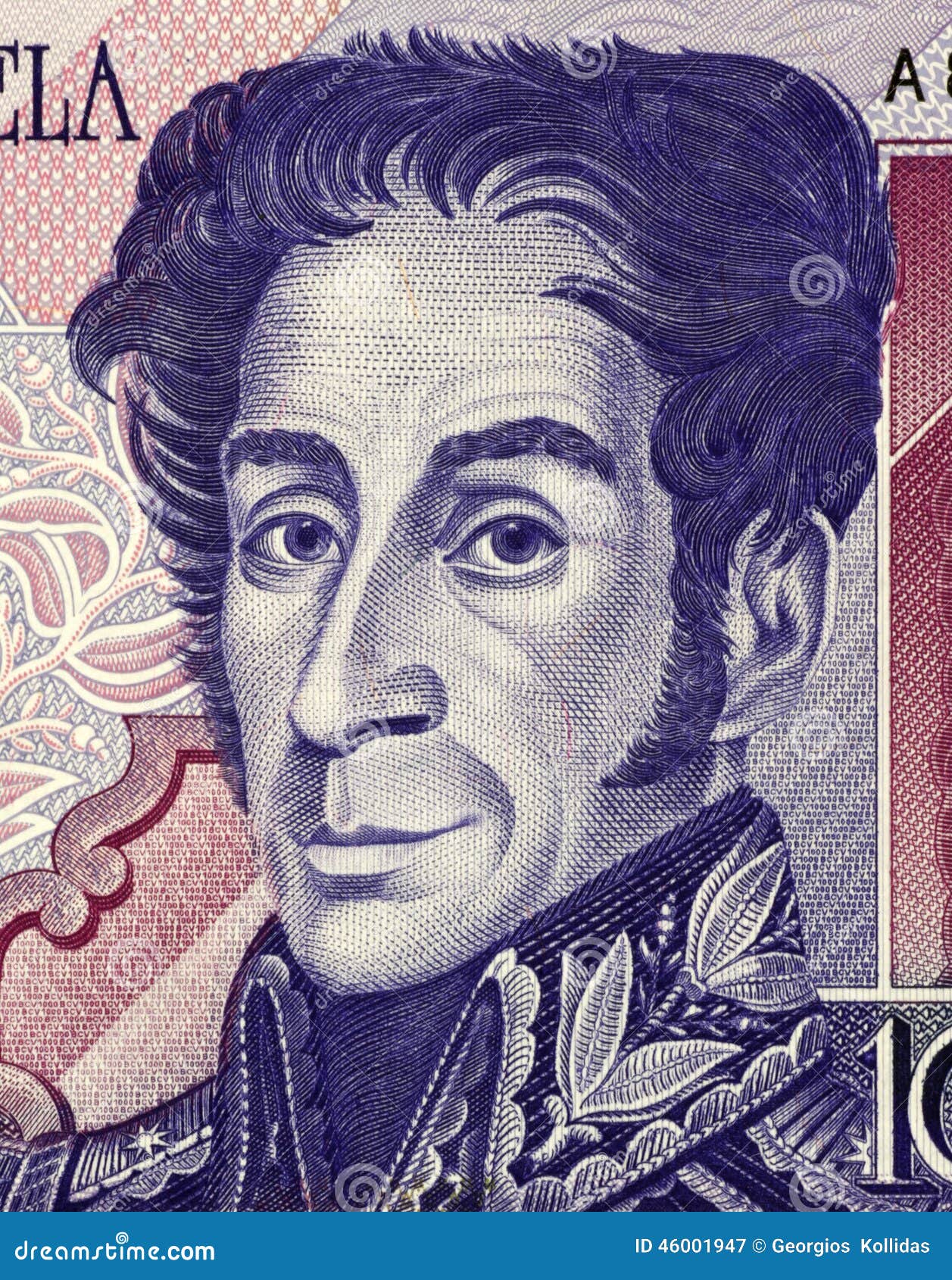
Simón Bolívar’s historical significance lies in his leadership of the military campaigns that ended three centuries of Spanish colonial rule across northern South America. Known as "El Libertador" (The Liberator), he secured the independence of six modern nations—Venezuela, Colombia, Ecuador, Panama, Peru, and Bolivia—while pioneering early concepts of Pan-American unity, constitutional republicanism, and continental solidarity.
Contents
Military Liberation Campaigns: Breaking Spanish Colonial Rule
Simón Bolívar (1783–1830) executed one of the most ambitious military campaigns in modern history, operating across rugged geography ranging from dense tropical lowlands to high Andean passes. His campaigns dismantled the Viceroyalty of New Granada and the Viceroyalty of Peru, systematically eliminating the Spanish Crown's military stronghold in South America.
The Admirable Campaign and the Cartagena Manifesto (1812–1813)
Following the collapse of the First Republic of Venezuela in 1812, Bolívar published the Cartagena Manifesto. In this seminal document, he analyzed the structural weaknesses that caused the republic's fall, pointing specifically to factionalism, a lack of centralized military authority, and an idealistic constitution unsuited for wartime conditions.
In 1813, Bolívar launched the Admirable Campaign (Campaña Admirable), a swift military offensive that retook western Venezuela and entered Caracas, where he was formally bestowed the title of El Libertador. During this period, he issued the controversial Decree of War to the Death (Decreto de Guerra a Muerte), a tactical decree aimed at forcing native-born Spanish Americans to choose explicitly between the independence cause and royalist allegiance.
- Cartagena Manifesto (1812)
- Admirable Campaign (1813)
- Decree of War to the Death
Crossing the Andes and the Battle of Boyacá (1819)
One of Bolívar’s most notable strategic maneuvers occurred in mid-1819. Leading an army of roughly 2,500 soldiers—including native infantry, cavalry, and British Legion volunteers—he marched through flooded plains and crossed the high-altitude Páramo de Pisba in the Andes Mountains.
The unexpected arrival of his forces in New Granada caught royalist troops unprepared. On August 7, 1819, at the Battle of Boyacá, Bolívar’s forces cut off the royalist retreat toward Bogotá, securing a decisive victory that effectively ended Spanish control over central New Granada and provided the financial and territorial base for his broader unification plans.
- March across Páramo de Pisba
- Surprise Arrival in New Granada
- Victory at Boyacá (1819)
Decisive Victories: Carabobo, Pichincha, and Ayacucho
Following Boyacá, Bolívar pursued a multi-front campaign to clear remaining royalist forces across northern and western South America:
- Battle of Carabobo (June 24, 1821): Bolívar’s combined forces crushed the primary Spanish army in Venezuela, guaranteeing Venezuelan independence and allowing the formal consolidation of the Republic of Gran Colombia.
- Battle of Pichincha (May 24, 1822): Operating under Bolívar’s direct strategic authorization, General Antonio José de Sucre defeated royalist forces on the slopes of the Pichincha volcano, liberating Quito (modern-day Ecuador).
- Battles of Junín and Ayacucho (1824): After meeting with Southern Liberator José de San Martín at the Guayaquil Conference in 1822, Bolívar assumed sole command of the liberation campaign in Peru. In December 1824, Sucre achieved a decisive victory at the Battle of Ayacucho, capturing the Spanish Viceroy and ending major royalist military presence on the South American continent.
Political Vision and Governance: Ideology, Constitutions, and Pan-Americanism
Bolívar’s contributions extend beyond military conquests. He was an influential political philosopher whose writings and constitutional drafts shaped nineteenth-century statecraft across Latin America.
Evolution of Bolívar's Political Thought:
- Jamaica Letter (1815)
- Geopolitical analysis
- Critique of ideal democracy
- Angostura Address (1819)
- Strong central power
- Hereditary senate idea
- Panama Congress (1826)
- Continental alliance
- Early Pan-Americanism
The Jamaica Letter (1815): Prophetic Geopolitical Analysis
Written during exile in Kingston, Jamaica, the Jamaica Letter (Carta de Jamaica) remains one of the most cited documents in Pan-American political literature. In it, Bolívar responded to a British correspondent by providing a broad political survey of the Spanish Empire.
He articulated several key arguments:
- Rejection of Absolute Monarchy and Direct Democracy: He argued that centuries of Spanish paternalism had prevented Spanish Americans from developing administrative experience, making immediate direct democracy impractical and prone to anarchy.
- Geopolitical Predictions: Bolívar accurately forecast the division of Spanish America into distinct sovereign republics, predicting that Mexico would adopt a monarchy or powerful executive, Central America would form a federation, and Gran Colombia would emerge as a major regional power.
The Congress of Angostura (1819) and the Gran Colombia Experiment
At the Congress of Angostura, Bolívar presented his vision for the legal structure of newly independent states. He advocated a political system designed to balance liberty with stability:
- Centralized Executive: A strong president capable of maintaining order across vast, fractured territories.
- Bicameral Legislature: A senate featuring hereditary seats to insulate the legislative body from sudden populist shifts.
- The "Moral Power": A proposed fourth branch of government responsible for promoting public virtue, education, and civic duty.
This congress led to the creation of Gran Colombia (La República de Colombia), a unified state encompassing present-day Colombia, Venezuela, Ecuador, and Panama. Gran Colombia served as a major regional power from 1819 until its dissolution in 1831 due to regional rivalries and internal political disagreement.
The Congress of Panama (1826): The Blueprint for Pan-American Unity
In 1826, Bolívar convened the Congress of Panama, inviting representatives from independent American nations to form a league of republics. The assembly produced the Treaty of Union, League, and Perpetual Confederation, which proposed:
- A common military defense force to protect member nations against foreign invasion.
- A permanent assembly of plenipotentiaries to mediate inter-state disputes.
- The abolition of the slave trade among participating member states.
Although only Gran Colombia ratified the treaty, the Congress of Panama established the foundational principles of modern Pan-Americanism, anticipating twentieth-century international institutions like the Organization of American States (OAS).
Summary of Bolívar’s Core Contributions and Their Regional Impact
| Category of Contribution | Key Historical Action / Event | Direct 19th-Century Outcome | Long-Term Historical & Geopolitical Impact |
|---|---|---|---|
| Military Leadership | Admirable Campaign, Crossing of the Andes, Battles of Boyacá, Carabobo, and Ayacucho | Eradicated Spanish imperial forces across six South American territories | Established sovereign independence for Venezuela, Colombia, Ecuador, Panama, Peru, and Bolivia |
| Political Philosophy | Writing of the Cartagena Manifesto (1812) and Jamaica Letter (1815) | Provided theoretical framework for Latin American independence and anti-colonial governance | Shaped 19th- and 20th-century political debates regarding centralism versus federalism in Latin America |
| State Building | Founding of the Republic of Gran Colombia (1819–1831) | Created a unified, multi-regional republic in northern South America | Demonstrated both the potential and challenges of large-scale regional integration |
| International Diplomacy | Organization of the Congress of Panama (1826) | Drafted the first multilateral defense and unity treaties in the Western Hemisphere | Established the precedent for modern Pan-American diplomatic institutions (e.g., OAS) |
| Constitutional Framing | Drafting of the Bolivian Constitution of 1826 | Introduced centralized executive models featuring lifetime presidencies | Influenced constitutional design debates regarding political stability versus autocratic overreach |
Complexities and Contradictions in Bolívar’s Legacy
While Bolívar is widely celebrated as a national hero across South America, modern historians evaluate his career through a balanced lens that acknowledges significant political paradoxes and limitations.
Authoritarian Powers vs. Republican Ideals
Bolívar’s political philosophy increasingly prioritized order over democratic process as regional factionalism increased. Facing secessionist movements in Venezuela (led by General José Antonio Páez) and political gridlock at the Convention of Ocaña in 1828, Bolívar declared himself dictator of Gran Colombia under the Organic Decree of 1828.
Critics and political opponents, including his former Vice President Francisco de Paula Santander, accused Bolívar of pursuing monarchical ambitions. Santander favored strict adherence to constitutional legality and civilian rule, causing a deep political schism that led to an assassination attempt against Bolívar in September 1828 and the eventual disintegration of Gran Colombia.
- Factional Disputes (1826–1828)
- Failure at Convention of Ocaña
- Decree of Dictatorship (1828)
- Political Collapse of Gran Colombia
Social Reform and Slavery Emancipation
Bolívar’s record on social equality was complex:
- Promises to Alexandre Pétion: In 1816, Haitian President Alexandre Pétion provided Bolívar with troops, arms, and financial backing on the condition that Bolívar abolish slavery in the liberated territories.
- Emancipation Decrees: Bolívar issued several decrees freeing enslaved individuals who joined the patriot armies and called for complete abolition at the Congress of Angostura.
- Implementation Limits: Resistance from landed elites and economic dependance on agricultural labor limited the scope of these decrees. Full abolition of slavery in nations like Colombia and Venezuela was not permanently enacted until the early 1850s.
Long-Term Significance: How Bolívar Shapes Modern Latin America
Simón Bolívar's contributions remain central to the political and cultural identity of Latin America:
- Institutional Naming and Identity: The nation of Bolivia bears his name, as does the official currency of Venezuela (bolívar). Countless provinces, cities, plazas, and universities throughout South America carry his moniker.
- Ideological Foundations (Bolivarianism): Political movements across the ideological spectrum continuously reference "Bolivarianism." While nineteenth-century conservatives emphasized his calls for central authority and order, modern populist and leftist leaders frequently emphasize his anti-imperialism and vision for regional integration.
- The Tradition of Military Leadership in Politics: Bolívar’s reliance on military officers to maintain political order established a precedent in Latin American governance, contributing to the prominent political role of military institutions throughout the nineteenth and twentieth centuries.
Frequently Asked Questions About Simón Bolívar’s Impact
What six modern countries did Simón Bolívar help liberate?
Simón Bolívar led military campaigns and political movements that established independence in Venezuela, Colombia, Ecuador, Panama, Peru, and Bolivia. At the time of liberation, Colombia, Venezuela, Ecuador, and Panama were unified under the single state of Gran Colombia.
What was Gran Colombia and why did it collapse?
Gran Colombia was a sovereign state created in 1819 under Bolívar's leadership, encompassing modern Colombia, Venezuela, Ecuador, and Panama. The republic collapsed in 1831 due to geographic barriers, economic strain from independence wars, and political divisions between centralists (who supported Bolívar's vision of strong national authority) and federalists (who demanded regional autonomy).
Why is Simón Bolívar called "El Libertador"?
Bolívar was officially granted the title El Libertador (The Liberator) by the Municipality of Caracas in 1813 following the success of the Admirable Campaign. The title was later formally confirmed by the Congress of New Granada and remains his most common historical epithet.
How did Bolívar’s political philosophy differ from José de San Martín’s?
While both leaders agreed on the necessity of ending Spanish rule, they differed on post-independence governance models during their historic 1822 meeting in Guayaquil. José de San Martín favored establishing constitutional monarchies led by European princes to maintain political stability in South America, whereas Bolívar insisted on centralized republican states headed by powerful presidents.
What was the main purpose of the 1815 Jamaica Letter?
Bolívar wrote the Jamaica Letter while in exile to analyze the causes of early patriot defeats, critique Spanish colonial governance, outline political structures for future republics, and convince European powers—particularly Great Britain—to provide diplomatic and military support for South American independence.
Recommended Historical Resources
For scholars, educators, and readers seeking to analyze primary documents and academic studies regarding Simón Bolívar’s military strategy and political writings, the following archives offer digitized records:
- The Library of Congress (Hispanic Reading Room): Houses digitized copies of primary correspondence, original maps of Gran Colombia, and early editions of the Jamaica Letter and Angostura Address. Primary documents can be referenced via the official web portal at loc.gov.
- Archivo General de la Nación (Colombia & Venezuela): Official state archives containing administrative records, military directives, and original legislative acts from the independence era.
- UNESCO Memory of the World Register: Preserves the Documentary Heritage of El Libertador Simón Bolívar, providing worldwide public access to verified historical manuscripts.
Image Gallery