Where to Sell an Old Engagement Ring: A Practical 2026 Overview
To sell an old engagement ring in 2026, you should choose between specialized online diamond buyers for the highest secure payout, auction platforms for rare or designer pieces, or local jewelry stores for immediate but lower cash offe...
To sell an old engagement ring in 2026, you should choose between specialized online diamond buyers for the highest secure payout, auction platforms for rare or designer pieces, or local jewelry stores for immediate but lower cash offers. Success requires a professional appraisal and an understanding that resale value typically ranges from 20% to 50% of the original retail price.
Contents
Understanding Your Ring's Resale Value in 2026
The secondary jewelry market in 2026 is defined by a sharp distinction between natural diamonds, lab-grown stones, and precious metals. Before choosing a venue, you must understand that the "appraised value" listed on your insurance policy is not the "market value." Insurance appraisals represent the retail replacement cost, which includes the jeweler's overhead, marketing, and profit margins. In contrast, the resale value is based on the intrinsic value of the materials and the current demand for the specific design.
Natural diamonds continue to hold significant resale value due to their scarcity, whereas the resale market for lab-grown diamonds has become increasingly difficult as production costs have plummeted. If your ring features a lab-grown center stone, expect the majority of your offer to stem from the gold or platinum setting rather than the gem itself. For natural stones, buyers utilize the Rapaport Price List, a global benchmark for diamond pricing, as a starting point before applying "back" percentages (discounts) based on how quickly they can flip the stone in the wholesale market.
The setting also plays a technical role in valuation. Most engagement rings are cast in 14k or 18k gold, or platinum. Buyers calculate the "melt value" by weighing the metal and multiplying it by the current spot price, minus a refining fee. In 2026, with precious metal prices remaining volatile, getting an accurate weight of the metal (excluding the stones) is a critical step in verifying any offer you receive.
Where to Sell: Comparing Primary Channels
The best place to sell depends on your priority: speed, safety, or maximum profit. Each channel operates with different margins and target audiences.
Specialized Online Diamond Buyers
Specialized online buyers, such as Worthy or Abe Mor, have become the gold standard for selling engagement rings in 2026. These platforms act as intermediaries or direct purchasers who specialize in high-value stones.
The process typically involves a remote preliminary estimate based on your GIA (Gemological Institute of America) or IGI report. If you accept the estimate, the platform provides fully insured shipping to their laboratory. Once the ring is physically inspected, they either make a direct offer or place the ring in a private auction where a network of professional wholesalers bids on it. The benefit here is the reach; your ring is seen by hundreds of buyers rather than just one local jeweler. However, this process can take one to two weeks to complete.
Peer-to-Peer Marketplaces
Platforms like eBay, Facebook Marketplace, or specialized sites like Loupe Troop allow you to sell directly to another individual. This method theoretically yields the highest profit because you are cutting out the middleman. By selling to an end-user, you can often capture 50% to 60% of the retail value.
However, the 2026 marketplace is fraught with sophisticated scams. Sellers must navigate fraudulent payment claims, "item not received" disputes, and the physical danger of meeting strangers for high-value transactions. If using this route, always use a third-party escrow service and meet only at designated "Safe Exchange Zones" at local police stations. Be prepared for the process to take months, as finding a buyer who likes your specific style and fits the ring size is statistically difficult.
Local Jewelry Stores and Consignment
Selling to a local independent jeweler is the fastest way to get cash, but it usually results in the lowest offer. Retail jewelers already have access to wholesale diamonds at better prices than you can offer them. They only buy from the public if they can acquire the piece at a "liquidation" price that guarantees a significant profit upon resale.
Consignment is a middle-ground option offered by many local stores. The jeweler displays your ring in their case and takes a commission (typically 20% to 40%) once it sells. This can result in a higher payout than a direct buy-out, but your capital is tied up indefinitely until a buyer walks through the door.
Auction Houses
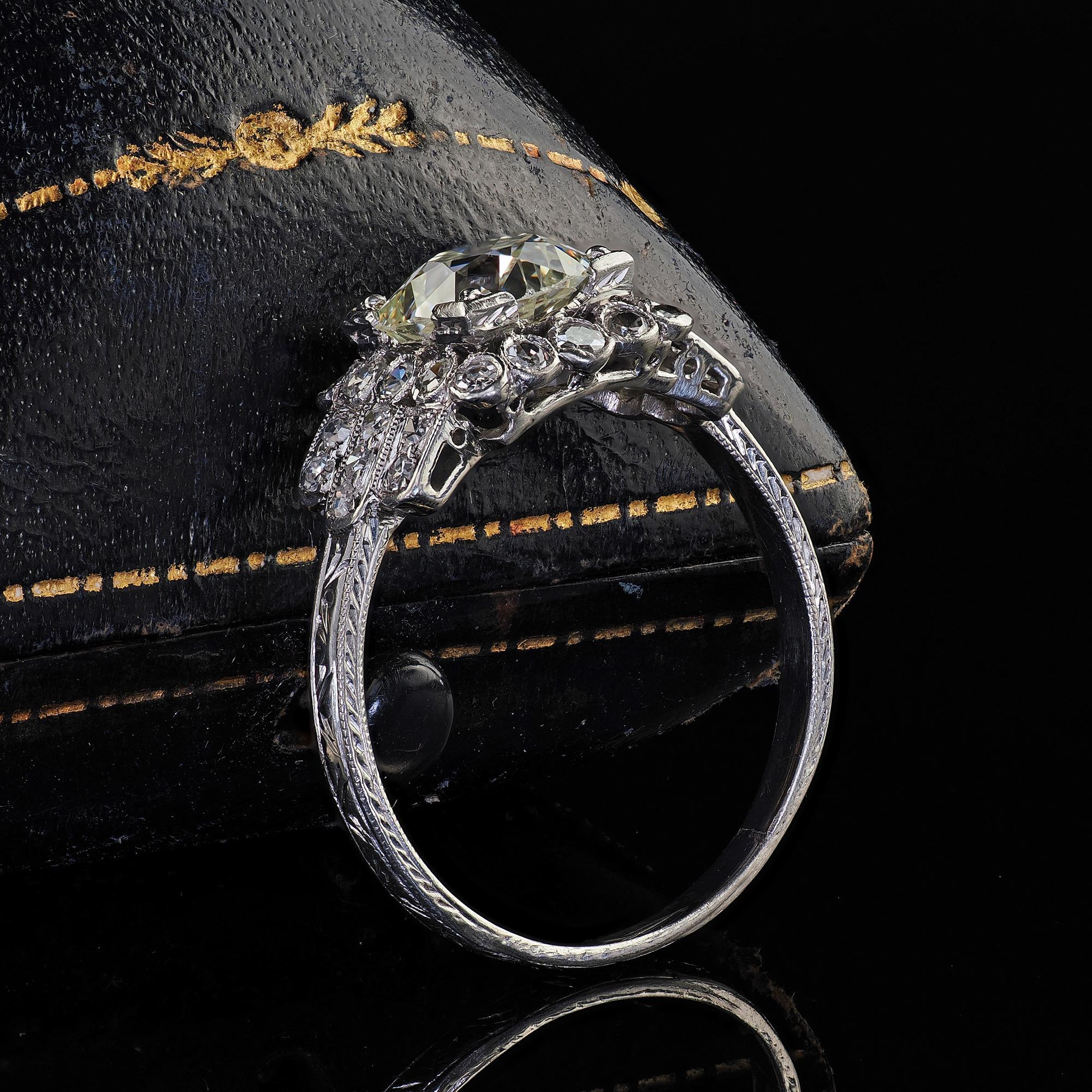
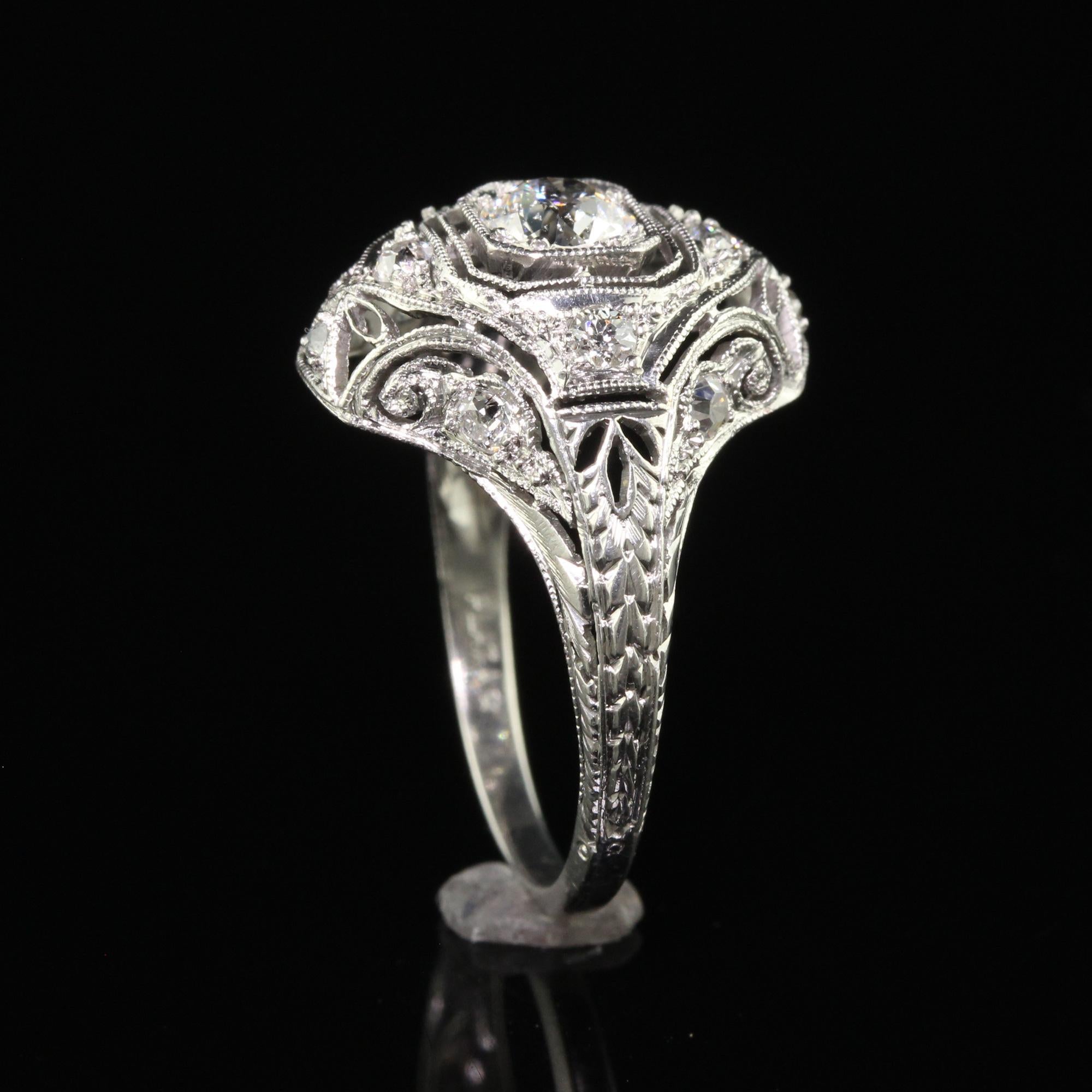
For antique engagement rings (pre-1940s), high-carat natural diamonds (3ct+), or signed pieces from houses like Tiffany & Co., Cartier, or Van Cleef & Arpels, premier auction houses are the most appropriate venue. While houses like Sotheby's or Christie's handle the top tier, regional auctioneers provide excellent service for mid-range luxury goods. Auctions create a competitive environment that can drive prices far above wholesale "melt" values, particularly if the piece has historical significance or exceptional provenance.
Technical Preparation: Maximizing Your Return
To receive the highest possible offer, you must present your ring as a professional-grade asset.
- Professional Cleaning: A dirty diamond looks smaller and has less "fire" (dispersion of light). Have the ring professionally steam-cleaned.
- Gather Documentation: Locate your original sales receipt, the grading report (GIA is the industry preferred), and any past appraisals. If you do not have a grading report for a natural diamond over 1.00 carat, it may be worth the investment to send the stone to the GIA yourself; a certified stone always commands a higher price than an uncertified one.
- The "Four Cs" Assessment: Be prepared to discuss the Carat, Cut, Color, and Clarity. In 2026, "Cut" grade has become the most scrutinized metric for resale, as modern proportions are much more desirable than older, "deep" cuts that hide weight at the bottom of the stone.
- Macro Photography: If selling online, use a macro lens to capture the hallmark (e.g., "14k" or "PLAT") and the serial number laser-inscribed on the diamond's girdle if applicable.
Security Measures and Fraud Prevention
High-value asset liquidation attracts bad actors. In 2026, "social engineering" scams are common. Be wary of buyers who ask to move the conversation off-platform or those who offer more than your asking price "for shipping."
When shipping a ring to an online buyer, verify that the insurance policy is "first-dollar" coverage and that it covers the full replacement value, not just a flat fee. Always film yourself packing the ring at the shipping counter to provide a chain of custody. According to the Federal Trade Commission (FTC), you should always check the reputation of a jewelry buyer through the Better Business Bureau (BBB) before sending any items.
Comparison of Selling Methods
| Method | Estimated Payout | Speed | Risk Level | Best For |
|---|---|---|---|---|
| Online Specialty Buyer | 30% - 50% | 1-2 Weeks | Low | Certified Natural Diamonds |
| Peer-to-Peer (eBay) | 50% - 70% | Months | High | Designer Brand Rings |
| Local Jeweler (Cash) | 20% - 35% | Immediate | Very Low | Quick Liquidation |
| Consignment | 40% - 60% | Variable | Medium | Unique/Antique Styles |
| Pawn Shop | 10% - 25% | Immediate | Very Low | Emergency Cash Only |
Frequently Asked Questions
Does the original brand of the ring matter?
Yes, brand prestige significantly impacts resale value. A ring from Tiffany & Co. or Harry Winston can command a premium of 20% to 50% over a "generic" ring with the same diamond specifications. This is because these brands have a built-in secondary market of collectors. However, mass-market "mall jewelers" do not carry this same premium; their rings are valued primarily for their raw materials.
Should I remove the diamond and sell it separately from the setting?
Usually, no. While a jeweler might only value the metal for scrap, selling the ring as a complete piece is more attractive to peer-to-peer buyers and consignment shops. You should only consider separating them if the setting is badly damaged or if the diamond is an extremely high-quality investment grade stone that would be better suited for a high-end loose stone auction.
How has the rise of lab-grown diamonds affected selling an old ring?
As of 2026, the influx of lab-grown diamonds has made buyers much more cautious. Many local jewelers will no longer purchase lab-grown stones from the public because the wholesale price of new lab diamonds continues to drop. If your ring is lab-grown, your best bet is a peer-to-peer sale to someone who wants the look of a large diamond without the retail price tag.
Can I sell a ring that is missing a small side stone?
Yes, but expect a deduction that exceeds the cost of the stone itself. The buyer will factor in the cost of sourcing a matching "melee" diamond and the labor of a bench jeweler to reset it. It is often more cost-effective to sell it "as-is" than to pay retail prices for a repair before selling.
Is it better to sell during a specific time of year?
The secondary market for engagement rings peaks slightly before engagement "seasons," specifically late autumn (before the December holidays) and early February (before Valentine's Day). During these times, peer-to-peer demand is higher, which can lead to faster sales and slightly higher prices.
Final Recommendation
For the vast majority of sellers in 2026, the most practical path is to request quotes from at least two specialized online diamond buyers while simultaneously checking the melt value of the metal at a local reputable gold buyer. This establishes a "floor price." If your ring is a recognized luxury brand, prioritize specialized luxury consignment or dedicated brand-resale platforms. Avoid pawn shops unless immediate liquidity is your only requirement, as they offer the lowest return on investment.
Image Gallery