Who Directed Love Actually? The Legacy of Richard Curtis
Richard Curtis is the director and screenwriter of the 2003 holiday classic Love Actually. While he was already a celebrated screenwriter for films like Four Weddings and a Funeral and Notting Hill, this ambitious multi-narrative roman...
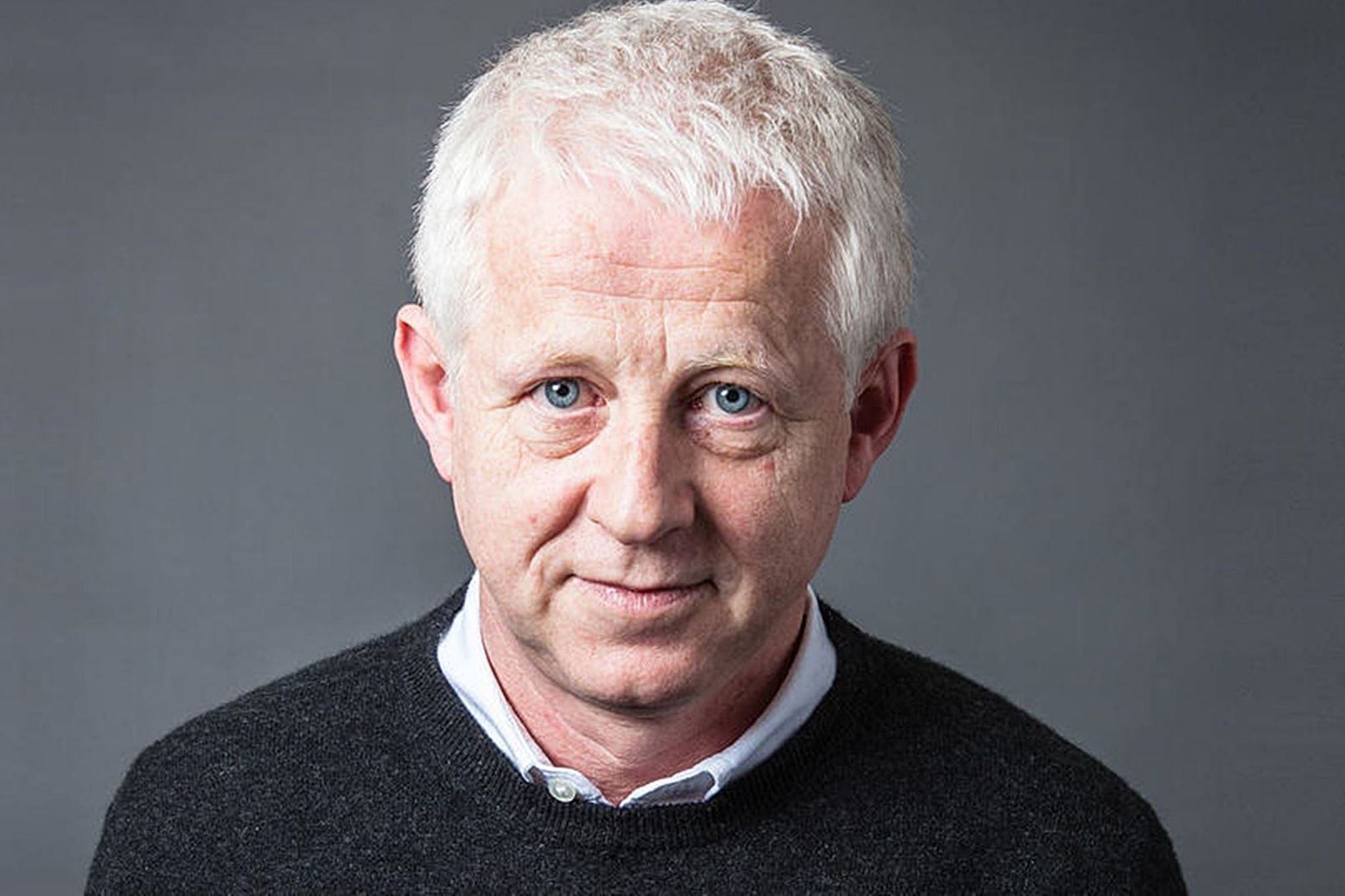
Richard Curtis is the director and screenwriter of the 2003 holiday classic Love Actually. While he was already a celebrated screenwriter for films like Four Weddings and a Funeral and Notting Hill, this ambitious multi-narrative romantic comedy marked his official directorial debut, forever changing the landscape of ensemble holiday cinema.
Contents
The Directorial Debut of Richard Curtis
In the early 2000s, Richard Curtis was already a household name in the United Kingdom and a respected figure in Hollywood. However, his reputation was built almost exclusively on his pen. Having written some of the most successful British comedies of the 1990s, the transition to the director's chair was a significant milestone in his career. Love Actually was the project that finally tempted him to take full creative control of the visual and rhythmic execution of his writing.
The decision to direct Love Actually stemmed from the complexity of the script itself. With ten separate stories intertwining across London in the weeks leading up to Christmas, the logistical and emotional balancing act was immense. Curtis felt that to maintain the specific "DNA" of the humor and sentiment he envisioned, he needed to oversee the production from start to finish. Working alongside long-time collaborators at Working Title Films, Curtis embarked on a production that would eventually become a permanent fixture of global pop culture.
By 2026, looking back at the trajectory of British cinema, Love Actually remains the definitive example of the "Curtis-land" aesthetic—an idealized, slightly heightened version of London where grand romantic gestures are common and emotional sincerity is the primary currency.
The Structural Ambition of Love Actually
One of the reasons the question of who directed Love Actually is so frequent is because the film feels like several movies in one. Richard Curtis did not just direct a single story; he managed a massive ensemble cast and a sprawling narrative structure that was inspired by films like Robert Altman’s Short Cuts and Paul Thomas Anderson’s Magnolia.
Managing the Ensemble Cast
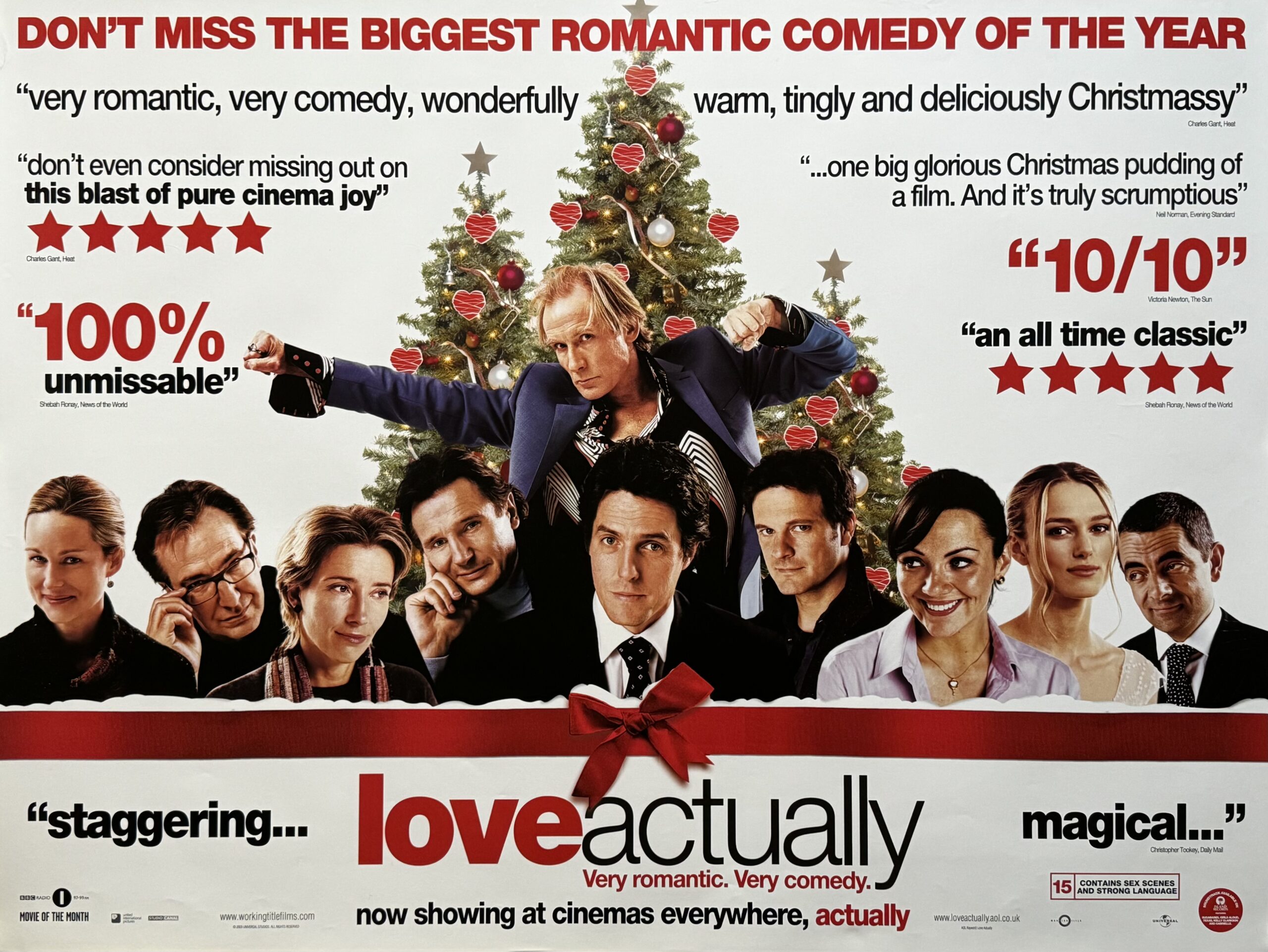
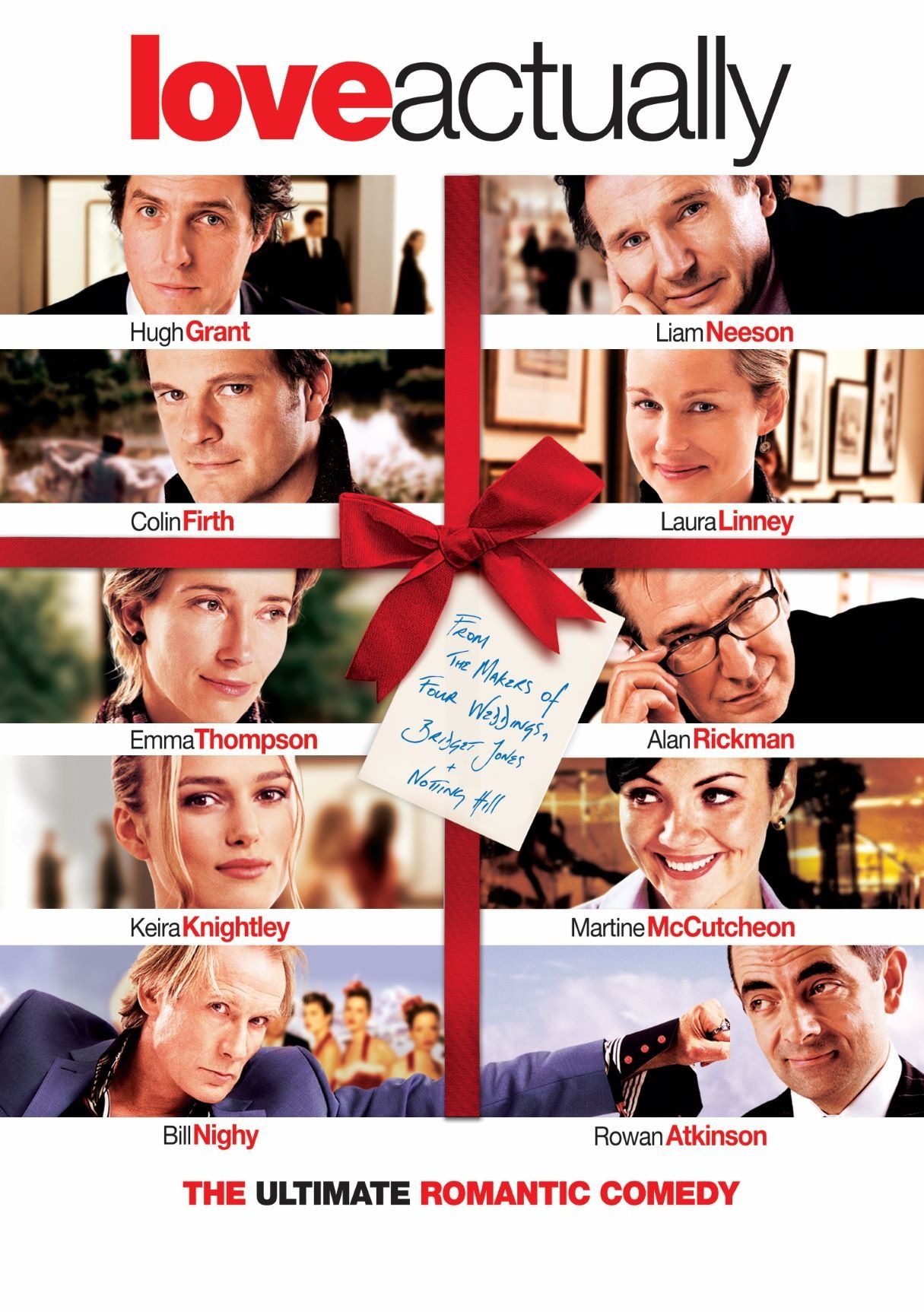
Curtis’s ability to attract top-tier talent was a testament to his standing in the industry. The film features a "who's who" of British acting royalty, including:
- Hugh Grant as the Prime Minister
- Emma Thompson and Alan Rickman as a married couple in crisis
- Colin Firth as a writer finding love in France
- Liam Neeson as a grieving stepfather
- Keira Knightley in a complicated love triangle
- Bill Nighy as an aging rock star
Directing such a cast required a delicate touch. Each actor had to feel like the lead of their own film, even if they only had fifteen minutes of screen time. Curtis achieved this by giving each narrative arc a distinct emotional "flavor"—ranging from the slapstick comedy of the body doubles (Martin Freeman and Joanna Page) to the heartbreaking realism of Sarah’s (Laura Linney) unrequited love and familial duty.
The Editing Challenge
From a technical standpoint, the direction of Love Actually was a feat of editing. Curtis and his team, including editor Nick Moore, originally had even more stories in the script, including a subplot involving a school headmistress and her partner. These were famously cut to keep the film’s runtime manageable. The directorial challenge lay in the "cross-cutting"—ensuring that the transition from a funeral to a primary school play or a Portuguese airport felt seamless rather than jarring.
Richard Curtis’s Career as a Director and Writer
To understand the director of Love Actually, one must look at the broader context of his career. Born in 1956, Curtis first rose to prominence as a writer for television, most notably on Blackadder and The Vicar of Dibley. His transition to film was meteoric, but his directorial credits are actually quite selective.
Key Works and Directorial Style
While Curtis is a prolific writer, he has only directed a handful of feature films. This selectivity suggests that he only steps behind the camera for projects that are deeply personal or require a specific tonal balance.
| Year | Title | Role | Notable Lead Actors |
|---|---|---|---|
| 1994 | Four Weddings and a Funeral | Writer | Hugh Grant, Andie MacDowell |
| 1999 | Notting Hill | Writer | Julia Roberts, Hugh Grant |
| 2001 | Bridget Jones's Diary | Co-writer | Renée Zellweger, Colin Firth |
| 2003 | Love Actually | Director/Writer | Ensemble Cast |
| 2009 | The Boat That Rocked | Director/Writer | Philip Seymour Hoffman, Bill Nighy |
| 2013 | About Time | Director/Writer | Domhnall Gleeson, Rachel McAdams |
| 2019 | Yesterday | Writer | Himesh Patel, Lily James |
Curtis’s directorial style is characterized by a focus on performance and dialogue rather than avant-garde cinematography. He favors warm lighting, evocative soundtracks (often using contemporary pop hits to heighten emotional beats), and a pacing that mirrors the rhythm of witty conversation.
The Critical Evolution of Love Actually in 2026
As of 2026, Love Actually has celebrated over two decades of influence. However, the film—and Curtis’s direction of it—has undergone significant re-evaluation. While it remains a beloved holiday tradition for millions, modern critics and audiences often engage with it through a more analytical lens.
Modern Critiques and Curtis’s Response
In recent years, certain aspects of the film have been scrutinized, such as the lack of diversity in the original 2003 cast and the power dynamics in several of the romantic pairings (e.g., the Prime Minister and his junior staffer). Richard Curtis himself has been open about these reflections. In various interviews and anniversary specials leading up to the mid-2020s, Curtis has admitted that society has changed and that there are things he would do differently today, particularly regarding the representation of different types of love.
Despite these critiques, the film's core message—summarized in the opening monologue about the arrivals gate at Heathrow Airport—remains a powerful piece of directorial intent. Curtis’s goal was to show that "love actually is all around," and his ability to weave together joy, grief, infidelity, and innocence into a single cohesive experience is why the film persists.
The Production Context: Working Title Films
No discussion of Richard Curtis as a director is complete without mentioning Working Title Films. This production company, led by Tim Bevan and Eric Fellner, provided the institutional support that allowed Curtis to flourish. Their partnership represents one of the most successful eras in British cinema history.
Working Title provided the budget and international distribution networks (often through Universal Pictures) that turned Curtis’s London-centric stories into global blockovers. The production of Love Actually was a high-stakes gamble; at the time, ensemble films with so many A-list stars were considered difficult to market. However, Curtis’s clear vision for the "Christmas feel-good movie" provided the necessary North Star for the marketing and production teams.
Technical Specifications and Filming Locations
Curtis’s direction made iconic use of London landmarks, turning the city itself into a character. This is a hallmark of his films, which often serve as unofficial tourism advertisements for the UK.
- Heathrow Airport: The opening and closing sequences use real footage of people reuniting, which Curtis’s crew filmed over several days.
- Selfridges: The infamous jewelry-wrapping scene featuring Rowan Atkinson was filmed in the actual department store on Oxford Street.
- Grosvenor Chapel: The wedding scene featuring the surprise performance of "All You Need Is Love" utilized this historic Mayfair location.
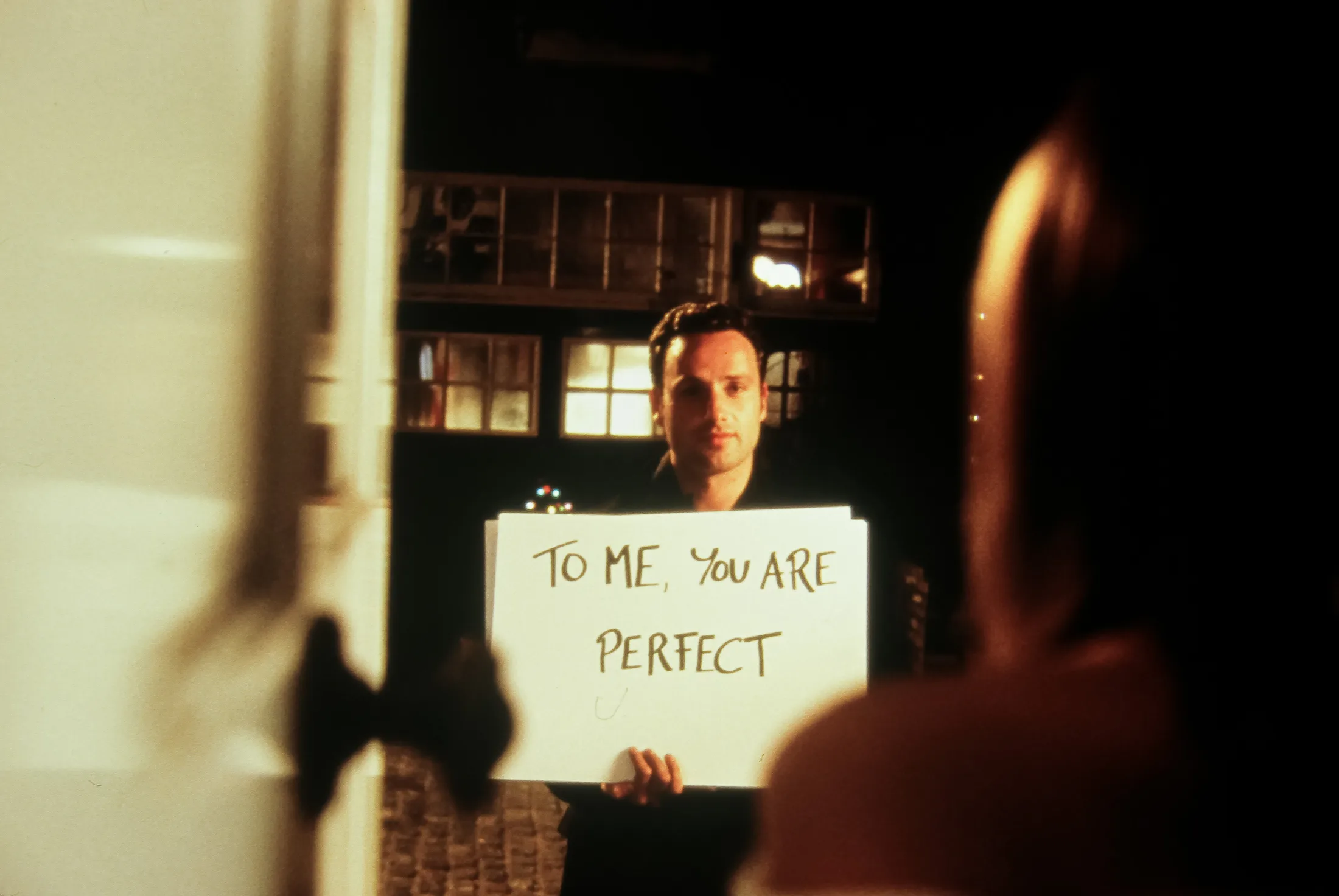
- The South Bank: The "bench scene" between Liam Neeson and Thomas Brodie-Sangster is one of the most recognizable shots in modern British cinema.
The technical choice to use genuine locations rather than soundstages for many of these scenes contributed to the film's grounded, albeit shiny, realism.
FAQs About the Director of Love Actually
Did Richard Curtis direct the sequel to Love Actually?
There is no full-length feature film sequel. However, in 2017, Richard Curtis wrote and directed a short film titled Red Nose Day Actually for Comic Relief. This 15-minute special reunited most of the original cast to check in on the characters 14 years later, serving as a mini-sequel for charity.
Is Richard Curtis related to any of the actors?
Richard Curtis is not directly related to the main cast members, though he has a long-standing professional "family." He has worked with Hugh Grant and Bill Nighy across multiple projects, often referring to them as the ideal voices for his written dialogue.
Why did Richard Curtis stop directing after About Time?
In 2013, following the release of About Time, Curtis announced he was retiring from directing feature films. He stated that the process was incredibly time-consuming and that he preferred to focus on his writing and his extensive philanthropic work with organizations like Comic Relief and Make My Money Matter.
What is Richard Curtis's most famous work?
While Love Actually is his most famous directorial work, Four Weddings and a Funeral is often cited as his most influential screenplay, as it redefined the romantic comedy genre for the 1990s and earned him an Academy Award nomination.
Who produced Love Actually?
The film was produced by Duncan Kenworthy, Tim Bevan, and Eric Fellner. These producers were instrumental in helping Curtis transition from writer to director, providing the infrastructure needed for such a massive production.
Recommendation for Fans
If you are a fan of Richard Curtis’s directorial work in Love Actually, the best next step is to explore his 2013 film, About Time. While it focuses on a smaller family unit rather than a massive ensemble, it carries the same emotional weight, wit, and preoccupation with the fleeting nature of love and time. Additionally, for those interested in the craft of his writing, the published script of Love Actually includes deleted scenes and Curtis’s own notes on the directorial process, offering a rare look at how the film was constructed.
Image Gallery