Understanding LED Treatment at Home: A Guide to Light Therapy Devices
LED treatment at home involves the use of Light Emitting Diode devices to expose the skin to specific wavelengths of light, aiming to address concerns such as acne, inflammation, and signs of aging. By utilizing non-thermal, non-ablati...
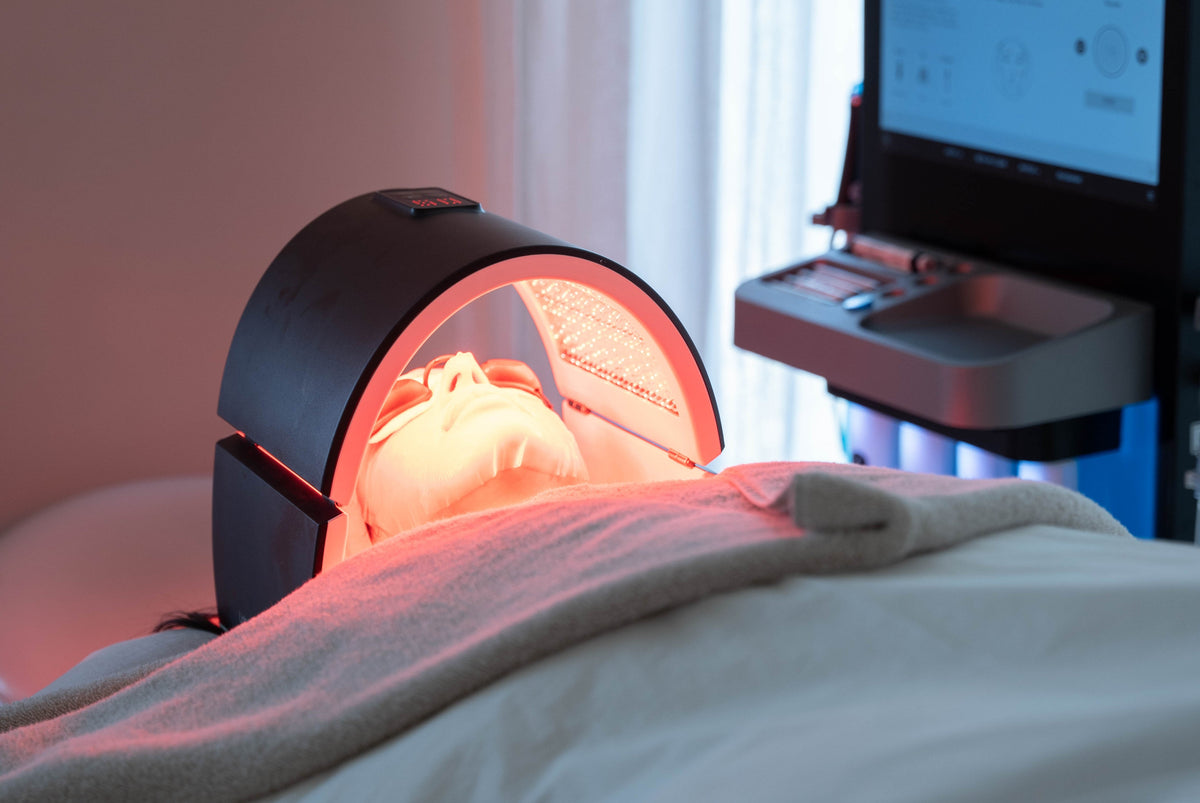
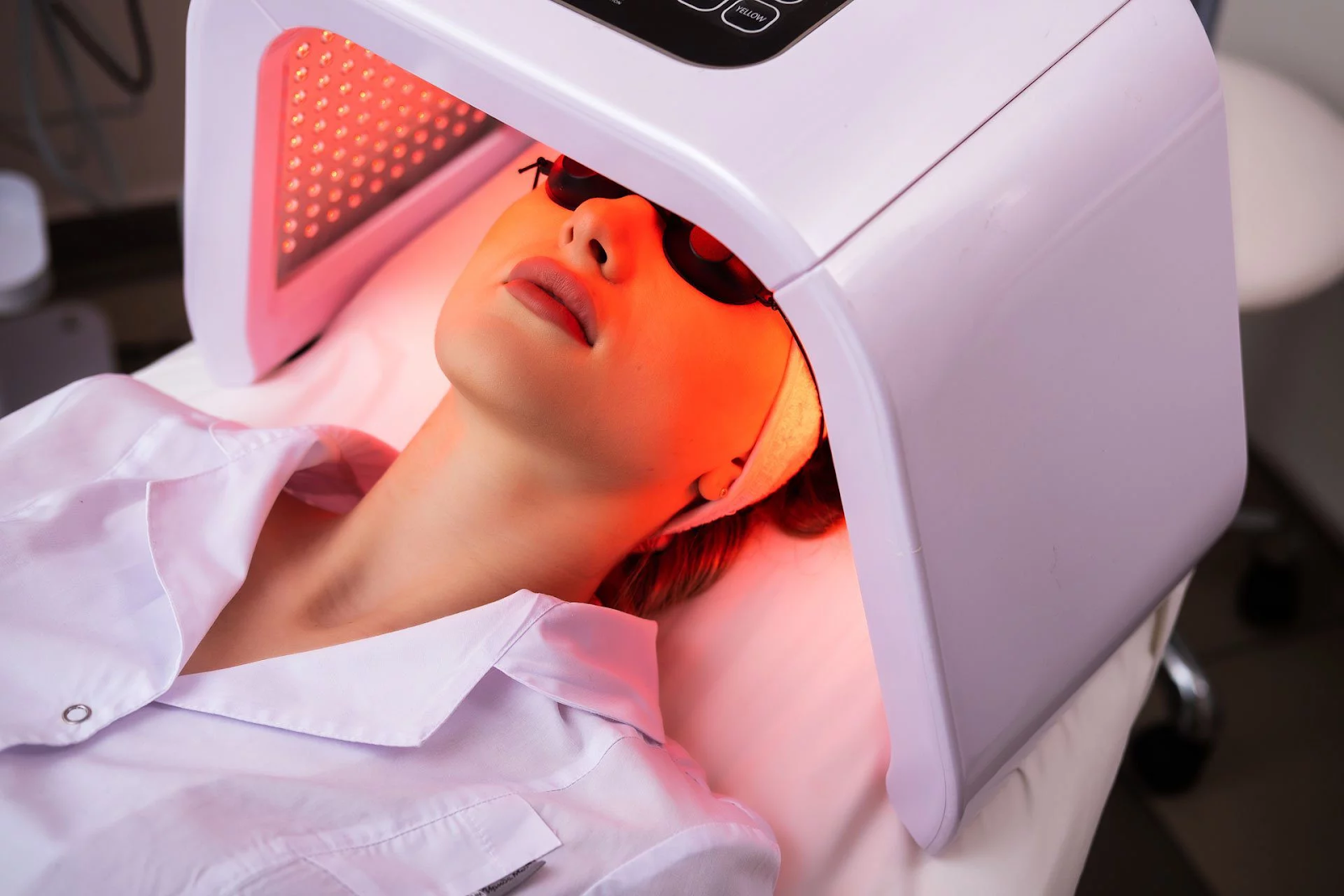
LED treatment at home involves the use of Light Emitting Diode devices to expose the skin to specific wavelengths of light, aiming to address concerns such as acne, inflammation, and signs of aging. By utilizing non-thermal, non-ablative phototherapy, these devices penetrate the epidermis to stimulate cellular processes, offering a convenient, maintenance-focused alternative to professional in-office clinical treatments.
Contents
The Science of Light Therapy
Light Emitting Diode (LED) therapy operates on the principle of photobiomodulation. Unlike lasers or intense pulsed light (IPL) devices, which utilize heat or physical abrasion to trigger a healing response, LED therapy relies on specific light wavelengths to influence cellular activity. When skin cells absorb this light energy, it triggers a cascade of biological responses.
The most commonly used wavelengths in consumer-grade devices are red and blue light. Red light (typically between 630 and 660 nanometers) is primarily utilized to promote collagen production and reduce inflammation by stimulating fibroblasts. Blue light (typically around 415 to 450 nanometers) is recognized for its antimicrobial properties; it targets Cutibacterium acnes bacteria within the pores, making it a frequent choice for those managing mild to moderate inflammatory acne.
Prerequisites and Safety Considerations
Before initiating LED treatment at home, it is essential to verify that your skin condition is suitable for light therapy. While generally considered safe for most skin types, home devices are not a substitute for medical diagnosis.
Medical Screening
Individuals with photosensitivity disorders, such as lupus or porphyria, or those currently using medications that increase sensitivity to light—such as certain retinoids, antibiotics (e.g., doxycycline), or systemic acne treatments—should consult a dermatologist before beginning home LED therapy. Light exposure can exacerbate adverse reactions in sensitized skin.
Device Quality and Standards
The efficacy of at-home treatment depends heavily on the quality of the device. Look for products that have been cleared or approved by regulatory bodies, such as the U.S. Food and Drug Administration (FDA), which requires manufacturers to provide evidence that a device is substantially equivalent to legally marketed predicate devices. Avoid low-quality, uncertified units, as they may lack the necessary irradiance (power density) to reach the intended depth within the skin.
Selecting a Device
When shopping for an LED device in 2026, you will encounter various form factors, from flexible silicone masks to handheld wands and fixed panels.
| Device Type | Primary Use | Best For |
|---|---|---|
| Flexible Masks | Facial coverage | Anti-aging, consistent use |
| Handheld Wands | Spot treatment | Targeted acne or minor wrinkles |
| Fixed Panels | Body/Face coverage | Broad area therapy, inflammation |
| Masks with Neck Attachment | Holistic care | Comprehensive skincare routines |
- Flexible Silicone Masks: These are popular for their ability to conform to different face shapes, ensuring that the light-emitting diodes remain in close proximity to the skin. Proximity is critical; as distance from the skin increases, the light intensity decreases rapidly.
- Handheld Wands: These are effective for spot-treating individual blemishes. However, they require significant time and patience for full-face applications.
- Fixed Panels: These often provide the highest power density. They are versatile, allowing users to treat the back, chest, or hands, but they require the user to remain stationary during the session.
Establishing a Treatment Routine
Successful home LED therapy requires consistent, long-term adherence. It is not an immediate fix; rather, it is a cumulative process.
- Preparation: Cleanse the skin thoroughly to remove makeup, sunscreen, or skincare products. Any residue on the skin surface acts as a barrier, potentially reflecting or absorbing the light before it reaches the target tissues.
- Application: Place the device directly against or at the manufacturer-recommended distance from the skin. Use the device for the specific duration indicated by the manufacturer, typically between 10 to 20 minutes.
- Post-Treatment: Apply a gentle moisturizer or serum. Avoid using harsh active ingredients, such as high-strength chemical exfoliants, immediately after treatment to prevent potential irritation.
- Frequency: Most manufacturers suggest using the device 3 to 5 times per week. Over-treatment is not recommended; cells require recovery periods between light exposures to maintain responsiveness.
Common Mistakes and Troubleshooting
The most frequent error in home LED treatment is lack of consistency. Users often expect results after a single session, leading to premature discontinuation. It typically takes 8 to 12 weeks of consistent usage to observe visible changes in skin texture or acne reduction.
If you experience redness or irritation, cease use immediately. This may indicate that the device is too intense for your skin, or that you are using it too frequently. Additionally, ensure the device is charged fully; many cordless, battery-operated devices suffer a drop in power output as the battery level diminishes, which can result in ineffective treatments. Always verify that the connection points on the device remain clean and free of debris.
Professional Consultation
While home devices have become increasingly powerful, they do not match the irradiance levels of professional clinical systems. If you have severe cystic acne, deep-set wrinkles, or pigmentation concerns, a home device should be viewed as a supplemental tool. Professional dermatological treatments may include chemical peels, professional-grade laser resurfacing, or prescription oral medications that are beyond the scope of home-use LED technology. If you do not see improvements after three months of dedicated use, seek an evaluation from a board-certified dermatologist to discuss more aggressive intervention options.
Frequently Asked Questions
Does LED light therapy cause skin cancer? No. LED devices intended for home use do not emit ultraviolet (UV) radiation. Unlike UV light, which damages cellular DNA and increases the risk of skin cancer, red and blue LED wavelengths are non-ionizing and are designed to stimulate biological repair processes safely.
Can I use LED therapy with my regular skincare products? Yes, but timing is important. Apply your skincare products, particularly heavy creams or oils, after the treatment. Applying products before light therapy may create a physical barrier that prevents light from reaching the skin or may cause the product ingredients to degrade under the light.
Are all LED masks the same? No. Devices vary by wavelength, irradiance, and the number of diodes. Higher-end models prioritize consistent irradiance across the entire surface of the mask, whereas budget models may feature sparsely placed diodes that lead to uneven results.
Can I use LED therapy on my body? Yes, provided the device is designed for such use. Many panels are marketed for use on the body to address inflammation or muscle soreness. Ensure the device is rated for the specific body part you intend to treat to avoid contact with sensitive areas.
How do I clean my LED device? Follow the manufacturer's specific cleaning instructions. Generally, using a soft, lint-free cloth dampened with a mild, non-alcoholic cleanser is sufficient. Never submerge the device in water, as this can destroy the electrical components and pose a safety risk.
Next Steps
To begin your journey with LED treatment, first assess your primary skin concern and budget. If you are focused on anti-aging, prioritize a flexible mask with high-quality red-light diodes. If you are managing acne, look for a device that offers a dedicated blue-light setting. Once you have acquired your device, document your baseline skin condition with photos to objectively track your progress over the recommended 12-week trial period.
Image Gallery