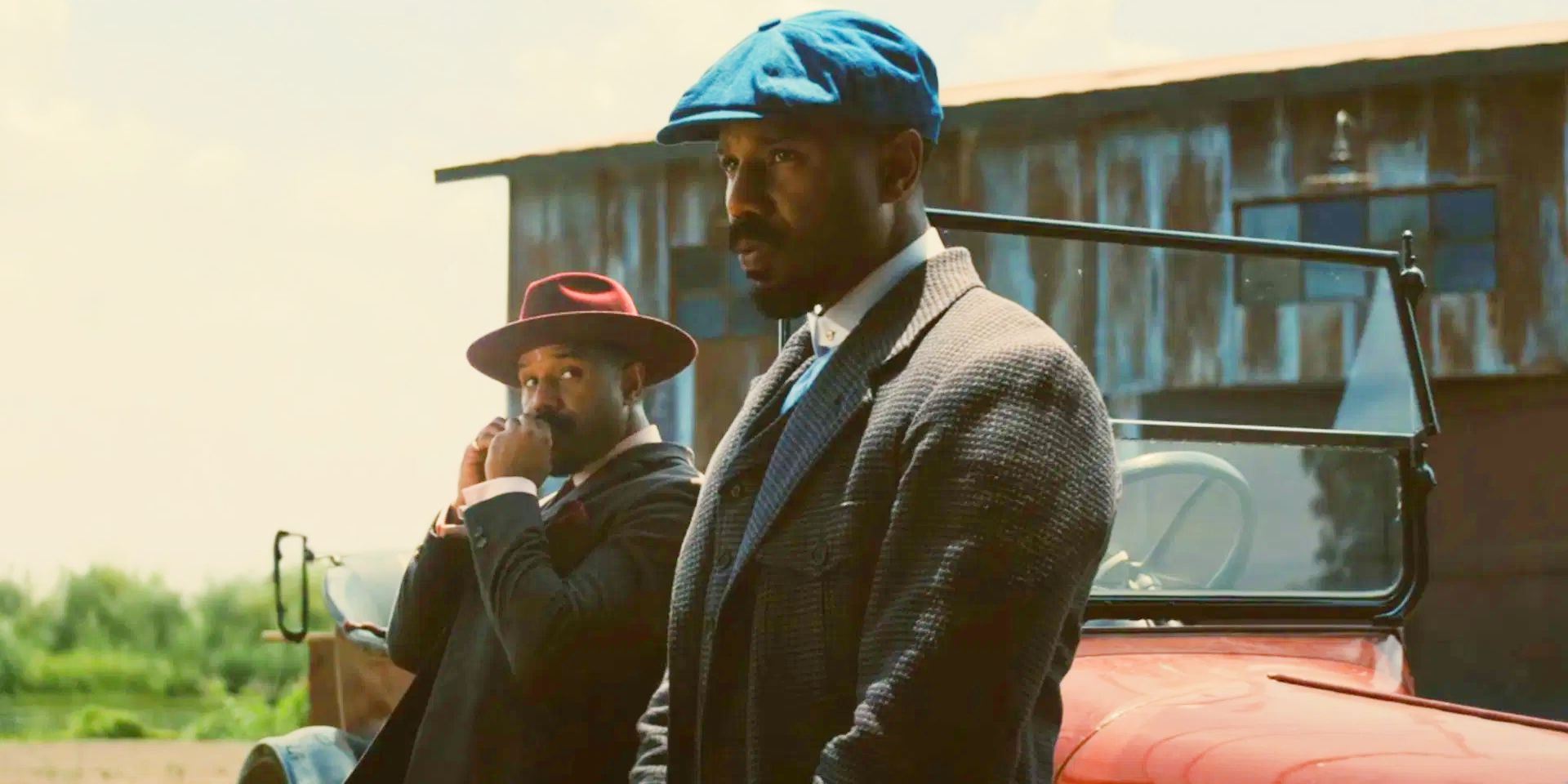
Why the Jordan Film Matters for Home Tech Fans
The cinematic release of The Jordan Film represents a watershed moment for home entertainment enthusiasts, serving as a rare intersection of avant-garde visual mastering, ultra-high-bitrate streaming demands, and reference-grade spatia...
The cinematic release of The Jordan Film represents a watershed moment for home entertainment enthusiasts, serving as a rare intersection of avant-garde visual mastering, ultra-high-bitrate streaming demands, and reference-grade spatial audio mixing that rigorously tests modern consumer electronics.
Contents
For home technology enthusiasts, the value of a major motion picture release often extends far beyond its narrative or box office performance. Certain films arrive as technological stress tests, pushing the boundaries of what consumer displays, audio receivers, and streaming pipelines can handle. When The Jordan Film entered the market, it immediately captured the attention of home theater designers, display calibrators, and audio enthusiasts alike. Understanding why this specific film matters requires an examination of how modern cinematic production choices directly impact the capabilities and limitations of high-end home entertainment gear.
The Evolution of Cinematic Masterclasses as Technical Benchmarks
Throughout the history of home theater technology, specific films have served as the unofficial calibration discs and stress tests for consumer hardware. From the sweeping wide-angle cinematography of classic epics to the complex sound design of modern sci-fi blockbusters, enthusiasts have relied on select releases to evaluate black levels, color accuracy, motion handling, and dynamic range. The Jordan Film joins this lineage by demanding an uncommon level of performance from both display panels and sound reproduction systems.
Director and cinematographer choices in modern auteur-driven cinema frequently challenge standard consumer profiles. When a production utilizes mixed aspect ratios, aggressive color grading, or complex lighting setups with extreme contrast ratios, consumer televisions and projectors must work harder to render the image as intended. The Jordan Film was crafted with visual fidelity parameters that expose weaknesses in lower-tier local dimming algorithms, highlight clipping issues in HDR metadata handling, and test the limits of near-black shadow detail reproduction on both OLED and mini-LED panels.
Furthermore, the film's visual style avoids the flattened, sterile look common in digitally scrubbed productions. Instead, it embraces textures, natural film grain, and complex lighting environments. For home tech fans, viewing this film becomes an exercise in evaluating how well their display hardware handles difficult encoding artifacts versus intentional artistic noise.
Visual Mastery: High Dynamic Range and Color Volume Challenges
One of the primary reasons The Jordan Film matters to home tech aficionados is its sophisticated mastering for High Dynamic Range (HDR) formats. While many mainstream releases are mastered to conservative luminance targets to ensure compatibility with budget televisions, this production leverages a wider dynamic range to create emotional and atmospheric depth.
Dynamic Range and Peak Brightness
Display technology has advanced rapidly, with flagship consumer televisions now capable of hitting peak brightness levels exceeding 1,500 to 2,000 nits. However, mastering a film to fully utilize these capabilities without washing out mid-tones requires exceptional precision. The Jordan Film features scenes with extreme contrast—blinding natural light juxtaposed against deeply shadowed interiors—forcing tone-mapping engines in modern 4K TVs and media players to make split-second decisions regarding highlight preservation and shadow recovery.
- Highlight Roll-off: Tests how smoothly a display transitions from bright specular highlights to maximum white without clipping details.
- Shadow Detail Preservation: Evaluates near-black performance, ensuring that dark clothing and background elements do not crush into pure, featureless black.
- ABL (Automatic Brightness Limiting) Stress: Measures how well large, bright outdoor sequences are sustained without aggressive panel dimming.
Wide Color Gamut (WCG) Utilization
Beyond dynamic range, the film utilizes an expanded color volume that pushes beyond standard Rec. 709 spaces into DCI-P3 and close to Rec. 2020 containers. For home theater enthusiasts utilizing high-end laser projectors or quantum dot displays, the film offers a masterclass in nuanced color grading. Skin tones remain remarkably natural despite stylized ambient lighting, and subtle gradients in skies and sunsets are rendered without jarring color banding.
Spatial Audio Engineering and Acoustic Realism
While stunning visuals grab initial attention, the sound design of The Jordan Film is what truly cements its status as a must-watch title for home tech fans. Mixed for immersive spatial audio formats such as Dolby Atmos and DTS:X, the soundtrack moves away from generic, wall-to-wall noise toward precise, object-based acoustic placement.
Object-Based Mixing and Height Channel Utilization
Modern home audio setups have evolved significantly, moving from traditional 5.1 setups to complex 7.1.4 configurations featuring dedicated overhead height channels. The Jordan Film makes aggressive, purposeful use of these height layers. Rather than simply bleeding ambient music into the ceiling speakers, the sound mixers utilized object-based panning to anchor specific environmental effects—such as overhead weather, distant machinery, or directional dialogue reflections—directly above the listener.
Dynamic Range and Low-Frequency Extension
Home subwoofer calibration is notoriously difficult, and The Jordan Film provides an exceptional benchmark for testing bass response and room integration. The low-frequency effects (LFE) channel is deployed with surgical precision, avoiding constant, fatiguing rumble in favor of tight, impactful transients that test the linear excursion limits of dedicated subwoofers.
| Audio Feature | Standard Blockbuster Mix | The Jordan Film Reference Mix |
|---|---|---|
| Primary Focus | Constant surround-sound immersion and wall-of-sound music | Dynamic contrast, environmental realism, and precise object placement |
| Height Channel Usage | Ambient reverb and generalized atmospheric noise | Distinct, localized overhead effects tied to on-screen action |
| LFE (Subwoofer) Demand | Heavy, continuous bass boost designed for soundbars | Transient-heavy, ultra-low frequency notes requiring high subwoofer headroom |
| Dialogue Clarity | Compressed to ensure intelligibility on basic TV speakers | Uncompressed spatial dynamics prioritizing natural acoustic decay |
Bitrate Realities: Streaming Versus Physical Media Performance
For home technology enthusiasts, the medium through which a film is consumed remains a perpetual topic of debate. The release of The Jordan Film reignited discussions surrounding compression artifacts, data bitrates, and the tangible advantages of physical media over top-tier streaming services.
Even the most robust 4K streaming platforms utilize aggressive video compression to deliver multi-gigabit streams to millions of concurrent users. When streaming a visually complex film like The Jordan Film, viewers with high-bandwidth fiber connections may still encounter macroblocking in dark, textured scenes or subtle banding in gradient lighting sequences. Conversely, experiencing the film via 4K Ultra HD Blu-ray—with bitrates often exceeding 60 to 80 Mbps—reveals the uncompromised integrity of the original digital intermediate.
This stark difference makes the film an effective demonstration tool for enthusiasts explaining the technical limitations of video-on-demand services to friends and family. It highlights why local network storage, dedicated disc players, and high-speed HDMI cables remain vital components of an uncompromising home theater ecosystem.
Frequently Asked Questions
What makes The Jordan Film a good test for OLED versus LED televisions?
The film features extreme contrast scenes with deep, near-black shadows alongside high-intensity specular highlights. OLED displays excel at rendering these scenes due to their pixel-level dimming control, while LED/LCD panels must rely on complex local dimming zones, making it easy to evaluate blooming and backlight control.
Do I need a full Dolby Atmos setup to appreciate the film's audio?
While a dedicated multi-channel system with overhead height speakers provides the ultimate experience, the spatial mix downmixes intelligently. However, home tech fans with advanced soundbars featuring upward-firing drivers will still notice a marked improvement in vertical sound staging compared to standard stereo setups.
Is the visual style of the film too dark for bright living room environments?
Yes. Like many modern cinematic releases mastered for dark-room viewing, The Jordan Film relies heavily on controlled ambient light. Viewing it in a bright room with unprotected windows will wash out shadow details, making light-control window treatments or a dedicated media room essential.
How does the film's audio dynamic range affect everyday viewing?
The film utilizes a wide dynamic range, meaning quiet dialogue passages are whispered while action sequences are intensely loud. Viewers utilizing apartment setups or night-listening modes may need to engage dynamic range compression (DRC) on their AV receivers to avoid constantly adjusting the volume.
Maximizing Your Home Tech Setup for the Ultimate Viewing Experience
To experience The Jordan Film with the fidelity it demands, home tech enthusiasts should review their hardware chain from source to display. Ensure that media players are configured to output native frame rates (24p) rather than converting everything to 60Hz, which introduces judder. Verify that your TV's HDR tone-mapping settings align with the source metadata, and run a fresh audio calibration sweep (such as Audyssey, Dirac Live, or Anthem Room Correction) to dial in your subwoofer crossover frequencies before pressing play. By treating this cinematic release as a hardware diagnostic tool, home entertainment fans can unlock the true potential of their meticulously curated systems.
Image Gallery