Understanding Bloom Energy Net Worth in the Context of Market Valuation
Bloom Energy Corporation’s net worth, in the context of public financial reporting, is best understood through its market capitalization and book value rather than as a singular personal wealth figure. As a publicly traded company (NYS...
Bloom Energy Corporation’s net worth, in the context of public financial reporting, is best understood through its market capitalization and book value rather than as a singular personal wealth figure. As a publicly traded company (NYSE: BE), its "worth" fluctuates daily based on investor sentiment, revenue growth, and the ongoing transition toward stationary fuel cell power generation.
Contents
When evaluating a technology-focused organization like Bloom Energy, the term "net worth" is frequently conflated with market capitalization—the total dollar market value of a company's outstanding shares of stock. Unlike a private individual’s net worth, which balances assets against liabilities, a public company’s market value represents the collective price the market is willing to pay for future earnings potential. As of 2026, Bloom Energy’s valuation is heavily influenced by its strategic role in the decarbonization of data centers, industrial manufacturing, and grid-resilience infrastructure. To understand the company’s financial health, one must look beyond share price and analyze liquidity, debt obligations, and the scalability of its Solid Oxide Fuel Cell (SOFC) technology.
Differentiating Net Worth from Market Capitalization
In corporate finance, "net worth" is formally synonymous with shareholders' equity—the value of the assets that would remain if all liabilities were settled. This figure is found on the company's balance sheet. Conversely, market capitalization is a forward-looking metric that reflects how investors perceive the company’s future profitability.
For Bloom Energy, the divergence between book value and market capitalization is often significant. This is common for high-growth firms in the clean energy sector. Investors are not just paying for the current physical assets (the "book value"), but for intellectual property, proprietary energy-server hardware, and service contracts that provide recurring revenue streams. When analyzing Bloom Energy, stakeholders should focus on the following financial pillars:
- Book Value: The accounting reality of assets minus liabilities.
- Market Cap: The market's assessment of future growth, R&D success, and market share in the hydrogen and fuel cell industries.
- Enterprise Value (EV): The total value of the company, accounting for both equity and net debt. This is often a more accurate measure of what it would cost to acquire the company.
The Role of Technology in Corporate Valuation
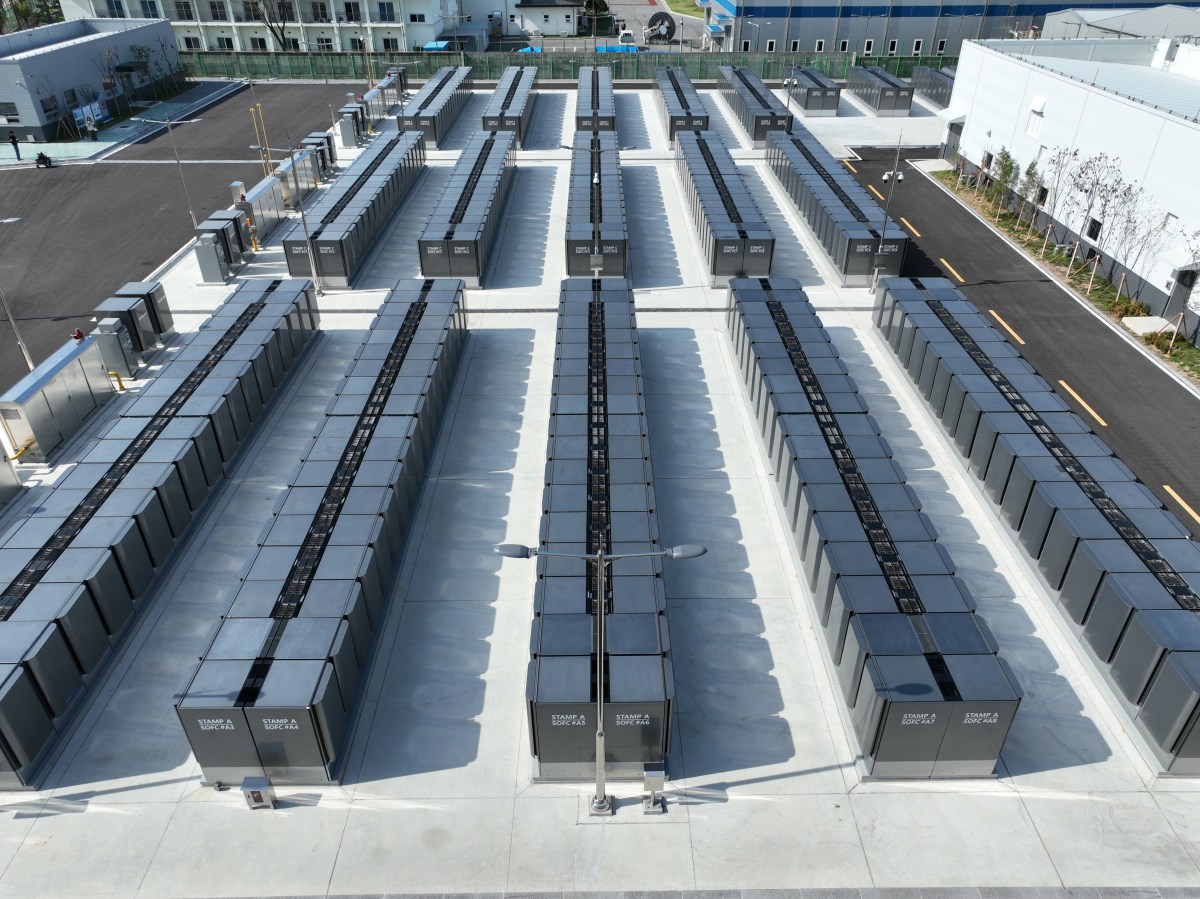
Bloom Energy’s market standing is fundamentally tied to the adoption of its Energy Server technology. Unlike intermittent renewables such as solar or wind, which require storage, Bloom’s fuel cells provide baseload power. As the demand for 24/7 "always-on" power increases—driven largely by the proliferation of AI and large-scale computing centers—the company’s valuation has become increasingly sensitive to its ability to secure large-scale commercial contracts.
The company’s "worth" is also impacted by its transition toward hydrogen-ready systems. The ability to deploy fuel cells that can transition from natural gas to hydrogen allows Bloom to hedge against shifting regulatory environments. Investors value this adaptability, which is why the company’s valuation often decouples from traditional utility-sector metrics.
Key Financial Indicators to Monitor
To maintain an accurate view of Bloom Energy’s position, investors and analysts prioritize specific line items from quarterly and annual reports. Understanding these figures is essential for anyone trying to contextualize the company's financial stature.
| Financial Metric | What It Measures | Importance to Context |
|---|---|---|
| Revenue Growth | Year-over-year sales increase | Indicates market penetration and scale. |
| Gross Margin | Profitability of core hardware/services | Highlights operational efficiency. |
| Cash and Cash Equivalents | Liquidity and solvency | Measures ability to fund R&D and operations. |
| Long-Term Debt | Financial leverage | Shows the risk profile of the capital structure. |
| Backlog | Contracted future revenue | Provides visibility into long-term stability. |
Risks and Market Sensitivities
No discussion of Bloom Energy’s financial standing is complete without addressing the risks inherent in the fuel cell niche. The company operates in a capital-intensive industry where high interest rates can negatively impact the financing of customer projects. When interest rates are high, the cost for a corporation to finance a multi-megawatt Bloom Energy installation rises, which can dampen demand and influence the company's valuation.
Furthermore, competition from emerging battery storage technologies and traditional grid upgrades forces Bloom to constantly defend its value proposition. A significant portion of the company’s worth is tied to its intellectual property portfolio. Legal challenges, regulatory shifts regarding government subsidies for green energy, or failure to hit production efficiency targets can cause volatility in market capitalization regardless of the company’s internal asset value.
Financial Health vs. Market Sentiment
It is important to note that a company’s financial health can be robust even when its market-driven "net worth" (market cap) is volatile. Bloom Energy has historically invested heavily in infrastructure and research. This strategy means that while cash reserves may fluctuate, the underlying asset base—composed of manufacturing facilities, patents, and long-term service agreements—continues to grow.
For professional analysis, one should assess the "quality" of earnings. Are the revenues coming from one-off sales, or are they from recurring service and maintenance contracts? The latter is significantly more valuable to long-term valuation, as it creates a predictable cash flow model that supports the company during market downturns.
Frequently Asked Questions
1. Is Bloom Energy’s net worth the same as its market cap? No. Net worth, in accounting terms, is the shareholders' equity (assets minus liabilities). Market capitalization is the total value of the company based on its stock price. Investors typically use market capitalization to discuss the company’s "worth" in the public market.
2. Where can I find the official book value for Bloom Energy? The most accurate source for the company’s book value is its latest 10-K or 10-Q filing with the U.S. Securities and Exchange Commission (SEC). These documents provide the audited balance sheet showing assets, liabilities, and equity.
3. Does the adoption of AI impact Bloom Energy’s valuation? Yes. As data centers require massive amounts of constant power, they represent a significant market for Bloom’s stationary fuel cells. Increased demand from these sectors often correlates with higher market valuation as investors anticipate sustained revenue growth.
4. What is the biggest factor influencing Bloom Energy’s financial performance? The transition to a hydrogen economy and the ability to secure large-scale commercial/industrial contracts are primary drivers. Additionally, the cost of capital (interest rates) plays a major role in how easily customers can finance these large-scale energy projects.
5. How does debt affect the "worth" of the company? Debt increases the company's financial leverage. While debt allows the company to invest in growth, high levels of debt relative to equity can signal higher risk to investors, potentially pressuring the stock price and, by extension, the market capitalization.
6. Should I use Bloom Energy’s market cap to estimate its future value? Market cap is a reflection of current sentiment regarding future performance. It is a useful tool for comparison, but it should not be used as a standalone predictor. Always balance market cap with fundamental analysis of the company's cash flow, debt, and competitive position in the energy sector.
Conclusion and Next Steps
To contextualize Bloom Energy’s financial standing, move past headline numbers and look at the company’s SEC filings to understand its balance sheet strength. If you are researching this for investment purposes, focus on the relationship between the company’s backlog of orders and its operational costs. Monitor the firm’s quarterly earnings calls, as they often provide management’s perspective on the upcoming fiscal challenges and strategic pivot points. For the most accurate, real-time data, consult official financial databases that aggregate public company filings, ensuring you are comparing the company’s performance against its peers in the industrial energy sector rather than against broad technology indices.
Disclaimer: This article is for informational purposes and does not constitute financial or investment advice. Corporate financial data is subject to change; always verify figures through official SEC EDGAR filings before making financial decisions.
Image Gallery