Choosing Multi State Home and Auto Insurers in 2026: A Comprehensive Guide
To choose a multi-state home and auto insurer, prioritize carriers with widespread national licensing, high AM Best financial stability ratings, and robust digital claims platforms. Focus on companies offering multi-policy "bundling" d...
To choose a multi-state home and auto insurer, prioritize carriers with widespread national licensing, high AM Best financial stability ratings, and robust digital claims platforms. Focus on companies offering multi-policy "bundling" discounts across different jurisdictions, ensuring they comply with specific state mandates while providing a unified management experience for all your properties and vehicles.
Contents
Selecting the right insurance provider becomes significantly more complex when your assets are spread across state lines. Whether you are a "snowbird" with a secondary residence, a remote worker relocating frequently, or a family owning properties in different regions, the need for a cohesive insurance strategy is paramount. In 2026, the insurance landscape is defined by increased climate-related risks and advanced telematics, making the choice of a multi-state carrier a decision that impacts both your financial security and administrative sanity.
Understanding the Landscape of Multi-State Insurance
A multi-state insurer is a company licensed by the Department of Insurance in multiple jurisdictions to sell various lines of coverage. While many household names operate nationwide, their operations are actually a patchwork of state-specific entities. For example, a policy written in New York must adhere to different statutory limits and "no-fault" laws compared to a policy written in Texas or California.
When choosing a provider, you must distinguish between captive agents and independent brokers. Captive agents (like those with State Farm or Allstate) represent one company across all states. Independent brokers can shop multiple carriers, which is often advantageous if one carrier has a "tight" appetite for risk in a specific state—such as Florida’s property market or California’s wildfire zones.
In 2026, the primary challenge is finding a carrier that maintains a strong presence in high-risk areas while still offering competitive rates for auto insurance. Many regional carriers have retreated from certain markets, leaving national "multi-state" giants as the primary options for consumers seeking a single point of contact.
The Core Benefits of Centralized Multi-State Coverage
Consolidating your home and auto insurance under one multi-state umbrella offers several strategic advantages that go beyond simple convenience.
Multi-Policy and Multi-State Bundling
The most immediate benefit is the bundling discount. In 2026, carriers utilize sophisticated algorithms to reward customer loyalty and risk diversification. By insuring a home in a low-risk Midwestern state and an auto fleet in a different state, you may offset the higher premiums associated with properties in coastal regions. Most major insurers offer a discount ranging from 10% to 25% when you combine home and auto policies, even if those assets are located in different states.
Administrative Continuity
Managing multiple renewals, policy numbers, and digital login credentials can lead to coverage gaps. A multi-state insurer provides a single dashboard where you can view the declaration pages for your primary residence, your vacation home, and all registered vehicles. This unified view is essential for ensuring that liability limits are consistent across all policies—a critical factor if you are ever targeted in a multi-state legal dispute.
Simplified Claims Processing
If a single catastrophic event, such as a major hurricane or a multi-state hailstorm, affects assets in different locations, having one carrier simplifies the catastrophe response. You deal with one set of adjusters and one claims philosophy. Furthermore, many multi-state carriers offer "common cause of loss" deductibles, where you may only pay a single deductible if both your home and auto (parked at the home) are damaged in the same event.
Essential Evaluation Criteria for 2026
When vetting potential insurers, you should look past marketing slogans and examine the technical health and regulatory standing of the organization.
1. Financial Strength Ratings
Before signing a policy, verify the carrier’s financial health through AM Best or Demotech. These agencies rate an insurer’s ability to pay out claims. In 2026, look for an A (Excellent) or A++ (Superior) rating. This is non-negotiable for multi-state owners, as a carrier’s failure in one state (due to a localized disaster) could theoretically impact their ability to service customers elsewhere if they are not adequately capitalized.
2. Licensing and "Admitted" Status
Ensure the carrier is an admitted insurer in every state where you own property. Admitted carriers are backed by the state’s guaranty fund, which provides a safety net if the insurer goes bankrupt. If a carrier is "non-admitted" (often called Surplus Lines), they have more flexibility in pricing but lack the same level of consumer protections. For standard home and auto needs, admitted carriers are the gold standard.
3. Claims Handling Reputation
Consult the National Association of Insurance Commissioners (NAIC) Consumer Insurance Search tool. This allows you to view the "complaint ratio" for companies in specific states. A carrier might have an excellent reputation for auto claims in Ohio but a poor record for homeowners' claims in Louisiana. A true multi-state carrier should maintain a consistent, low complaint ratio across your specific geographical footprint.
Managing State-Specific Legal Requirements
Even with a single carrier, your policies will look different depending on the state. It is vital to understand these variations to avoid being underinsured.
- Auto Liability Limits: Every state sets its own minimum liability requirements. A multi-state insurer will automatically adjust your policy to meet state minimums, but you should choose a carrier that allows you to maintain high, uniform limits (e.g., 250/500/100) across all states to protect your total net worth.
- No-Fault vs. Tort States: If you move or own cars in states like Michigan or Florida, you will encounter Personal Injury Protection (PIP) requirements. Your insurer must be adept at managing these complex claims.
- Home Valuation Methods: Different states have different rules regarding "Replacement Cost" versus "Actual Cash Value." Ensure your multi-state provider uses a consistent valuation software (like Xactimate) so there are no surprises during a total loss claim.
Comparison of Top Multi-State Insurers (2026 Data)
| Carrier | Geographic Reach | Bundling Strength | Tech Platform Quality | Best For |
|---|---|---|---|---|
| State Farm | All 50 States | High (Multi-Line) | Excellent (Mobile-First) | Personal Agent Service |
| Progressive | All 50 States | Moderate (Cross-State) | Industry-Leading | Tech-Savvy/Telematics |
| Liberty Mutual | 50 States + DC | High (Customizable) | Robust Dashboard | Multi-Property Owners |
| Travelers | 42+ States | High (Concierge) | Professional/Clean | High-Net-Worth Individuals |
| USAA | All 50 States | Very High | Superior | Military & Family Members |
The Step-by-Step Selection Process
- Inventory Your Assets: List every vehicle, primary home, secondary home, and rental property. Note the ZIP codes and estimated replacement values.
- Request "Master" Quotes: Contact the multi-state carriers identified above. Request quotes for all assets simultaneously. Ask specifically for a "multi-state discount" or "account credit."
- Review the Umbrella Policy: If you have assets in multiple states, you almost certainly need an Umbrella Liability Policy. Ask the insurer if they can write a single umbrella policy that sits on top of all your various state-level home and auto policies. This is the most efficient way to close coverage gaps.
- Test the Digital Tools: Download the carrier’s app. In 2026, you should be able to add a new vehicle or report a home claim via a mobile interface with AI-assisted damage estimation. If the app is clunky, it will be a major headache when managing multiple properties.
- Verify Local Adjuster Presence: Ask if the company uses "independent adjusters" or "staff adjusters" in your specific regions. Staff adjusters (employees of the company) generally provide a more consistent experience than third-party contractors.
Common Pitfalls to Avoid
One of the biggest mistakes is assuming that a national name guarantees a local presence. Some carriers use "fronting" companies in certain states where they aren't fully established. This can lead to delays in claims processing because you are technically dealing with a sub-contracted entity.
Another pitfall is ignoring regional exclusions. Some multi-state insurers will happily cover your cars in all 50 states but might exclude "wind and hail" on your coastal home or "earthquake" on your Western property. You must read the "Exclusions" section of every policy carefully. In 2026, many carriers are moving these specific risks to "separate deductibles," which can significantly increase your out-of-pocket costs during a claim.
FAQs
Can I have one single policy for homes in two different states?
No. Insurance is regulated at the state level. You will have two separate policy numbers and two separate contracts, but a multi-state insurer will "link" them in their billing and discount systems so you receive a single invoice and a bundling credit.
How does telematics work with multi-state auto insurance?
In 2026, most multi-state carriers use telematics (apps or plug-in devices) to track driving behavior. If you drive a car primarily in a "safe" state but it is registered in a "high-risk" city, the telematics data may eventually cause a premium adjustment. Always be transparent about where the vehicle is garaged most of the time.
What happens if my insurer pulls out of one of my states?
This is a common occurrence in volatile markets like California or Florida. If your multi-state insurer leaves one state, they will typically give you 30 to 60 days' notice. You will lose your bundling discount for the remaining policies, and you will need to find a new local carrier for that specific asset.
Does a multi-state insurer cover international travel?
Generally, no. US-based auto policies usually only cover the US and Canada. If you have a home or car in Mexico or overseas, you will need a specialized international policy, though some high-end multi-state carriers (like Chubb or PURE) offer global programs for high-net-worth clients.
Is it cheaper to use different companies for different states?
Occasionally, a local niche carrier might offer a lower price for one specific property. However, once you factor in the loss of the multi-policy discount on your auto and other home insurance, the "total cost of risk" is usually lower with a single multi-state provider.
Final Recommendation
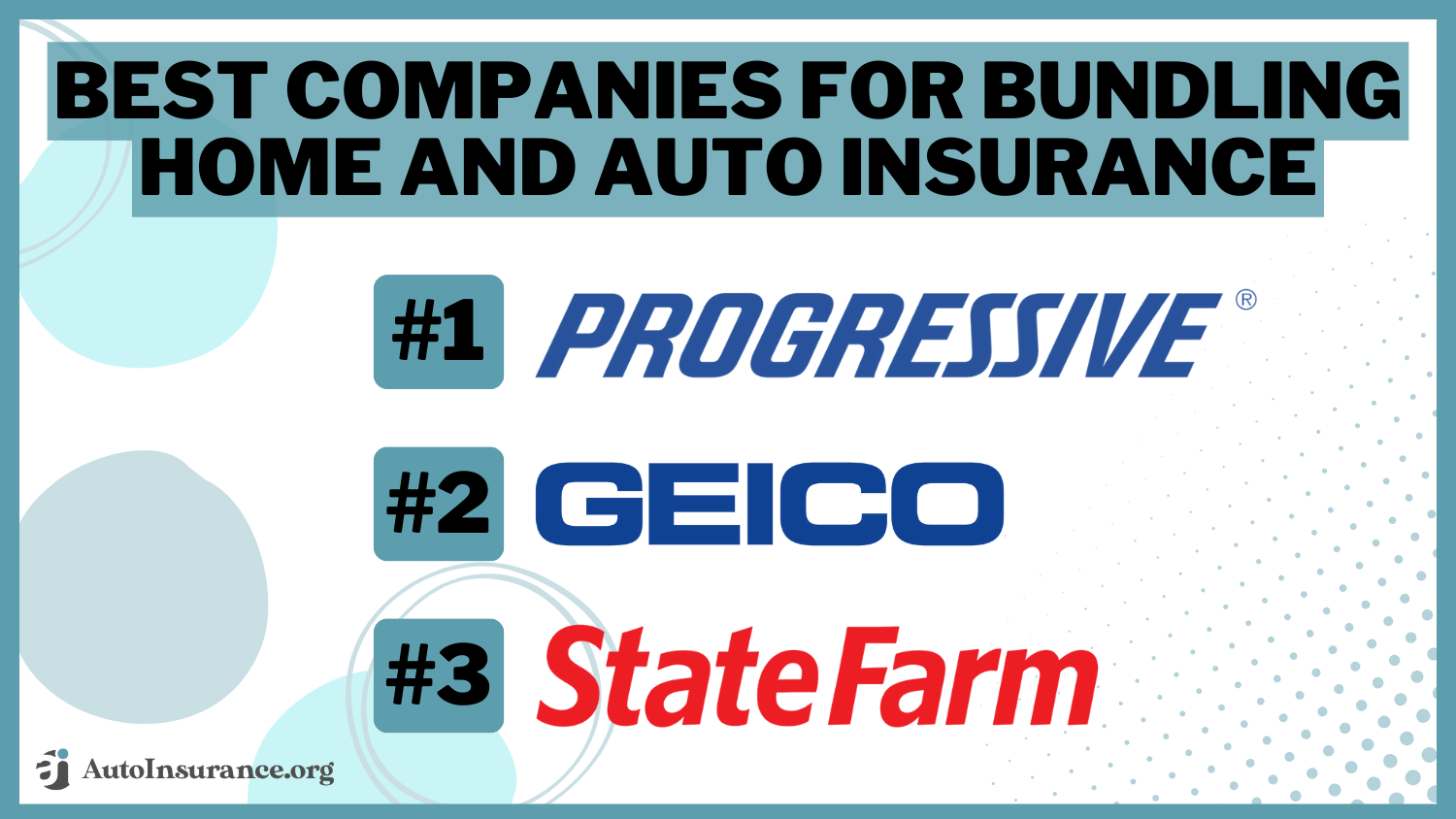
For most consumers in 2026, the best approach is to select a large, nationally recognized carrier like State Farm or Progressive if you value technological integration and broad availability. If you have complex needs or high-value estates, a specialized carrier like Travelers or USAA (if eligible) provides better liability integration. Always verify the AM Best rating of the specific subsidiary writing your policy and ensure your liability limits are unified through a single umbrella policy.
Image Gallery