Shark Attack in the Everglades Explained: Species, Behavior, and Estuary Ecology
Shark attacks in Everglades National Park occur primarily because bull sharks thrive in brackish estuarine waters, where poor visibility and feeding behaviors overlap with human recreational boating and angling. While incidents remain...
Shark attacks in Everglades National Park occur primarily because bull sharks thrive in brackish estuarine waters, where poor visibility and feeding behaviors overlap with human recreational boating and angling. While incidents remain exceptionally rare, bites happen when sharks confuse human movement—such as dipping hands over boat edges—with distressed prey in turbid mangrove channels.
Contents
The Biology of Everglades Sharks: Why Predators Inhabit Brackish Waters
Understanding why shark encounters occur within the Everglades requires examining the unique biological capabilities of the apex predators inhabiting South Florida's coastal wetlands. Unlike most marine apex predators, which are strictly confined to high-salinity oceanic environments, specific shark species actively utilize the vast network of brackish bays, rivers, and shallow mangrove estuaries forming the Southern Florida ecosystem.
Osmoregulation in Bull Sharks (Carcharhinus leucas)
The primary species responsible for unprovoked bites and close encounters in the interior waterways of the Everglades is the bull shark (Carcharhinus leucas). Bull sharks possess a specialized physiological mechanism known as osmoregulation, which allows them to adjust the concentration of urea and trimethylamine oxide in their blood. By regulating these compounds through their kidneys and rectal gland, bull sharks maintain internal salt balance even when swimming into low-salinity estuaries or pure freshwater rivers.
This physiological adaptation provides bull sharks with distinct evolutionary advantages:
- Juvenile Refuges: Female bull sharks give birth (viviparity) in shallow, low-salinity estuaries like Whitewater Bay and Florida Bay. The reduced salinity deters larger oceanic predators, giving juvenile sharks a safer environment to grow.
- Abundant Foraging Grounds: Estuaries serve as nutrient-rich ecosystems packed with mullet, snook, tarpon, catfish, and marine invertebrates, providing an endless supply of prey.
- Ecological Flexibility: Bull sharks can easily transition between deep marine trenches and shallow mudflats under 3 feet deep.
Secondary Shark Species in the Everglades Ecosystem
While bull sharks dominate interior channels, other shark species inhabit the seaward edges of Everglades National Park and Florida Bay:
- Lemon Shark (Negaprion brevirostris): Recognized by their pale yellow-brown coloration, lemon sharks frequent sandy flats, seagrass beds, and mangrove fringes. They tolerate moderate salinity reductions and frequently form loose aggregations in nursery zones.
- Blacktip Shark (Carcharhinus limbatus): Commonly found near coastal passes and open bays, blacktip sharks are fast-moving open-water hunters. They are frequently involved in superficial bites along ocean beaches, though less common in zero-visibility backcountry creeks.
- Bonnethead Shark (Sphyrna tiburo): A small member of the hammerhead family (Sphyrnidae), bonnetheads feed primarily on crabs, shrimp, and small fish across shallow grass flats. They pose virtually zero physical threat to humans.
Analyzing High-Profile Encounters: The Flamingo Boat Incident
While shark attacks within Everglades National Park boundaries are statistical anomalies compared to Atlantic coastal beaches, recorded incidents provide critical insights into shark sensory perception and human behavior.
The May 2023 Flamingo Incident
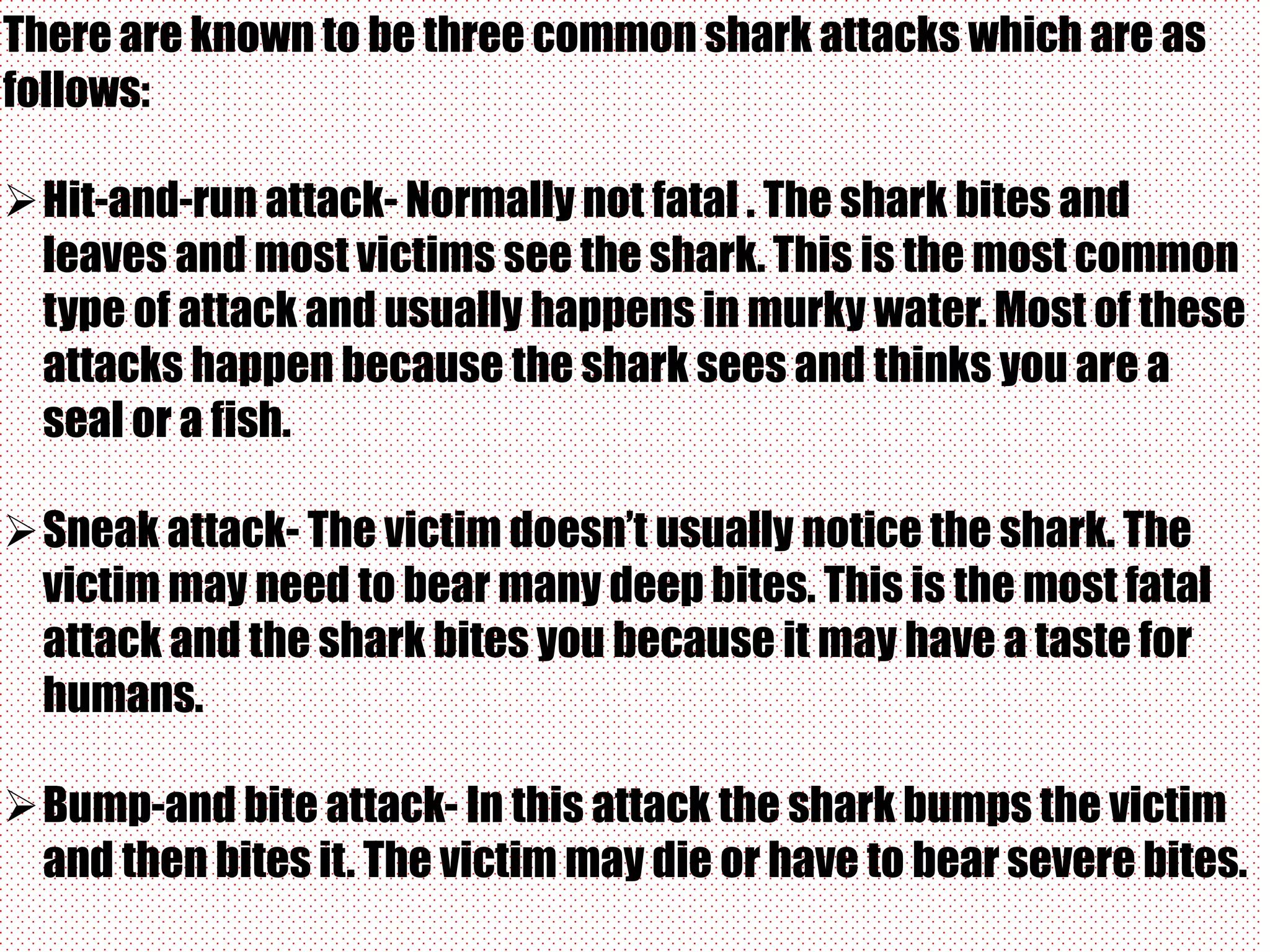
A widely documented incident occurred in May 2023 near the Flamingo region of Everglades National Park, situated at the southernmost tip of the Florida mainland. A boat angler was washing his hands in the water over the gunwale of a skiff when an unseen bull shark suddenly breached, bit his hand, and pulled him overboard into the turbid water.
Fellow anglers reacted immediately, helping the victim back into the vessel. Park rangers and emergency services provided medical assistance before transferring the victim to a regional trauma center for treatment of severe lacerations to the hand and wrist.
Subsequent ecological and behavioral analysis by marine biologists revealed several converging factors:
- Sensory Triggering: The angler was rinsing hands that had recently handled bait or caught fish. The water surface agitation created low-frequency sound vibrations resembling a struggling baitfish.
- Zero-Visibility Conditions: Water clarity in Everglades estuaries is often heavily restricted by suspended organic sediment, tannic runoff from mangrove roots, and tidal mud resuspension. Under these conditions, a shark cannot visually identify a human hand as distinct from prey.
- Conditioning Near Marinas: Areas adjacent to boat launches and fish cleaning stations often experience subtle behavioral conditioning. When anglers discard organic material or fish scraps, opportunistic predators learn to associate idling vessels and surface splashes with food opportunities.
Environmental Factors Driving Human-Shark Interaction in South Florida
Shark encounters in Everglades National Park differ fundamentally from surf-zone bites along the Atlantic coast of Florida (such as Volusia County). The unique hydrodynamics and ecological structure of the Everglades create distinct environmental drivers.
- Everglades Estuary Dynamics
- Tannic & Sediment Water
- Low Optical Clarity
- Reliance on Lateral Line
- Low Optical Clarity
- Angler Surface Splashes
- Low-Frequency Acoustic
- Predatory Strike Trigger
- Low-Frequency Acoustic
- Restricted Channels
- Forced Proximity
- High Interaction Risk
- Forced Proximity
- Tannic & Sediment Water
Water Clarity and Sensory Reliance
The waters of Florida Bay, Whitewater Bay, and the Ten Thousand Islands are characteristically turbid. Sunlight penetration is minimal due to high concentrations of dissolved organic matter. Consequently, sharks rely heavily on non-visual sensory organs:
- Electroreceptors (Ampullae of Lorenzini): Pore-like organs around the shark's snout detect the minute microvolt electrical fields generated by the muscular contractions of living organisms.
- Lateral Line System: A line of mechanoreceptors along the side of the body detects low-frequency pressure waves and vibrations caused by struggling fish or surface splashing.
When a human dips a hand or foot into low-visibility estuarine water, the resulting disturbance stimulates the shark's lateral line system long before the animal can visually verify the object. The resulting strike is a predatory reaction based on acoustic and electrical cues, rather than deliberate aggression toward humans.
Tidal Flow and Channel Geometry
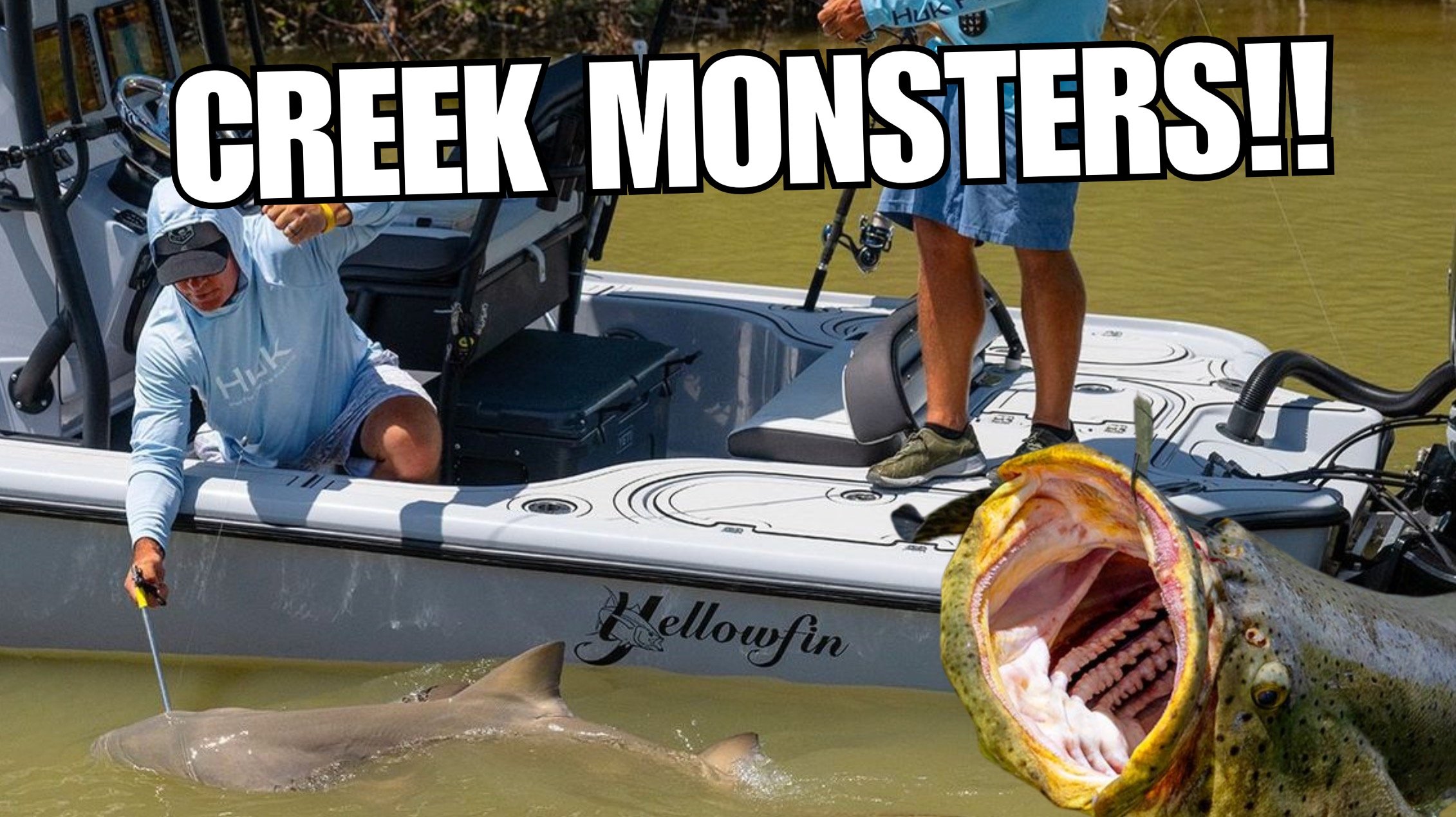
Everglades estuaries consist of narrow, deep tidal creeks bordered by dense red mangrove roots (Rhizophora mangle). During outgoing tides, water drains rapidly from shallow mudflats into these main channels. Marine life—including juvenile and adult sharks—concentrates in these bottlenecked channels to intercept prey washing out of the mangroves. Boaters, kayakers, and anglers using these same deep channels inadvertently navigate through high-density feeding zones.
Comparing Everglades Shark Species and Habitat Overlap
To better evaluate risks across Everglades National Park, the following matrix details the habitat distribution, physiological traits, and encounter dynamics of the region's primary shark species.
| Species | Max Length | Salinity Tolerance | Primary Everglades Habitats | Relative Interaction Risk | Dominant Hunting Sensory Mode |
|---|---|---|---|---|---|
| Bull Shark (C. leucas) | 8–11 ft | High (Freshwater to Marine) | Deep channels, rivers, bays, marina basins | Moderate (Recreational overlap) | Electroreception & Lateral Line |
| Lemon Shark (N. brevirostris) | 8–10 ft | Moderate (Brackish to Marine) | Shallow grass flats, mangrove inlets | Low (Skittish around boats) | Vision & Olfaction |
| Blacktip Shark (C. limbatus) | 5–6 ft | Low (Marine/High Salinity) | Coastal passes, outer beach fronts | Low-Moderate (Surf zone focused) | Vision & Agility |
| Bonnethead (S. tiburo) | 3–4 ft | Low-Moderate (Brackish to Marine) | Shallow sandflats, muddy bays | Negligible | Olfaction (Benthic feeding) |
Risk Mitigation and Safety Guidelines for Everglades Visitors
While the absolute probability of experiencing a shark attack in Everglades National Park remains exceptionally low, understanding proper protocols is essential for backcountry boaters, paddlers, and recreational anglers.
Official guidelines from the Florida Fish and Wildlife Conservation Commission (FWC) and the National Park Service provide the foundation for safely navigating South Florida estuaries.
Essential Rules for Anglers and Boaters
- Never Wash Hands or Tools Overboard: Keep hands, feet, and equipment inside the vessel at all times. Use a dedicated bucket attached to a lanyard to haul water onboard for rinsing surfaces or hands.
- Do Not Clean Fish at Boat Ramps or Marinas: Discarding fish carcasses near docks attracts bull sharks and alters their natural feeding behavior. Use official disposal stations equipped with contained waste streams or discard carcasses in deep water far from recreational activity.
- Handle Caught Fish Safely: If a hooked fish is taken by a shark ("depredation"), do not attempt to wrestle the catch back by pulling line near the water surface. Cut the line cleanly to release tension.
- Avoid Swimming in Estuarine Waterways: Swimming within backcountry Everglades channels, dark bays, or marina zones is highly unsafe due to poor visibility, strong tidal currents, and predator activity.
- Exercise Caution in Kayaks and Canoes: Paddlers should refrain from dangling feet overboard and avoid carrying fish catches on low-slung stringers alongside the hull. Store landed fish inside sealed, insulated compartments.
- Safety Checklist for Boater Safety
- Keep all extremities inside the boat gunwales at all times.
- Use a bucket on a rope to haul rinse-water onto the boat.
- Avoid dangling catch stringers overboard in paddled craft.
- Store landed fish in insulated, covered fish boxes.
- Immediately cut line if a shark strikes a hooked target.
Research Data from the International Shark Attack File
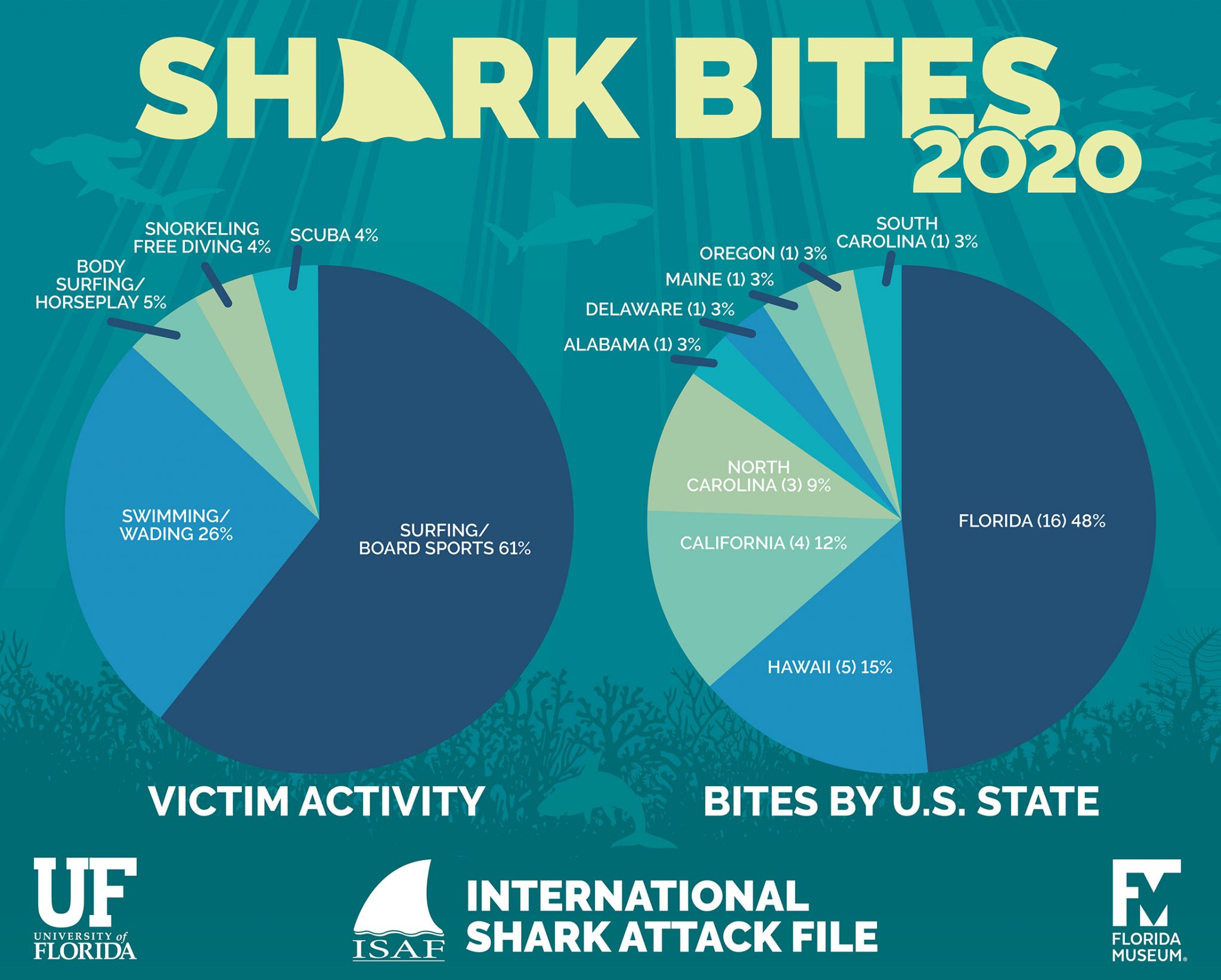
Data compiled by the International Shark Attack File (ISAF) at the Florida Museum of Natural History demonstrates that unprovoked shark bites inside the inland estuarine waters of Monroe and Collier counties are extremely infrequent.
- Florida Unprovoked Bites (Historical Trends)
- Volusia County (Atlantic Beaches): Highest
- Brevard County (Atlantic Beaches)
- Palm Beach / Miami-Dade
- Monroe / Collier (Everglades Park): Extremely Low
Most Florida bites occur along Atlantic surf zones where ocean swimmers interact with feeding schools of blacktip and spinner sharks in crashing wave breaks. Inside Everglades National Park, human activity is overwhelmingly vessel-based (motorboats, skiffs, kayaks), which isolates people from direct water exposure. Attacks occur almost exclusively when direct physical contact with the water surface takes place in proximity to food cues or active fishing.
Frequently Asked Questions
Are there sharks in fresh water in the Everglades?
Yes. Bull sharks (Carcharhinus leucas) possess specialized kidney function (osmoregulation) that allows them to live in fresh water for extended periods. They routinely travel miles up freshwater rivers and canals deep within Everglades National Park and the Big Cypress National Preserve.
Is it safe to kayak in Everglades National Park?
Kayaking in the Everglades is generally safe, provided paddlers follow standard park protocols. Kayakers should never dangle hands or feet into the water, avoid night paddling, and keep landed fish inside covered hatch compartments rather than trailing them on stringers.
What should you do if a shark approaches your boat in the Everglades?
Remain calm and keep all extremities securely inside the gunwales. Do not throw food, bait, or fish scraps into the water to draw the animal closer. If angling, retrieve your gear and pause fishing activity until the shark moves away from the area.
How common are shark attacks in the Everglades?
Unprovoked shark attacks inside Everglades National Park boundaries are extremely rare. Over the past several decades, only a handful of incidents have been recorded, almost all involving anglers rinsing hands overboard, swimming in high-risk zones, or handling hooked fish near the water's surface.
Why do bull sharks bite hands washed over the boat edge?
When an angler rinses hands coated in fish oils or bait residue, the scent trail combines with surface splashing. In turbid Everglades water, bull sharks rely on lateral line pressure receptors and electrical sensors. The shark instinctively strikes at the splash and scent, mistaking the human hand for a wounded prey item.
Recommended Next Actions
If you plan to visit, boat, or fish within Everglades National Park, review official park resources prior to departure:
- Review safety alerts and channel conditions directly on the Everglades National Park Official Site.
- Consult state fishing and wildlife regulations through the Florida Fish and Wildlife Conservation Commission.
- Examine historical wildlife incident records via the International Shark Attack File.
By practicing standard water safety, maintaining vessel discipline, and respecting estuarine apex predators, visitors can safely enjoy the unique wilderness of South Florida.
Image Gallery