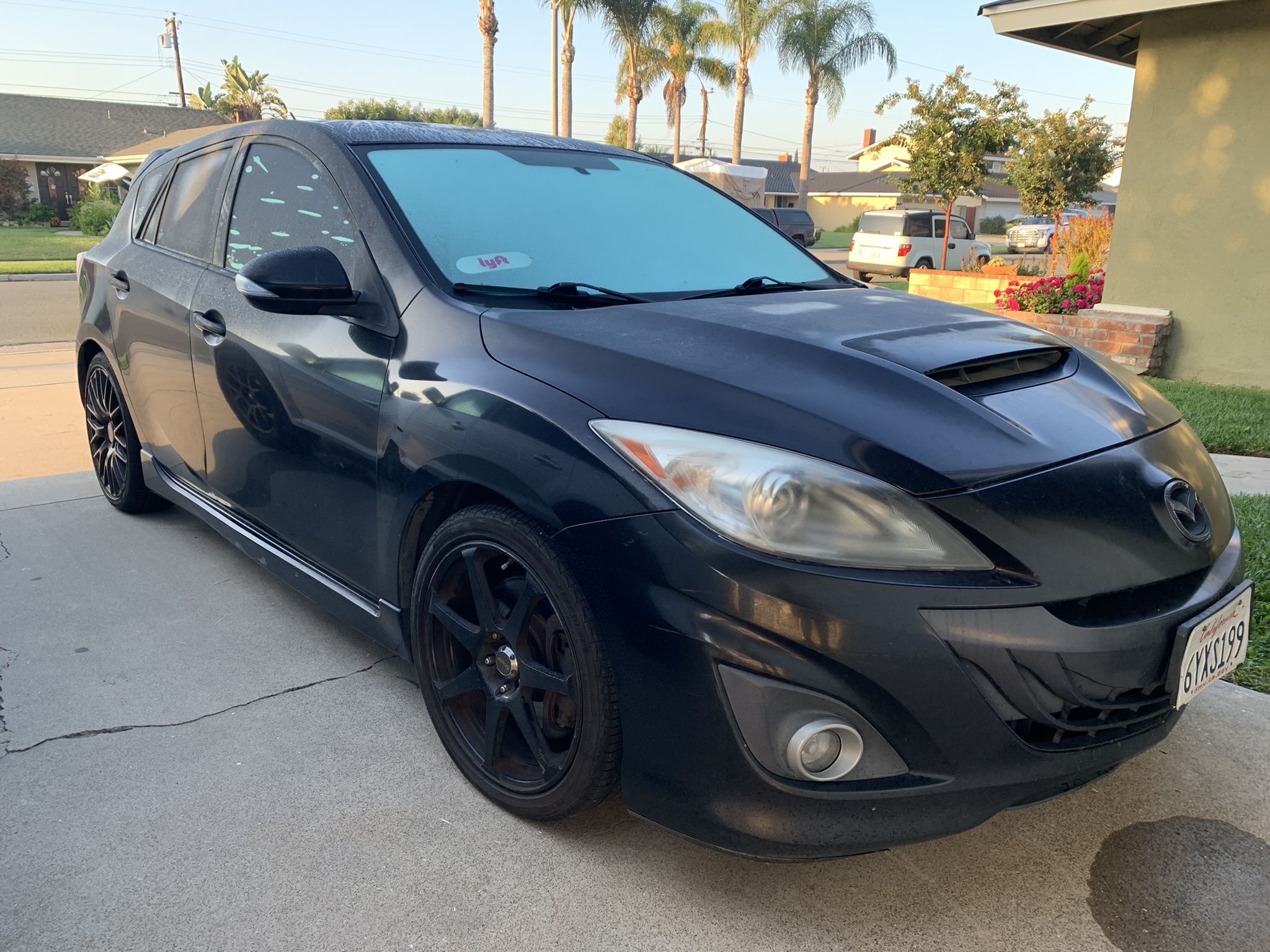
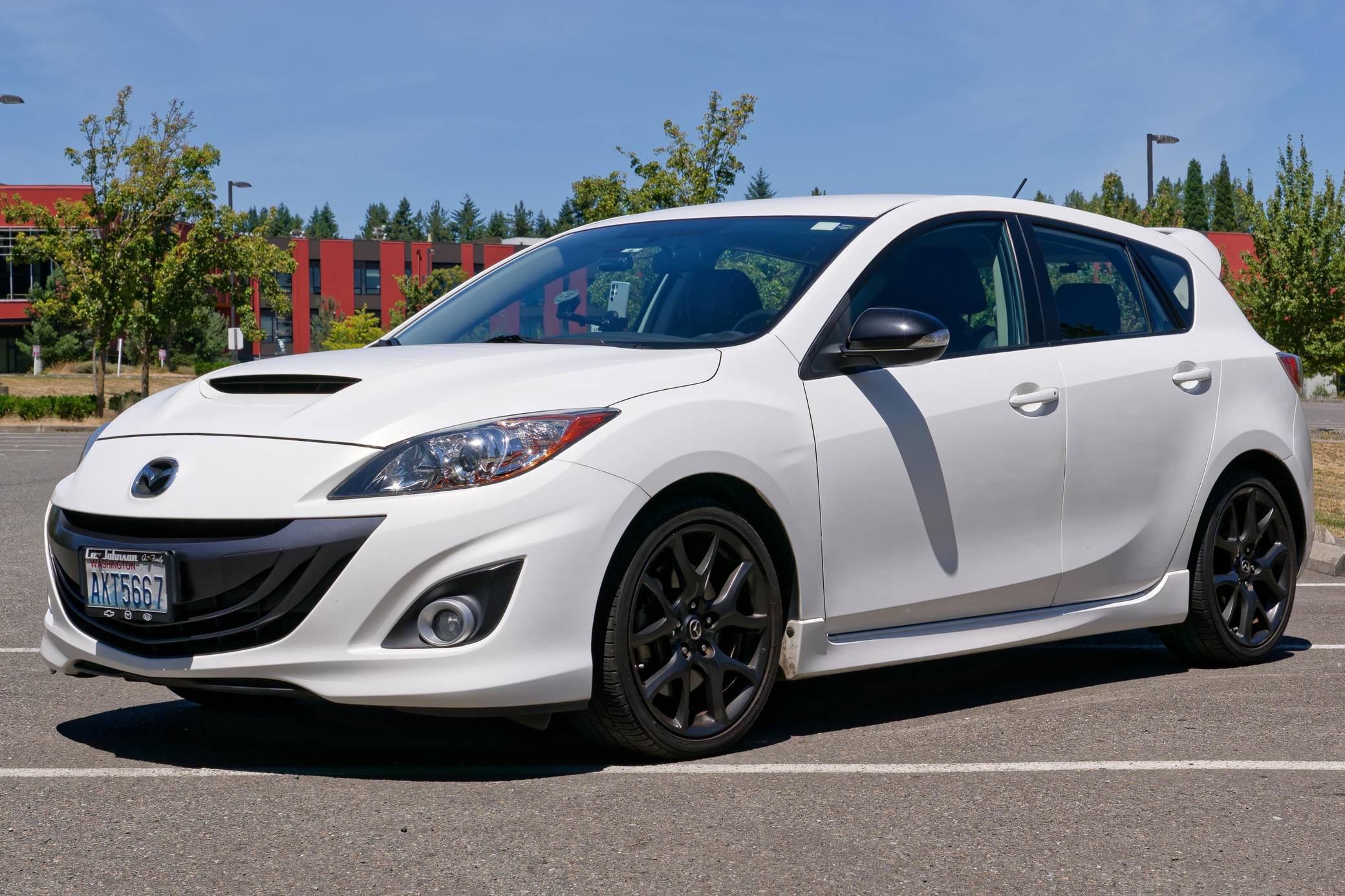
2013 Mazdaspeed 3 Reliability: A Comprehensive Guide for 2026 Owners
The 2013 Mazdaspeed 3 represents the final production year of the second-generation (BL) platform, making it the most refined iteration of Mazda’s iconic hot hatch. While generally considered reliable for a high-performance vehicle, it...
The 2013 Mazdaspeed 3 represents the final production year of the second-generation (BL) platform, making it the most refined iteration of Mazda’s iconic hot hatch. While generally considered reliable for a high-performance vehicle, its longevity in 2026 depends heavily on strict adherence to maintenance schedules and the proactive replacement of known weak points such as the high-pressure fuel pump and turbocharger seals.
Contents
As we look at the 2013 Mazdaspeed 3 in 2026, many of these vehicles have crossed the 100,000-mile threshold, placing them in a critical window for long-term durability. Unlike the standard Mazda 3, the "Speed" variant utilizes the 2.3L MZR DISI Turbo engine, a power plant that requires specialized care. If you are considering purchasing one or maintaining a high-mileage example, understanding the specific mechanical nuances of this final-year model is essential for avoiding catastrophic engine failure.
The 2.3L MZR DISI Turbo: Engineering and Expectations
The heart of the 2013 Mazdaspeed 3 is the 2.3-liter Direct Injection Spark Ignition (DISI) turbocharged four-cylinder engine. In its factory configuration, it produces 263 horsepower and 280 lb-ft of torque. Because this engine uses early direct-injection technology, it faces specific reliability challenges that differ from naturally aspirated or port-injected engines of the same era.
One of the primary engineering triumphs of the 2013 model is that Mazda had, by this point, addressed several "teething" issues found in the 2007–2010 models. Specifically, the Variable Valve Timing (VVT) actuator and the timing chain—notorious for failing on earlier Gen 1 and early Gen 2 models—were updated with reinforced parts. However, even with these factory improvements, a 2013 model with high mileage in 2026 should still be inspected for timing chain "slap," which occurs when the chain stretches and hits the valve cover, potentially leading to jumped timing and total engine loss.
Critical Reliability Concern: High-Pressure Fuel Pump (HPFP)
The most significant reliability bottleneck for the 2013 Mazdaspeed 3 is the High-Pressure Fuel Pump (HPFP). The factory internals are designed to provide just enough fuel pressure for the stock power levels. However, as the car ages or if even minor modifications (like a high-flow intake) are added, the factory pump can struggle to maintain the required 1,600+ PSI under wide-open throttle.
When the fuel pressure drops, the engine runs lean, which can lead to a phenomenon known as "Zoom-Zoom Boom"—a colloquial term for catastrophic connecting rod failure. For any owner in 2026, the primary "reliability mod" is replacing the factory HPFP internals with upgraded aftermarket versions (such as those from Autotech or CorkSport). This ensures consistent fuel delivery and protects the engine during spirited driving.
Turbocharger Longevity and the K04 Seal Issue
The 2013 Mazdaspeed 3 utilizes a BorgWarner K04 turbocharger. While the turbo provides excellent low-end torque, its seals are a documented weak point. Over time, these seals can fail, leading to oil leaking into the exhaust housing. The most common symptom is blue-tinted smoke billowing from the exhaust after the car has been idling for several minutes.
By 2026, many original K04 turbos are reaching the end of their functional lifespan. Reliability can be extended by using high-quality 5W-40 synthetic oil rather than the factory-recommended 5W-30, as the slightly higher viscosity helps maintain seal integrity. If the turbo fails, owners often face a choice between a direct OEM replacement or upgrading to a more robust ball-bearing turbo, though the latter requires additional tuning to remain reliable.
Carbon Buildup and GDI Maintenance
Because the 2013 Mazdaspeed 3 is a direct-injection vehicle, fuel is sprayed directly into the combustion chamber rather than over the intake valves. In port-injected engines, the fuel acts as a detergent, cleaning the valves. In the DISI engine, oil vapors from the PCV system bake onto the hot intake valves, forming thick carbon deposits.
Left unchecked, this carbon buildup restricts airflow, causing:
- Rough idling and cold-start stumbles.
- Decreased fuel economy.
- Occasional misfires under load.
In 2026, any Mazdaspeed 3 with over 80,000 miles that hasn't had its valves cleaned will likely suffer from significant performance degradation. The "gold standard" for resolving this is walnut blasting, a process where crushed walnut shells are used to safely scour the carbon off the valves. This is a vital maintenance step that directly impacts the long-term reliability of the valvetrain.
Transmission and Drivetrain Durability
The 2013 Mazdaspeed 3 features a stout Aisin 6-speed manual transmission and a GKN Tochigi-fuji torque-sensing limited-slip differential (LSD). Generally, the transmission is very durable, but it is sensitive to the type of fluid used. Using a high-quality synthetic 75W-90 gear oil (such as Ford Motorcraft XT-M5-QS) is widely regarded by the community as the best way to preserve synchro health and prevent "notchy" shifting.
The primary drivetrain reliability concern is the rear motor mount (RMM). The factory mount is exceptionally soft to reduce Noise, Vibration, and Harshness (NVH), but it allows for significant engine movement during shifts. This movement can lead to "wheel hop" and, in extreme cases, damage to the shift linkages or the downpipe. Replacing the RMM with a stiffer aftermarket unit is a common and recommended reliability upgrade.
Maintenance and Reliability Comparison Table
The following table outlines the expected maintenance requirements for a 2013 Mazdaspeed 3 as of 2026.
| Component | Potential Issue | Recommended Action | Estimated Interval |
|---|---|---|---|
| HPFP Internals | Lean conditions / Engine failure | Upgrade to aftermarket internals | Immediate (Pre-emptive) |
| Timing Chain | Chain stretch / VVT failure | Inspect for "slap" / Replace | Every 100k - 120k miles |
| Intake Valves | Carbon buildup / Misfires | Walnut blasting or manual cleaning | Every 60k - 80k miles |
| K04 Turbo | Failed oil seals / Smoking | Inspect at idle / Replace or Rebuild | 100k - 150k miles |
| Spark Plugs | Fouling / Gap expansion | Use One-Step Colder plugs (gap .026") | Every 15k - 20k miles |
| Motor Mounts | Excessive engine movement | Replace Rear Motor Mount (RMM) | As needed / 80k miles |
| EGR Valve | Clogging / Poor idle | Remove and clean or bypass | Every 50k miles |
Common Problems and "Zoom-Zoom Boom"
A discussion on Mazdaspeed 3 reliability is incomplete without addressing Low-Speed Pre-Ignition (LSPI). This engine is highly susceptible to damage if the driver applies heavy throttle at low RPMs (below 3,000 RPM) in high gears (4th, 5th, or 6th). This creates immense cylinder pressure that the stock connecting rods cannot handle.
To ensure the 2013 Mazdaspeed 3 remains reliable, drivers must change their habits: always downshift to keep the RPMs above 3,500 before accelerating hard. This simple operational adjustment is often the difference between a 200,000-mile engine and one that throws a rod at 70,000 miles.
Structural and Interior Concerns
By 2026, the 2013 Mazdaspeed 3 has reached an age where "soft" components begin to fail.
- Dampers: The factory shocks and struts are usually worn out by 80,000 miles. Replacing them with Bilstein B6 or B8 units is a popular way to restore handling without sacrificing daily drivability.
- Dashboard Melting: While more common in 2010–2011 models, some 2013 owners report the dashboard material becoming sticky or "shiny" due to UV exposure. Using a sunshade is the best preventative measure.
- Brake Calipers: The rear calipers are prone to seizing in regions that use road salt. Periodic lubrication of the slider pins is necessary.
Frequently Asked Questions
Is the 2013 Mazdaspeed 3 a good daily driver in 2026?
Yes, provided you are prepared for higher-than-average maintenance costs. It offers a practical hatchback layout and modern safety features, but it requires premium 91 or 93-octane fuel and frequent oil changes (every 3,000 to 5,000 miles) to remain reliable.
Does the 2013 model have the "VVT issue"?
The 2013 model year came from the factory with the updated VVT actuator and timing chain. While it is significantly more reliable than the 2007–2010 versions, it is not immune to wear. Owners should still listen for a metallic rattling sound during cold starts, which indicates the chain has stretched.
Can I run 87 octane fuel in a Mazdaspeed 3?
No. Using low-octane fuel in the 2.3L DISI engine will cause significant knocking and timing pull. The high compression and turbocharging require high-octane fuel to prevent pre-detonation, which can destroy the engine's internal components.
What are the signs of a failing turbocharger?
The most obvious sign is white or blue smoke coming from the tailpipe after the car has been idling for 5–10 minutes. Other signs include oil in the intercooler piping, a high-pitched "dentist drill" whining sound, or a noticeable loss of boost pressure on the gauge.
How much should I budget for annual maintenance?
For a well-kept 2013 Mazdaspeed 3 in 2026, budget approximately $1,200 to $1,800 annually. This covers high-quality synthetic oil, performance spark plugs, and a reserve fund for larger periodic items like valve cleaning or suspension refreshes.
Final Recommendation for 2026 Owners
The 2013 Mazdaspeed 3 is a reliable enthusiast vehicle if—and only if—it is owned by someone who understands its specific requirements. It is not a "set it and forget it" car like a standard Mazda 3 or a Toyota Corolla. To ensure maximum reliability, your first actions should be installing HPFP internals, performing a carbon cleaning of the intake valves, and strictly avoiding high-load/low-RPM acceleration. If these steps are taken, the 2013 Mazdaspeed 3 remains one of the most rewarding and durable analog performance cars of its era.
Image Gallery