Decoding the Chronology of Creation: Examining the 3 Days of Genesis Leading to Day Three
The creation narrative in the Book of Genesis outlines a structured, sequential framework of cosmic and terrestrial development, culminating on day three with the separation of waters, the emergence of dry land, and the initiation of p...
The creation narrative in the Book of Genesis outlines a structured, sequential framework of cosmic and terrestrial development, culminating on day three with the separation of waters, the emergence of dry land, and the initiation of plant life. This period represents a critical phase of structural stabilization and biological foundation within the broader seven-day paradigm.
Contents
The Structural Context of the Genesis Creation Account
Understanding the events of the creation narrative requires analyzing the overarching literary and structural framework of the text. The creation account is traditionally divided into two distinct triads or thematic panels. The first three days focus primarily on the formation of realms, environments, and functional spaces—namely, light, sky, and sea—while the subsequent three days populate those established realms with corresponding entities such as luminaries, marine life, birds, land animals, and humanity.
Within this framework, the timeline leading up to and including the third day serves as the foundational architecture of the physical universe. The text utilizes deliberate pacing to emphasize order, intentionality, and division. By establishing boundaries between chaos and order, light and darkness, and waters above and below, the narrative prepares the terrestrial stage for complex life systems. Scholars of ancient Near Eastern literature often compare this framework with regional creation epics, noting distinct monotheistic departures that prioritize functional cosmic architecture over violent mythological conflicts.
Day One: Light, Time, and the Primary Division
The opening phase of the creation sequence establishes the fundamental parameters of physical existence. Before physical geography or biological forms can take shape, the text records the emergence of light and the division between illumination and darkness.
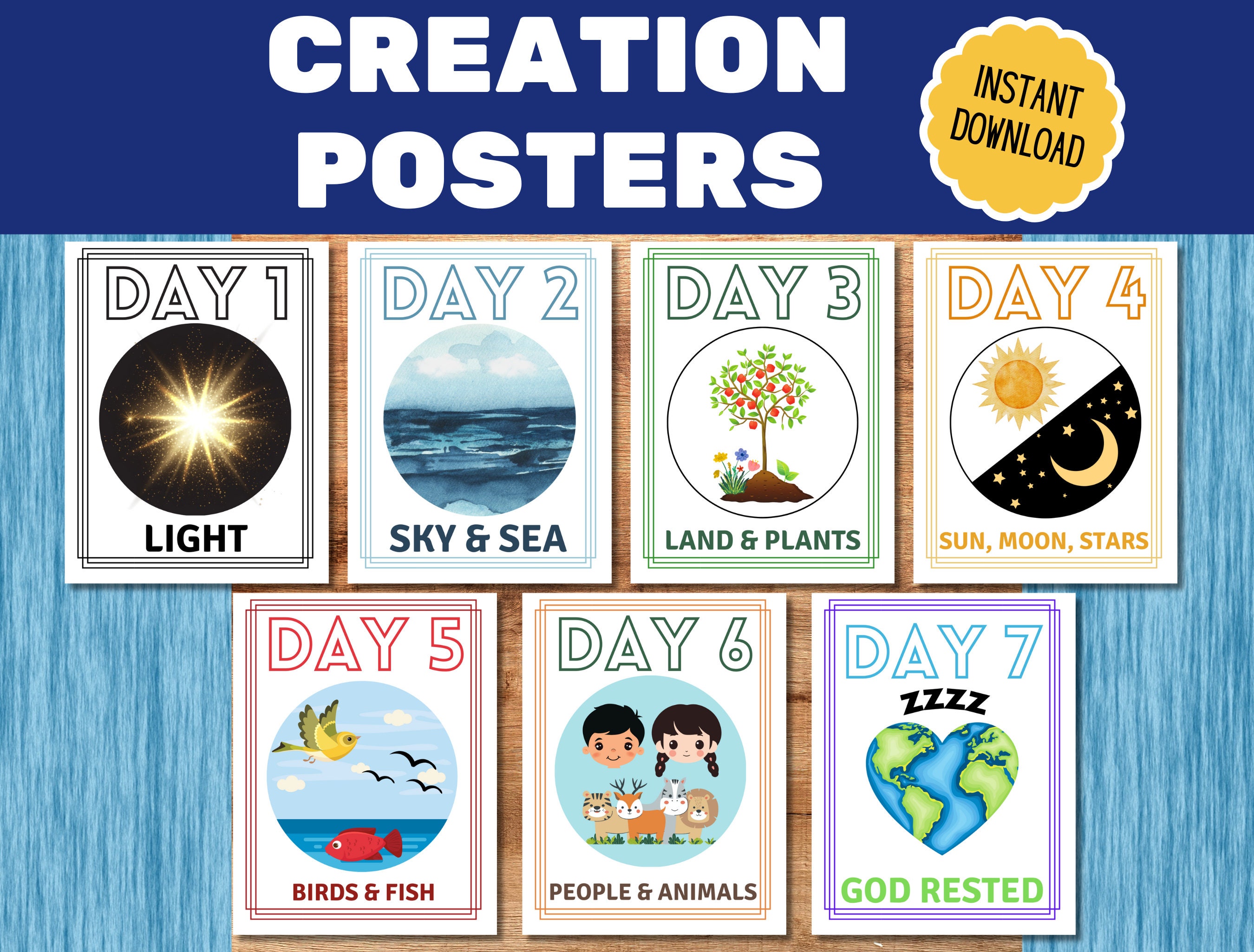
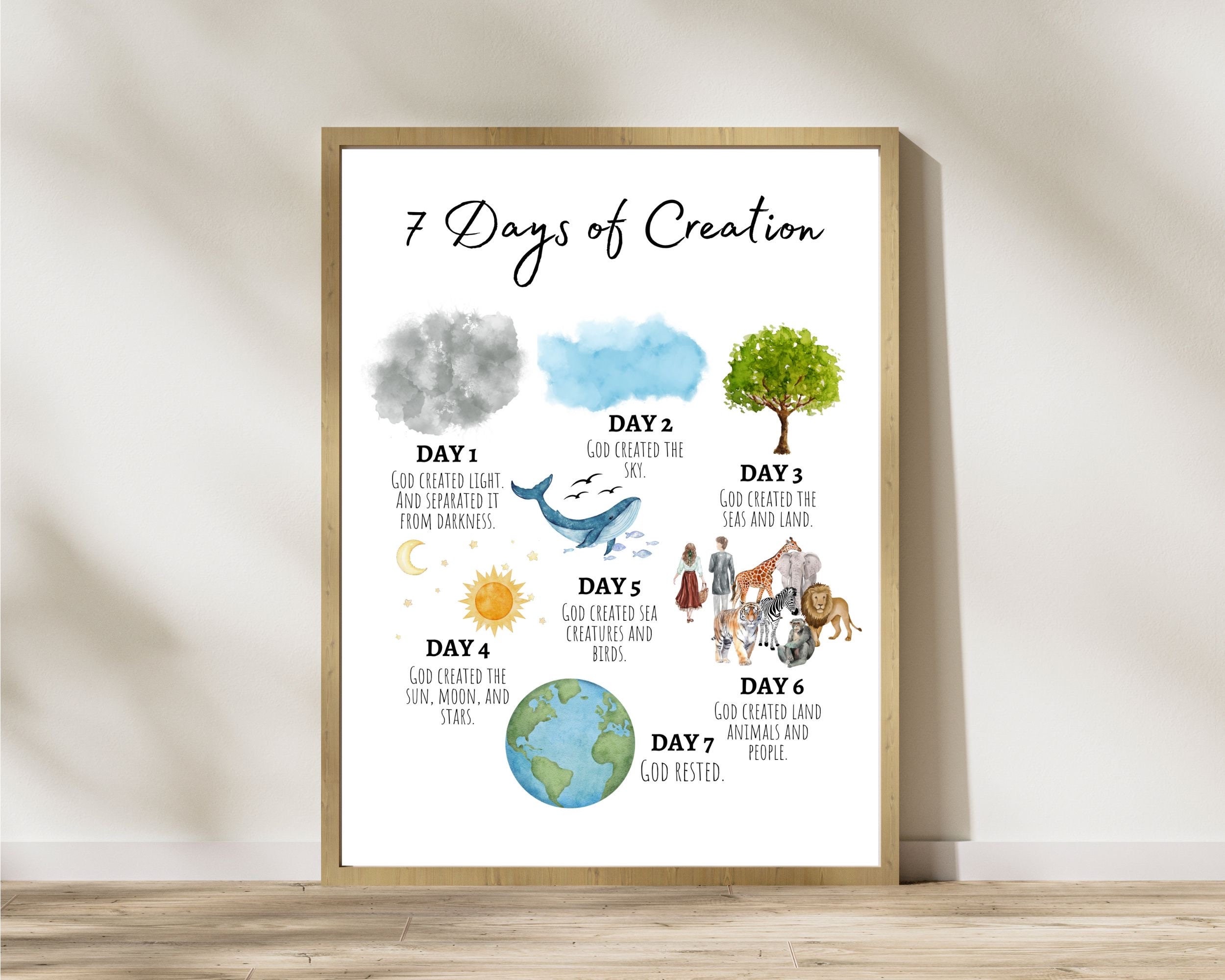
- Day 1: Creation of Light & Division of Day/Night
- Day 2: Establishment of the Expanse (Firmament)
- Day 3: Separation of Waters, Dry Land, & Vegetation
This initial intervention resolves a state described as formless and void. The introduction of light creates the first temporal cycle, establishing evening and morning as the markers of a cosmic day. While modern readers frequently debate the literal versus figurative duration of these periods, the immediate textual intent is the establishment of a reliable, ordered sequence. Light acts not only as a physical illuminator but as the primary catalyst for the energetic and thermal conditions required for subsequent atmospheric and terrestrial development.
Day Two: The Expanse and Atmospheric Separation
Following the establishment of light, the second phase focuses on fluid dynamics and spatial architecture. The text describes the creation of an expanse, often translated as the firmament or sky, which divides the waters below from the waters above.
This division introduces vertical dimensionality to the cosmos. By creating a distinct atmospheric barrier, the narrative establishes a stable environment between the terrestrial sphere and the upper celestial waters. This step is essential for maintaining the hydrological balance required for future life. Without this atmospheric separation, the primordial fluid state would remain homogenous, precluding the formation of weather patterns, evaporation cycles, and localized aquatic habitats. The linguistic roots in the original Hebrew emphasize the stretching out or hammering flat of a durable canopy, reflecting ancient cosmological understandings while maintaining the theological emphasis on divine structural engineering.
Day Three: The Pivotal Convergence of Land and Life
The third day represents a significant turning point in the creation narrative, executing two major physical transformations: the concentration of terrestrial water to reveal dry land, and the subsequent generation of flora.
Separation of Seas and Dry Land
The narrative recounts the gathering of the waters under the heavens into specific places, allowing the dry ground to appear. This topological differentiation creates the first permanent geographical boundaries between oceans and continents. Geologically and conceptually, this act transforms a uniform, watery chaos into a structured habitat. The naming of the dry land as earth and the collected waters as seas signifies dominion and functional utility, preparing the surface of the planet to support complex physical structures and, eventually, terrestrial organisms.
The Inception of Flora and Plant Life
Immediately following the emergence of dry land, the earth produces vegetation: seed-bearing plants and trees bearing fruit according to their respective kinds. This introduces the first self-sustaining biological systems into the cosmos.
| Creation Phase | Primary Physical Action | Biological or Environmental Result |
|---|---|---|
| Day One | Creation and division of light | Establishment of day, night, and time |
| Day Two | Creation of the atmospheric expanse | Separation of upper and lower waters |
| Day Three | Formation of seas, land, & flora | Emergence of continents and plant life |
Unlike the inanimate realms formed on the previous days, plant life possesses the capacity for reproduction through seeds, marking the introduction of biological time, growth, and decay. The emphasis on reproduction "according to its kind" establishes structural boundaries within the biological world, a theme that carries through the subsequent creation of fauna on later days.
Theological and Historical Interpretations of the Timeline
The interpretation of the three days leading to the events of day three has generated extensive scholarly, theological, and scientific discourse. Different traditions approach the text through distinct hermeneutical lenses:
- Literal-Day View: Interprets the days as standard twenty-four-hour solar rotations, arguing that the grammatical structure (yom combined with "evening and morning") necessitates chronological literalism.
- Day-Age Theory: Proposes that each day represents an extended geological epoch, aligning the sequential milestones of light, atmosphere, land, and plant life with standard scientific models of Earth's history.
- Literary Framework View: Suggests that the seven-day structure is a topical, theological arrangement rather than a modern scientific timeline, designed to polemically counter ancient polytheistic creation myths by exalting a single creator who commands orderly realms.
These differing perspectives highlight the complexity of engaging ancient texts with contemporary epistemological frameworks. Regardless of the interpretive model applied, the functional progression remains consistent: spatial order precedes environmental stability, which in turn precedes biological proliferation.
Frequently Asked Questions
What major events occur on the third day of creation?
On the third day, the waters under the heavens are gathered into specific locations to allow dry land to appear. Following this topographical formation, the earth produces vegetation, including seed-bearing plants and fruit-bearing trees, marking the introduction of biological life and reproduction.
How do the first three days of creation relate to the remaining days?
The first three days focus on forming the structural realms of the universe: light, the atmospheric expanse, and land/seas. The subsequent three days populate these prepared realms with luminaries, marine life, birds, and land animals, demonstrating a systematic design where habitat creation precedes inhabitation.
Are the days in Genesis considered literal 24-hour periods?
Interpretations vary widely. Some theological traditions maintain a literal twenty-four-hour duration, while others view the days as extended geological epochs or utilize a literary-framework approach that treats the seven-day structure as a topical narrative device rather than a modern scientific chronology.
Why is plant life created before the sun and moon in the narrative?
In the textual sequence, vegetation appears on day three, while the sun, moon, and stars are established on day four to govern day and night. This sequence challenges ancient Near Eastern cosmologies that deified celestial bodies, positioning them instead as functional instruments created by a sovereign architect rather than independent deities upon which life depended for initial sustenance.
Practical Considerations and Next Actions
For researchers, students, and theologians examining the Genesis creation account, the primary objective is maintaining methodological clarity between historical-grammatical analysis and modern scientific inquiry. To study these texts effectively:
- Examine the original linguistic roots to understand the ancient semantic range of key terms like yom (day) and raqia (expanse).
- Compare the text with contemporaneous ancient Near Eastern literature to identify unique theological departures.
- Consult cross-disciplinary commentaries that evaluate both textual exegesis and historical-geological contexts without forcing anachronistic frameworks onto ancient prose.
Image Gallery